





 Portuguese
  English
  Spanish
  4 min of reading
  0 comments



In The Most Expensive City In Asia, Coffin Apartments Have Become A Symbol Of Urban Inequality: Tiny Spaces Without Windows And Shared Bathrooms Where The Dream Of Housing Has Turned Into An Act Of Resistance.
In Hong Kong, the cost of housing has reached such high levels that thousands of people live crammed into “coffin apartments” units of less than nine square meters, often without ventilation, where comfort has been replaced by necessity. The city that boasts luxury skyscrapers and some of the most expensive square meters in the world coexists with an underground reality: that of survival in spaces designed for the bare minimum.
According to the G1 portal, in the heart of this metropolis, entire families share rooms smaller than a standard bathroom, stacking furniture, clothes, and hopes. Each square meter is so valuable that dignity is measured in centimeters. The phenomenon is a portrait of a structural housing crisis, fueled by speculation, inequality, and a lack of viable alternatives.
When Home Becomes A Box: The Anatomy Of Microspaces
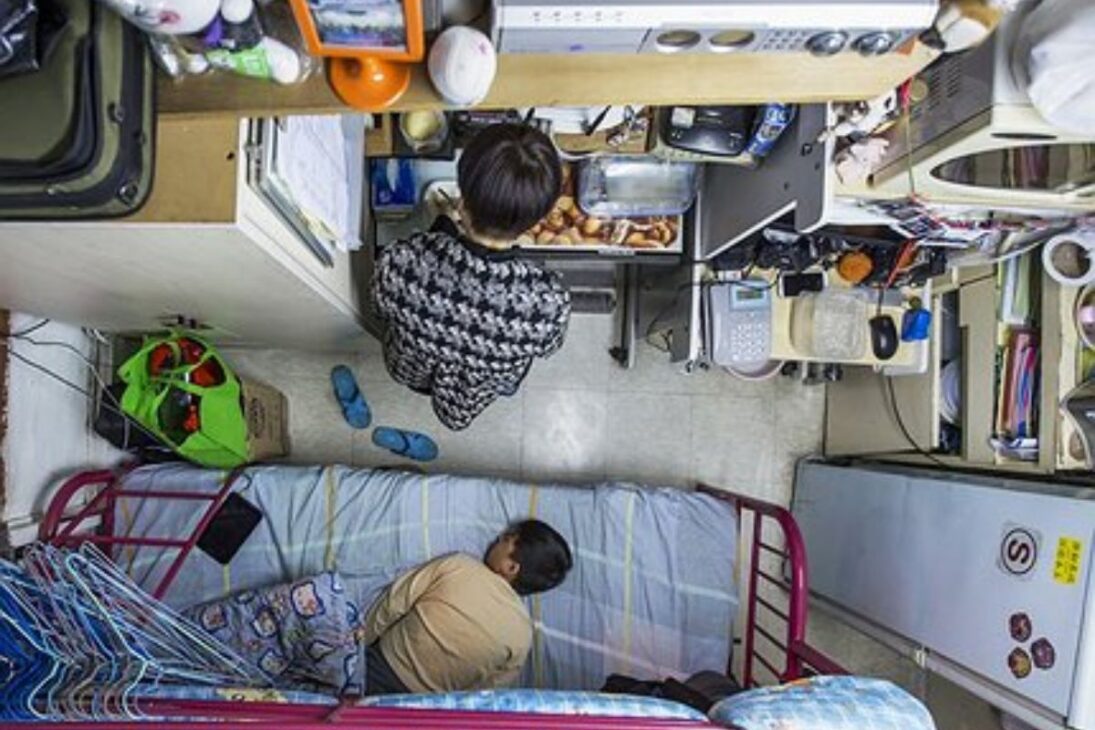
The coffin apartments are individual rooms installed in old buildings and subdivided with thin wooden or metal partitions. Each unit typically has between four and nine square meters, without windows, with bathroom and kitchen shared among dozens of residents.
-
Italian researchers have detected what appears to be a second Sphinx buried under the sands of Egypt, and satellite scans reveal a gigantic underground megastructure hidden beneath the Giza Plateau for over 3,000 years.

-
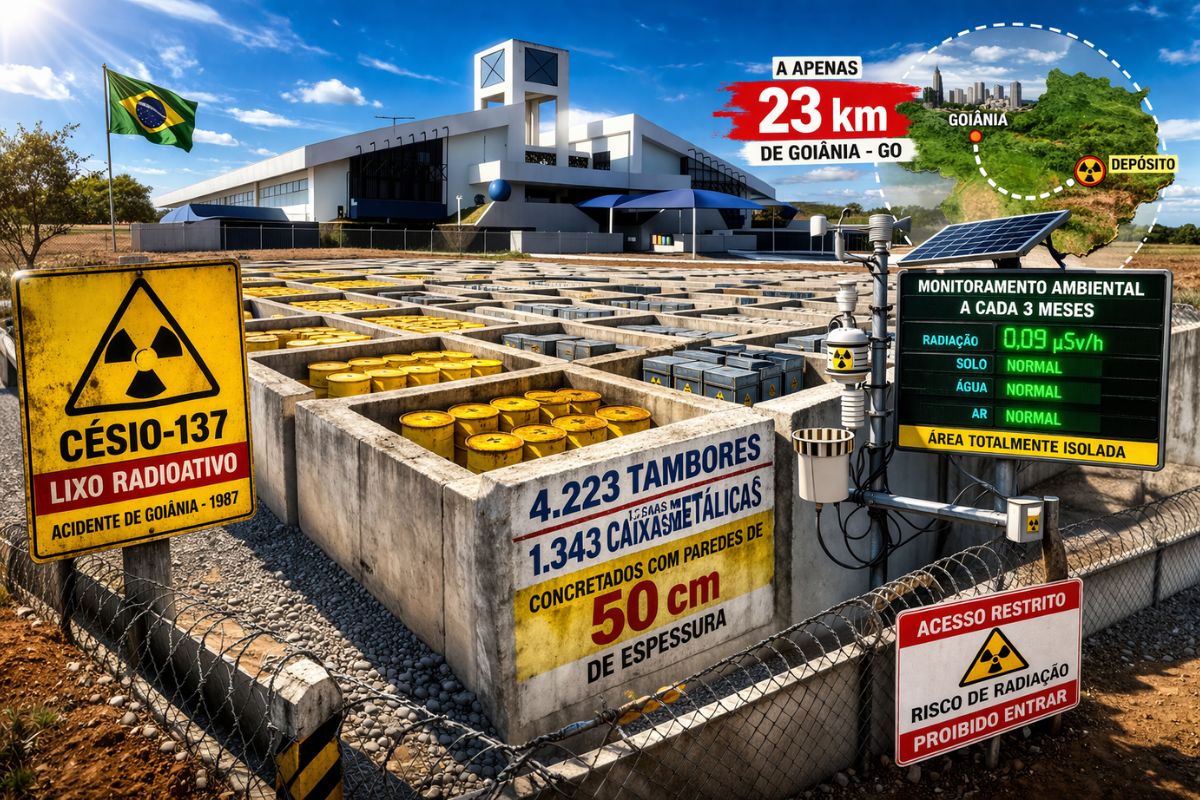
There are 4,223 drums and 1,343 metal boxes concreted with 50-centimeter walls that store the radioactive waste from Cesium-137 in the worst radiological accident in Brazil, just 23 kilometers from Goiânia, with environmental monitoring every three months.
-
Giant Roman treasure found at the bottom of Lake Neuchâtel in Switzerland reveals an advanced trade system, circulation of goods, and armed escort in the Roman Empire about two thousand years ago.

-
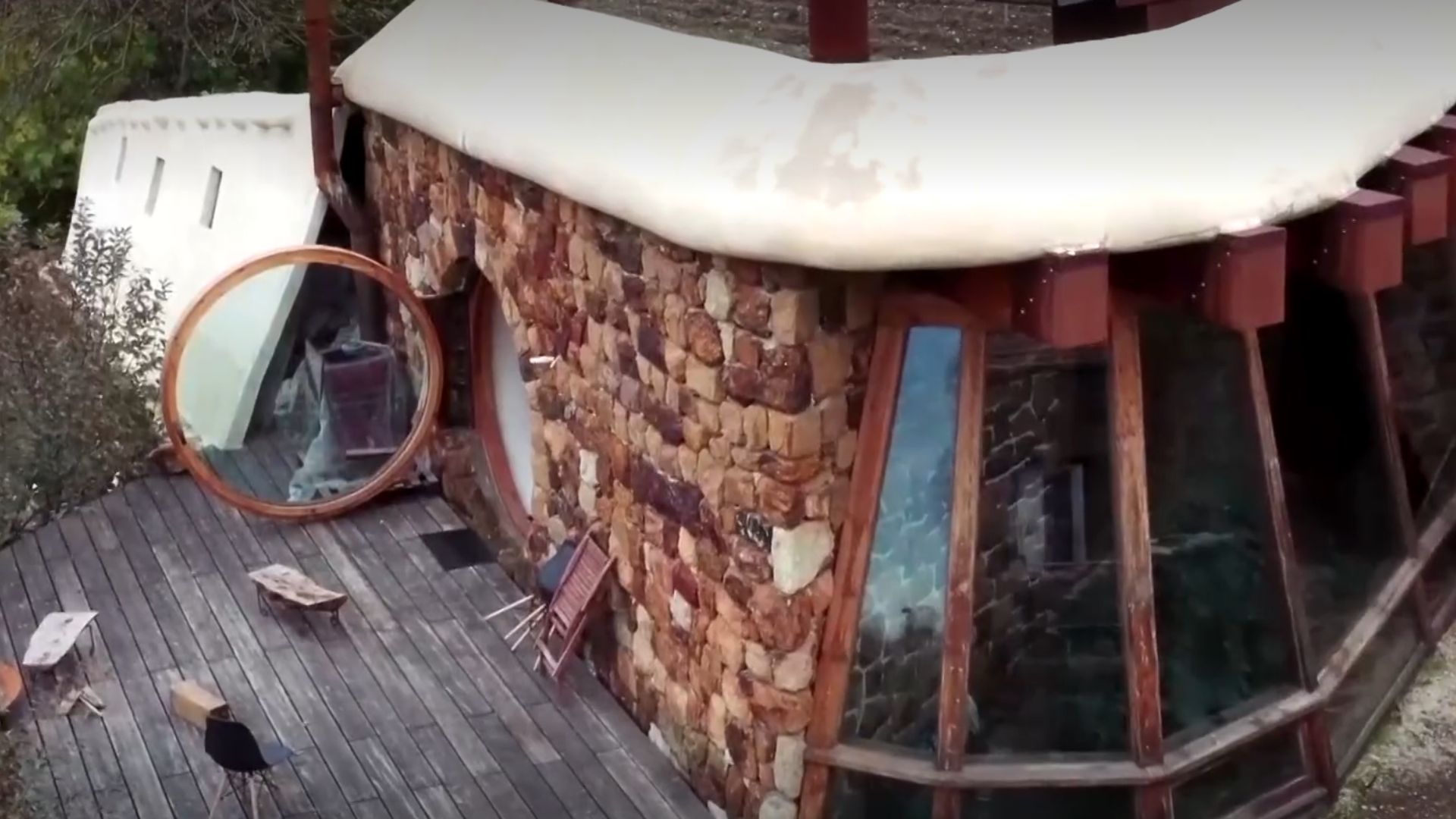
He buried 1,200 old tires in the walls to build his own self-sufficient house in the mountains with glass bottles, rainwater, and an integrated greenhouse.

Inside these “human boxes,” there are television, bed, mini-fridge, and stacks of objects filling every corner. The space is so cramped that you have to bend your legs to sleep or use the bed as a table. Still, the rent reaches R$ 1,400 per month, an amount that in many Brazilian capitals would pay for a medium-sized apartment.
The Daily Life That Fits In A Square
Miss Lee, one of the residents, lives surrounded by bags and a small dog, Bibi. “Living here is devastating. I miss my home. I want to go back to the world of my childhood,” she confesses.
Gam-Tin Ma, a neighbor in the hallway, sums up the coexistence: “We are just random people in the same place. We don’t want to be enemies or friends.”
In such confined environments, intimacy disappears and silence is a luxury. Noises, smells, and heat mix together. There is no privacy, only functional cohabitation. What was once a home has become just a resting point between work and tomorrow.
The Engine Of The Crisis: Inequality And Speculation
The phenomenon of coffin apartments is a direct consequence of the real estate bubble in Hong Kong, where the average price of a property is 20 times greater than the annual income of an ordinary worker.
The lack of available land and the dominance of a few real estate conglomerates have created a system in which housing has become a financial asset, not a social right.
According to experts, the precariousness of work with stagnant wages and long hours has pushed a portion of the population into these microstructures. It is a city that does not house its own workers, but reserves square meters of luxury for foreign capital.
Housing Policy In Collapse
For Betty Xiao Wang, a professor at the University of Hong Kong, the dilemma is ethical and logistical: “If the government banned coffin apartments, thousands of people would simply have nowhere to go.”
The lack of sufficient public housing makes the tiny cubicles an involuntary alternative, but the only possible one for those with low incomes who do not want to live on the streets.
Even with social housing projects underway, the waiting list exceeds years. The consequence is visible: improvised hallways as dormitories, kitchens shared by twenty people, and children growing in spaces without windows or direct sunlight.
The Urban Contrast: Luxury Above, Confinement Below
While the upper part of the city shines with glass towers and panoramic views, the social underground shelters an invisible population. Hong Kong boasts the largest number of skyscrapers on the planet, but also one of the highest population densities on Earth.
On the same block where a luxury apartment costs millions of dollars, there are people paying dearly for nine square meters of concrete, sharing the air and space.
This contradiction reveals a divided city, where modernity coexists with humanitarian collapse. Living has become a verb that, for many, means only surviving.
Between Pragmatism And Urgency
Local authorities argue that an immediate ban on these spaces would worsen the crisis, driving thousands to the streets. Social organizations, however, advocate for urgent structural reforms and housing subsidies, focusing on social rent, redistribution of idle areas, and construction of compact units with minimum dignity.
Meanwhile, the “coffin apartments” continue to proliferate, now sold as “micro-apartments” for single professionals in an attempt to normalize the compression of space and monetize scarcity.
The coffin apartments are more than an urban problem; they are a symptom of an exclusionary economic model. Living in Hong Kong has become a privilege, not a right, and what remains for thousands of people is merely to fit their lives into nine square meters.
Could you live in a coffin apartment out of necessity?
Do you believe that cities with a high cost of living, such as Hong Kong, São Paulo, or New York, are heading toward the same fate? Leave your opinion in the comments about how far the price of housing can go and what can still be considered “living”.










-

-

-

-

-

-

15 pessoas reagiram a isso.