





 Portuguese
  English
  Spanish
  4 min of reading
  0 comments


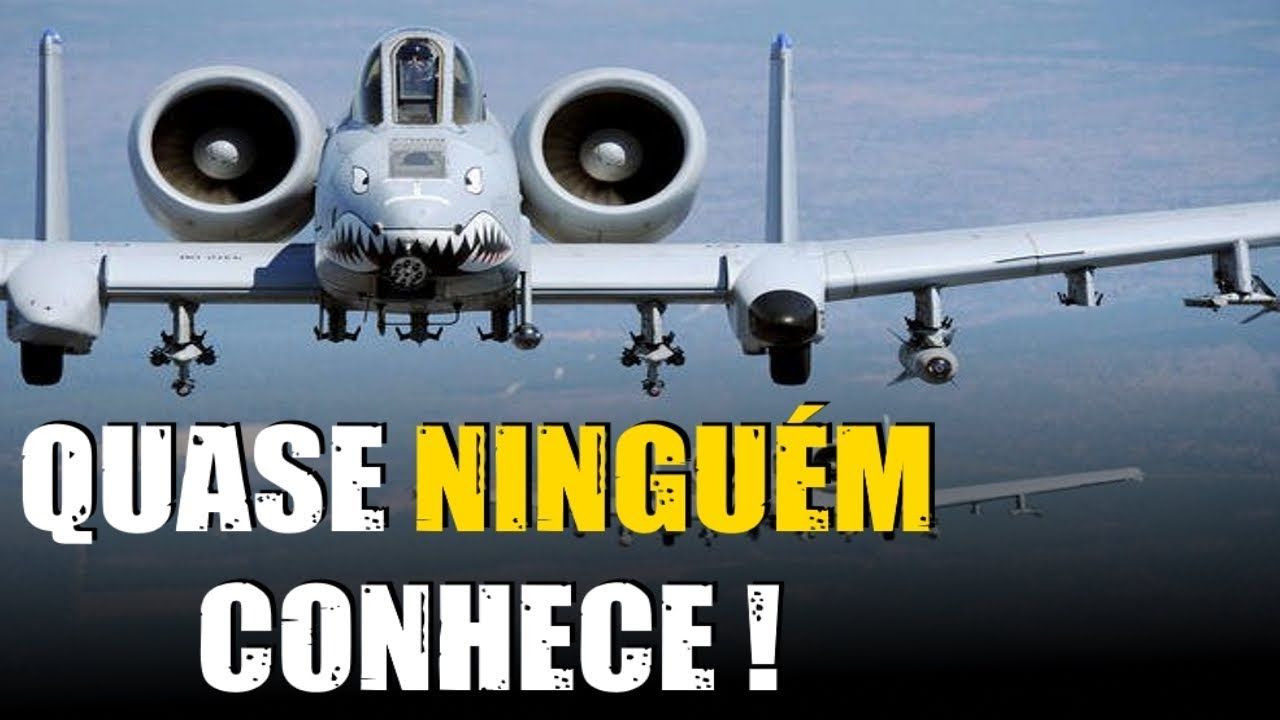
The Specialist Fernando De Borthole Explains The Destructive Capability And Durability Of The A10 Thunderbolt II, The Air Tank Of The United States.
One of the most respected and feared aircraft in ground attack missions, the A10 Thunderbolt II – commonly known as “Warthog,” is one of the main aircraft of the United States Air Force, specifically designed for Close Air Support (CAS). Developed by Fairchild Republic, the plane was created during the height of the Cold War to efficiently tackle ground threats, especially in conflict scenarios where troops and armored vehicles need direct air protection.
The specialist Fernando De Borthole, private pilot for 20 years, commented that the A10 Thunderbolt II is “a true air war tank,” capable of withstanding significant damage and still returning safely. This military aircraft was conceived as a unique weapon, developed around its GAU-8 Avenger cannon, which fires projectiles capable of piercing armor and destroying heavy vehicles at distances of up to 1,200 meters.
Origin And Purpose Of The A10 Thunderbolt II
The creation of the A10 Thunderbolt II dates back to the times of the Vietnam War and the growing threat of the Soviet tank fleet. In the 1960s, the U.S. recognized the need for a military aircraft that could support ground operations and eliminate tanks on a large scale.
-
A forgotten cord on the floor of a basement in Vienna leads a plumber to a box containing 30 kilograms of gold with Mozart’s face, hidden before World War II. The treasure, worth 2.3 million euros, was just centimeters away from a worker who ignored the sign a day earlier.

-
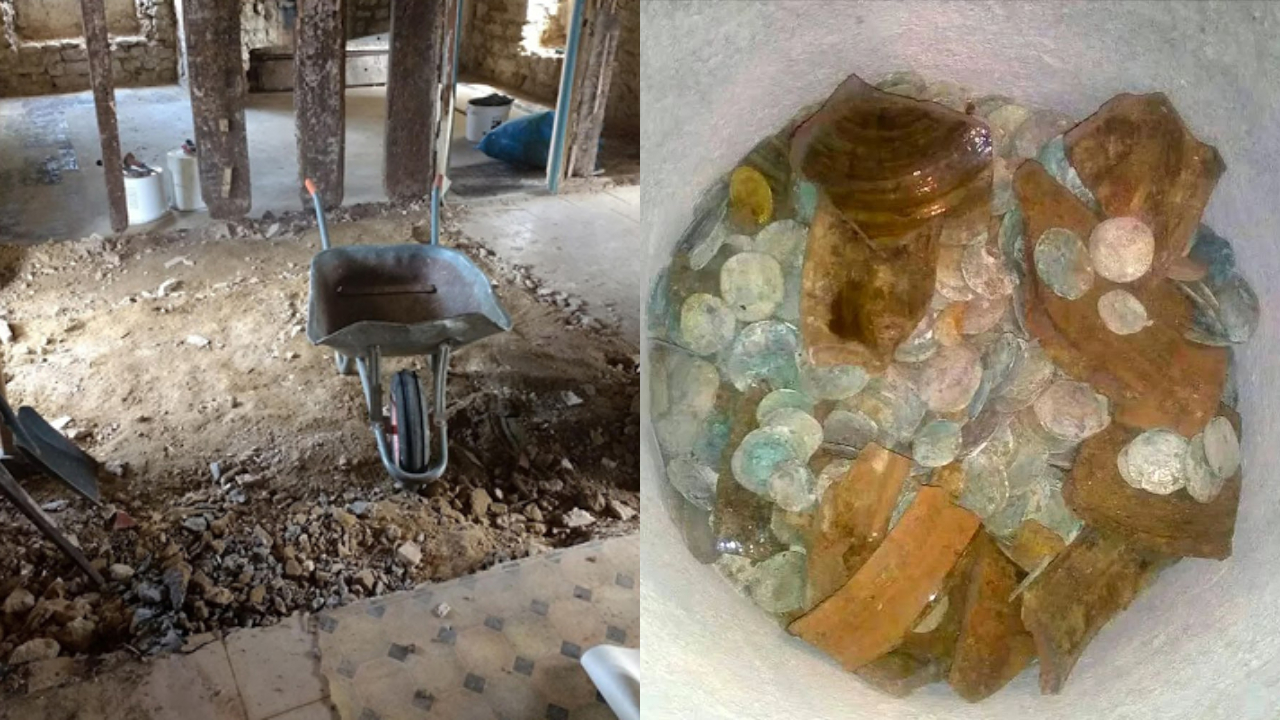
A couple buys an old chalet, breaks the kitchen floor for renovation, and finds over a thousand coins of gold and silver hidden since the English Civil War over 4 centuries ago.
-
Rigid bags with their days numbered: new trend prioritizes comfort in 2026.

-
YouTuber creates an excavator equipped with a giant 4.5-meter sword to challenge his brother to a rematch, and the invention quickly goes viral on social media.


In 1966, the “A-X” program emerged, aimed at creating an aircraft powerful and agile enough to withstand intense combat missions. In 1970, the U.S. Air Force launched a proposal for an aircraft to equip a new 30 mm rotary cannon, the GAU-8 Avenger, which would become the centerpiece of the design.
After a long testing process and competitions, Fairchild Republic won the bid with the design that would become the A10 Thunderbolt II. This military aircraft was designed to withstand attacks and operate on short and unpaved runways, carrying up to 7 tons of bombs and missiles.
Characteristics And Armament Of The A10 Thunderbolt II
The robust structure of the A10 Thunderbolt II includes two General Electric TF34 turbofan engines, providing sufficient power for quick takeoffs and efficient low-altitude maneuvers without losing stability. This military aircraft has titanium armor that protects the pilot and vital areas against fire from up to 23 mm rounds and 37 mm shrapnel, allowing it to operate close to the ground where the risk of attack is highest.
The GAU-8 Avenger cannon, the centerpiece of the A10’s design, is one of the most powerful in military aviation, capable of firing 3,900 rounds per minute. Designed to eliminate tanks and armored vehicles, the cannon can destroy even the most modern tanks with its depleted uranium projectiles, which Fernando De Borthole emphasizes as “capable of penetrating any armor they encounter along the way.”
Decisive Role Of The A10 Thunderbolt II In Conflicts
Since its introduction into the U.S. Air Force in 1977, the A10 Thunderbolt II has participated in various conflicts, such as the Gulf War, Kosovo, and Afghanistan, where it demonstrated its combat effectiveness. According to records, this military aircraft has been responsible for destroying over 950 tanks, 1,300 trucks, and 281 military structures, solidifying its position as an essential tool for the U.S. Army.
Over the years, the Pentagon has considered replacing the A10 Thunderbolt II with a more modern aircraft, but the efficiency and durability of this “air war machine” have made this task nearly impossible. With an expected operational lifespan until 2040, the A10 Thunderbolt II is set to reach a total of 63 years of service – a testament to its importance in military aviation.
Technology And Redundancy


Another highlight of the A10 Thunderbolt II is the series of safety redundancies, such as its dual tail that helps maintain stability even in case of damage. The main landing gear does not fully retract, which facilitates emergency landings without affecting the fuselage. The layout of the engines, mounted at the rear, protects against object ingestion and allows for quick maintenance.
Fernando De Borthole states that “the engineering of the A10 was designed so that the aircraft could continue operating even in extreme conditions, and this durability is what makes it so feared and effective.” The A10 Thunderbolt II continues to be, for pilots and soldiers on the ground, a symbol of safety and power.







-

Uma pessoa reagiu a isso.