





 Portuguese
  English
  Spanish
  3 min of reading
  0 comments


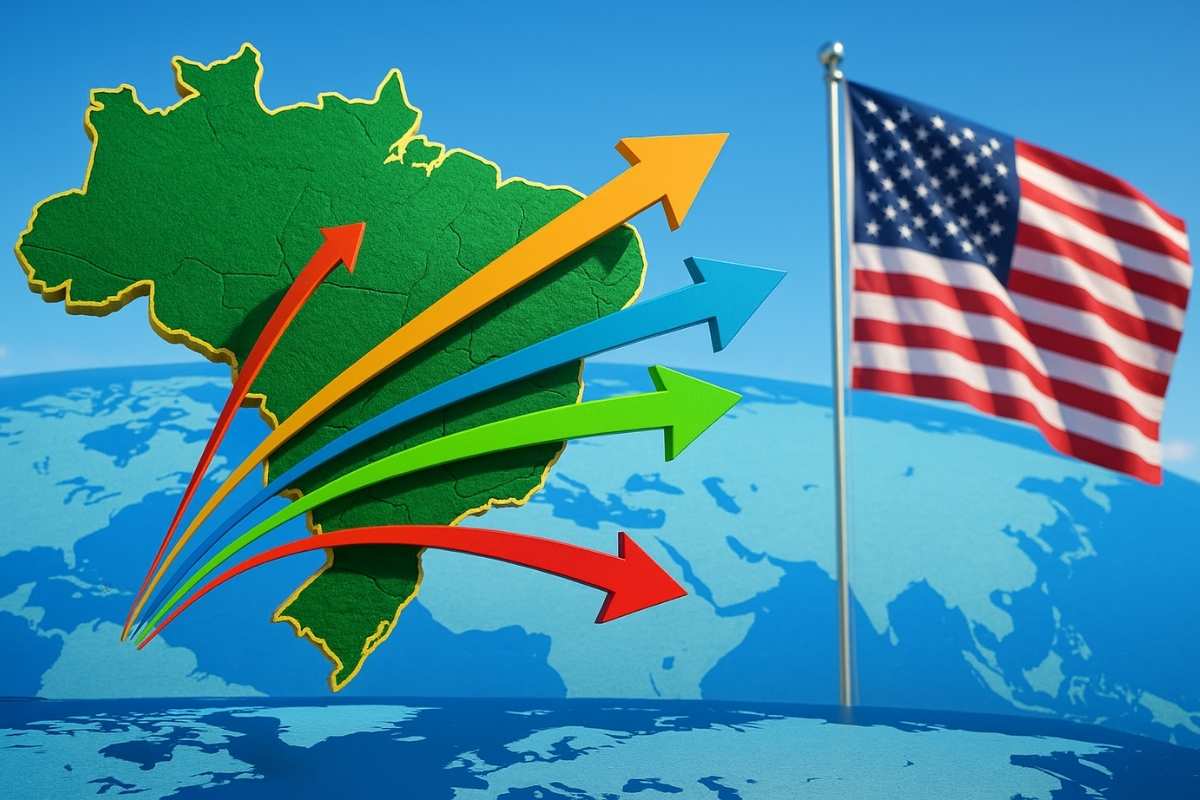
Minister of Agriculture Highlights That Commercial Diversification Minimized Effects of 50% Tariffs Imposed by the United States.
The opening of 437 new markets since 2023 has provided Brazil with strategic alternatives to face the 50% tariff imposed by the United States on agricultural products. According to UOL, the measure reduced the direct impact on exports and expanded opportunities for agribusiness.
Minister of Agriculture, Carlos Fávaro, stated that the U.S. remains an important buyer, but that diversification has brought security to the sector. Markets such as China and Mexico have started to absorb significant volumes of coffee and beef, compensating for part of the restrictions imposed by the U.S. government.
New Markets and Protection Against the Tariff
The strategy of opening 437 new markets in less than three years has been deemed essential by the government to reduce dependence on a single partner.
-
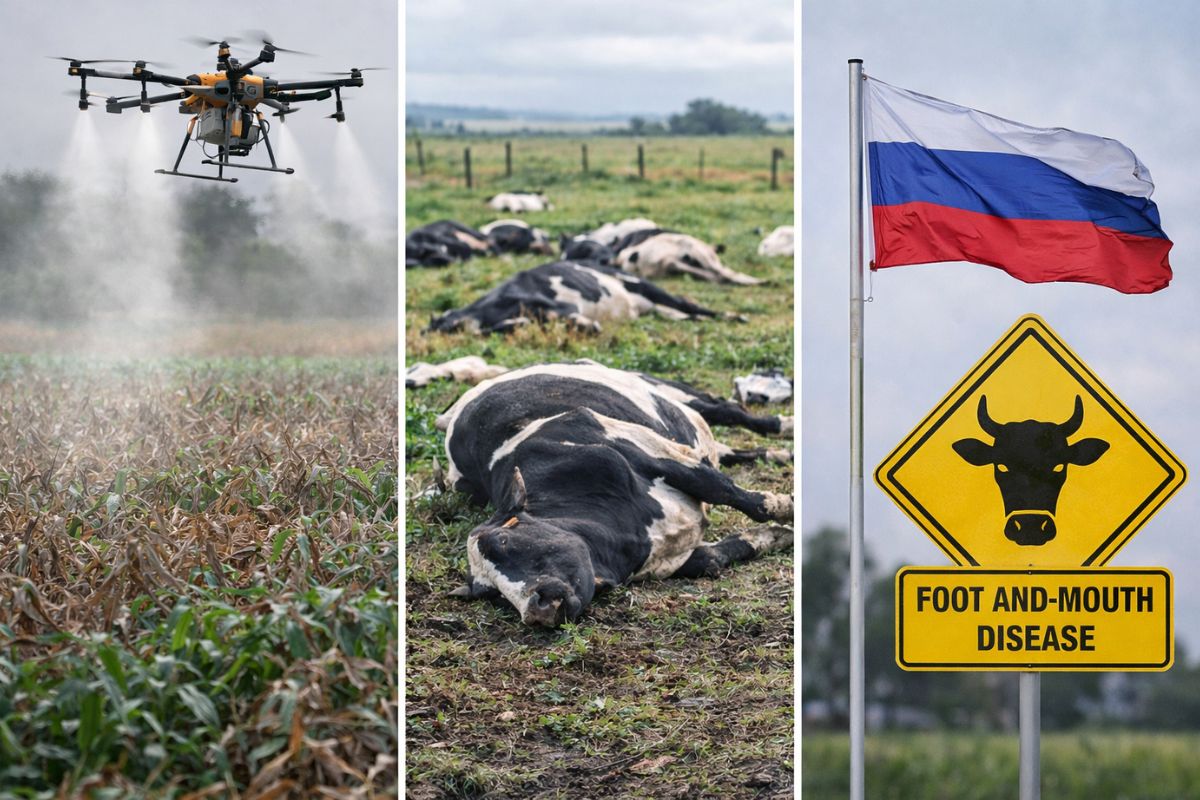
Agricultural drone sprayed poison into the air and destroyed the neighbor’s crops, causing 1 million in damages; 48 cows died from nitrite poisoning in the pasture, and Russia is hiding a possible outbreak of foot-and-mouth disease: the week was brutal for the rural sector.
-
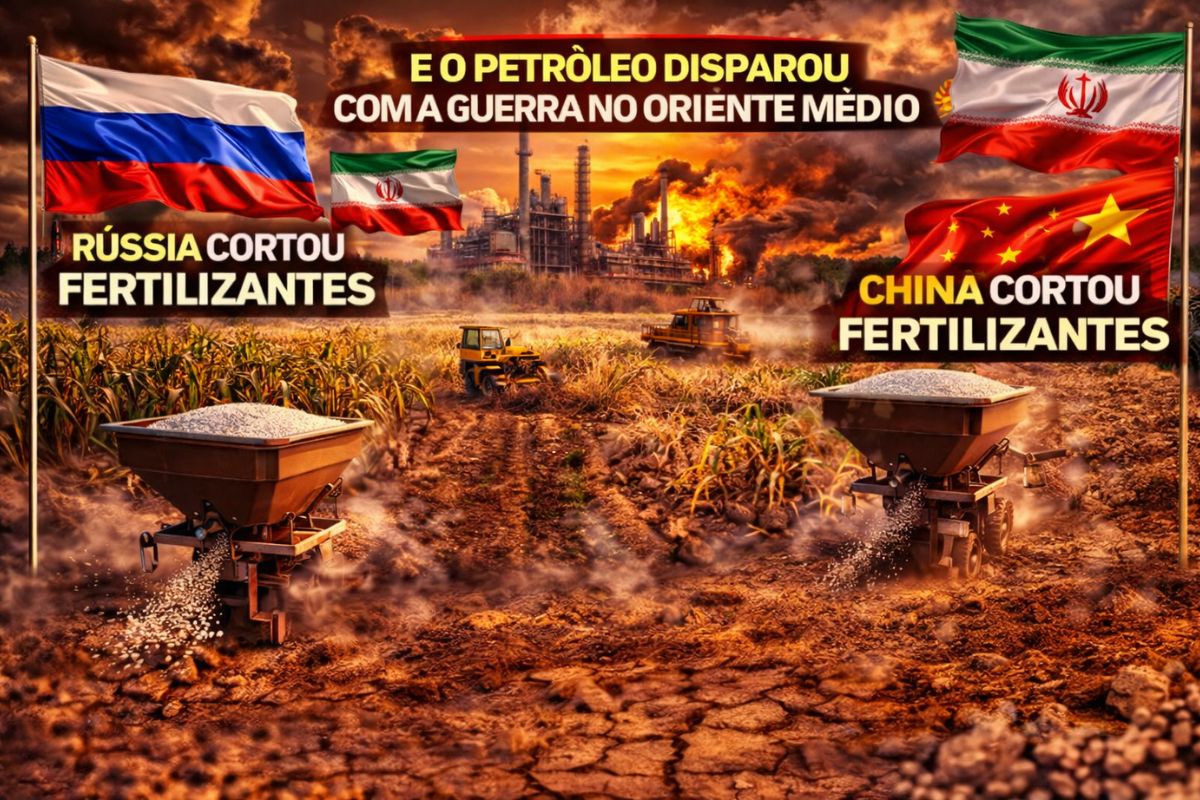
Russia cut fertilizers, China cut fertilizers, and oil prices soared with the war in the Middle East: sugarcane producers in the interior of São Paulo are seeing costs explode from all sides and warn that the effects will take months to be absorbed.
-
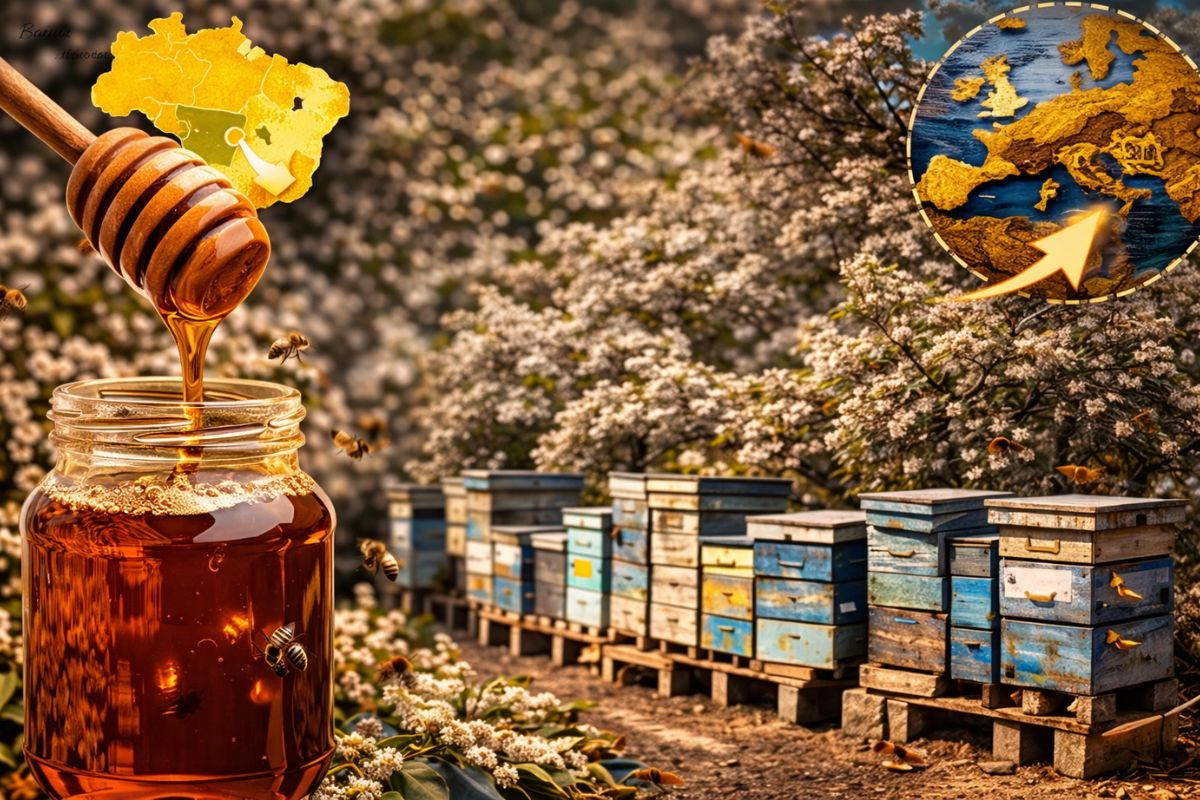
It does not come from flowers, is produced only every two years, and more than 90% goes straight to Europe: meet the bracatinga honeydew honey from Santa Catarina, considered one of the rarest in the world and overlooked by Brazil itself.
-
They said no to 26 million dollars and would do it all over again: mother and daughter from Kentucky reject a million-dollar offer from a mysterious company that wants to build the largest data center in the state on more than 2,000 acres of rural land.


For Fávaro, Brazil has managed to avoid greater losses precisely because it sought diversification.
UOL notes that the expansion has included countries in the Middle East, in addition to progress in the Mercosur-European Union agreement and closeness with BRICS.
This opening has been fundamental for the agriculture sector to maintain its growth rate, even amid measures considered protectionist by the United States.
Without this alternative network of destinations, the financial impact could have been much greater.
Concrete Examples of Redirection
Among the cases highlighted by the minister is coffee, which gained traction in the Chinese market.
Exports increased from US$ 280 million in 2023 to almost US$ 1 billion in 2024, reflecting the growing demand among young Chinese consumers.
Another example is beef: Mexico, which had not purchased from Brazil until 2023, has become the second largest customer for this product.
These examples demonstrate how the opening of new markets can create quick alternatives in the face of trade crises, ensuring that Brazilian production does not become stagnant.
For agribusiness, this type of movement is crucial to preserving income, jobs, and competitiveness.
Diplomatic Relations and Sovereignty
Despite the diversification strategy, the Brazilian government has made it clear that it seeks dialogue with the United States.
Fávaro stated to UOL that there is willingness to negotiate, but emphasized that national sovereignty is inviolable.
For him, the American stance jeopardizes 201 years of good bilateral relations by mixing trade issues with internal political disputes.
The minister also criticized the threat of new retaliations by the American Secretary of State, stressing that Brazil is prepared to respond firmly if additional measures are adopted.
“We will face it with dignity and our heads held high,” he said.
Prospects for Brazilian Agribusiness
Even with the 50% tariffs, Brazil has managed to preserve strategic markets such as orange juice, cellulose, and cocoa, which were excluded from the tariff.
The government announced financial support for affected exporters and continues to invest in opening new markets to maintain the dynamism of external sales.
UOL highlighted that diversification will continue to be a priority.
By reducing dependence on a single partner, Brazil strengthens its position in international trade and demonstrates that agribusiness can withstand external pressures.
The opening of 437 new markets has proven decisive in protecting Brazil from the full impact of the United States’ tariff.
The movement reinforces the importance of commercial diplomacy and diversification of destinations for agribusiness.
Do you think this strategy of seeking new markets is enough to protect Brazil from future trade crises? Or does the country still depend too much on large economies? Leave your opinion in the comments — we want to hear from those who experience this in practice.







Seja o primeiro a reagir!