





 Portuguese
  English
  Spanish
  3 min of reading
  0 comments



Partnership with Belgian Entities Aims to Strengthen Brazil’s Position in the Global Low-Carbon Hydrogen Market and Open Doors for Exports.
The Brazilian Association of Green Hydrogen Industry (Abihv) signed a Letter of Intent for Cooperation with the Belgian Hydrogen Council (BHC) and Flanders Investment and Trade (FIT). The signing took place on Wednesday (21/5) in Amsterdam. The agreement seeks to identify and develop opportunities for the Brazilian market in Belgium.
Strategic Partnership Boosts National Green Hydrogen
The Brazilian Association of Green Hydrogen Industry (Abihv) considers the signing of the Letter of Intent an “important step in building strategic partnerships between Brazil and Belgium”. The event, held in Amsterdam, Netherlands, was supported by the Brazilian Agency for Promotion of Exports and Investments (ApexBrasil).
Fernanda Delgado, CEO of Abihv, commented on the agreement. “The signing of this letter represents the strengthening of bilateral relations and the recognition of Brazil’s potential in the global low-carbon hydrogen scenario”, she stated. For her, “it is a significant advancement for Brazil’s positioning as a protagonist in the global energy transition”.
-
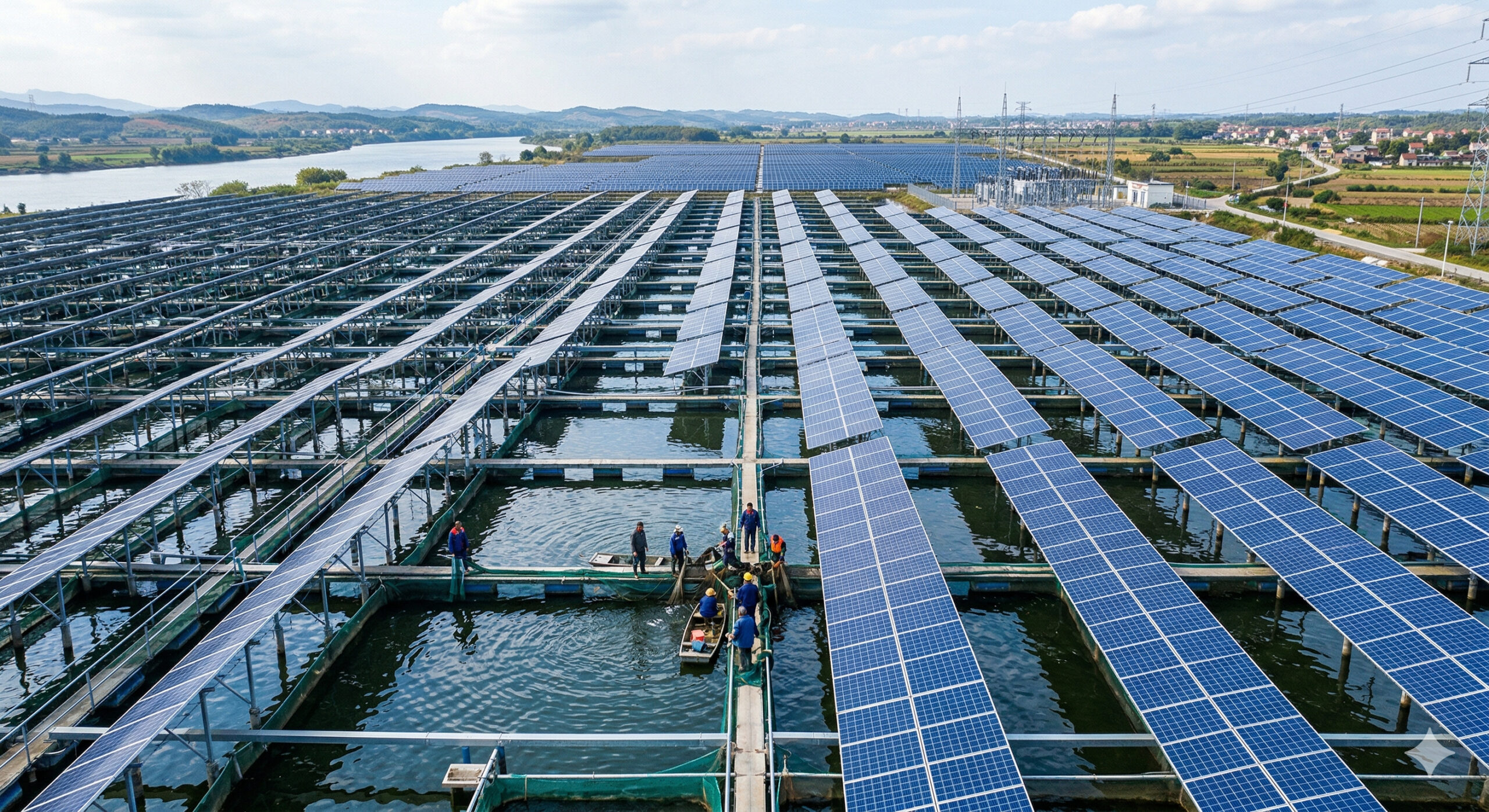
China bets on the Fishery-PV model and transforms fish farms into giant solar plants, covering ponds with panels that generate energy while utilizing the same space for large-scale aquaculture production.
-
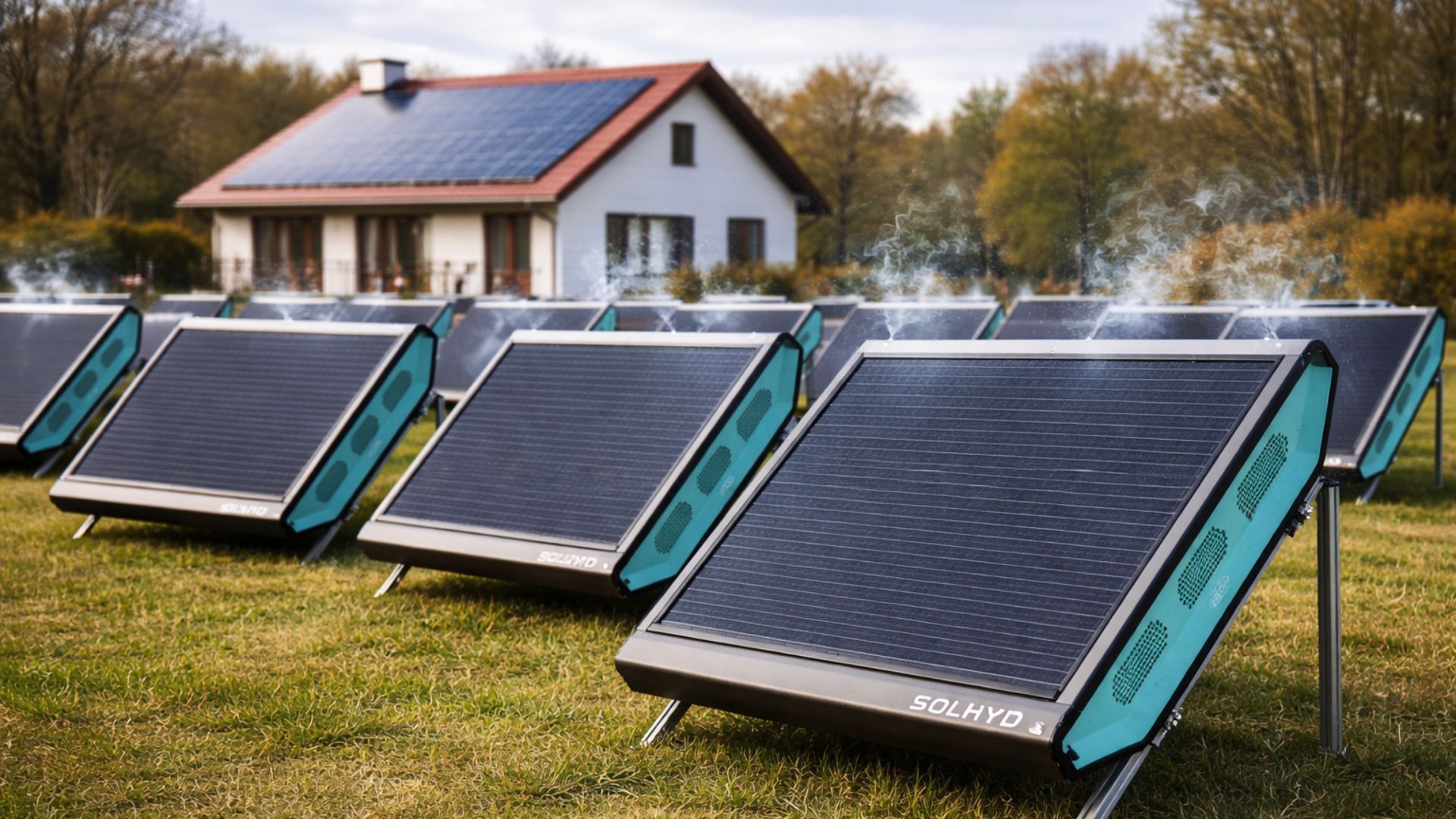
Green hydrogen at home: Belgium launches new technology that makes solar panels produce fuel from the moisture in the air, which could boost the energy transition.
-
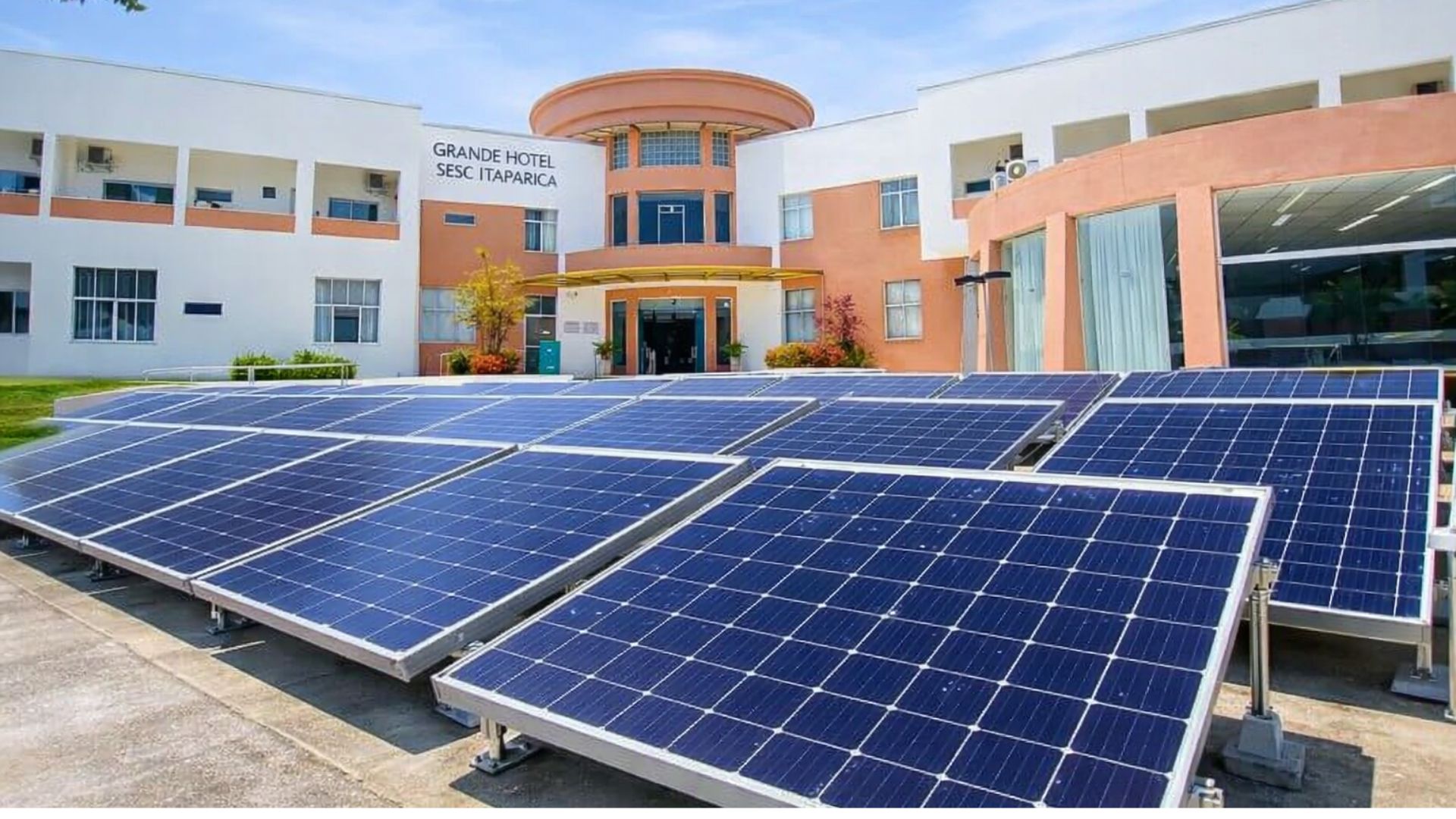
Sesc-BA bets on renewable energy with the support of EDP and drives the energy transition with a direct impact on cost reduction and the sustainability of its operations in Bahia.
-
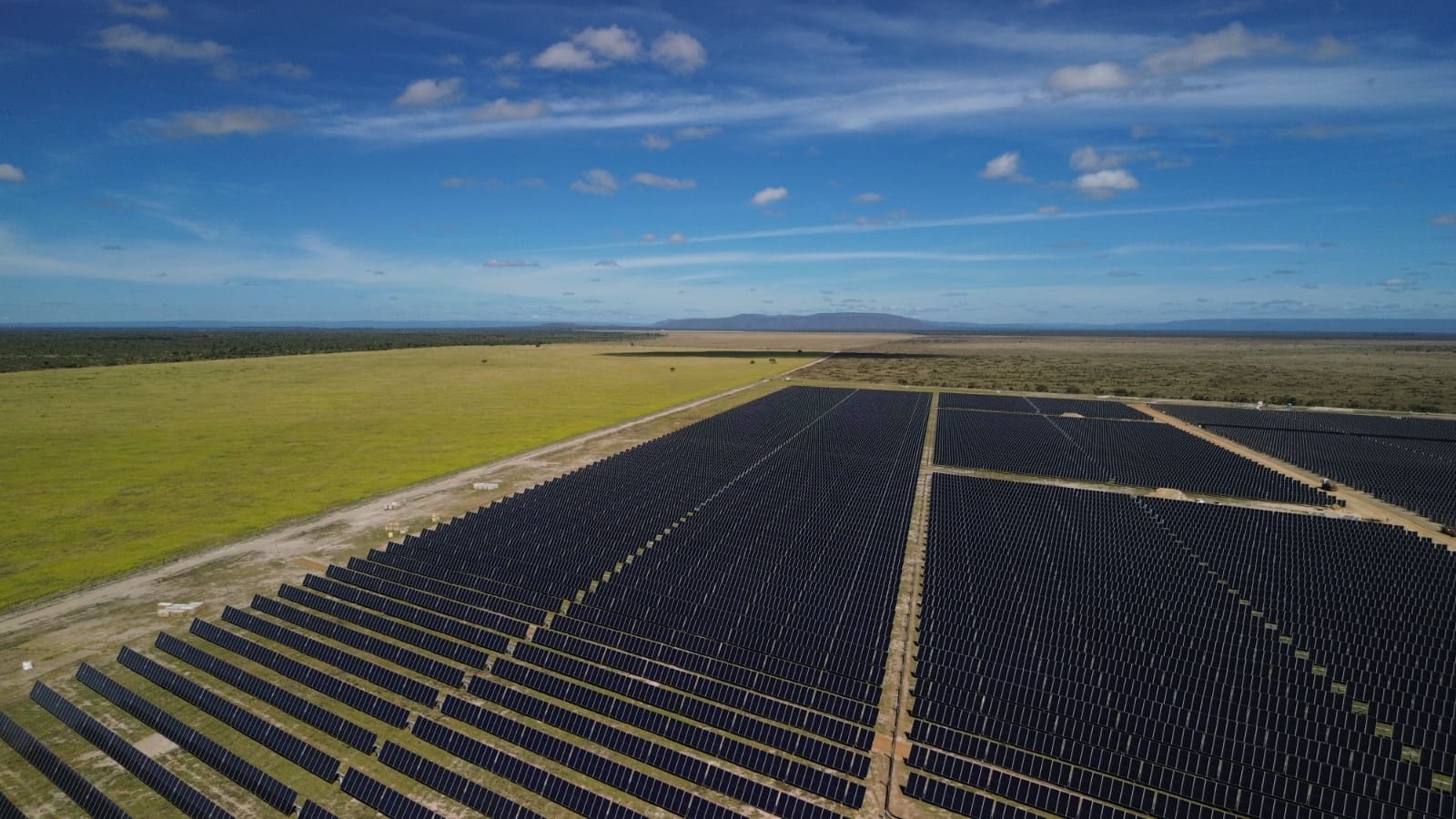
Technology giant breaks global sustainability records: How Amazon’s leadership in renewable energy procurement transformed the global energy market in the past year.


Details of Brazil-Belgium Cooperation for Hydrogen
The agreement stipulates cooperation in several crucial areas for the hydrogen sector. Among these are production, supply chain, certification, technological innovation, and infrastructure. These areas are aimed at both the energy vector and its derivatives.
As one of the next steps, the creation of a joint task force is planned. This task force will gather Abihv, BHC, and FIT. Its objective will be to identify and develop concrete collaboration opportunities. In addition, it will seek to engage strategic sectors, including the private sector, academia, and government authorities from both countries.
Previously, in April, Abihv had already signed a similar agreement. The association signed a memorandum for cooperation among its member companies and the Japanese Bank for International Cooperation (JBIC). This agreement also focused on the hydrogen sector and its derivatives, such as green ammonia.
Market Context in Belgium
The Belgian government has implemented a series of measures. The goal is to develop the hydrogen market in the country as part of its national strategy.
One of the main actions was the Hydrogen Transport by Pipelines Law. Published in 2023, the law established the designation of a hydrogen network operator. This operator is responsible for the planning, development, and management of transport infrastructure. Fluxys, one of the largest gas infrastructure operators in Europe and controlling 30% of TBG (Gasbol), was chosen.
Infrastructure and Belgian Ambitions: An Opportunity for Brazil
The Belgian government approved a significant financial package. There are €250 million to support the construction of connections with Germany. The amount also aims to develop the hydrogen network among major Belgian industrial hubs, such as Ghent, Antwerp, Mons, Charleroi, and Liège.
Fluxys has already identified the necessary corridors. These corridors aim to connect France, Belgium, Germany, and the Netherlands, targeting large importing markets and hydrogen consumers. However, the slow pace in the development of hydrogen demand led the operator to revise its strategy. Fluxys is now focusing on constructing a small section of the network, linking the ports of Ghent and Antwerp.
The Port of Antwerp-Bruges is one of the pioneers in the hydrogen economy. It aims to take a leadership position as a European hub for green hydrogen import starting in 2026. To achieve this, the port is considering potential exporters, including Chile, Oman, Namibia, the USA, Canada, Egypt, and Brazil.
With information from the website: Eixos







Seja o primeiro a reagir!