





 English
  Francês
  Alemão
  Italiano
  Japonês
  Norueguês
  Portuguese
  Spanish
  3 min of reading



The Agreement for Solar Energy Generation Between the Energy Giants Was Signed During an Event in Germany
The Brazilian Solar Photovoltaic Energy Association (Absolar) has just signed a cooperation agreement with the National Solar Energy Federation of India (NSEFI), marking an important milestone in international collaboration for solar energy development. The partnership aims to strengthen the solar sectors of both countries, increase investments, and open new business opportunities, with a special focus on using photovoltaic solar energy and synergistic technologies to drive the energy transition, according to the Portal Solar website.
The agreement was formalized during the Intersolar Europe event, held in Munich, Germany, in June. The initiative aims to accelerate the growth of solar energy markets in both Brazil and India. Additionally, it intends to promote the exchange of experiences, best practices in terms of policies, programs, and incentives, as well as attract new investments to create jobs and business opportunities in the solar energy sector.
India and Brazil as Global Solar Highlights
The numbers make it clear why this partnership is so significant. According to the International Renewable Energy Agency (IRENA), by the end of 2022, India was the fifth country with the highest installed capacity of photovoltaic solar energy, with over 62 GW in operation. Meanwhile, Brazil ranked tenth, with 24 GW. Both countries are also leaders in annual additions of new solar capacity.
-
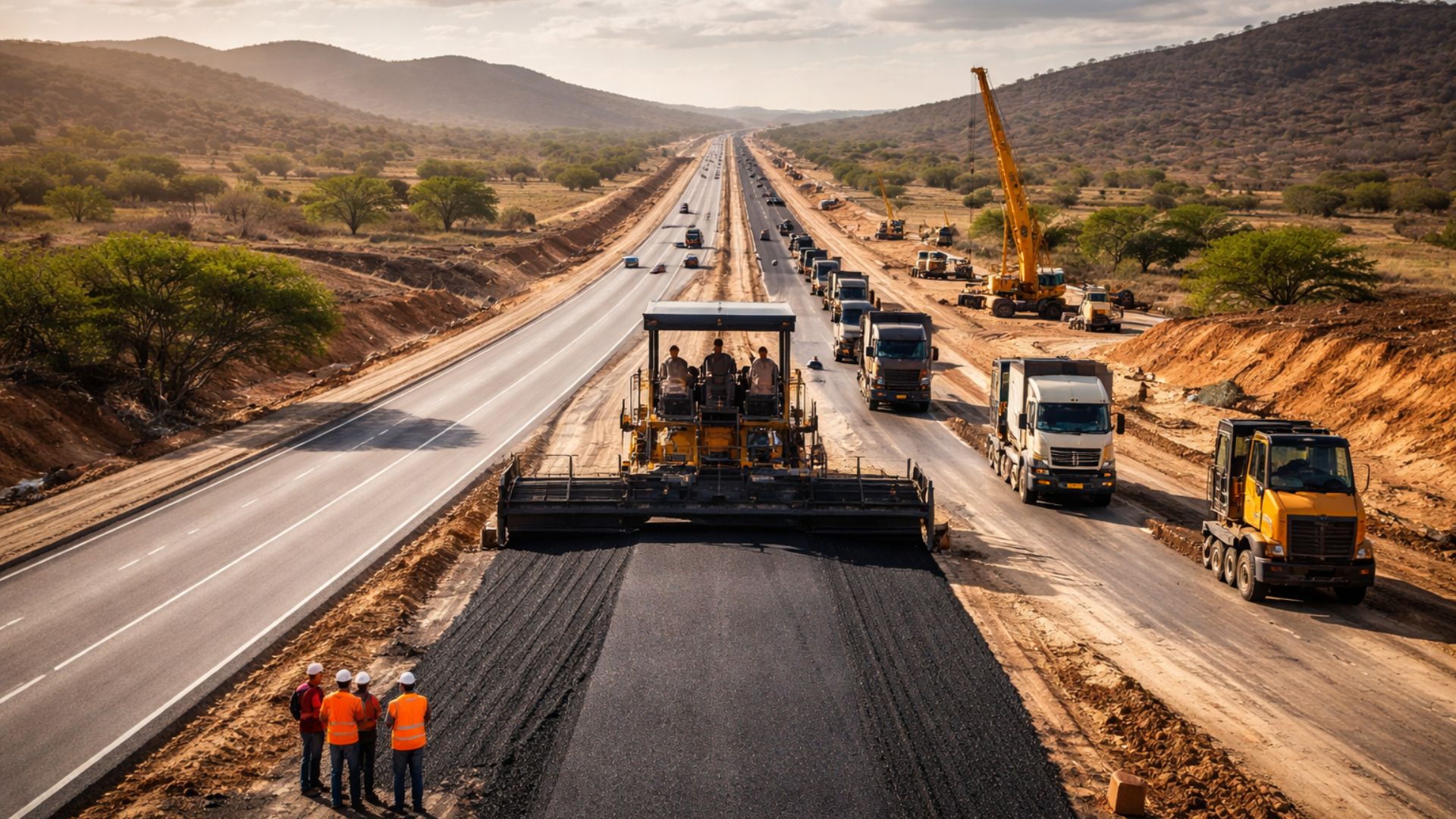
Government unlocks R$ 554 million for a highway that has been requested for decades and accelerates the duplication of BR.
-
Without bricks, without cement, and without endless construction: the cardboard house that is assembled in modules and can be moved.

-
Billions of barrels on the equatorial margin could lead Amapá to double its oil production in Brazil — the state aims to enter the route of companies in the Campos Basin, attract investments, and boost jobs and businesses in the oil and gas sector.

-
Without bricks, without cement, and without endless construction: the cardboard house that is assembled in modules and can be moved.

Rodrigo Sauaia, CEO of Absolar, emphasized the relevance of the agreement and the potential for collaboration: “India has ambitious goals in solar energy and has made remarkable advancements in local manufacturing, off-grid solar energy, microgrids, and mini-grids. Absolar and NSEFI will join forces to transform the energy transition into an opportunity for socio-economic and environmental development in Brazil and India.”
Important Collaboration Between Energy Companies
Subrahmanyam Pulipaka, CEO of NSEFI, also highlighted the importance of collaboration, reinforcing Brazil’s crucial role in the global energy transition journey. He stated, “While India and Brazil can take pride in being two of the four countries with over 150 GW of installed renewable capacity, there is still a long way to go to meet our climate goals. Thus, on this journey for energy transition, we believe Brazil is a valuable partner and our synergies can be explored in the areas of equipment manufacturing, micro and mini grid applications, and storage applications, including reversible storage.”
The partnership between Absolar and NSEFI not only reflects the pursuit of cleaner and more sustainable energy but also highlights the importance of global collaboration to achieve ambitious climate and energy goals. The union of these two leading organizations is set to significantly boost the solar energy sector in both countries, opening doors to a greener and more resilient future.






Seja o primeiro a reagir!