





 Portuguese
  English
  Spanish
  5 min of reading
  80 comments


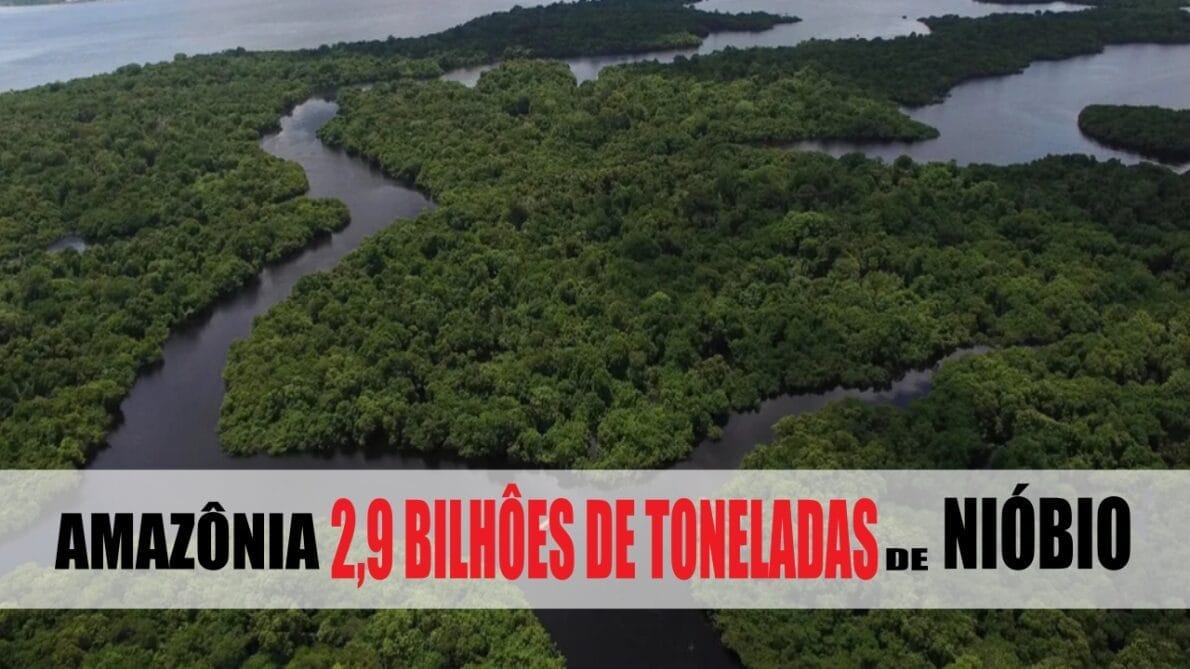


In Brazil, the Largest Niobium Reserve on the Planet: Estimated at 842 Billion Tons, with the Largest Deposits Concentrated in the States of Minas Gerais (75% of the Total), Amazonas (21%), and Goiás (3%).
The Mining Revolution is in the Amazon! A rare mineral on the planet, but found in abundance in Brazil, is seen as essential for the high-tech industry and has experienced a surge in demand in recent years. This metal has generated controversies and a series of suspicions, in addition to conflicting information that spreads on the internet, fueling conspiracy theories and myths about its real importance for the global economy and its potential to increase Brazil’s Gross Domestic Product (GDP). This is niobium, a chemical element used as an alloy in the production of special steels and one of the most corrosion-resistant metals at extreme temperatures.
Although the mineral is found in the soil of various countries, 98% of the known reserves worldwide are located in Brazil. Currently, the country is responsible for more than 90% of niobium traded globally, followed by Canada and Australia. In Brazil, the reserves are estimated at 842 billion tons, with the largest deposits concentrated in the states of Minas Gerais (75% of the total), Amazonas (21%), and Goiás (3%).
-
Historic bankruptcy of Centauro shocks the market, and the century-old company puts more than 500,000 products, machines, and complete infrastructure up for online auction.
-
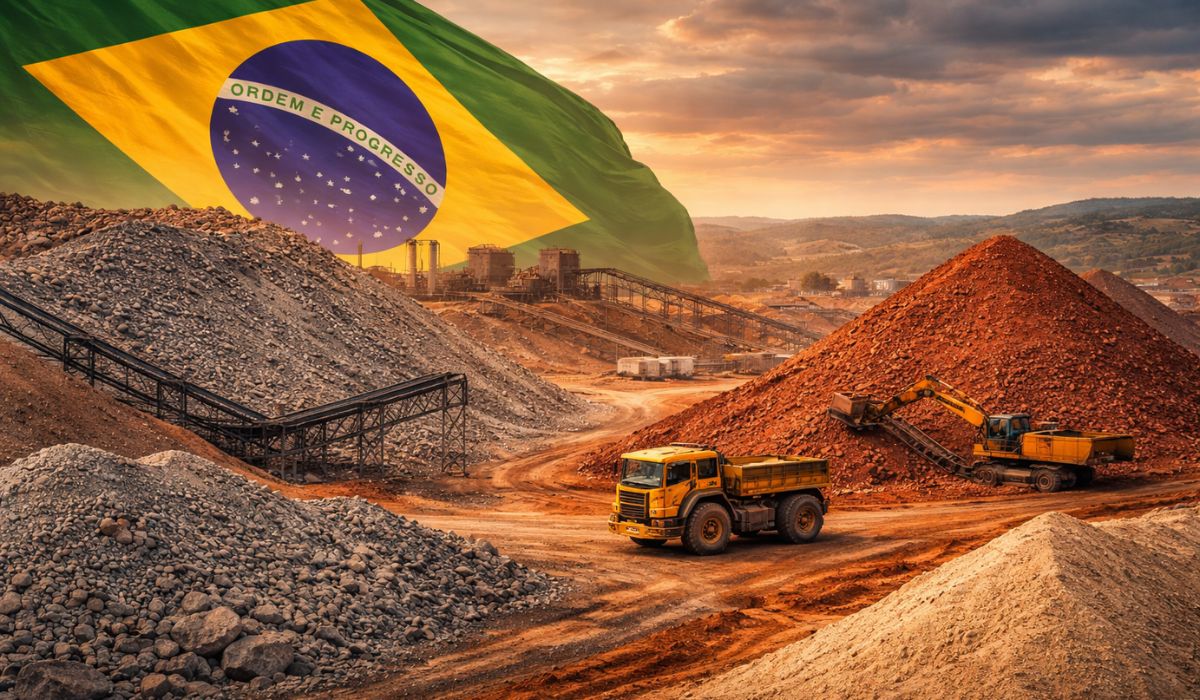
Brazil extracts 26.3 million tons of ore from what was previously treated as waste, transforming residues into wealth, producing over 3 million tons of sand, and demonstrating how national mining is relearning to generate value.
-
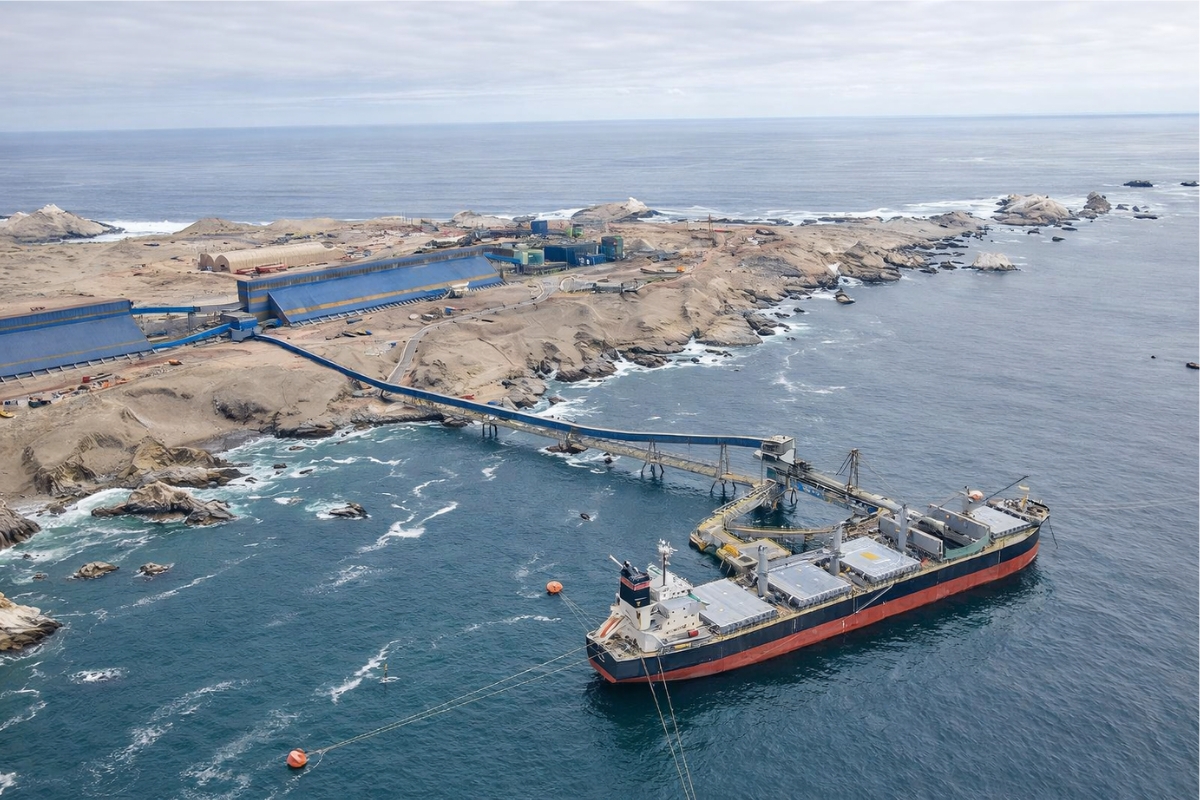
A $3.5 billion megaproject in Latin America pumps desalinated seawater at 1,050 liters per second over 194 km to keep a copper supermine in the Andes operational for another 20 years.
-
New shoe factory in Ceará is expected to create 400 jobs and strengthen the local economy.
According to the report from the National Mining Plan 2030, Brazil currently explores 55 mineral substances, being responsible for over 4% of the world’s production. The country is a global leader only in niobium production. In the case of other minerals where Brazil also stands out, such as iron and manganese, the participation in global production does not exceed 20%.

They Covet the Niobium of the Amazon, One of the Largest Reserves in the World!


It is in the municipality of São Gabriel da Cachoeira, in Amazonas, that one of the largest niobium deposits in the world is found. In the Amazon rainforest, the territory lies between the border of Brazil with Venezuela and Colombia. In addition to niobium, it is worth noting that the Amazon has a great mineral diversity, including precious ones such as gold, diamonds, tantalite, and cassiterite.
Although the total estimated niobium in the reserve is around 2.9 billion tons, the second largest on the planet, the area cannot be explored due to its location in indigenous territory and within the protected environmental areas of the Pico da Neblina National Park and the Morro dos Seis Lagos State Biological Reserve.
Besides the Amazon, another major and primary niobium reserve in operation worldwide is located in the city of Araxá, in the Triângulo Mineiro and Alto Paranaíba regions. In Araxá alone, the reserves are estimated at over 800 billion tons of ore, a volume sufficient to ensure more than 100 years of production, maintaining the current demand. However, if the mining deposits in underground rocks are considered, the exploration capacity is estimated at over 400 years.
Currently, the niobium produced in Minas Gerais by CBMM is exported to over 50 countries, with greater potential to serve steelmaking companies. In 2022, niobium production in Brazil generated revenues exceeding R$ 137 million, consolidating the country as the world’s largest producer of this mineral.
According to the Ministry of Mines and Energy, Brazil has a niobium beneficiation chain, allowing for the export and internal use of by-products resulting from extraction. Private sector information indicates that this production chain generates over 7,000 direct jobs in the national territory.
The National Mining Plan 2050 foresees that niobium production will reach 171,700 tons by the year 2050, being crucial for boosting the Brazilian economy. “These projections highlight the relevance of mining for Brazil’s development and the growth of mining regions,” the Ministry stated in an official communication.
Exploration of Precious Minerals in Indigenous Areas
According to Marcelo Almeida, the manager of Geology and Mineral Resources at CPRM-AM, even conducting research in indigenous territories needs to be authorized. He reports that the indigenous people themselves mine the reserves in the Amazon, although the practice is considered illegal.
It is in the Amazon rainforest in indigenous territories that the most precious ores are found, such as gold and diamonds located in Western Roraima; in the Alto Rio Negro where gold and tantalite are concentrated; in Southern Amazonas, cassiterite is found in the igarapé Preto. “Occasionally, the area of the reserve located in the igarapé Preto is reclaimed by miners.
For mineral exploration to be legalized, it is necessary to issue environmental impact reports and obtain environmental and research permits, among other documents; as well as the payment of taxes.
Almeida advocates for the legalization of mineral extraction on indigenous lands, as the establishment of organized companies could be a solution to combat the proliferation of illegal mining. “From the moment the indigenous person is acculturated and needs to use financial resources to cover their expenses.
For him, “it is better to have controlled mining, which will create jobs and collect taxes. In addition to being charged for any environmental damages caused.”
Use of Niobium
It Seems Magical. You throw a handful of niobium, just 100 grams, into a ton of steel – and the alloy becomes much stronger and more malleable. Cars, bridges, airplane turbines, MRI machines, missiles, pacemakers, nuclear plants, sensors for space probes… practically everything that is electronic, or involves steel, gets better with a little niobium. The rockets of the American company SpaceX, the most advanced in the world, contain niobium.
The LHC, the largest particle accelerator on the planet, and the D-Wave, the first quantum computer, also do. Everyone wants niobium – and almost all global reserves of this metal, 98.2%, are in Brazil. We have the equivalent of 842 million tons of niobium, worth an incredible US$ 22 trillion: double China’s GDP, or twice the total oil from the pre-salt. For this reason, some say that niobium could be Brazil’s salvation, the key for the country to develop and become a global power.
I would love to know if you already knew about niobium and that Brazil is the largest producer and exporter of this mineral. Share your thoughts constructively in the comments section. Don’t forget to leave 5 stars and activate CPG notifications to keep up with all the latest news in the mining world. See you next time!








Eu estudo o Nióbio. Foi tema de minha dissertação de mestrado e de doutorado. tenho muito interesse em receber notificações a respeito.
Estive em São Gabriel da Caxoeira – AM em 1981,
Muitos geólogos fantasiados de pastor de igreja e com documentos ilegais estavam por lá fuçando o NIÓBIO, OURO e outros minérios com uma vontade louca de levar tudo para seus países.
Não sabia nada sobre o niobio