





 Portuguese
  English
  Spanish
  6 min of reading
  1 comment


Planted to Contain Dunes Since 1845, Australian Acacias Turned Into a “Water Thief” in South Africa and Today Consume 3.3 Billion m³ Per Year.
South Africa receives an average of 464 millimeters of rain per year. That’s less than half the global average. In twelve of its largest cities, the water supply is already classified as critical in at least one quarter of the year. More than 12 million South Africans do not have access to running water.
In light of this scenario, the following data is hard to absorb: a set of trees intentionally planted by the government drains more water per year than the entire storage capacity of the largest reservoir in Cape Town.
What Came From Australia With Good Intentions
In 1845, the colonial administration of the Cape began introducing Australian acacias — particularly Port Jackson (Acacia saligna) and rooikrans (Acacia cyclops) — along the coast of the Cape Province. The goal was to resolve a practical and urgent problem: coastal dunes were advancing over roads, farms, and infrastructure.
-
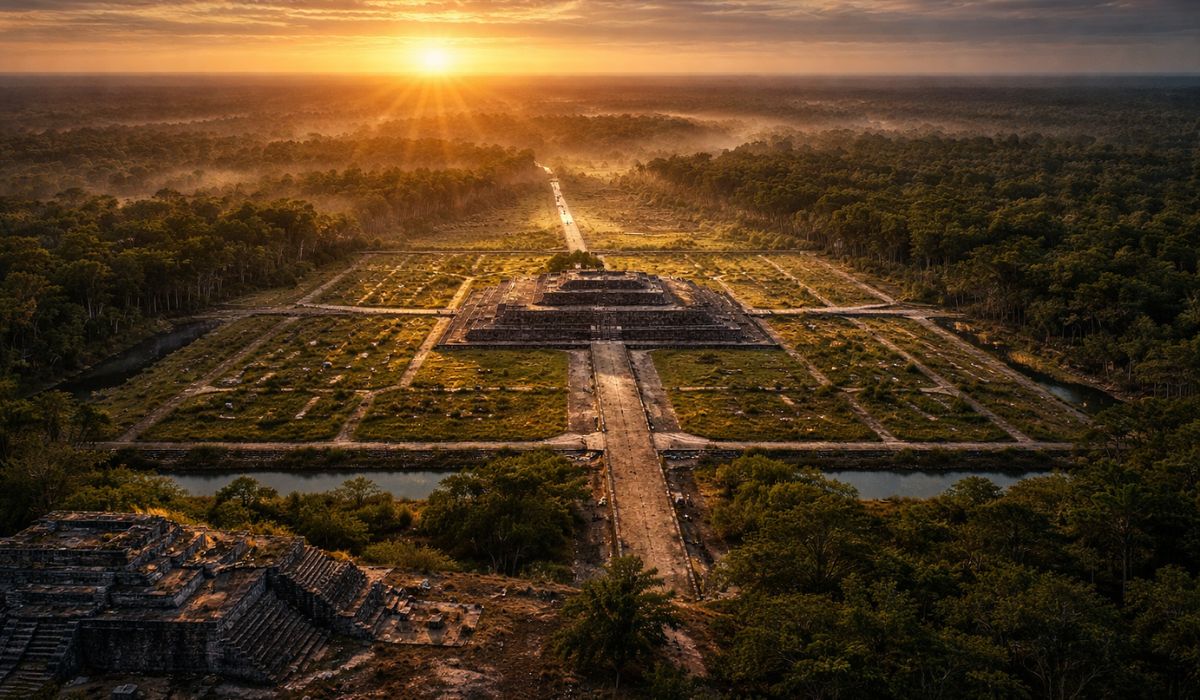
In Mexico, a 3,000-year-old Maya site with the dimensions of an entire city may have been built as a colossal map of the cosmos, created to represent the order of the universe and reveal how this people organized space, time, and rituals.
-
Japan wants to build a solar ring of 10,900 kilometers on the Moon to continuously send energy to Earth.

-
Weighing almost 1 ton, with temperatures of up to 3,000°C, the ability to launch 10,000 fragments within a radius of 1 km, capable of penetrating concrete and melting steel, Turkey’s terrifying bomb emerges as one of the most destructive non-nuclear weapons ever presented.

-
After a submarine disappeared beneath the “Doomsday Glacier,” scientists announce a new monstrous machine capable of operating at 3,000 meters depth to return to the heart of the ice and investigate a threat that could raise sea levels worldwide.


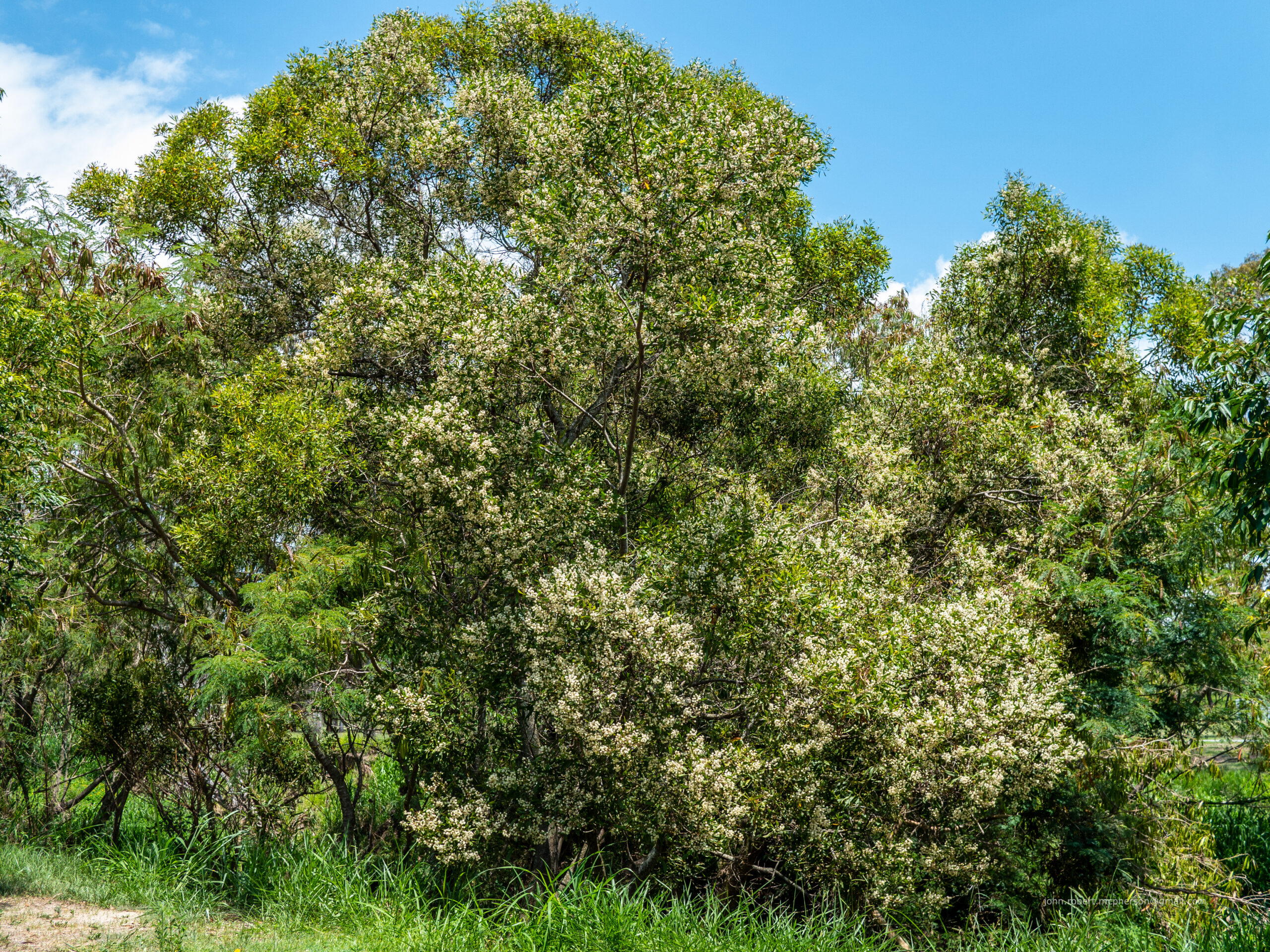
The Australian acacias had everything that was sought. They grew quickly, tolerated sandy and dry soil, their roots fixed nitrogen and stabilized slopes. By around 1875, the seeds were already being spread directly over the dunes, mixed with organic waste from the city to prepare the substrate. By 1848, Port Jackson had been officially adopted as the standard species for coastal stabilization throughout the region.
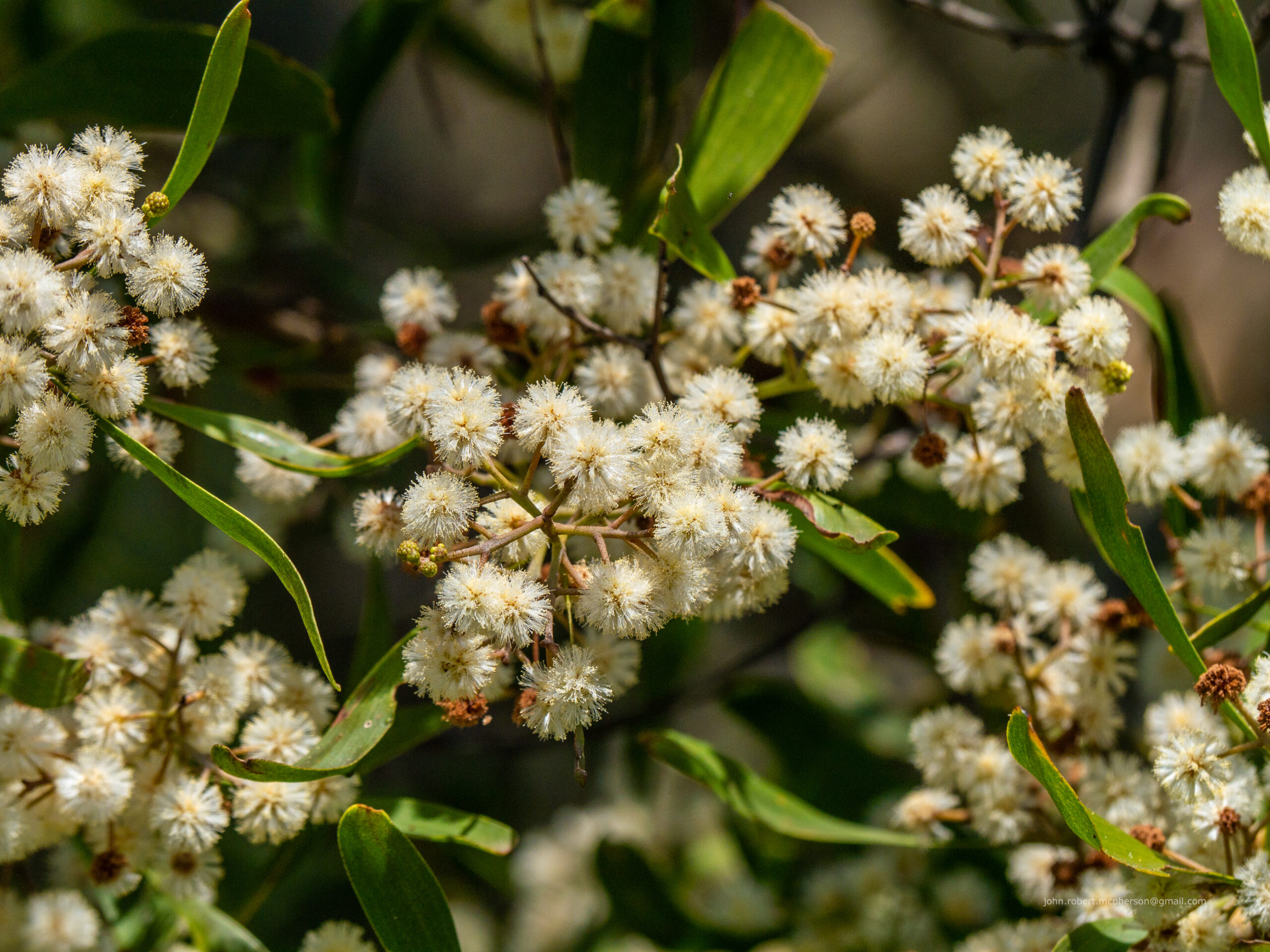
During that same period, a second Australian species arrived for economic reasons. Black wattle (Acacia mearnsii) was introduced in 1864 by the leather-tanning industry: its bark contains exceptional concentrations of tannin, an essential compound in leather processing. The South African government developed commercial plantations over decades, and black wattle tannin became one of the country’s main export products.
Sixteen species of Australian acacias were introduced to South Africa throughout the 19th and early 20th centuries. None with the intention of causing harm. All with documented purpose: dunes, soil stabilization, tannin, firewood, ornamentation.
The Property That No One Considered
Australian acacias grow quickly because they transpire a lot. In environments where water resources are abundant — as is the case in Australia, where most species are native to regions with regular rainfall — this characteristic is neutral. In South Africa, where every millimeter of rain needs to be retained in the soil and converted into surface runoff for rivers and reservoirs, the effect is different.
A study published in the South African Journal of Science measured the evapotranspiration rates of dense patches of black wattle in riparian zones of the Cape and KwaZulu-Natal Provinces. The results showed that established infestations along riverbanks can evaporate more than 1,500 millimeters of water per year — a value comparable to that of wet tropical forests. The native fynbos vegetation that they replace evaporates a fraction of that.
The difference is not small. In practical terms, each hectare of invasive acacia in riparian zones consumes between two to five times more water than the native shrubs and grasses that occupied that space before.
Multiplied by 10 million invaded hectares — the official estimate by the South African government for the total extent of the invasion in the national territory — the result is 3.3 billion cubic meters of water consumed annually more than would be consumed by native vegetation. The equivalent of 7% of the country’s total water runoff.
The Seed Bank That Does Not Disappear
The water problem would be serious enough on its own. What makes the case of South African acacias particularly difficult to resolve is the biology of these plants’ reproduction.
Black wattle produces hundreds of seeds per season. The seeds have a hard coat — a protective layer that can remain viable in the soil for decades. A single adult tree creates, over its lifetime, a seed bank in the soil capable of regenerating the infestation for 20 to 30 years after the plant is removed.
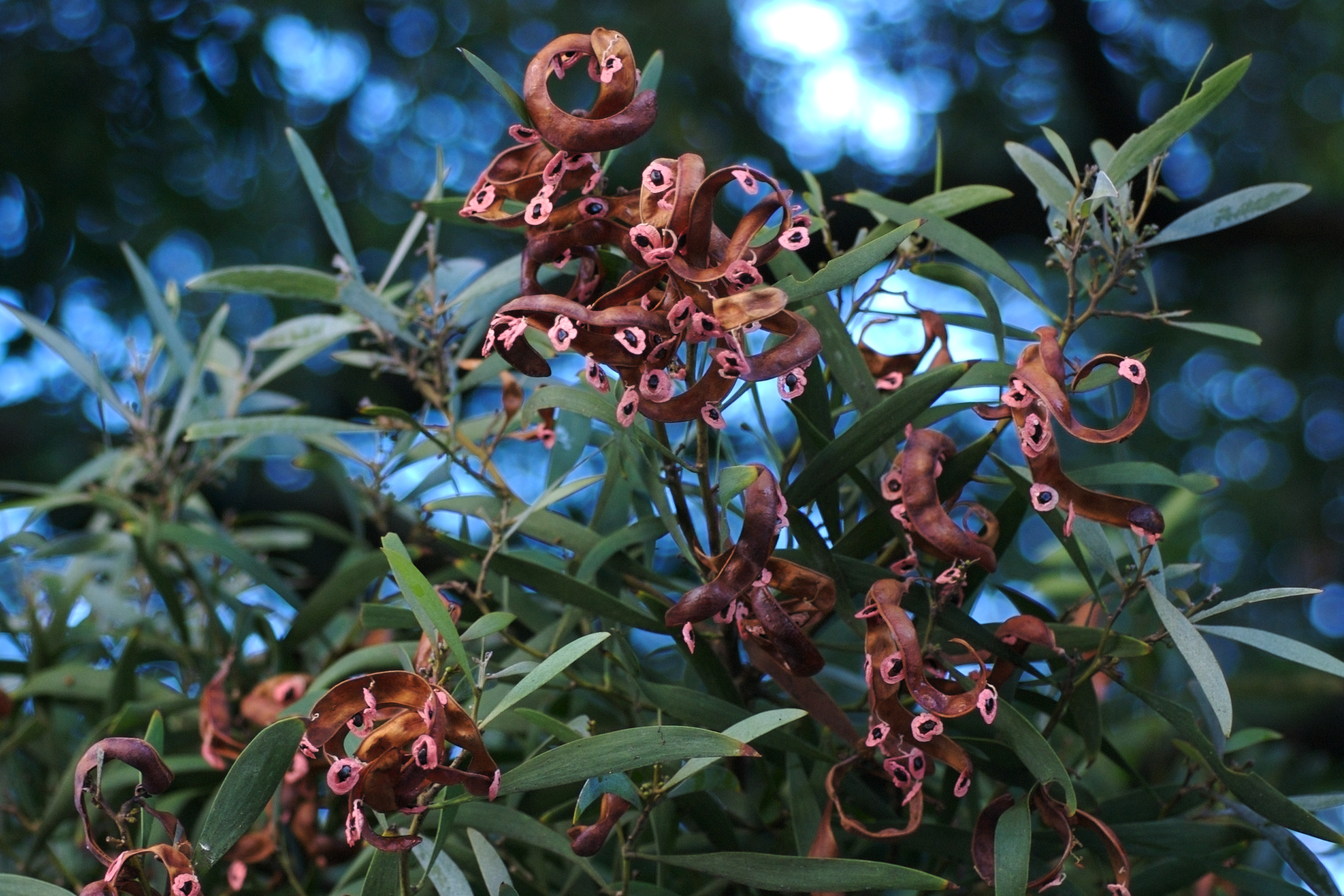
Port Jackson and rooikrans have similar behavior. And all species vigorously regrow from their roots when cut, producing multiple new branches before the root system is eliminated.
The practical result is that mechanical removal without complementary chemical treatment often does not eliminate the plant — it only rejuvenates it. Cleared hectares can be reinfested in two to three years from the seed bank already existing in the soil.
30 Years of Cleaning, an Even Greater Problem
In 1995, the South African government launched the Working for Water program — now considered one of the largest invasive species control programs in the world and an international reference in water resources management.
The program was designed with a dual objective: to remove invasive plants and generate employment in regions with high unemployment. Since then, Working for Water has operated in over 300 projects across the nine provinces of the country.
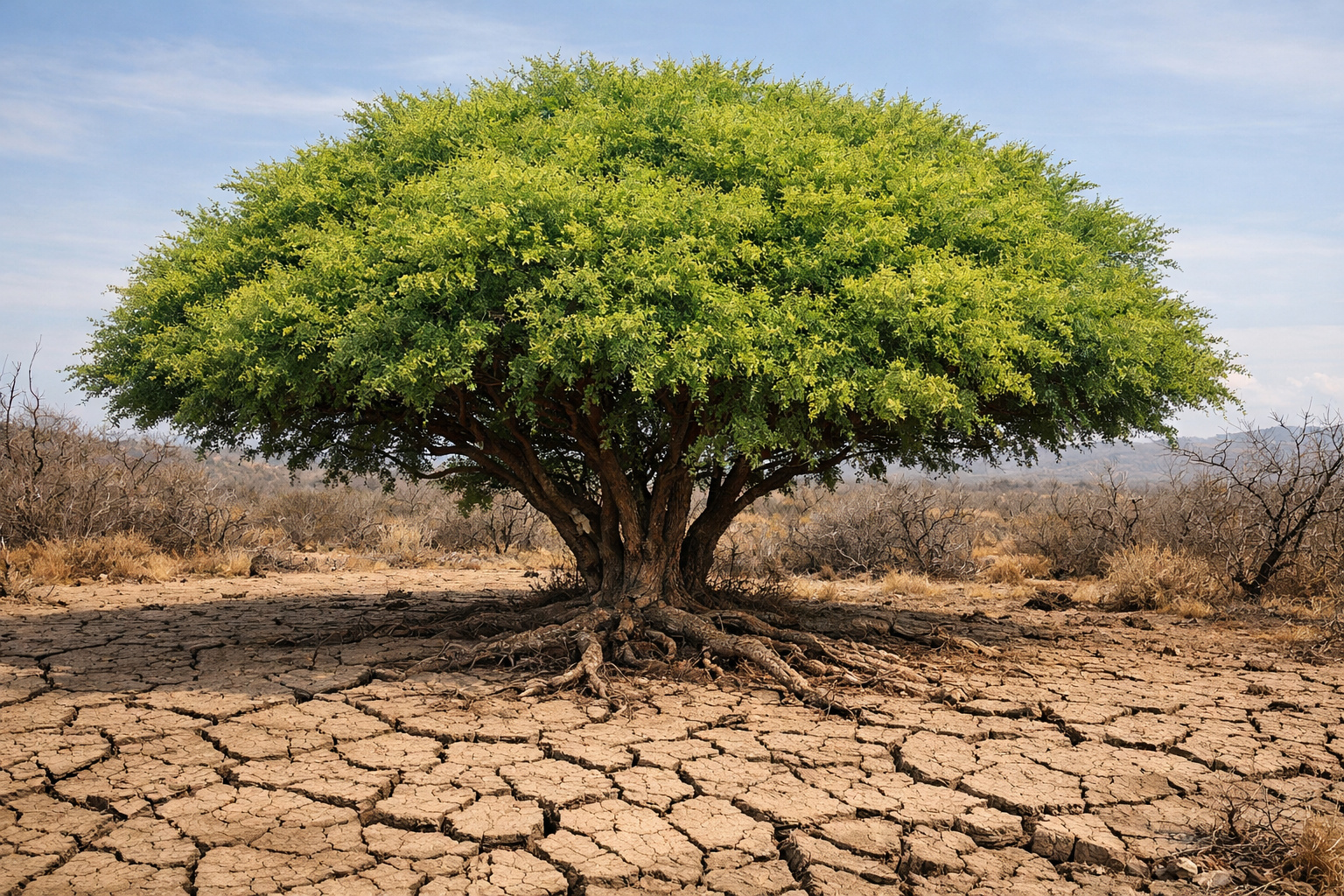
The accumulated numbers are impressive. More than 2.5 million hectares subjected to initial cleaning. More than 300,000 people hired over three decades. Approximately R$ 310 million per year (in 2020 values) invested by the federal government — about R$ 100 million in U.S. dollars annually over 22 years of data analyzed in a study published in the journal Biological Conservation in 2022.
In Cape Town, cleaning 46,000 hectares of invasive species in the basins of the city’s three main reservoirs, completed in 2023, has recovered 15.2 billion liters of water per year — the equivalent of two weeks of supply for the 5 million inhabitants of the region. The city itself committed R$ 75 million more in 2023 to continue the work. The local program’s goal is to prevent the loss of up to 100 billion liters per year by 2050.
What National Data Reveal
Despite the volume of resources and the scope of the program, national surveys of the total infested area indicate that the invaders have continued to expand.
A comprehensive study published in Biological Conservation in 2022, with data from 1998 to 2020, concluded that Working for Water covered approximately 14% of the estimated infested area with initial cleaning — and that a significant portion of these operations was not carried out in areas prioritized for water and biodiversity conservation.
The problem, as summarized by the study, is too large to be controlled across the entire territory at once. The scale of the invasion exceeds the available operational capacity.
The Fynbos at Stake
The region most affected by invasive acacias in South Africa is not just any generic landscape. It is the fynbos — the Mediterranean shrubland bioma that covers the slopes and coastal plains of the Cape Province and concentrates more than 20% of all plant diversity on the African continent.
Approximately 70% of fynbos plants are endemic — they do not exist anywhere else on Earth. The region is home to more plant species than all of Europe. In 1995, it was declared one of the 25 biodiversity hotspots on the planet.
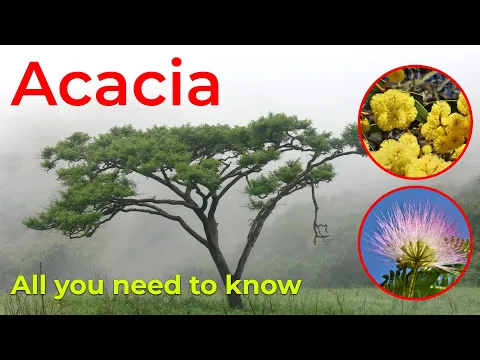

Austrailian acacias transform fynbos through two simultaneous mechanisms. First, by direct competition: they grow faster and taller than native shrubs, blocking light and forming dense monocultures where diversity once existed. Second, through soil chemistry: black wattle, as a nitrogen-fixing legume, enriches the soil with nitrogen at concentrations that fynbos — evolutionarily adapted to poor soils — cannot withstand. The chemical change favors opportunistic plants and harms rare native species.
There is also a third mechanism, documented by the University of Cape Town: acacias increase the fuel load of invaded fynbos by up to 60%. In the Cape fires in March 2015, all properties that suffered severe damage were adjacent to patches of invaders. Following the 2000 fires in the Cape Peninsula, soil erosion in pine areas was 60 times greater than in adjacent areas of native fynbos.
Clearing is Necessary. Sufficient, It Is Not.
Working for Water is now regarded as an international model and has received over 100 global awards. It has created hundreds of thousands of jobs, prioritized women and unemployed youth, and demonstrated that the removal of invaders can yield measurable economic returns over a span of years.
However, the researchers who evaluated the program in 2022 recommend what they call conservation triage: focusing resources on areas of highest priority for water and biodiversity, improving post-cleaning monitoring, and increasing operational efficiency. Because the seed bank persists in the soil, maintaining cleared areas requires repeated interventions — and each cleared hectare that does not receive follow-up is a hectare that can be reinfested before the next cleaning cycle.
In 1845, Australian acacias arrived in South Africa as tools. Two hundred and eighty years later, the country, which receives less than half of the world’s average rainfall, pays billions to undo the work that seemed, at the time, entirely reasonable.







Pelo mundo afora a questão de se tentar recuperar um biomassa, reverter traumas ambientais ou construir um novo ambiente na tentativa de de conter o avanço de desertificação, por e emplo, usando a tática de plantio de vegetação ecotica aos mesmos tem levado a problemas de criação de situação de mudanças radicais e prejudiciais tais como o exposto nessa narrativa da África do Sul. Cito situação semelhante na China.