





 Portuguese
  English
  Spanish
  3 min of reading
  0 comments


Discover How ACCIONA’s Pioneering Use of HVO Can Transform Sustainability in Major Works of São Paulo’s Subway.
Initially, according to the official website of ACCIONA published in March 2024, the global leader in sustainable infrastructure and energy solutions launched an important pilot project using renewable HVO fuel (hydrotreated vegetable oil) in the works of the Line 6 – Orange of São Paulo’s Subway.
This initiative aims to significantly reduce greenhouse gas emissions and consequently improve air quality, directly contributing to the environmental sustainability of urban infrastructure works.
What Is Renewable HVO Fuel?
Renewable HVO fuel clearly stands out as an innovative alternative to traditional diesel, offering a potential emission reduction of up to 90%.
-
The Economist states that Brazil has a “secret weapon” against expensive oil and highlights how the country can reduce economic impacts even in international scenarios of high volatility.

-
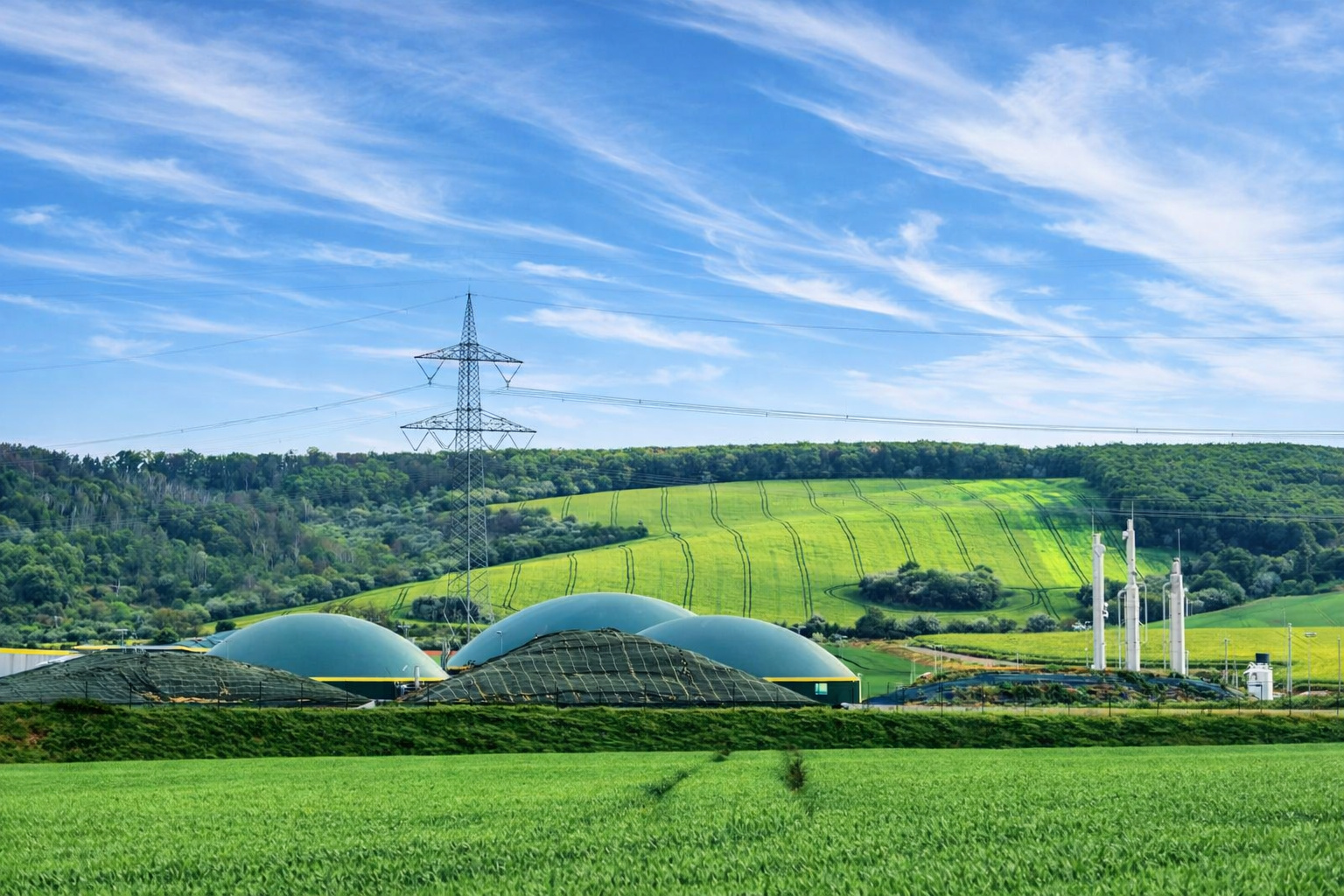
Brazil accelerates decarbonization in the South: International forum in Foz do Iguaçu gathers leaders to discuss the advancement of biomethane in the energy matrix and the potential of “caipira pre-salt.”
-
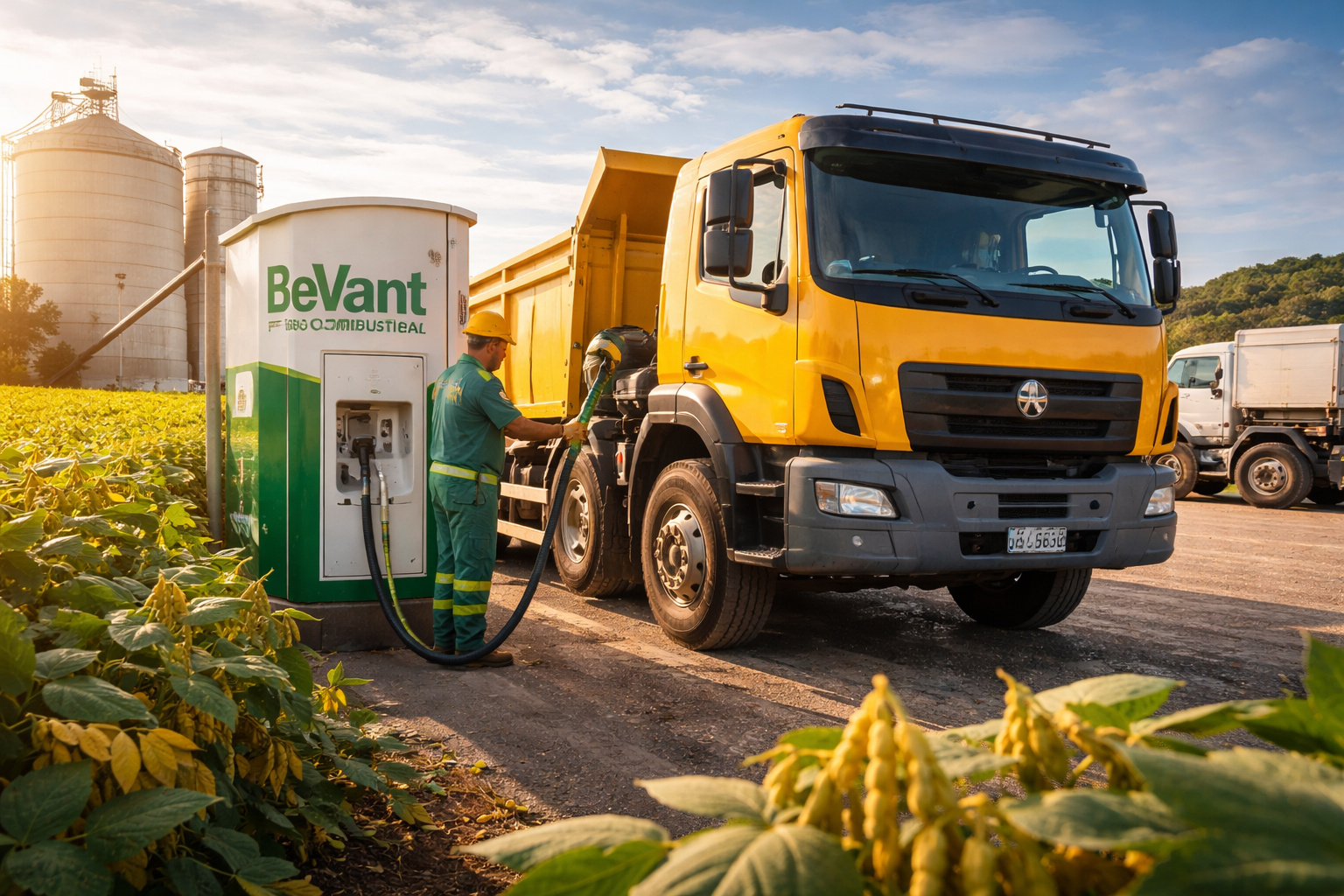
As diesel prices soar due to conflicts in the Middle East, a Brazilian city decides to test a little-known biofuel that promises to completely replace fossil fuel without adaptation and could change the future of energy in the country.
-
Innovation with biofuel engines transforms agribusiness by replacing diesel without the need for major adaptations, ensuring energy efficiency and helping to reduce dependence on oil.
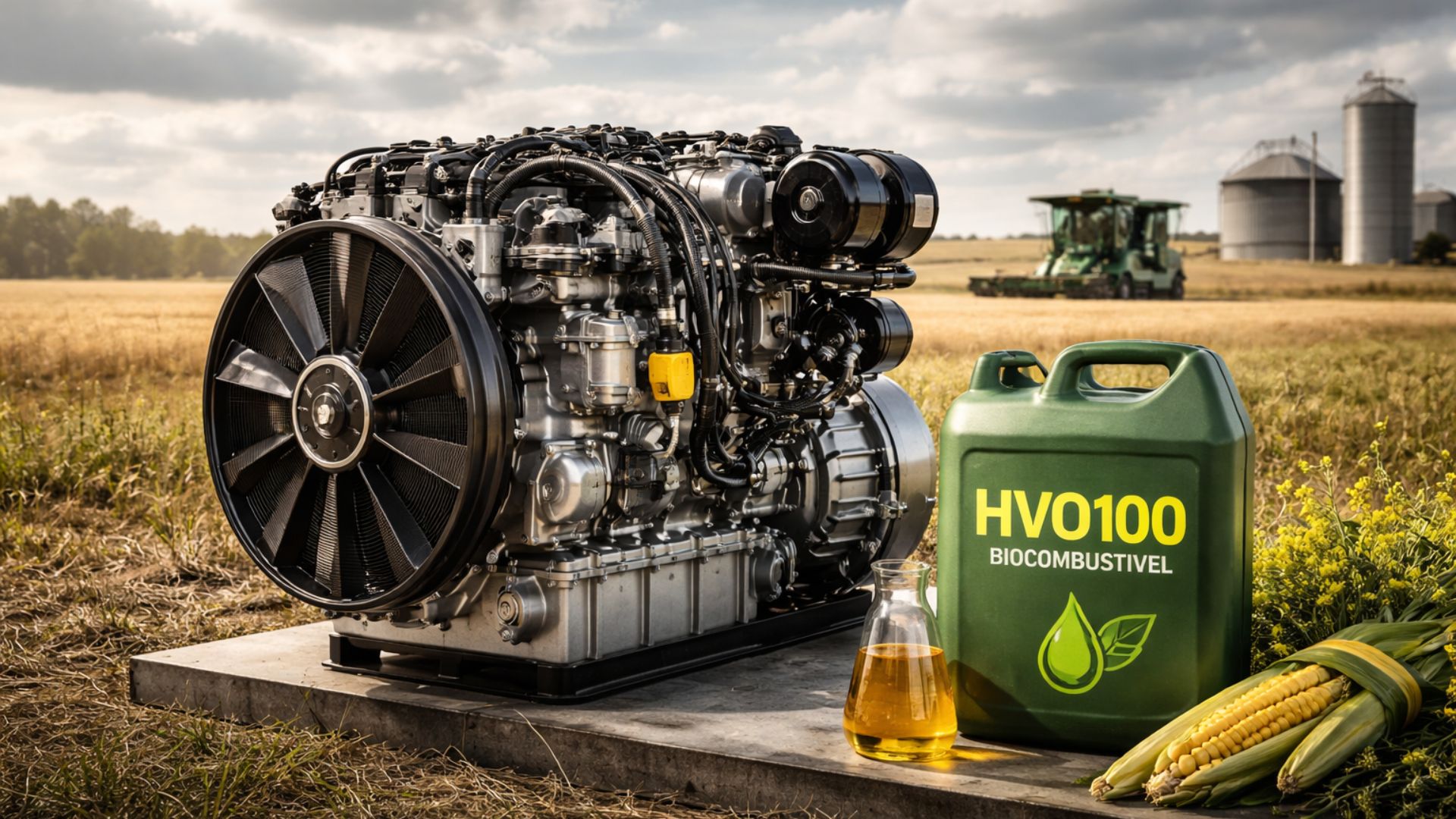

Produced from vegetable waste, HVO has chemical characteristics similar to fossil diesel. Thus, it allows for immediate application without the need for technical modifications to the equipment that ACCIONA uses in civil construction.
Commitment to Sustainability and Climate Change
By adopting this sustainable fuel in the works of the Line 6 – Orange Subway, ACCIONA reinforces its commitment to sustainable practices and technological innovation.
Moreover, the pilot project with HVO aligns with global goals to combat climate change and reduce the carbon footprint of the construction sector.
Importance of Line 6 – Orange
In this sense, the Line 6 – Orange of São Paulo’s Subway ranks among the largest urban mobility works in Latin America, being essential for improving public transportation and, additionally, the quality of life of São Paulo citizens.
Therefore, the use of renewable fuel becomes even more relevant, representing a decisive step towards urban sustainability by uniting efficient infrastructure and respect for the environment.
Example for the Infrastructure Sector
Indeed, this pilot project by ACCIONA also clearly serves as a reference for other companies in the sector. It shows that it is possible to combine economic growth and environmental responsibility.
Thus, the use of HVO in the works can inspire similar initiatives in future projects, further strengthening the sustainable culture in the Brazilian infrastructure and construction market.
Environmental and Economic Benefits of HVO
The practical application of hydrotreated vegetable oil by ACCIONA directly results from a long-term strategic vision, recognizing the urgent need to reduce carbon emissions in major urban projects.
By adopting HVO, the company positions itself at the forefront of sustainability while simultaneously improving its competitiveness in an increasingly environmentally conscious market.
Ultimately, the pilot project with renewable fuel in the Line 6 – Orange Subway of São Paulo directly contributes to the sustainable development of the city, benefiting millions of people with a cleaner and healthier environment.
Therefore, ACCIONA demonstrates that strategic investments in sustainability are essential not only for the planet but also economically viable and socially beneficial.








Seja o primeiro a reagir!