





 Portuguese
  English
  Spanish
  6 min of reading
  0 comments


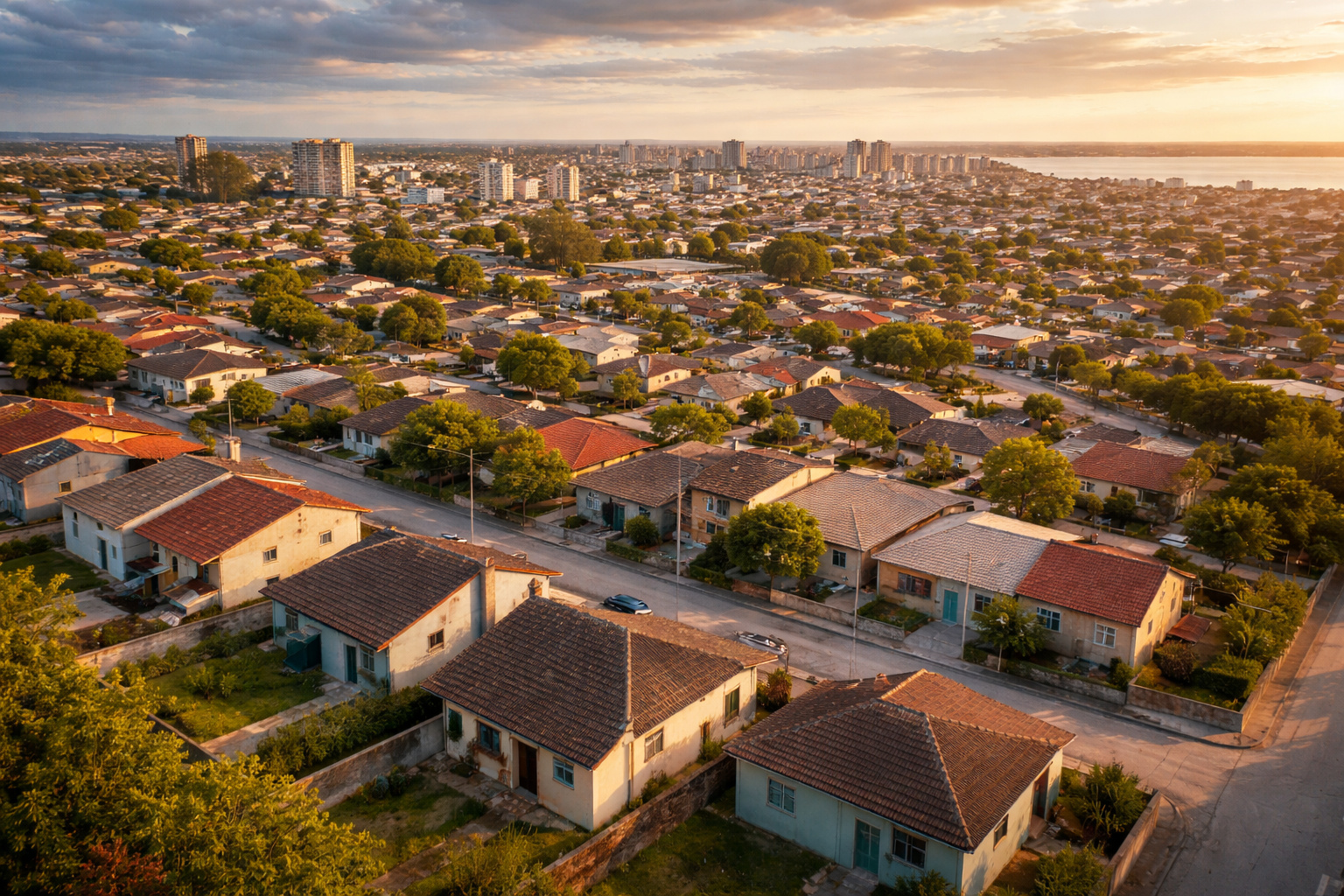
Pelotas leads the FipeZAP ranking with the lowest price per m² in Brazil and offers properties starting at R$ 90 thousand, boosted by local economy and university demand.
In March 2026, the city of Pelotas, located in the state of Rio Grande do Sul, appeared at the center of a survey that repositions the debate on access to housing in the country. According to data released by the FipeZAP Residential Sales Index, in the official report of March 2026, the municipality recorded the lowest average price per square meter among the monitored cities, with an average price of R$ 4,413/m².
This figure gains relevance when compared to the national average calculated by the index itself, which is R$ 9,720/m², and to the prices practiced in Brazilian capitals such as Vitória, Florianópolis, and São Paulo, which in the same survey were above R$ 11 thousand per square meter.
The most striking data is that, even with a consolidated urban structure and the presence of universities and services, Pelotas still displays entry-level properties at much lower levels than those in major centers. In recent listings gathered on Zap Imóveis for the city, there is an offer of a studio in the center with 32 to 33 m² for R$ 90 thousand, which helps explain why the local market continues to diverge from the price increases observed in other regions of the country.
-
Lula reveals in an interview that he asked President Xi Jinping three times to invest in a major project in Brazil, the Salvador-Itaparica bridge, which is set to begin in June with the participation of a Chinese consortium and is expected to be extraordinary, according to the president.

-
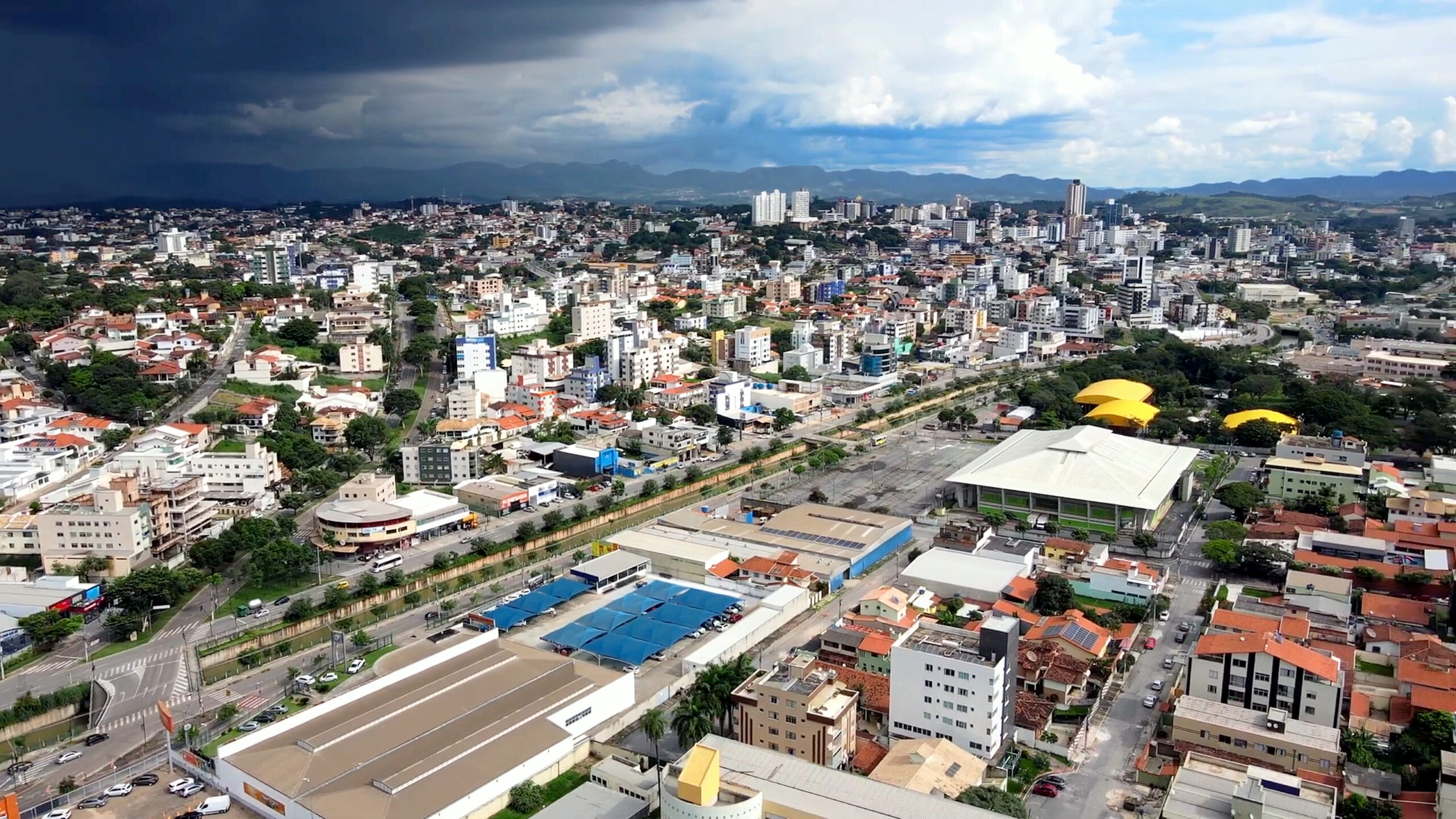
Neighboring city of Belo Horizonte has properties starting at R$ 139,000 with 90 m² and a price per square meter much lower than the capital, even concentrating automotive, petrochemical, and logistics hubs.
-
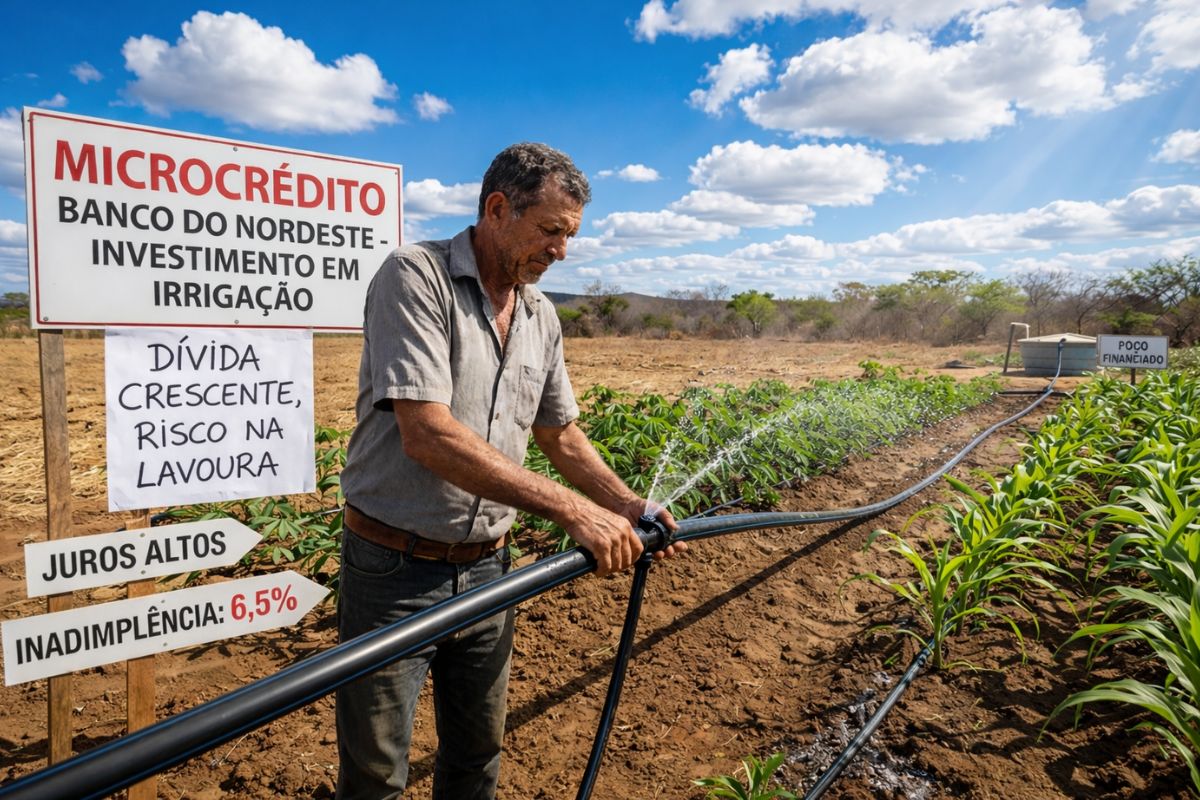
Drought in northern Bahia forces family farmers to invest in expensive irrigation and seek microcredit from Banco do Nordeste; with high interest rates and a default rate of 6.5%, the debt becomes a threat to the crops.
-
Finnish woman swaps the happiest country in the world for Brazil and reveals what she felt in practice: “In theory, it’s perfect, but it lacked life.”


The information, based on FipeZAP and reinforced by effectively available listings in the market, reveals a scenario that contrasts with the dominant perception of widespread price increases in real estate in Brazil, showing that there are still urban markets with significantly lower prices.
Economic structure of Pelotas combines services, agroindustry, and education
Pelotas has a diversified economy, which helps sustain its real estate market without accelerating price pressures. The municipality, with a population of over 300 thousand inhabitants, is an important regional hub in the south of the country.


Among the main economic sectors are:
- services and commerce
- agroindustry, especially related to rice and food
- higher education
- small and medium industries
The presence of institutions such as the Federal University of Pelotas (UFPel) and the Federal Institute of Southern Rio Grande do Sul (IFSul) creates a constant flow of students, teachers, and technicians, which maintains a continuous demand for housing, especially in central areas and near the campuses.
This factor is essential to understand why, even with low prices, the market does not show signs of retraction. There is an organic demand base that ensures liquidity, especially for compact properties.
Lower average income limits real estate appreciation
One of the main determinants of property prices in any region is the average income of the local population. In Pelotas, this factor has a direct influence.
The value of properties tends to follow the purchasing power of buyers. In regions where the average income is lower, prices naturally adjust to more accessible levels.
Unlike major capitals, where there is a higher concentration of income and access to higher credit, Pelotas presents a more balanced economic profile, with less disparity and less pressure for high-end properties.
This reduces the speed of appreciation and prevents the market from reaching high price levels per square meter.
Comparison with other cities evidences distortions of the Brazilian market
Pelotas’ position in the FipeZAP ranking becomes even more significant when compared to other Brazilian cities. While the municipality records about R$ 4,413/m², other locations present much higher values:
- São Paulo exceeds R$ 11,000/m² on average
- Belo Horizonte surpasses R$ 10,600/m²
- Florianópolis frequently exceeds R$ 11,000/m²
- coastal cities like Santos are above R$ 8,000/m²
This difference highlights how the Brazilian real estate market is highly unequal, reflecting income concentration, economic dynamics, and urban pressure in specific regions.
In larger cities, factors such as land scarcity, high population density, and strong investor presence drive up prices. In Pelotas, these elements are present to a lesser extent.
Properties starting at R$ 90 thousand show entry-level profile of the local market
The lowest-priced properties in Pelotas are mainly concentrated in compact units.
Among the examples observed in the market are:
- studios of approximately 30 to 35 m²
- 1-bedroom apartments aimed at students
- units in areas with higher urban density
These properties mainly cater to an entry-level audience, consisting of students, young workers, and investors seeking rental income. The presence of universities reinforces this demand, creating a continuous cycle of occupancy for these units.
Rental market directly influences sale prices
The rental market plays an important role in shaping sale prices in Pelotas. In university towns, where there is high turnover of residents, rental prices become a relevant indicator for investors. When rental values are lower, sale prices tend to adjust to maintain profitability.

This balance prevents properties from appreciating beyond what the rental market can sustain, contributing to the maintenance of affordable prices.
Thus, the market remains functional, with properties being acquired not only for housing but also as a source of income.
Supply of properties and availability of land help contain prices
Another factor contributing to lower prices is the supply of properties and the availability of areas for urban expansion.
Unlike major capitals, where land scarcity pressures prices, Pelotas still has areas available for growth, which reduces real estate speculation.
The presence of older properties, simpler constructions, and lower verticalization also helps keep the average cost lower.
This scenario creates a less competitive market in terms of price, allowing buyers to find more accessible options.
Low speculative pressure maintains stability in the market
One of the most relevant aspects of Pelotas’ real estate market is the low presence of speculation. In cities with strong appreciation, investors buy properties expecting rapid price increases. This movement can inflate the market and hinder access to housing.
In Pelotas, most transactions are linked to the actual use of the property, whether for housing or rental, which keeps prices more aligned with the local economic reality. This characteristic contributes to a more stable environment, with a lower risk of real estate bubbles.
Appreciation occurs, but at a slower pace
Despite the low prices, the real estate market in Pelotas is not stagnant. There is appreciation, but at a slower pace compared to cities with greater economic pressure.
This gradual growth is influenced by:
- moderate increase in demand
- maintenance of local income
- controlled urban expansion
The slower appreciation can be seen as a sign of stability, reducing risks and making the market more predictable.
While Pelotas stands out as the cheapest city, the national scenario points to a widespread increase in real estate prices. The FipeZAP index shows that several cities have recorded appreciation in recent months, driven by:
- increased construction costs
- greater access to credit
- resumption of demand post-pandemic
- urban growth
In this context, cities with lower prices are gaining visibility as accessible alternatives within a rising market.
Pelotas positions itself as one of the most accessible markets in Brazil
The combination of economic, demographic, and urban factors places Pelotas in a unique position in the Brazilian real estate market.
With the lowest price per square meter in the country according to FipeZAP, properties starting at R$ 90 thousand, and a consolidated urban structure, the city becomes a reference for those seeking access to housing at a lower cost.
This scenario can attract not only local residents but also investors and people interested in reducing their cost of living. The case of Pelotas highlights how the Brazilian real estate market is profoundly influenced by regional factors.
Even with universities, services, and a complete urban structure, the city maintains the lowest prices in the country due to a combination of lower average income, less speculative pressure, balanced supply, and local economic dynamics.
This scenario shows that property values do not depend solely on infrastructure or the size of the city, but on a set of variables that define the balance between supply, demand, and payment capacity.
By leading the FipeZAP ranking, Pelotas reveals that there are still regions in Brazil where access to housing occurs at significantly lower levels, even in a national scenario of continuous real estate appreciation.







Seja o primeiro a reagir!