





 Portuguese
  English
  Spanish
  4 min of reading
  0 comments


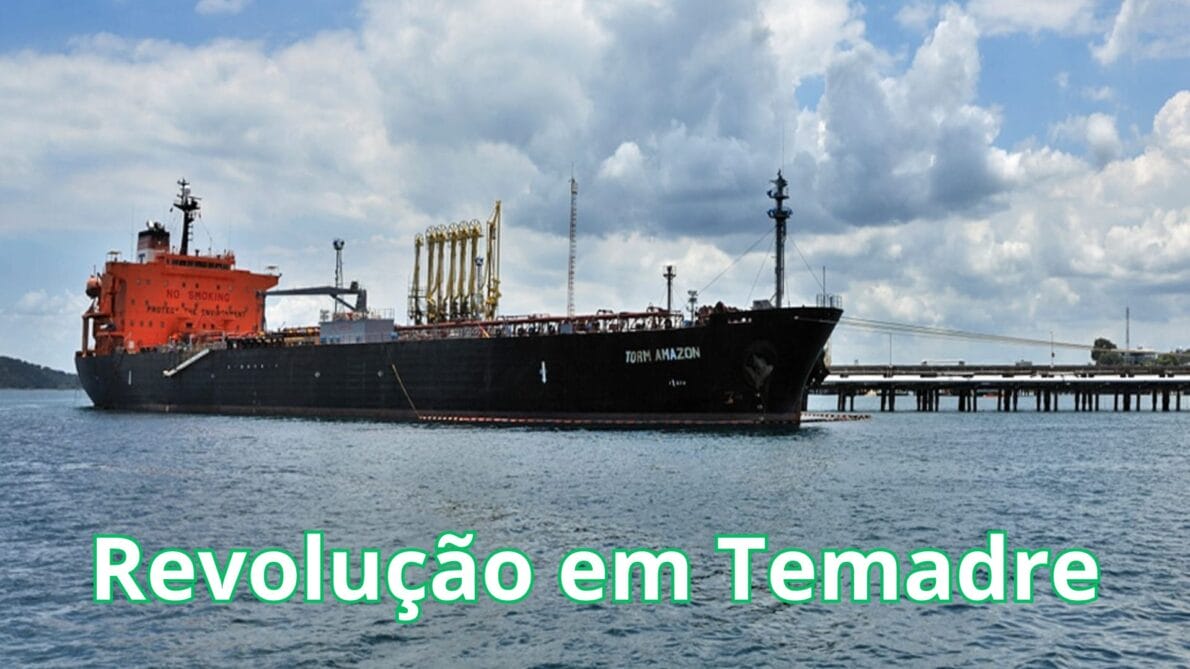
After an investment of R$ 70 million, Acelen transforms the Madre de Deus Terminal, which is now capable of receiving giant SuezMax ships. The impact of this modernization promises to revolutionize the oil and gas sector in Brazil.
A true revolution has taken place at the Madre de Deus Waterway Terminal (Temadre). After a robust project that involved R$ 70 million and two years of intense work, the terminal can now receive large vessels, such as the famous SuezMax, capable of transporting up to 1 million barrels of oil. This not only increases the refinery’s throughput capacity but also brings incredible benefits to the entire Northeast region, which relies on the oil processed by the Mataripe Refinery.
The remodeling project aimed to modernize the terminal and provide greater safety in operations, all while focusing on reducing carbon emissions and protecting the environment. According to Acelen, in addition to increasing efficiency, this remodeling allows Brazil to compete even more strongly in the global oil and gas market.
-
The rise in oil prices could ensure an extra revenue of R$ 100 billion for the Federal Government, indicates a recent economic study.

-
Naturgy begins an investment of R$ 1.6 million to expand the gas network in Niterói and benefit thousands of new residences and businesses.
-
A major turn in the Justice system suspends tax increases and directly impacts oil and gas companies in Brazil by affecting costs, contracts, and financial planning, leaving uncertain what could happen to the sector if these costs had increased.

-
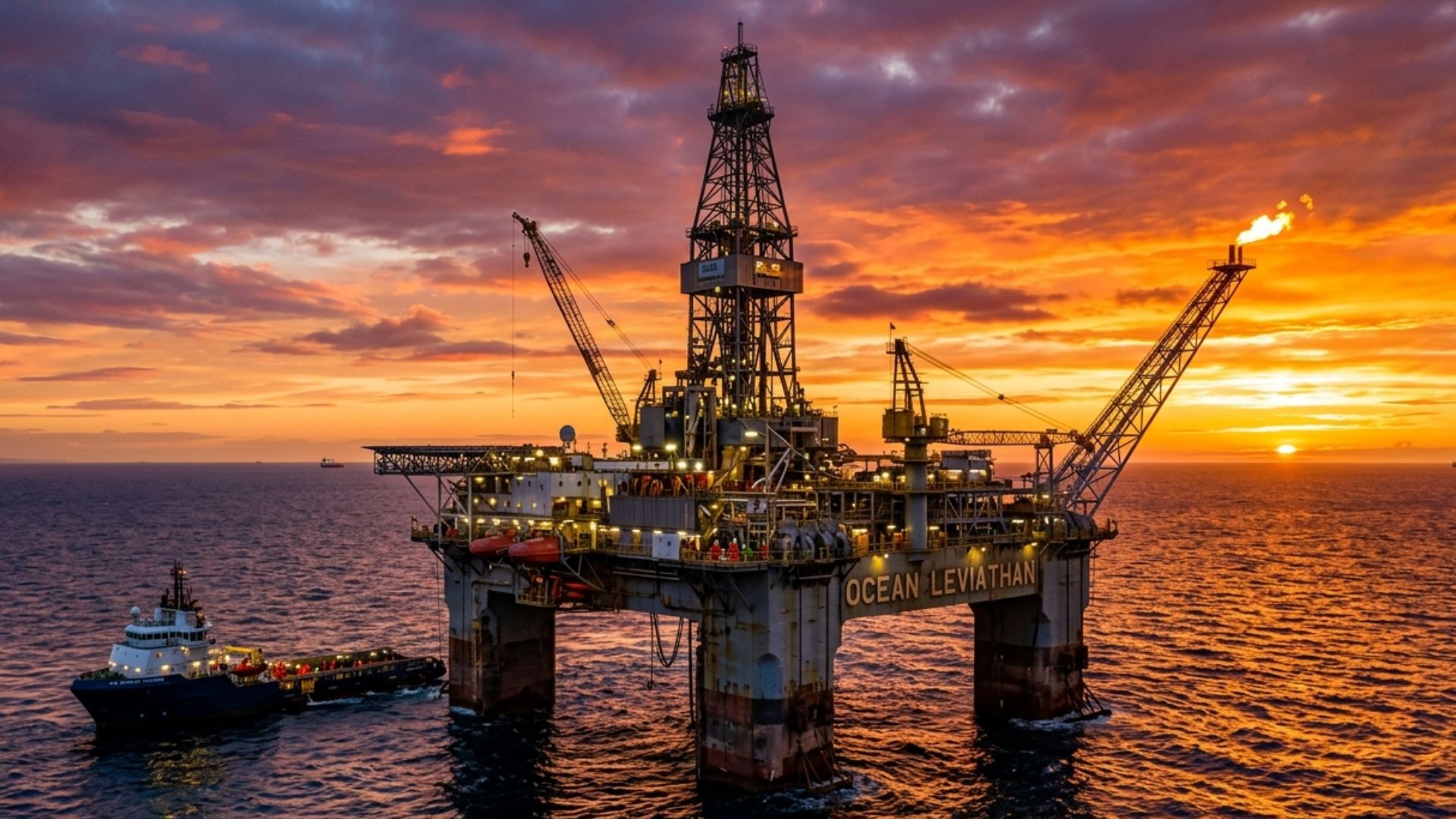
Brava Energia begins drilling in Papa-Terra and Atlanta and could change the game by reducing costs in oil while increasing production and strengthening competitiveness in the offshore market.

Remodeling Increases Competitiveness and Positively Impacts the Environment
The great asset of this remodeling is the dredging of the navigation channel, which hadn’t occurred in over two decades. With the project, the depth has been restored to 15.5 meters, allowing the arrival of even larger ships, avoiding the ship-to-ship transfer process (when cargo is transferred from one ship to another in open sea). This, of course, reduces costs, operational time, and, along with that, CO2 emissions.
Another important part of this investment lies in Acelen’s environmental commitment. Throughout the entire process, the company strictly followed the guidelines for environmental monitoring. Additionally, the Bay Corals Project was initiated, aimed at restoring coral reefs and controlling invasive species, such as sun coral, which threatens local biodiversity.
Logistical and Economic Impacts for the Northeast
This modernization of the Madre de Deus Terminal is a strategic move for the fuel supply in the Northeast. Since the Mataripe Refinery is responsible for 42% of regional demand and 80% of Bahia, the remodeling not only increases distribution efficiency but also strengthens Acelen’s position in the global market.
With the new system, the company now has a safer and optimized terminal, reducing costs with external operations and making logistics much more agile. All of this directly impacts the price and security of oil transportation, which benefits the local economy and makes Bahia a key point in the national distribution map.
A Future-Oriented Outlook: Acelen Already Plans New Investment Phase
And the news doesn’t stop there. Acelen is already focused on the second phase of the project! Over the next two years, an additional R$ 15 million will be invested in modernizing the terminal, focusing on additional structural improvements and further increasing the reliability of operations.
Carlos Brenner, Acelen’s project director, emphasized that this investment reflects the company’s commitment to strengthening the oil and gas sector in Brazil and ensuring that the Northeast region is prepared for future challenges.
Technology and Sustainability Hand in Hand
All this modernization is done with total attention to the environment. Acelen has shown commitment to developing sustainable projects that reconcile economic growth and environmental preservation. The Bay Corals Project is a clear example of this. With a focus on restoring coral reefs and controlling invasive species, the project has a positive impact not only on the Bay of All Saints but also on the health of the region’s marine ecosystem.
The company’s concern with environmental governance (ESG) practices was one of the pillars of the remodeling works, reinforcing the idea that it is possible to develop large infrastructure projects without compromising the environment.
Temadre: A Rising Giant in the Oil and Gas Sector
With this remodeling, the Madre de Deus Waterway Terminal stands out as a key piece in the fuel supply of Brazil. Acelen, in turn, not only modernized its infrastructure but also reinforced its commitment to sustainability and innovation. Now, the terminal is ready to meet the demands of the current and future market, ensuring a safe, efficient, and environmentally responsible service.
The completion of the first phase of remodeling the Madre de Deus Waterway Terminal marks the beginning of a new chapter for the oil and gas sector in Brazil. With the expanded capacity to receive large vessels, Acelen demonstrates its ability to combine innovation, sustainability, and economic growth. The second phase of remodeling, already planned, only reinforces the company’s commitment to keeping the terminal among the most modern and efficient in the country.
Looking ahead, the expectation is that Acelen will continue to lead with environmental responsibility and operational excellence, further strengthening the importance of Bahia and the Northeast in Brazil and the world’s energy landscape.





Seja o primeiro a reagir!