





 Portuguese
  English
  Spanish
 3 min of reading


The Trade Between Brazil and Chile Stands Out Due to the Billion-Dollar Transactions That Happen Every Year
The trade and distribution of products via road transport in Latin America is a strong point for Brazil that has been explored. After all, the demand for this type of service has grown in recent years and heated the road transport sector, especially regarding international companies from Chile.
According to data from the Department of Foreign Trade (Secex), linked to the Ministry of Economy, Brazil recorded an impressive increase of over 81% in sales to Chile in 2021, amounting to over US$ 6.99 billion. This significant increase highlighted even more the importance of the free trade agreement between Brazil and Chile, which favors and streamlines relations, especially concerning road transport for companies.
Understand a Bit More About the Importance of the Free Trade Agreement Between Brazil and Chile and How It Helps the Exports of Brazilian Companies With the Video Below


The Free Trade Agreement Between Brazil and Chile Was Created in 2018, During Michel Temer’s Administration, but Came into Effect in January 2022
This agreement between the countries has existed since 2018, when it was signed and put into practice by Michel Temer, the president at the time. It went through votes and, in September 2021, was approved by the National Congress, coming into force in January 2022. The agreement is broad and covers various topics to streamline trade relations between the two Latin American countries, especially in the realm of transport.
-
Larger than entire cities in Brazil: BYD is building a 4.6 km² complex in Bahia with a capacity for 600,000 vehicles per year, but the discovery of 163 workers in conditions analogous to slavery has shaken the entire project.

-
With an investment of R$ 612 million, a capacity to process 1.2 million liters of milk per day, Piracanjuba inaugurates a mega cheese factory that increases national production, reduces dependence on imports, and repositions Brazil on the global dairy map.

-
Brazilian city gains industrial hub for 85 companies that is equivalent to 55 football fields.

-
Peugeot and Citroën factory in Argentina cuts production by half and opens a layoff program for more than 2,000 employees after Brazil drastically reduced purchases of Argentine vehicles.


The document is so comprehensive that it includes topics such as geographical indications, sanitary and phytosanitary issues, customs procedures, government procurement, services, types of investments, and matters related to import and export. With the enforcement of this agreement, Brazilian companies have an open and facilitated path to close deals with other companies in Chile.
The International Flow of Goods and Services, Besides Road Transport, Will Be Enhanced with This Agreement
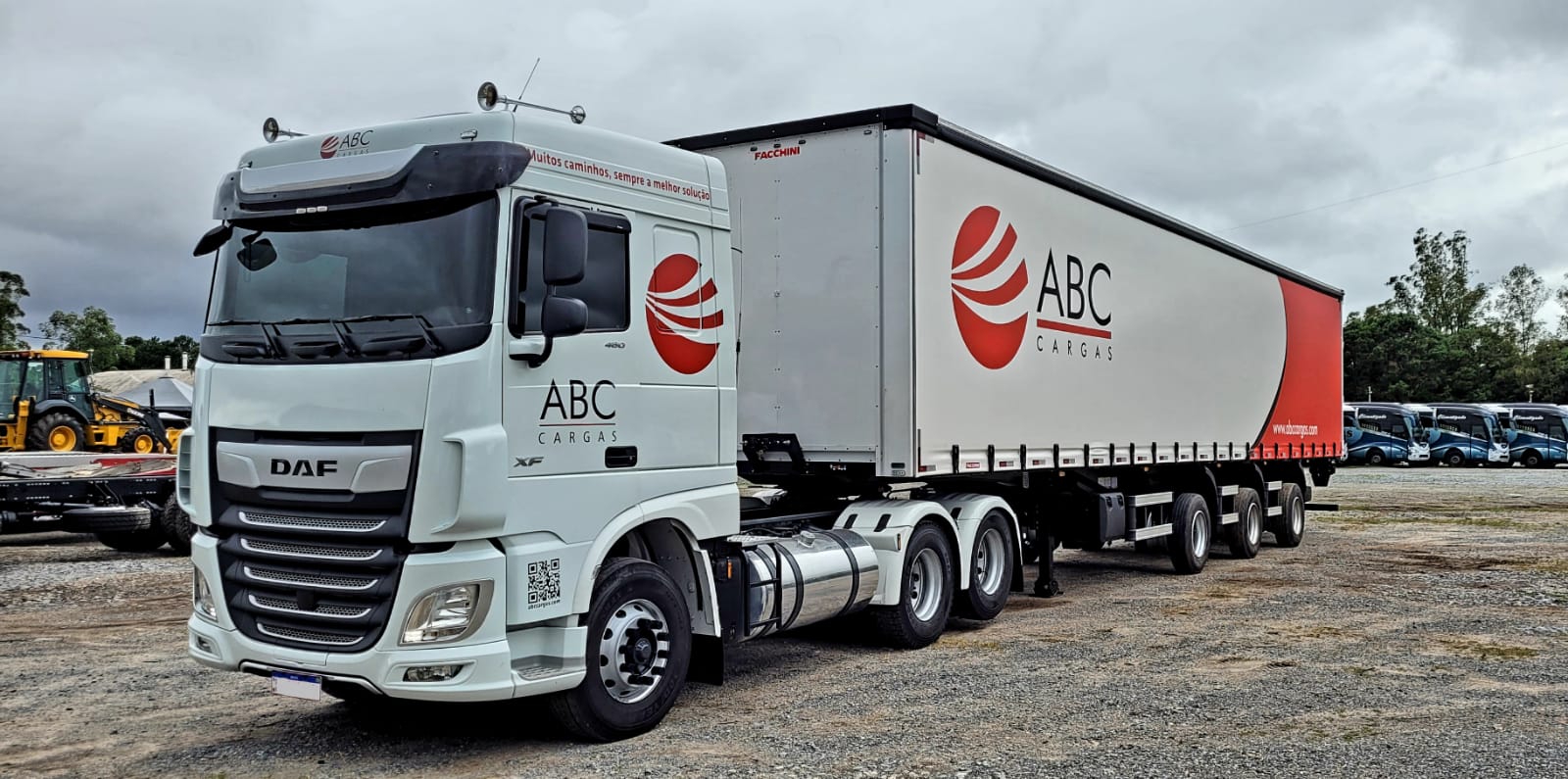
The president of ABC Cargas, one of the largest road transport companies in Brazil, Danilo Guedes, shares very optimistic accounts regarding this new agreement in the country. He points out that this will generate a significant boost in business after the pandemic and bring the economies of the two countries closer.
“In addition, the agreement brings numerous benefits for companies providing this type of service, such as simplified documentation, and fewer technical and sanitary barriers, as the document provides for the creation of rules that allow the use of digital documents and many others.”
Danilo Guedes, President of ABC Cargas (2022)
Chile is the fifth largest destination for Brazilian products, and the facilitation of exports of our products will only bring more profit to national companies. Furthermore, the goods exported there are quite diverse, ranging from beef and oil to automobiles and heavier machinery. In other words, the agreement aims to further feed a market that is already expanding.
Road Transport Will Be Favored and Will Generate Competitiveness for International Companies from Chile
The agreement established and in effect is modern in terms of its provisions. This results in positive impacts for the road transport sector, which suffered greatly from bureaucracy and high export fees.
“Road freight transport suffers greatly from bureaucratization and delays at borders, and this facilitation is something that the entire logistics chain, exporters, importers, and logistics operators were expecting to advance in negotiations for larger services in the country.”
Danilo Guedes, President of ABC Cargas (2022)
In other words, with this new scenario, national companies will feel encouraged to close business deals with Chile and will have greater competitiveness in the country with local suppliers. The company ABC Cargas experienced a 65% increase in international business in 2021 and is already working to accommodate its new contracts with Chilean companies, securing contracts favored by the Federal Government’s agreement.






Seja o primeiro a reagir!