





 Portuguese
  English
  Spanish
  4 min of reading
  0 comments


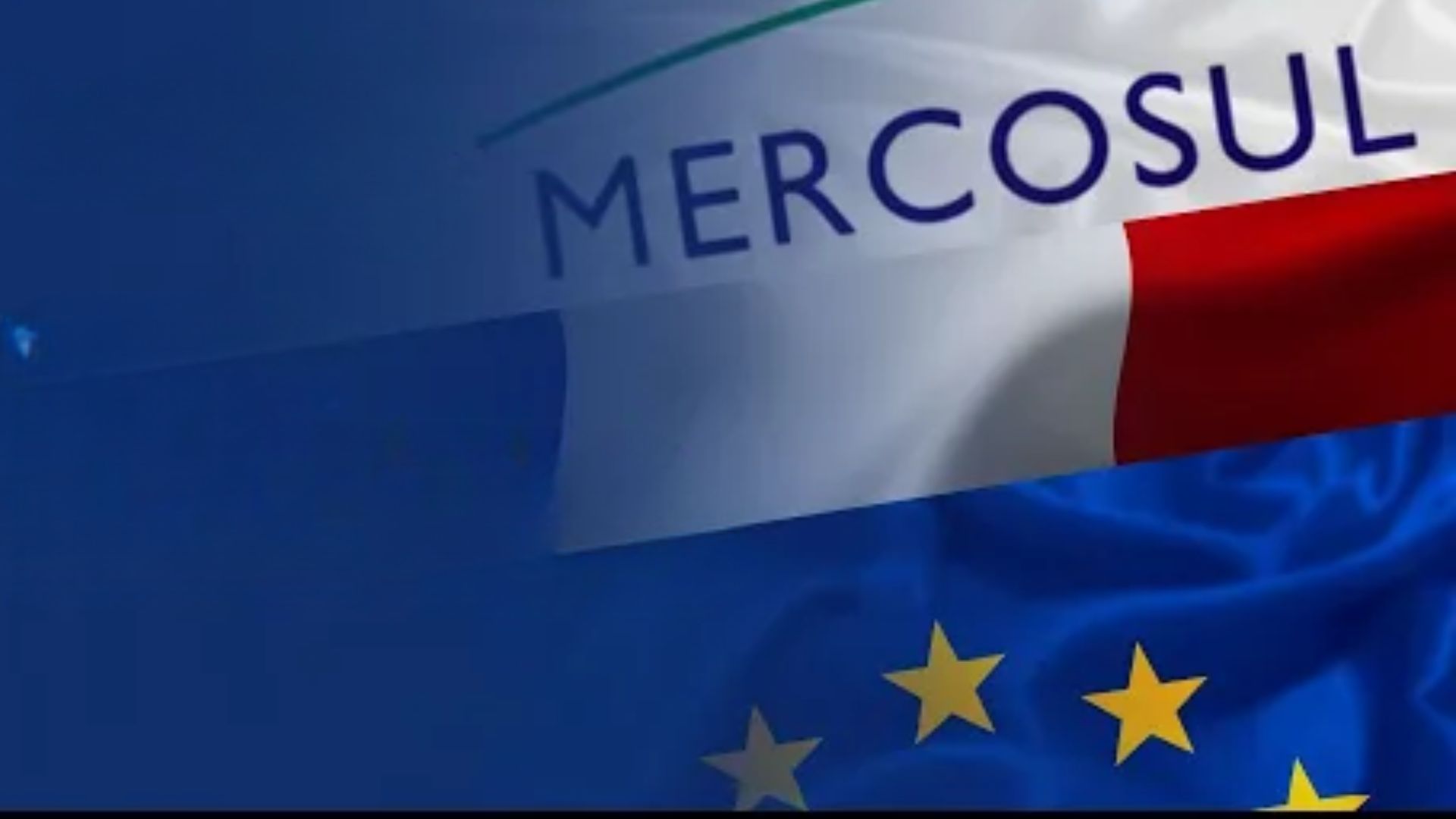
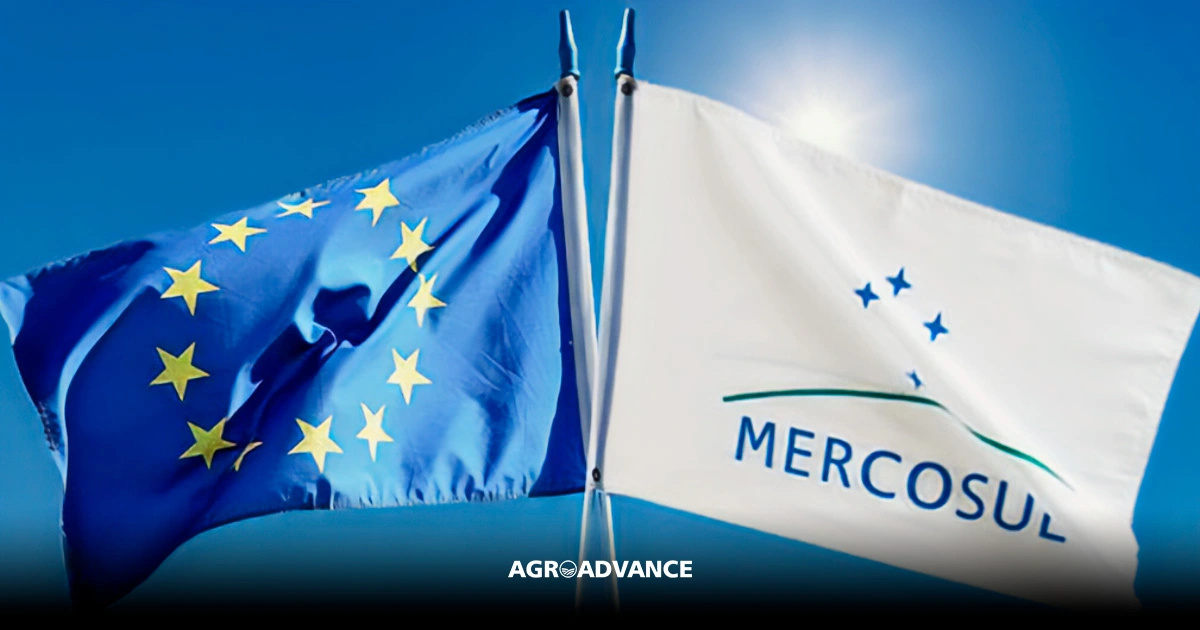
After Two Decades of Negotiations, the Trade Agreement Between the European Union and Mercosur Reaches the Decisive Phase of Ratification. France Resists, Farmers Press and the US and China Influence European Calculations About the Future of the Partnership.
The trade agreement between the European Union and Mercosur has reached the ratification stage, more than two decades after the discussions began.
The European Commission formally initiated the process in early September, after validating the text finalized in December 2024, but progress still depends on votes in the Council and the European Parliament.
The negotiations stumble upon pressures from the French agricultural sector and the political scenario in Paris, while Brussels calculates the effects of the new cycle of US tariffs and monitors China’s role in the South American region.
-
Mothers and daughters come together, create an ‘express’ beauty salon and turn the idea into a network with 21 units, revenue of R$ 16.7 million and 12,000 subscribers.

-
End of the 6×1 schedule: how the reduction of hours can affect service companies, industry, and agribusiness.

-
Brazil Ignores Trump’s threats to BRICS, Buys 42 tons of gold and reduces the Dollar’s share by 6.45% in international reserves.
-
Havan buys historic football land in Blumenau for a million-dollar amount protected by a confidentiality clause and is already planning to change even the layout of streets to build a megastore in half-timbered style costing 80 million reais.


Why the Agreement Advanced Now
After the technical completion of the treaty at the end of 2024, the Commission finalized the legal review and translations and started the political articulation to approve it by qualified majority among the bloc’s governments and by simple majority in the European Parliament.
The goal is to deliver a framework for integration among markets totaling over 700 million consumers.
This move was accompanied by a package to calm agricultural resistance, with increased monitoring and safeguards in “sensitive markets,” designed primarily to address French and other countries’ strong rural base demands.
France at the Center of the Impasse

France remains the main focus of opposition, driven by farmers who fear competition from commodities from the Southern Cone and by parties pressuring the Élysée Palace.
On September 9, Emmanuel Macron appointed Sébastien Lecornu as the new Prime Minister following the fall of the previous government, in an environment of a fragmented parliament.
The change adds uncertainty to the agreement’s voting schedule, although Paris participates in discussions about concessions to the agricultural sector.
Even among critics, there is recognition that protection and environmental verification mechanisms could reduce the political cost of adherence.
In recent weeks, protests have returned to the roads and squares, reigniting the debate on trade openness.
US Tariffs Factor Into European Calculus
Meanwhile, the US tariff is repositioning Brussels’ incentives.
In August, the United States and the European Union formalized an arrangement that sets a 15% reference tariff for most goods, along with the European promise to eliminate tariffs on US industrial products and expand access for US agricultural items.
The new design, combined with the 10% floor announced by Washington for global imports, pressures the EU to diversify partners and prioritize agreements ready to come into effect — such as the treaty with Mercosur.
President Donald Trump has also escalated the rhetoric by advocating that the EU impose tariffs of up to 100% on imports from China and India, adding more fuel to an uncertain environment.
This rhetoric reinforces the European calculation to build stable trade alternatives with South America.
Fear of Chinese Advancement and the South American Card
The possibility of greater Chinese prominence in South America remains a backdrop.
For European diplomats, an agreement with Mercosur preserves a space of influence in commodity chains, strategic minerals, and public purchases, in addition to opening the market for higher value-added goods.
Privately, negotiators acknowledge that an acceleration of Chinese presence in the region would raise the political cost of blocking ratification.
In Mercosur, the perspective is similar: increasing access to the European market diversifies risks in a scenario of protectionism, reduces currency volatility linked to unilateral measures, and opens sectoral agendas in services, digital, and sustainability.
The bloc today consists of Argentina, Brazil, Paraguay, Uruguay, and Bolivia — the latter became a full member in July 2024, with a normative adaptation period of up to four years.
What Changes in Practice for Brazil and Neighbors
For agro-industrial exporters from Mercosur, implementation would mean tariff cuts and more predictable quotas for meats, sugar, ethanol, fruits, and processed goods, although limits and safeguard triggers should continue to apply for sensitive niches in the EU.
Industries of auto parts, machines, and chemicals see opportunities in clearer rules of origin and gradual opening of government procurement.
In Brazil, government teams estimate gains in scale and competitiveness, emphasizing chains that incorporate environmental standards and tracing required by Europeans.
The agenda for regulatory convergence and cooperation for energy transition is expected to gain traction if the text is confirmed between October and December, windows cited by negotiators in Brussels and Mercosur capitals.
What Voices in the Debate Say
In a recent interview, Professor Roberto Uebel from International Relations at ESPM assessed that there is today “a very realistic expectation” of approval, with safeguards for European farmers and clauses that protect South American producers amid possible political shifts in the EU.
In his view, “Mercosur is now the great trump card for Europeans,” especially in the context of tariff disputes with the US and competition with China for economic influence in the region.
In the dialogue, the host highlighted that “it is impossible to separate the European Union and Mercosur without France,” recalling the political weight of the French agricultural sector and the domestic crisis pressuring Macron.
The perception of both is that the equation combines resistance from specific sectors, global tariff rearrangements, and the European need not to cede space in South America.





-

-

-

5 pessoas reagiram a isso.