





 Portuguese
  English
  Spanish
  4 min of reading



The decision regarding the distribution of oil royalties in the state of Rio de Janeiro has reignited old discussions about federal balance, fiscal responsibility, and social impact. According to the website O Globo on 12/02/2025, the mayors of Rio and Maricá announced that they would forgo part of the revenues from this resource to redistribute funds to the municipalities of São Gonçalo, Magé, and Guapimirim. Even though the Federal Supreme Court needs to ratify the agreement, the gesture has already stirred political and economic debate in the state.
Since the 1980s, when Brazil expanded offshore exploration, royalties have become a decisive source for producing and confronting municipalities. Therefore, any change in distribution generates tensions and simultaneously creates space for new interpretations of tax justice and budgetary sustainability. In this context, the recent negotiation occurs amid a legal dispute that has reached the STF, reinforcing the juridical and strategic relevance of the issue.
The history of oil royalties has always been linked to the notion of environmental and economic compensation. Thus, benefiting municipalities argue that they bear social pressures, population growth, and the need for expanded infrastructure. Consequently, they advocate for the maintenance of revenues. However, cities with lower revenue claim that persistent inequalities arise precisely because the exploration involves the entire region.
-
Petrobras evaluates suspension of sales to distributors and considers canceling the cooking gas auction following guidelines from the Federal Government.
-
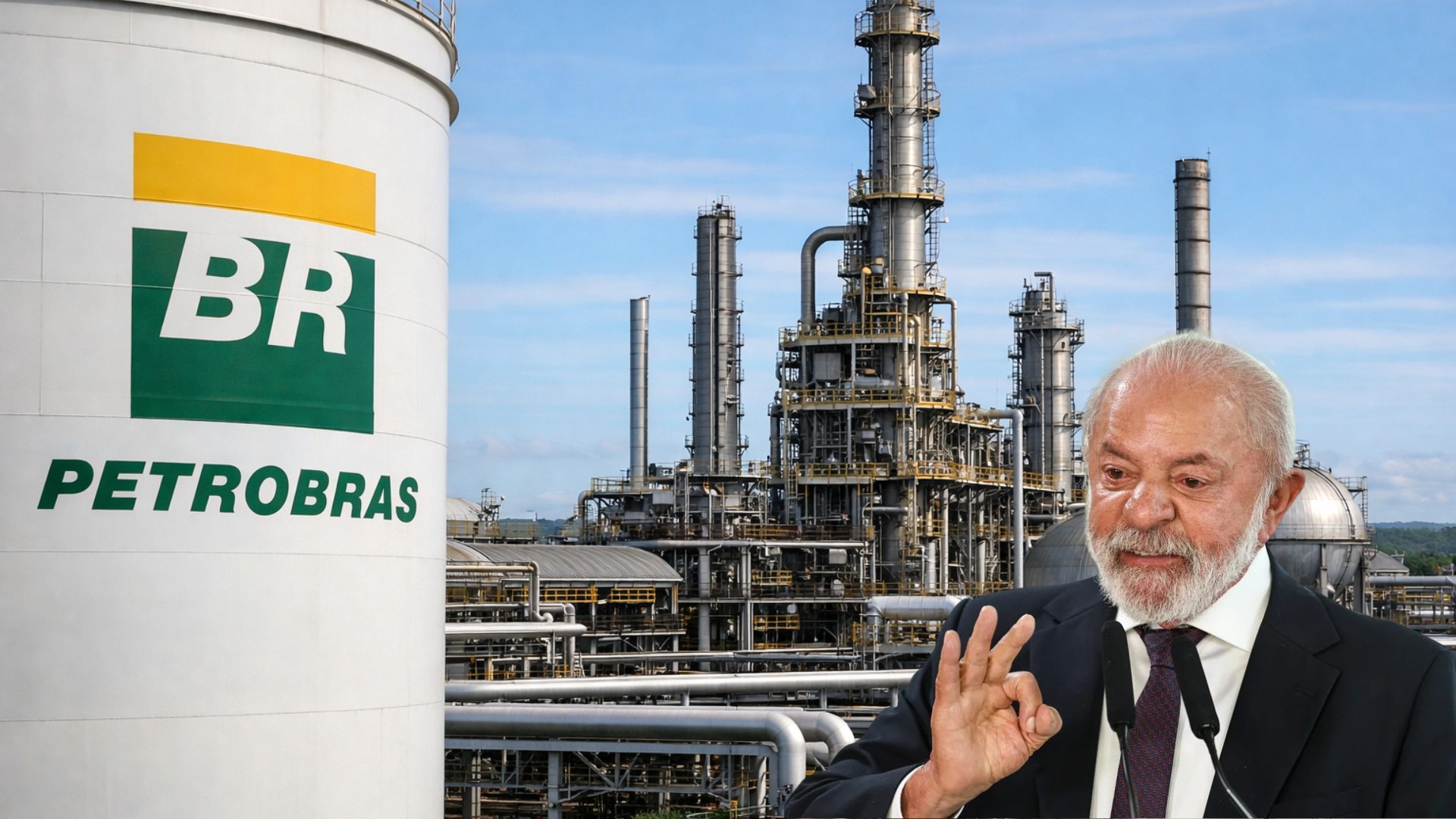
Lula reveals a masterstroke by Petrobras to undo a deal made by Bolsonaro, which involves the return of an important refinery that currently produces less than half of what was expected and makes Brazil dependent on international diesel.
-
A study confirms that the natural gas sector will reduce greenhouse gas emissions in Brazil by 0.5% and accelerate the energy transition by 2026.

-
Petrobras implements a severe adjustment and confirms a 55% increase in the price of aviation kerosene with a proposal for installment payments for the companies.

Legal Dispute Reignites Historical Debate About Compensations
According to the federal government, the distribution criteria follow rules that consider geographical location, production, and environmental responsibility. However, interpretations do not always converge. Thus, cases like the current one highlight the complexity of the system.
Even in the 1990s, similar discussions reached Congress and the STF, showing that the dispute is not new. However, while oil production increased with pre-salt, the amounts involved have risen sharply. Thus, the legal tension has followed the same pace. Therefore, the agreement proposed now could signal new solutions for future conflicts.
Mayor Eduardo Paes stated, according to the site R7, that the redistribution seeks regional balance. He emphasized that Rio intends to act cooperatively, even while being heavily dependent on these revenues. On the other hand, Washington Quaquá stressed that Maricá is experiencing a moment of fiscal stability and therefore can forgo part of the funds. The statements from both reflect that the act has strong symbolic and political weight.
Economic and Social Impact on the Involved Municipalities
The influx of new resources to São Gonçalo, Magé, and Guapimirim could boost investments in education, health, and urban infrastructure. These cities face accumulated challenges over decades, such as a lack of sanitation and population growth without proper planning. Thus, the redistribution could stimulate more structured public policies.
However, experts warn that the use of royalties should follow strict criteria. According to the Federal Court of Accounts, published in studies in 2024, a significant portion of Brazilian municipalities with oil revenues has failed to transform the cycle of abundance into sustainable development. Nevertheless, the current moment offers an opportunity to correct paths.
Moreover, the STF plays a central role in mediating conflicts and ensuring legal certainty. Therefore, the ratification could inaugurate a phase of regional cooperation. The agreement also reaffirms that the debate about oil needs to consider social impacts and not just macroeconomic indicators.
The Role of Fiscal Sustainability in Royalty Management
Although many associate the term sustainability solely with the environment, it also encompasses responsible financial management. In this regard, public finance experts argue that revenues from volatile sources require long-term planning. Thus, municipalities excessively dependent on royalties may face crises when oil prices fall.
The growing interest in fiscal balance has been present since the early 2000s when the federal government established stricter transparency rules. According to the Institute for Applied Economic Research, economic diversification policies reduce vulnerabilities and ensure lasting growth. Therefore, the current redistribution should be accompanied by efficient management measures.
Additionally, the strong volatility of international markets reinforces the need for caution. Oil has gone through intense cycles, such as the downturn in 2014 and the price collapse in 2020. Therefore, experts emphasize that the favorable moment does not guarantee future stability.
History of Oil in Brazil and Its Relevance to Municipalities
The trajectory of oil in Brazil gained prominence from the exploration of deep waters. Since then, regions like the fluminense coastline have begun to receive billion-dollar investments. Consequently, previously small cities have rapidly transformed.
However, throughout history, challenges related to inequality between producing and non-producing municipalities have arisen. Therefore, the discussion about royalties has always involved distributive justice. According to the Ministry of Mines and Energy, the legislation seeks to compensate for socio-environmental impacts and stimulate local development. However, distinct interpretations generate recurring disputes.
The agreement between Rio and Maricá could enter this history as an example of regional cooperation. Nevertheless, it will be essential to evaluate the practical effects in the coming years. Still, experts assert that the political gesture already represents progress.
Future Paths and Institutional Strengthening
The current debate demonstrates that Brazil needs broader policies regarding the use of resources derived from oil. Furthermore, municipal governments increasingly depend on planning to ensure stability. In this way, the pact established could inspire other states to seek similar solutions.
While the STF evaluates the details, society is closely watching. This is because royalties are directly linked to the quality of life of the population. Therefore, the decision could influence both the political and economic landscape.
At the same time, international discussions about energy and climate reinforce the importance of using oil resources efficiently. According to the International Energy Agency, the world needs to balance development and climate responsibility. Thus, responsible management of revenues becomes even more relevant.








Seja o primeiro a reagir!