





 Portuguese
  English
  Spanish
  4 min of reading
  0 comments


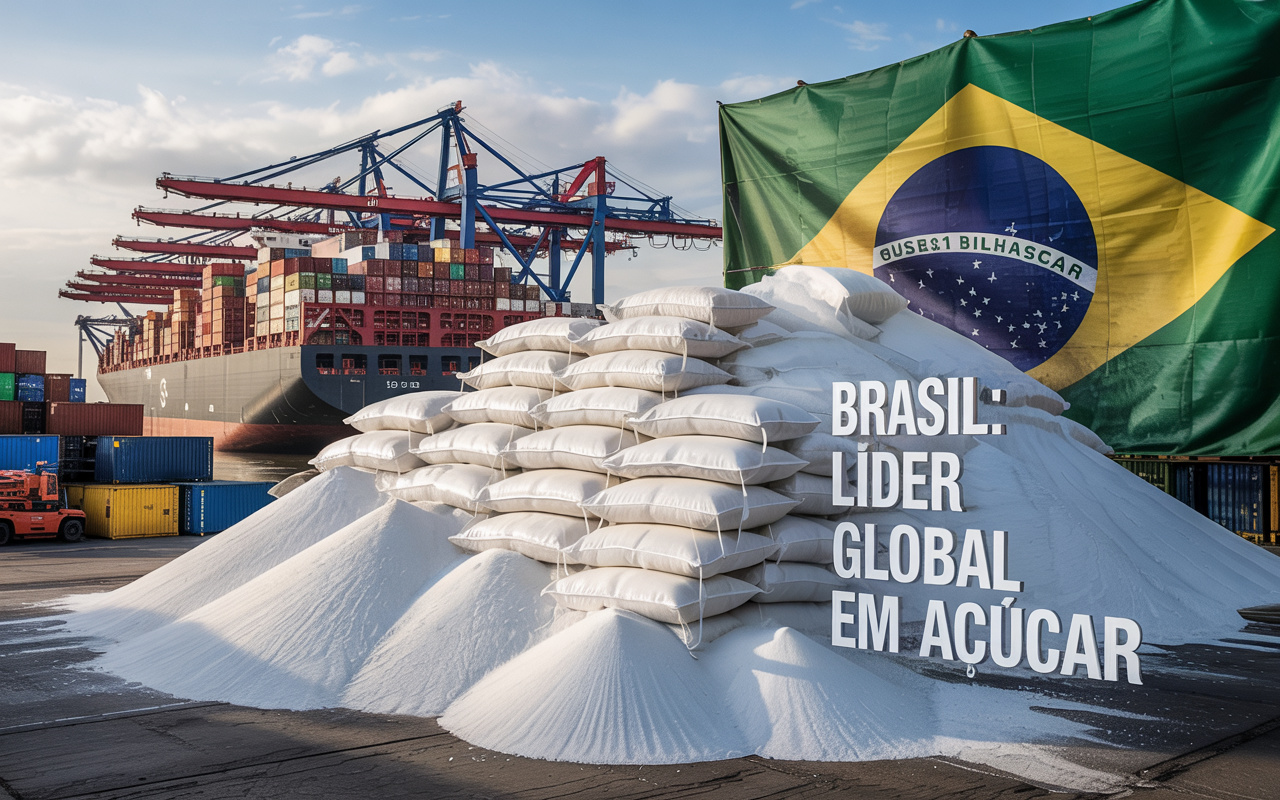
Brazilian Sugar Surpasses US$ 1 Billion in Exports in 2025, Strengthening Global Leadership, but Facing Environmental Pressure from the European Union.
2025 marks another historic chapter in Brazilian agribusiness: sugar has already surpassed the mark of US$ 1 billion in exports just in the first half of the year, consolidating the country as the largest global supplier of the commodity. This achievement is not accidental. It reflects the technological efficiency of the sugar-energy sector, the strength of Brazilian logistics, and an international scenario in which competitors are losing ground due to climate crises and supply restrictions.
For Brazil, this record is not just a number. It confirms that sugar is a strategic asset in the midst of the energy transition (with ethanol as a direct byproduct of sugarcane), commercial disputes, and the global quest for large-scale food.
How Brazil Became a Leader
Brazil’s trajectory in the global sugar market is long-term. Today, the country accounts for nearly 40% of all global trade. In 2024, it exported over 30 million tons, and in 2025 the projection is to exceed 35 million.
-
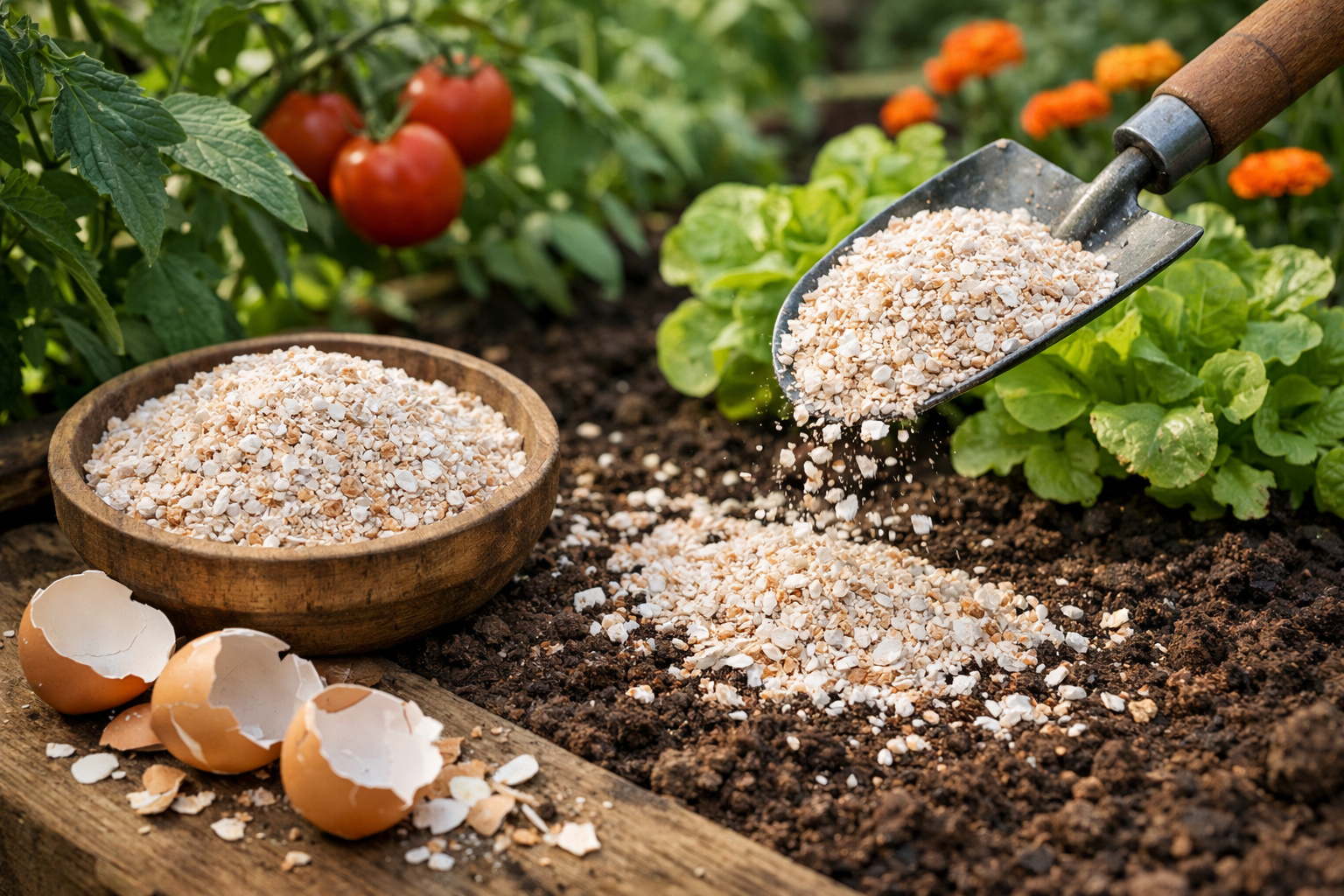
The eggshell that almost everyone throws away is made up of about 95% calcium carbonate and can help enrich the soil when crushed, slowly releasing nutrients and being reused in home gardens and vegetable patches.
-
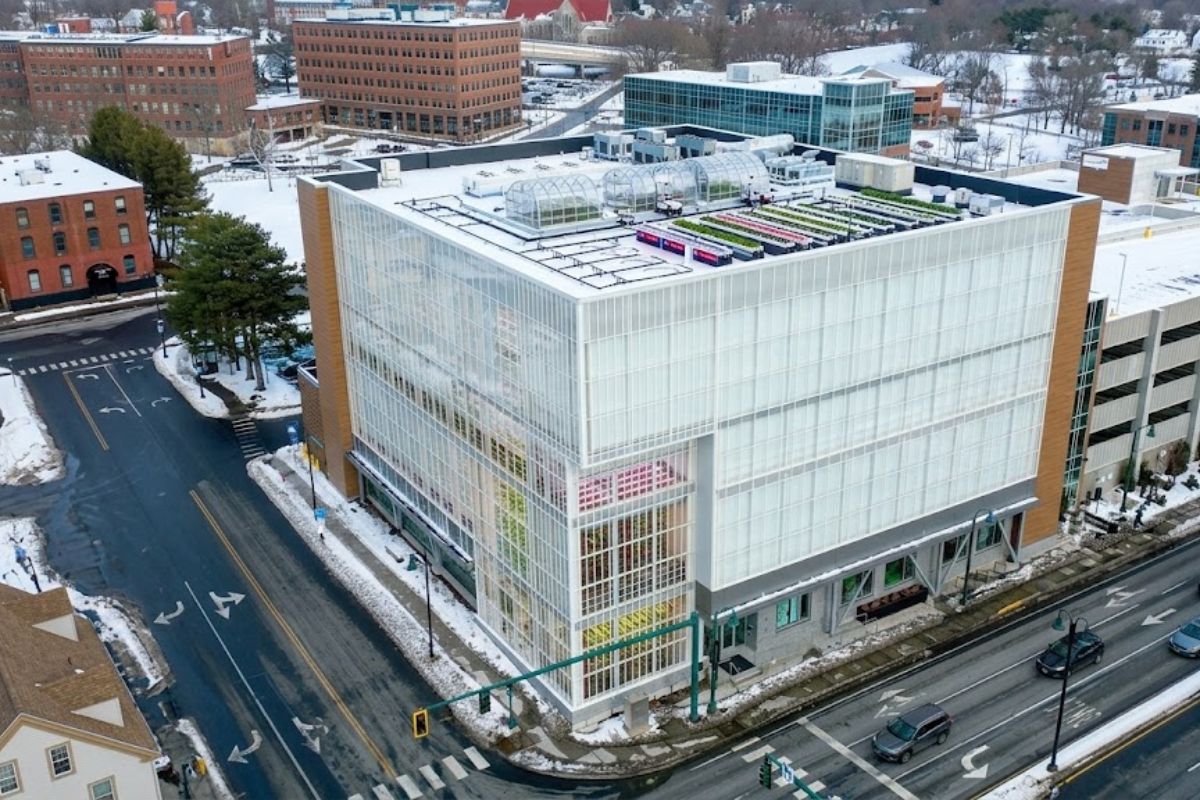
This farm in the United States does not use sunlight, does not use soil, and produces 500 times more food per square meter than traditional agriculture: the secret lies in 42,000 LEDs, hydroponics, and a system that recycles even the heat from the lamps.
-
The water that almost everyone throws away after cooking potatoes carries nutrients released during the preparation and can be reused to help in the development of plants when used correctly at the base of gardens and pots, at no additional cost and without changing the routine.

-
The sea water temperature rose from 28 to 34 degrees in Santa Catarina and killed up to 90% of the oysters: producers who planted over 1 million seeds lost practically everything and say that if it happens again, production is doomed to end.


Among the factors that explain this leadership:
- Ideal Climate and Soil: sugarcane grows with high productivity in states like São Paulo, Goiás, and Mato Grosso do Sul.
- Cutting-edge Technology: Brazilian mills utilize mechanized harvesting and integrated processing to simultaneously produce sugar and ethanol.
- Logistical Competitiveness: ports like Santos and Paranaguá handle millions of tons with increasing efficiency.
- Favorable Currency: the appreciation of the dollar against the real increases the attractiveness of exports.
The Space Left by India
If Brazil is advancing, part of it is due to the retreat of competitors. India, the second-largest producer in the world, suffered in 2024 and 2025 from prolonged droughts that drastically reduced supply.
To protect the domestic market, New Delhi restricted exports — immediately opening space for Brazil to close billion-dollar contracts.
This movement raised the international price of sugar, and Brazilian mills took advantage to secure substantial margins. As a result: buyers from Asia, the Middle East, and Africa turned to Brazil as a trusted supplier.
The Impact of China and Arab Countries
Although India is a direct competitor, China emerges as a growing consumer of Brazilian sugar, mainly refined sugar to meet its industrial and food demand. Arab countries have also increased purchases, driven by the need to secure stocks amid a backdrop of international instability.
This diversification of clients gives Brazil an even stronger position: the country does not depend on a single buyer, but can simultaneously serve multiple strategic markets.
Pressure from the European Union and the Ghost of Sustainability
However, success comes with criticism. The European Union pressures Brazil to adopt stricter sustainability certifications.
The European regulation against deforestation (EUDR), which comes into force by 2026, will require proof that agricultural products — including sugarcane — are not associated with deforestation or environmental degradation.
Although the Brazilian sugar-energy sector defends that sugarcane is mostly grown in areas far from the Amazon, environmentalists warn of risks in the Cerrado areas and the indirect impacts of the expansion of the crop.
This clash adds a geopolitical layer: while Europe tightens demands, emerging countries prioritize price and reliability, increasing dependence on Brazilian sugar.
Sugar, Ethanol, and the Energy Transition
Another asset for Brazil is the integration between sugar and ethanol. In years of high international prices, mills direct more sugarcane to sugar. When energy demand rises, they boost ethanol production. This flexibility ensures competitiveness and positions the country as a global reference.
In 2025, part of the sugar export boom is linked to this fine-tuning: the surge in international prices led many mills to prioritize external contracts, while still meeting the domestic ethanol market.
The Weight of the Sector in the Economy
The sugar-energy sector in Brazil generates hundreds of thousands of direct jobs and is one of the main contributors to the trade surplus.
In 2024, it generated over US$ 17 billion in exports. In 2025, the numbers are expected to be even higher, highlighting the level of US$ 1 billion already surpassed just in the first months of the year.
This performance reinforces the importance of sugarcane not only as an agricultural crop but as the basis for a complex, diversified, and globally integrated industry.
Despite the record, experts warn: it is necessary to transform Brazilian sugar into a product with a higher added value.
Undisputed Power in the Global Sugar Market
The dependence on exported volume leaves the country vulnerable to fluctuations in international prices. Investing in derivatives, bioplastics, and sugar-chemical base products could be the next step to consolidate leadership.
At the same time, logistical bottlenecks remain. Overloaded ports, internal transportation costs, and the need for more modern infrastructure continue to be barriers to sustainable growth.
Brazil begins 2025 as an undisputed power in the global sugar market, with exports above US$ 1 billion already recorded. But the victory has a dark side: environmental criticisms, the risk of trade retaliations, and vulnerability to price changes.
The future of Brazilian sugar may be sweet and promising — if the country knows how to transform its dominance into a long-term strategy. Otherwise, it risks becoming a hostage to an increasingly competitive and demanding market.







-

-

-

-

-

-

29 pessoas reagiram a isso.