





 English
  Francês
  Alemão
  Italiano
  Japonês
  Norueguês
  Portuguese
  Spanish
  3 min of reading
  0 comments



Outlook for the Oil and Gas Sector: 15% of Industrial GDP, US$180 Billion by 2031, Driven by Two New Floating Units in the Pre-Salt, Focus on Clean Energy and Compliance.
The outlook and challenges for the oil and gas sector indicate a promising scenario in the coming years. With the projection of 15% of industrial GDP being represented by this area, significant investments, which may reach up to US$180 billion by 2031, are on the horizon. The drive behind these positive expectations largely comes from new floating units in the pre-salt, which strengthen Brazil’s strategic position in the global market.
In addition to structural advancements, the oil and gas sector is prioritizing commitment to clean energy and compliance practices, aligning with global sustainability demands. For the oil industry, this alignment is crucial, as the energy sector is in constant transformation. The adoption of new technologies and the pursuit of operational efficiency are factors that will determine both the competitiveness and relevance of Brazil in this segment.
“`html
-
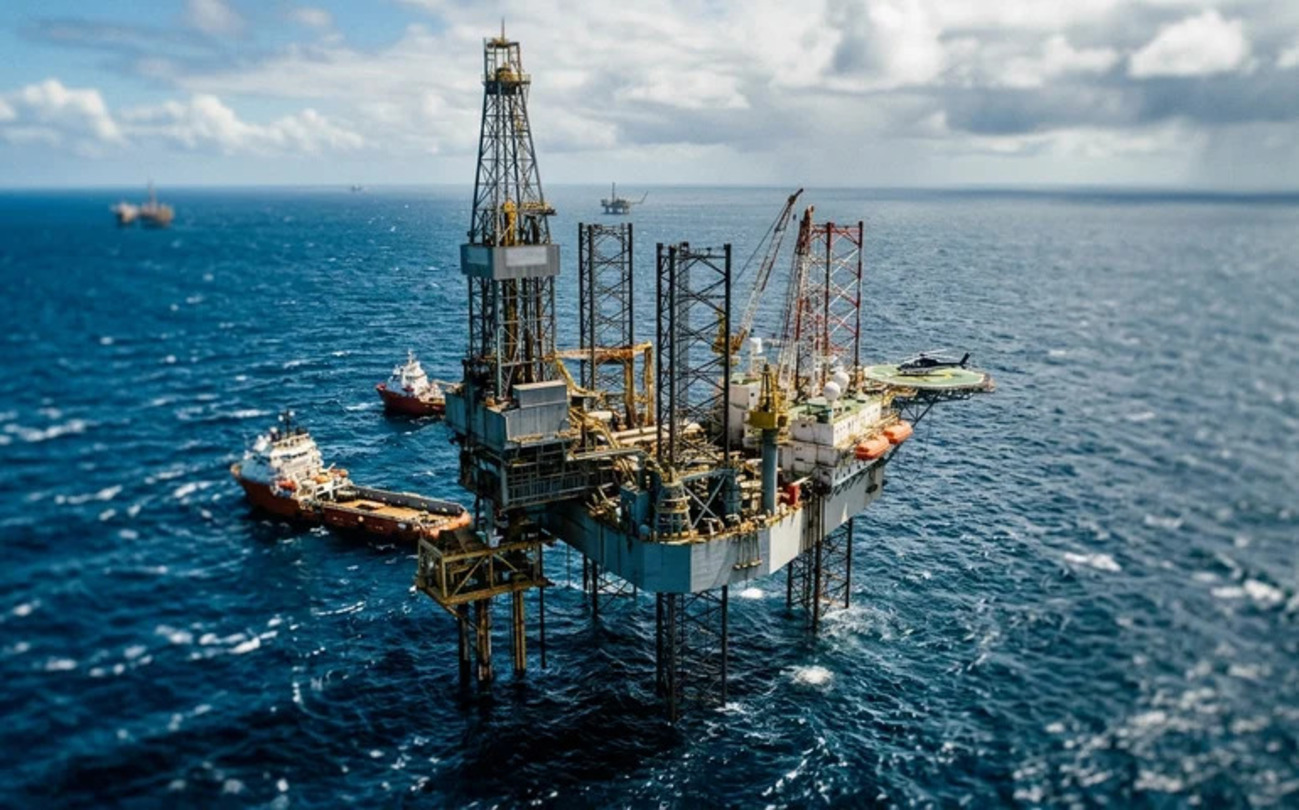
Brazilian giant expands borders in the Southeast: Petrobras confirms new oil discovery in ultra-deep waters in the pre-salt of the Campos Basin.
-
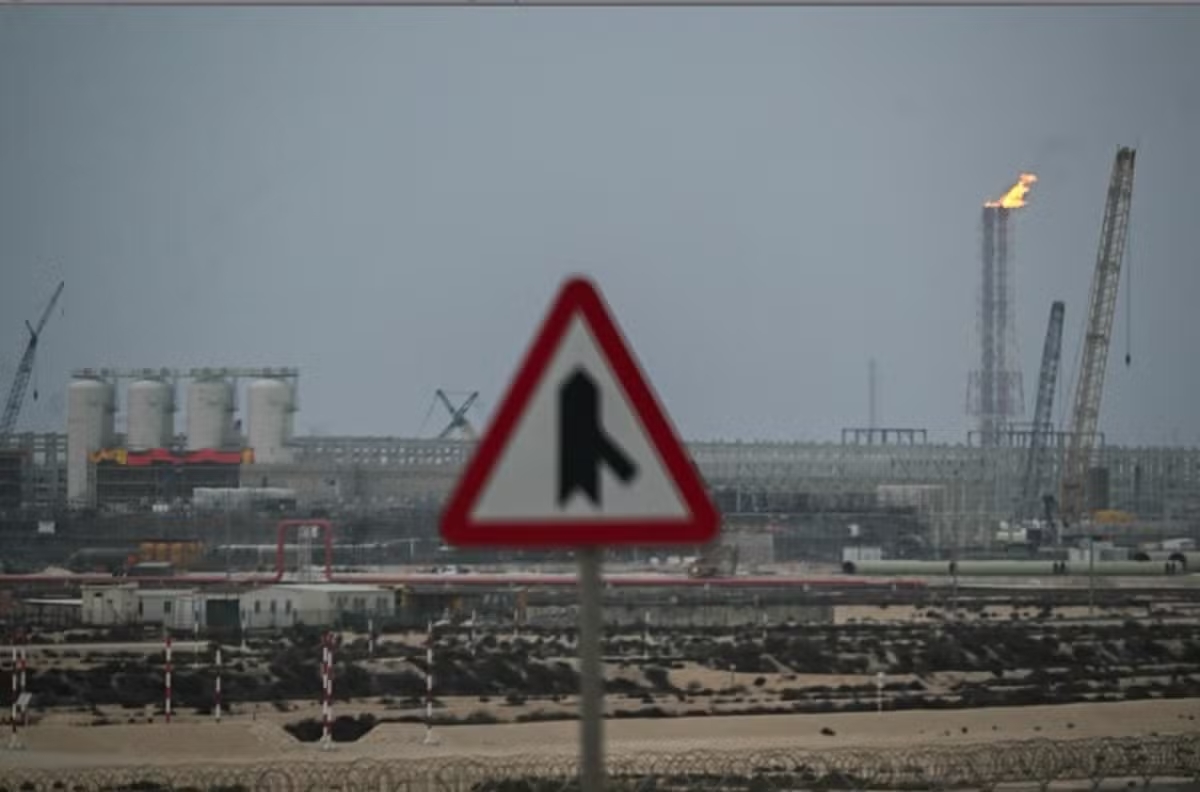
Alert in the global energy market: Severe tropical cyclone hits the coast and disrupts gas production at major plants in Australia, threatening global supply.
-
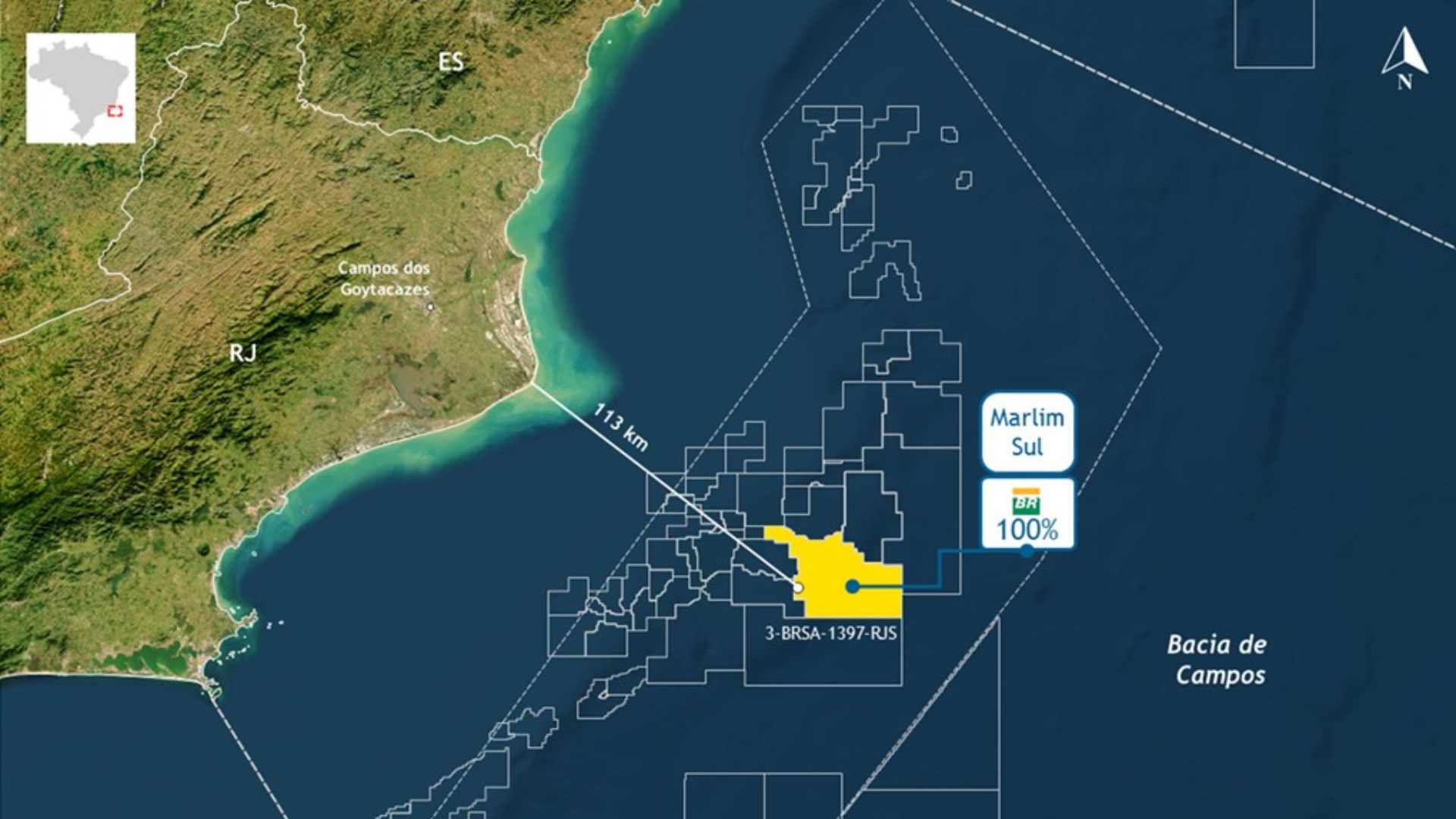
Petrobras finds high-quality oil in the pre-salt at 113 km from RJ and reignites expectations about strategic reserves in the Campos Basin.

-
Ocyan opens registrations for startups focused on innovation in the oil and gas sector and will select projects for Innovation Day with the support of Nexio.

The oil and gas sector plays a crucial role in the country’s economy. It represents about 15% of the Gross Domestic Product (GDP) industrial, with significant investments expected for exploration and production. It is estimated that approximately US$180 billion will be invested by 2031, according to the Brazilian Institute of Oil and Gas. However, S&P Global suggests that the growth in production in the oil and gas industry will occur at a slower pace compared to previous years.
The Importance of New Floating Units
According to a recent report, the increase in production will be primarily driven by two new floating storage and offloading units (FPSOs) located in the pre-salt of the Santos Basin. Initially, Petrobras’s plan included two additional FPSOs, but these have been postponed to a future date, impacting growth forecasts.
Factors Shaping the Future of the Energy Sector
The future outlook for the oil and gas industry is influenced by various factors, including environmental pressures, regulatory changes, and the growing demand for clean energy. The Brazilian Institute of Oil and Gas (IBP) highlighted that the sector is increasingly focused on low-carbon solutions and sustainable technologies, in response to the demands for more responsible practices.
Transformations in Oil Companies in Search of Sustainability
Investor pressures and stricter regulations are motivating the oil industry to transform its operations in response to declining oil demand. Oil companies are progressively becoming energy companies, using their knowledge in offshore operations for wind energy production and leveraging existing pipeline infrastructure for hydrogen transportation.
Investments in Innovation and Alternative Energy
An important strategy for oil and gas companies is to increase investments in research, development and innovation (R&D) in alternative energy sources. In addition to diversifying the energy portfolio, this focus aims to reduce greenhouse gas emissions, contributing to sustainability goals.
The Complexity of the Regulatory Environment
The regulatory environment of the oil and gas industry is complex and constantly changing. Regulations cover everything from environmental licensing and operational safety to taxation and corporate governance aspects. Adapting to regulatory changes is essential and requires stringent compliance.
Specialized Consulting for Regulatory Navigation
To navigate this challenging regulatory landscape, it is crucial to have specialized consultants and auditors. These professionals possess the deep knowledge necessary to identify risks, opportunities, and ensure the implementation of best compliance practices, essential for the sustainability of operations.
Preparation for a Resilient Future
Companies should adopt a proactive approach, preparing to deal with the challenges of a constantly evolving environment. The ability to adapt and resilience will be crucial. Companies that embrace sustainability and regulatory compliance will be better positioned to emerge as leaders in the global energy landscape.
“`
Source: Bradlei Moretti, CEO of Berkan Consulting and Auditing









Seja o primeiro a reagir!