





 Portuguese
  English
  Spanish
  5 min of reading
  4 comments


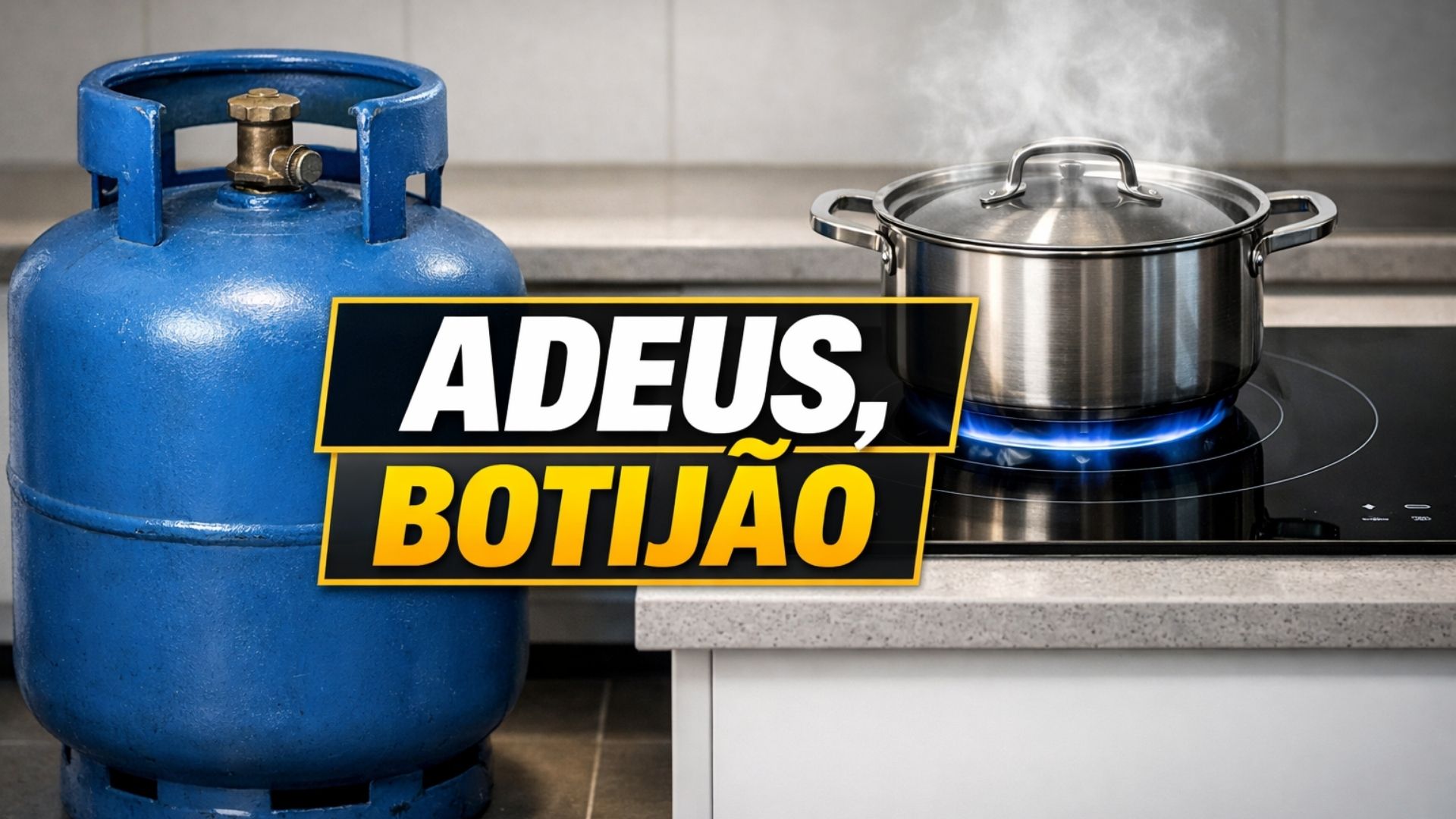


Electric Technology Advances In Brazilian Kitchens, Reduces Use Of Gas, Changes Consumption Habits, Requires Structural Adaptation, And Expands Debate On Safety, Costs, And Energy Efficiency In Homes, Condominiums, And New Properties.
The gas cylinder, a traditional item in much of Brazilian kitchens, is losing ground to an electric alternative that dispenses with flame and reduces risks associated with the use of LPG: the induction stove.
The substitution appears more frequently in new properties and planned kitchens, where the equipment is usually installed as a cooktop.
At the same time, the presence of portable models is growing, used both as a complement and as a replacement for conventional stoves.
-
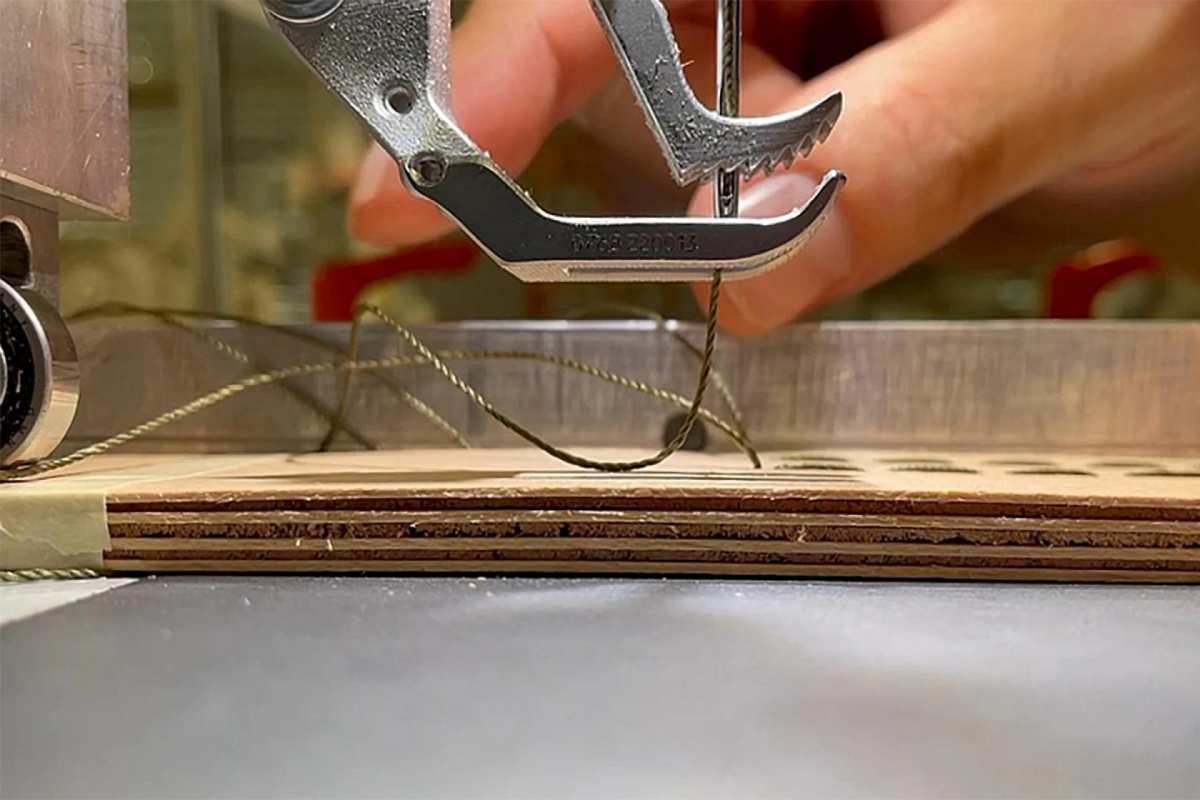
A simple stitch in wood with nylon thread can reduce adhesives, speed up production, and make sheets up to 4 times stronger and 14 times more difficult to break.
-
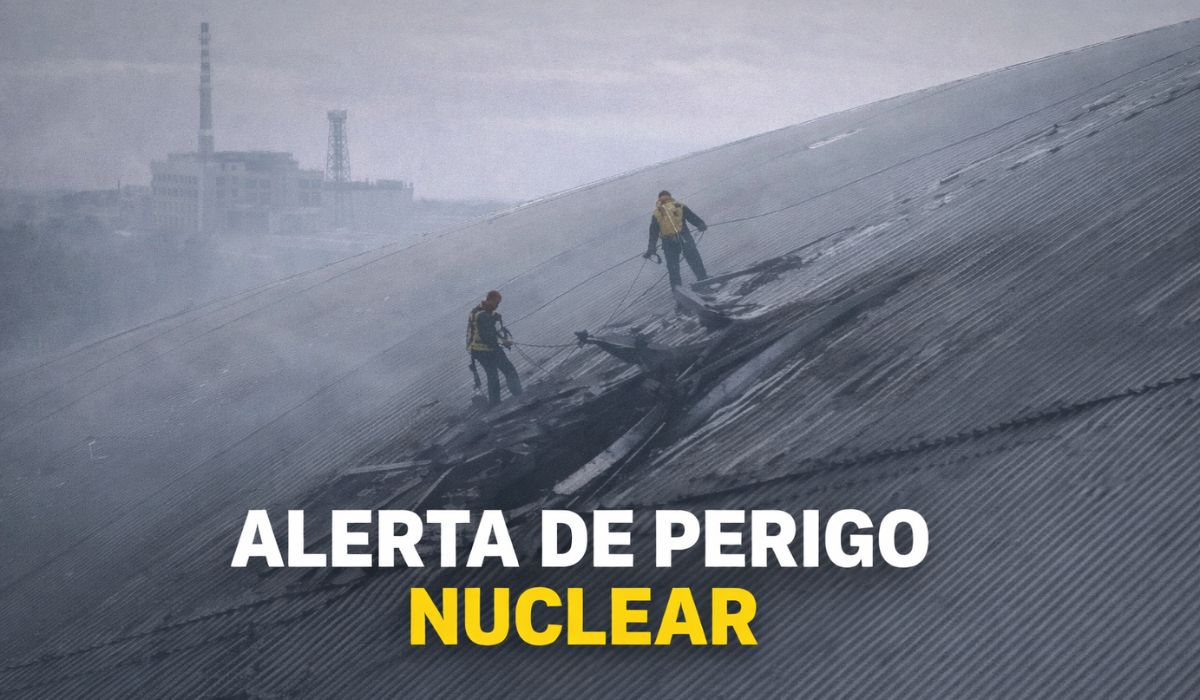
The gigantic steel shell built to contain Chernobyl for a century has been pierced by a drone, exposing a critical system and creating a hole that could cost over 500 million euros to repair.
-
Brazilian Navy reaches a new level by taking over an airport with a 1,600-meter runway used by 1,800 military personnel and autonomous attack drone testing.

-
The Himalayas continue to grow to this day, with tectonic plates advancing 5 cm per year, mountains rising up to 10 mm annually, and the 2015 earthquake that killed 9,000 people may have increased the risk of an even larger seismic mega-event.


Unlike gas systems, the induction stove works through an electromagnetic field that heats the bottom of the pot directly, without the need for combustion.
This mechanism concentrates energy in the container used for cooking and reduces heating of the surroundings.
The operation alters aspects of safety and maintenance in the domestic environment.
The expansion of this type of equipment accompanies changes in Brazilian consumer behavior.
In recent years, part of the population has begun seeking solutions associated with practicality, risk control, and more rational energy use.
Manufacturers and retailers report an increase in supply and greater diversity of models available in the national market.
This movement has expanded access to technology across different income brackets.
Operation Of The Induction Stove And Domestic Safety
In induction stoves, there is no visible flame or gas release during food preparation.
The glass surface does not produce heat directly.
Heating occurs indirectly, by contact with the already hot pot.
This operation differs both from gas stoves and traditional electric models, which use a heating element to generate heat.

According to manufacturers and home safety experts, the absence of combustion reduces risks associated with gas leaks, explosions, and poisoning.
Nonetheless, the use of the equipment does not eliminate basic precautions in the kitchen environment.
Hot pots, boiling liquids, and hot surfaces still require attention.
This caution is especially relevant in homes with children.
Another frequently highlighted technical point is the quick heating response.
Since energy is transferred directly to the pot, power control tends to be more immediate.
This feature facilitates adjustments during cooking and influences the total cooking time.
Electricity Consumption And Impact On The Electric Bill
The relationship between induction stove and savings on the electric bill depends on factors that vary according to each home’s profile.
The final consumption is influenced by usage time, the power of the equipment, and cooking habits.
The electricity rate applied during the period also directly affects the final amount.
In Brazil, the electric bill may increase according to the tariff flag system.
This mechanism reflects the cost of energy generation at each moment.
During periods of higher flags, any increase in consumption tends to have a greater impact on the household budget.
For this reason, direct comparisons between gas and electricity expenses require individualized analysis.
From a technical point of view, the induction stove demonstrates high efficiency of the energy used.
Heating occurs directly at the bottom of the pot, with less dissipation to the environment.
Energy efficiency experts point out this aspect as one of the factors explaining the growing interest in the technology.
Nevertheless, financial results depend on local conditions and usage patterns.
Compatible Pots And Adaptation Cost

The adoption of the induction stove involves a technical requirement that impacts the cost of the change.
The equipment requires the use of pots compatible with a ferromagnetic bottom.
Among the suitable materials are cast iron and certain models of stainless steel.
Aluminum, glass, or ceramic utensils generally do not work in this type of system.
This detail may require partial or total replacement of the existing set of pots in the home.
According to retailers in the sector, many consumers only realize the limitation after purchasing the stove.
In such cases, the equipment does not recognize certain containers.
For safety, the system automatically interrupts operation.
Additionally, proper use depends on the size and positioning of the pot over the induction area.
In some models, very small containers reduce efficiency or prevent the system from being activated.
This factor requires adaptation in the cooking routine.
Restrictions On The Use Of Gas And Rules In Condominiums
In many residential buildings, the substitution of the gas stove does not occur solely by the resident’s choice.
There are condominiums that impose restrictions on the use of cylinders.
These rules are more common in buildings with a piped gas network.
They may also be related to specific safety regulations.
However, there is no generic federal prohibition on the use of gas cylinders in apartments.
The rules vary according to state and municipal legislation.
Requirements from the Fire Department also influence this scenario.
Moreover, internal regulations of each condominium may impose additional limitations.
In this context, the induction stove emerges as an alternative for residents facing structural restrictions.

The technology also attracts those who prefer to avoid adaptations to the gas system.
In properties with regular piped gas supply, the decision usually involves other criteria.
Among them are total cost, need for electrical adjustments, and preference for the type of cooking.
Cleaning, Design, And Changes In Kitchen Routine
Another aspect associated with the expansion of induction is the ease of cleaning.
Since the surface does not need to reach high temperatures to generate heat, splashes and residues tend to adhere less intensely.
This reduces the time dedicated to daily maintenance.
The design of the equipment also influences the organization of the space.
In general, the induction stove is integrated into the countertop.
The absence of grates and burners facilitates access to the surface.
This feature modifies the layout of the kitchen, especially in designed projects and apartments with integrated areas.
Despite these functional advantages, experts warn of the need for attention to installation.
The electrical infrastructure of the property must be compatible with the chosen equipment.
More powerful models may require dedicated circuits and appropriate circuit breakers.
Without this verification, there is a risk of overload and frequent shutdowns.
This scenario reinforces the importance of technical evaluation before the swap.
With the expansion of supply and greater familiarity of the public with the technology, the gas cylinder is no longer the only option in Brazilian kitchens.
The equipment now shares space with electric systems that change the way of cooking.
In practice, the choice involves technical, economic, and structural factors. Which of these elements tends to weigh more in the decision of the Brazilian consumer?







Acaba a luz, que eu faço? Vou buscar lenha ao mato?
E na falta de energia faz o que. Já tem modelos que funcione com energia solar.
Faltou um comparativo técnico, considerando valores de mercado, consumo médio e poder calorífico de ambos.
A mudança não é muito acessível para a maior parte da população, devido a questões econômicas, principalmente.