





 Portuguese
  English
  Spanish
  4 min of reading
  0 comments



Goodbye, Cars With Fossil Fuel Engines! Brazil Announces End to Gasoline and Diesel Cars. Learn About the Project That Promises to Change Brazilian Streets
Gasoline, diesel, and CNG (also considered a fossil fuel) cars may be on their way out here in Brazil. A Senate bill is proposing the prohibition of the sale and circulation of vehicles powered solely by fossil fuels starting in 2030. Additionally, the bill also mandates a ban on the circulation of these vehicles beginning in 2040.
The proposal aims to encourage the biofuels and electrification industry, aligning with global trends to ban cars powered by fossil fuels.
And Now? They Want to Ban Gasoline and Diesel Cars in Brazil! What Will Be the Consequences?


Senate Bill Aims to Ban the Sale and Circulation of Vehicles Powered by Fossil Fuels
The Senate Bill aims to prohibit the sale and circulation of vehicles powered solely by fossil fuels starting in 2030, with circulation banned from 2040. The proposal also states that vehicles powered by biofuels with methanol will continue to be allowed.
-
The car stored for 38 years: when opening the barn door, what appears is breathtaking and looks like a scene from a movie!

-
Fiat works miracles in the Brazilian market, lowers the price of its 0 km hatch to R$ 69,990, reestablishes the model as the cheapest car in the country, and reignites the battle against Kwid and C3.
-
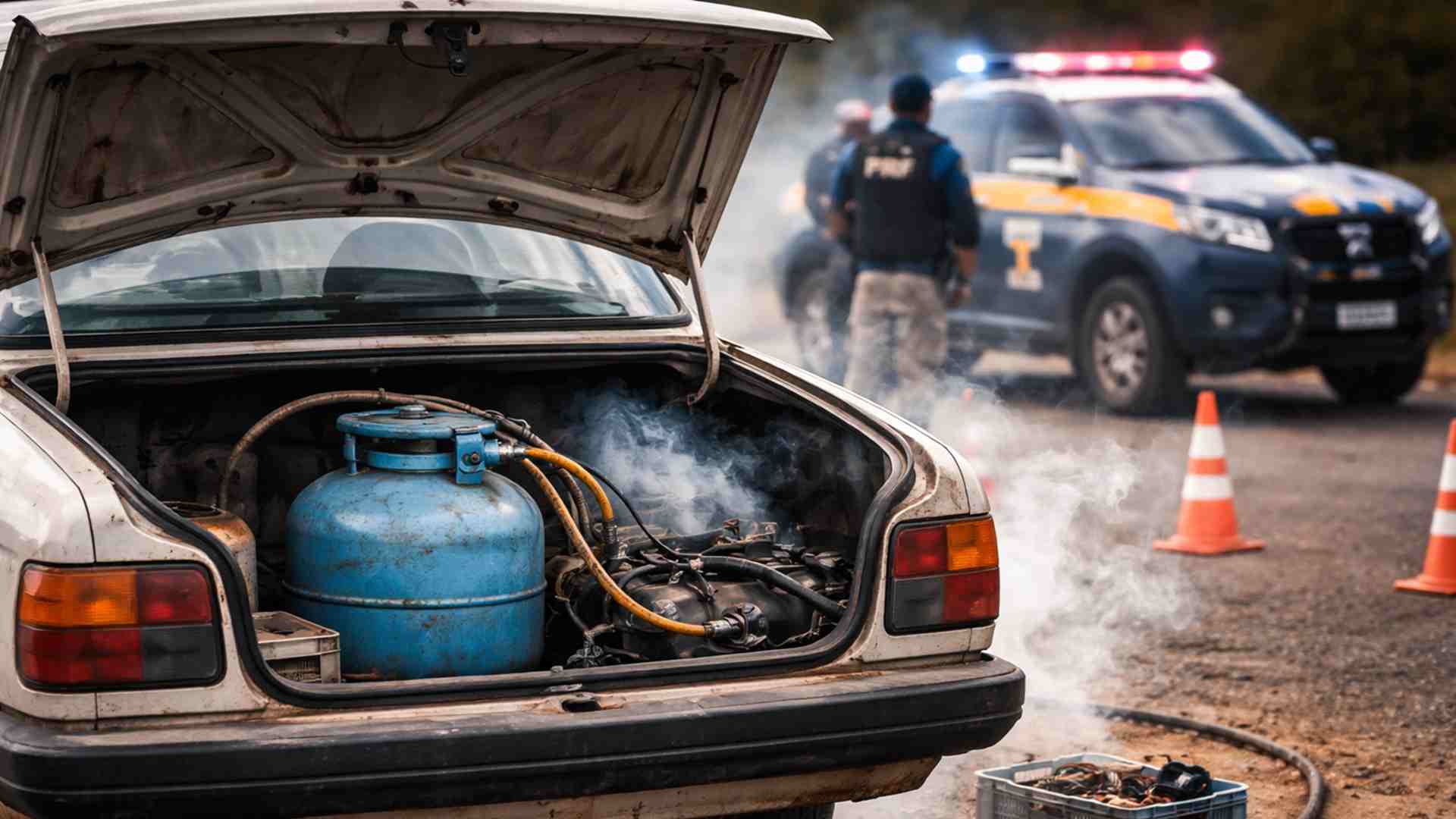
Chevette with cooking gas: How the gas cylinder ends up being used in cars clandestinely and why this makeshift solution can result in leaks, explosions, damaged engines, and seized vehicles.
-
Fiat launches the new 2027 Toro hybrid with 48V, 176 hp, an electric motor of 15.5 hp, a 0.85 kWh battery, up to 7% fuel savings, 8% fewer emissions, and possible exemption from IPVA.


However, the bill provides exceptions for collector vehicles, official vehicles, diplomatic vehicles, and those belonging to foreign visitors. The decision of the Senate Environment Committee is final, meaning that if approved in the committee and no appeal is made in the plenary, the text will proceed for analysis in the House of Representatives.
News Emerges Soon After the Approval of 35% Ethanol Addition to Gasoline, Making Gasoline Practically Ethanol
Following the approval of 35% ethanol addition to gasoline, which makes gasoline practically ethanol, the news of the bill to ban fossil fuel cars also emerged.
The proposal aligns with global trends, such as those in the United Kingdom, France, India, and Norway, which seek to ban cars powered by fossil fuels between 2025 and 2040.
The Ban on the Sale and Circulation of Vehicles Powered Only by Fossil Fuels Will Bring Several Consequences for Brazil
The ban on the sale and circulation of vehicles powered only by fossil fuels will bring several consequences for Brazil. Let’s analyze some possible ramifications of this decision:
It Will Affect Vehicle Imports
It will virtually end, as it will be prohibited to offer vehicles powered solely by gasoline or diesel, unless manufacturers decide to adapt vehicles for operation with biofuel or biodiesel.
Increased Demand for Ethanol May Lead to Ethanol Scarcity in Brazil
Despite being positive, the increased demand for ethanol may lead to scarcity, driving prices up and causing potential supply crises. This could directly affect domestic consumption and the country’s economy.
It May Generate Unemployment and Maintenance Issues
The economy, which relies heavily on diesel-powered road transport, could suffer negative impacts. The fleet of outdated vehicles, not adapted for biodiesel, may lead to unemployment and maintenance issues.
Owners of Older Cars Powered by Gasoline or Diesel Will Be Disadvantaged
With the ban, the national fleet of cars, mostly over 10 years old, will be directly affected. Owners of older cars powered by gasoline or diesel may face challenges with the prohibition on the circulation of these vehicles.
CNG (Compressed Natural Gas) May Also Be Affected
CNG, a clean and efficient fossil fuel, may also be affected, even though it is not renewable. Its prohibition would directly impact owners of CNG-powered vehicles and the supply of this fuel in the country.
Lack of Investment May Lead to Possible Blackouts and Supply Scarcity for Electric Cars
Electrification of vehicles is a solution, but it requires massive investments in infrastructure, not only in capitals but also in rural areas. A lack of investment could lead to possible blackouts and supply shortages for electric cars.
Solutions to Minimize Negative Impacts and Prepare the Country for a Smoother Transition
Given the possible consequences, it is important to consider solutions that can minimize the negative impacts and prepare the country for a smoother transition. Here are some suggestions:
Investment in Biofuels to Avoid Supply Crisis
It is crucial to invest heavily in the biofuels industry to avoid issues of scarcity and off-season. This will ensure a stable supply of ethanol and biodiesel, preventing supply crises and high prices.
Electrification and Infrastructure
In addition to investing in the electrification of vehicles, it is essential to develop a robust infrastructure for charging electric cars across the country. This includes charging stations on public roads and investments in electrical energy to avoid possible blackouts.
Reassessment of CNG
Reassessing the role of CNG as a stopgap solution may be a viable alternative to reduce dependence on fossil fuels without negatively impacting owners of CNG-powered vehicles. This would require investments and specific policies to promote the responsible use of CNG.
Dialogue and Planning Between the Government, Manufacturers, and Fuel Industries
It is essential to have open dialogue and careful planning between the government, manufacturers, fuel industries, and society to find solutions that minimize negative impacts and prepare the country for a sustainable and balanced transition.








Seja o primeiro a reagir!