





 Portuguese
  English
  Spanish
 4 min of reading
  15 comments


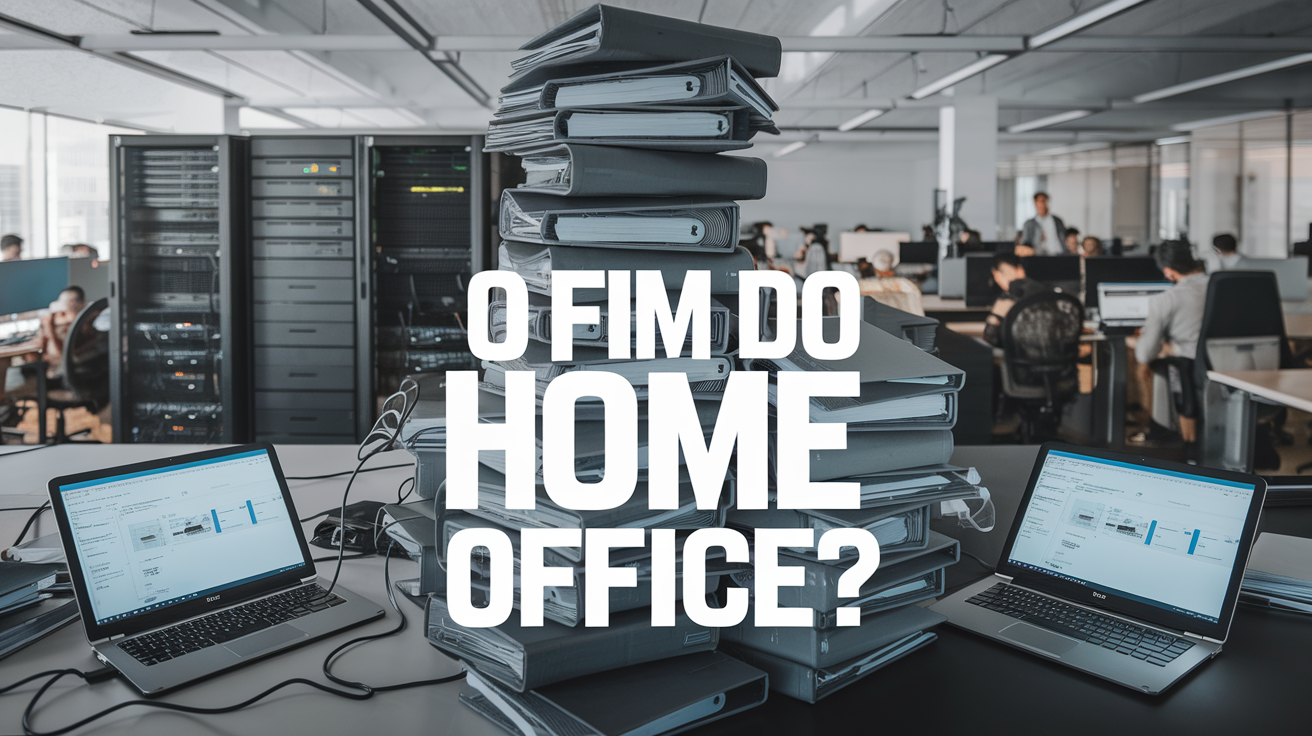


Government Redefines The Future Of Public Service By Imposing 3 Days Of In-Person Work Per Week. The Decision, Published In The Official Gazette, Stirs Civil Servants Who Highlight The Benefits Of Telecommuting, Such As Savings And Quality Of Life.
A Surprising Change Is About To Impact The Lives Of Thousands Of Public Servants In Minas Gerais.
After Years Of Flexibility Provided By The Telecommuting Regime, Widely Adopted During The Pandemic, The State Government Announced A Turnaround That Promises To Rekindle Debates About Efficiency, Savings, And Quality Of Life In Public Service.
The New Rule, Already Found In The Official Gazette Of Minas Gerais, Stipulates That, Starting In January 2025, State Officials Must Attend Work In Person At Least Three Times A Week.
-
Lula reveals in an interview that he asked President Xi Jinping three times to invest in a major project in Brazil, the Salvador-Itaparica bridge, which is set to begin in June with the participation of a Chinese consortium and is expected to be extraordinary, according to the president.

-
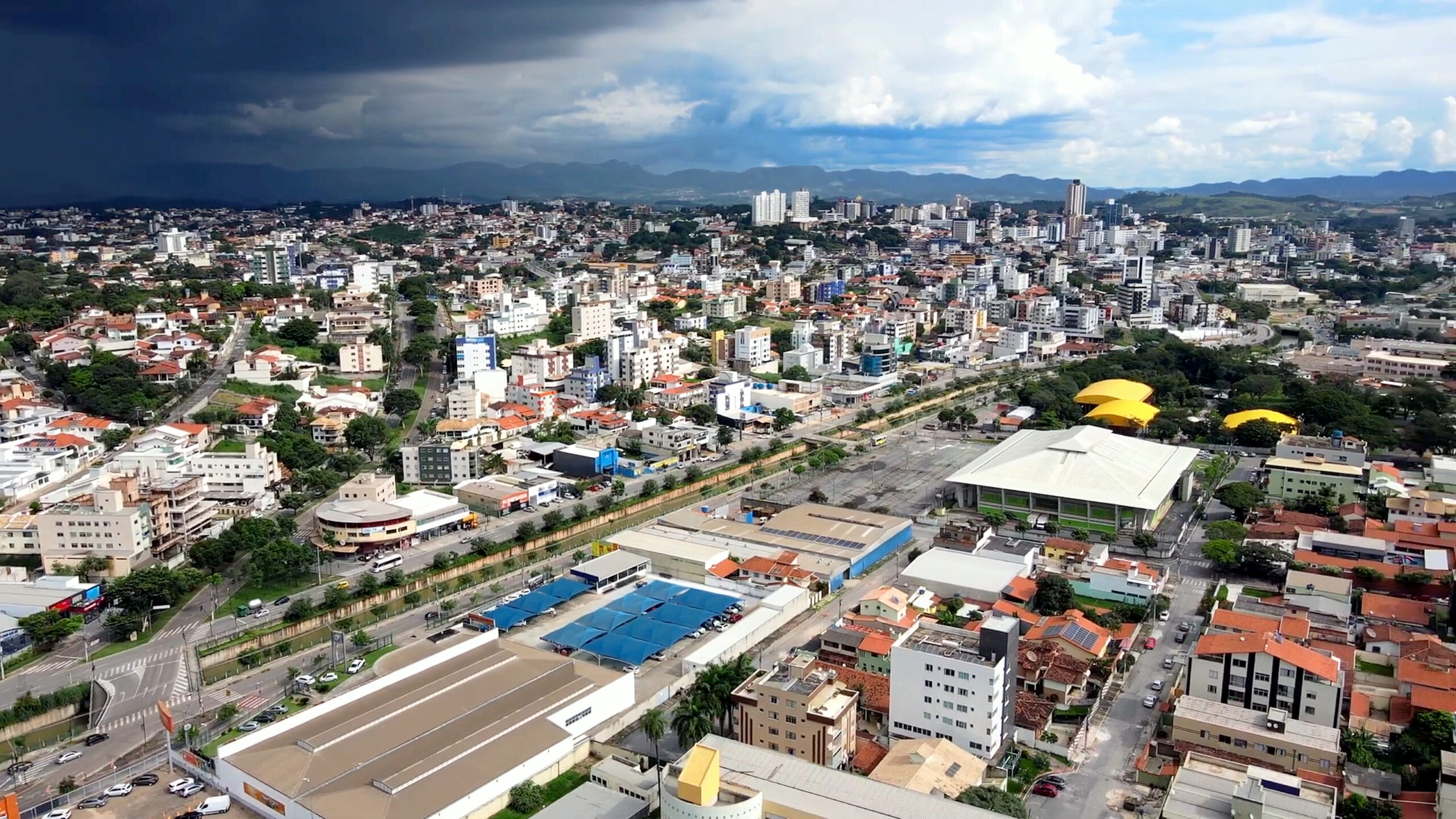
Neighboring city of Belo Horizonte has properties starting at R$ 139,000 with 90 m² and a price per square meter much lower than the capital, even concentrating automotive, petrochemical, and logistics hubs.
-
Drought in northern Bahia forces family farmers to invest in expensive irrigation and seek microcredit from Banco do Nordeste; with high interest rates and a default rate of 6.5%, the debt becomes a threat to the crops.

-
According to the FipeZAP index, Pelotas has the cheapest square meter in Brazil, with properties starting at R$ 90,000 and 33 m², and a market supported by universities, services, and a lower cost of living.

This Decision Marks The End Of A Widely Accepted Model In Various Public Offices Since 2020, When COVID-19 Forced An Urgent Restructuring Of Work Practices.
The Origin Of Telecommuting In The State
Telecommuting Was Introduced In Minas Gerais In April 2020 As A Response To The COVID-19 Pandemic.
At That Time, Social Isolation Required Extreme Measures To Protect The Health Of The Population And Maintain The Continuity Of Services.
During The Pandemic, 49 State Agencies And Entities Fully Adopted The Remote Regime, Allowing Officials To Carry Out Their Tasks Without Leaving Home.
The Transition Was A Milestone Of Modernization In Public Administration, Promoting Flexibility And Reducing Operational Costs.
However, With The Advancement Of Vaccination And The Decline In Contagion Rates, The State Began To Reassess The Model.
In 2023, Officials Were Required To Attend In Person At Least One Day A Week. Each Department Had Autonomy To Regulate Telecommuting, Being Able To Adapt Or Even Revoke It.
Still, Many Officials Benefit Financially From The Remote Regime. Reduction In Expenses With Transportation, Food, And Clothing Were Some Of The Main Advantages Reported During The Most Flexible Phase Of Telecommuting.
The Impact Of The New Resolution
The Recent Decision Raises The Minimum Frequency Of In-Person Work To Three Days A Week.
According To The Joint Resolution Of The State Secretariats Of Planning And Government, The Rule Aims To Strengthen Team Integration And Ensure Greater Efficiency In Services Provided To The Population.
On The Other Hand, The Measure Faces Resistance From Some Officials. Many Claim That Telecommuting Brought Significant Benefits, Both Financial And Productivity-Related.
The Savings On Transportation, Food, And Other Daily Expenses Are Often Cited As One Of The Main Advantages Of The Remote Model.
The Government, However, Argues That Physical Presence Is Essential To Maintain Strategic Alignment Among Teams And Enhance The Quality Of Service To Citizens.
Physical Interaction, According To The State Secretariats, Is Indispensable In Certain Roles, Which Would Have Motivated The Increase In Required Days At The Workplace.
The Reaction Of Civil Servants
Dissatisfaction Led To The Emergence Of The Telecommuting Movement, Organized By Public Servants Who Advocate For The Continuation Of The Hybrid Or Remote Regime.
The Group Has Used Studies And Personal Accounts To Highlight The Advantages Of Telecommuting, Including Greater Quality Of Life And Better Performance In Activities.
According To Members Of The Movement, Remote Work Also Contributes To Reducing Traffic And Pollution In Cities, Aspects That Were Not Sufficiently Considered In The State Government’s Decision.
Moreover, They Argue That Telecommuting Represents Significant Savings For Public Coffers By Reducing Operational Costs, Such As Office Maintenance And Electricity Consumption.
Another Highlighted Point Is The Impact On The Mental Health Of Officials. Many Reported That The Remote Regime Brought More Balance Between Personal And Professional Life, Favoring A Less Stressful And More Productive Work Environment.
Future Scenario And Challenges
Experts Point Out That Returning To The In-Person Regime May Be Challenging For Officials Used To Remote Work.
The Transition Will Require Logistical Adaptations, Including Reorganization Of Physical Spaces And Revision Of Schedules.
Still, The Flexibility Of Remote Work Is A Global Trend That Will Continue To Influence Public Policies.
Countries And Companies Around The World Have Been Experimenting With Hybrid Models That Combine The Best Of Both Formats.
In Minas Gerais, The Issue Remains Polarized. While The Government Argues That The In-Person Model Promotes Greater Engagement, Officials Insist That Productivity Is Not Directly Linked To Physical Presence.
Studies Conducted By Independent Entities Indicate That Telecommuting, When Well-Structured, Can Even Surpass The Performance Of Traditional Models.
A Controversial Decision
According To The Official Gazette Of Minas Gerais, The New Rule Will Come Into Effect At The Beginning Of January 2025, And State Secretariats Will Have To Quickly Adapt To The Changes.
This Restructuring Includes Adjustments In Contracts, Transportation Logistics, And Even Reevaluation Of Goals And Performance Indicators.
The Measure, However, Does Not End The Discussion. The Telecommuting Movement Plans To Intensify Its Actions In 2025, With Protests And Open Dialogues With The Government To Reconsider The Decision.
Will The State Government Yield To The Pressure From Officials Or Stand Firm In Its Decision? The Answer To This Question Will Determine The Future Of Public Work In The State In The Coming Years.







Querem ir na contramão das coisas acabando com o home office. Sem contar com o benefício ao trabalhador e as empresas, até o meio ambiente agradece com menos poluição.
Isso significa que você码 vacationsome sempre que o governo tomar alguma atitude infeliz, que essa ainda seja uma figura paternalista que não entende da maneira como a realidade funcionaPostalCodes.
A questão é que muitas Unidades físicas já não existem mais. Onde irão colocar todos os servidores?
Se diferenciam sobre como será o destino dos servidores que trabalhariam em unidades físicas agora extintas. Swanski afirma que, em vez de encerrar os negócios em um local, seriam feitas parcerias com outros postos para manter viva a atividade funcional. Neste sentido, os servidores poderiam ser realocados para funções de atenção ao cidadão em unidades de atendimento ao público, em condições de reagrupamento.
Um retrocesso. Ambiente de trabalho inóspito. Sem funcionários de limpeza, internet ruim, mobílias velhas e diminuição na profundidade. Fora o aumento de gastos com água, energia, telefone, produtos de limpeza e outros para o escritório e para o servidor combustível, roupas, haja visto não termos uniformes, refeições fora de casa. Um desserviço à comunidade. Enquanto outros setores diminuem até os dias trabalhados na semana.
Rejeitar decisões que escalonam o absentismo como solução logo em um estado que não prescinde da tradicional quadra semanal ressoa como absurdo total.