





 Portuguese
  English
  Spanish
  4 min of reading
  0 comments


New Nuclear Technology Promises to Revolutionize the Global Energy Matrix with a Cost of US$ 9 Billion, Clean Energy, and Scalable Production in the US by 2030
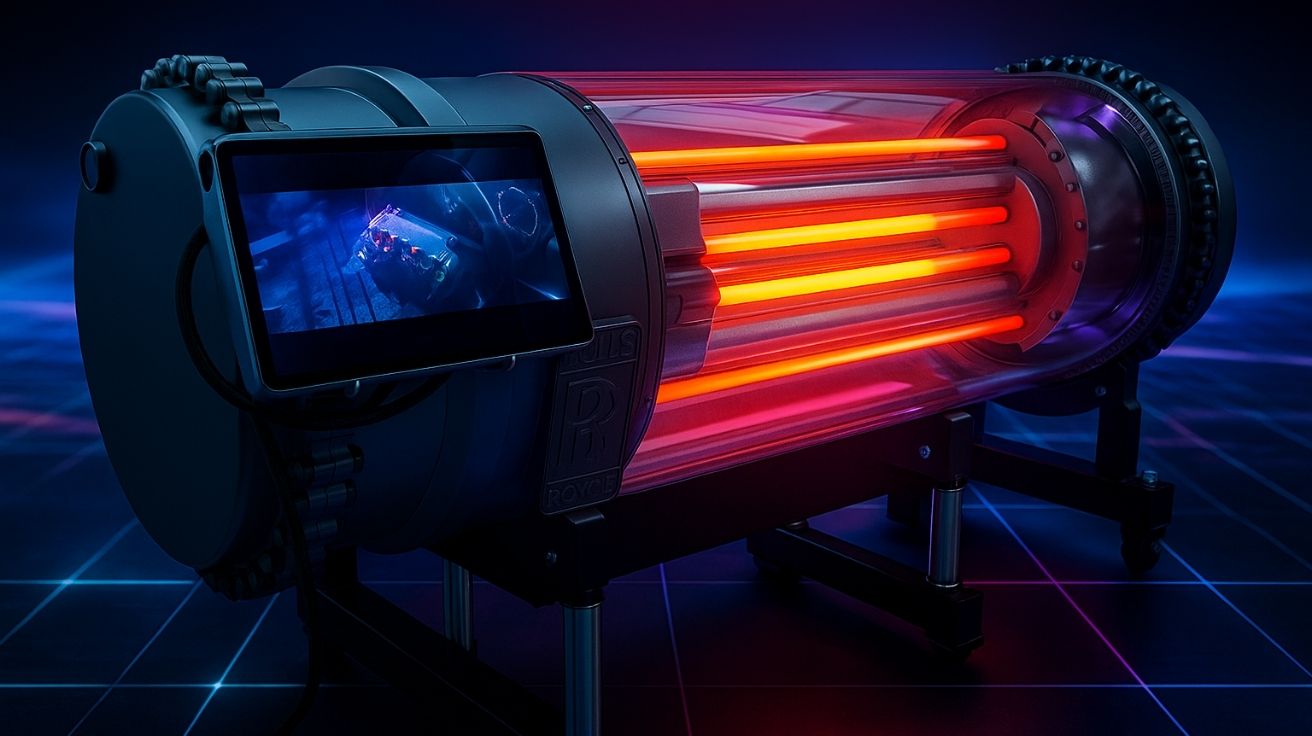
A new phase in energy generation is about to begin in the United States. The country has just approved the project for a small modular nuclear reactor valued at US$ 9 billion, which could redefine the global energy future and represent a significant step towards eliminating the use of oil. The initiative comes from the American company NuScale Power, which bets on a model of compact, safe, and scalable nuclear generation capable of delivering up to 462 megawatts per plant.
The technology, known as Small Modular Reactor (SMR), has already aroused the interest of industry giants and technology companies. Produced in factories and transported ready for installation, the modules promise to reduce costs, accelerate the energy transition, and ensure superior safety compared to traditional reactors. With the stamp of approval from the US Nuclear Regulatory Commission, the project is only awaiting partner companies to be built and activated.
What Is a Small Modular Nuclear Reactor?
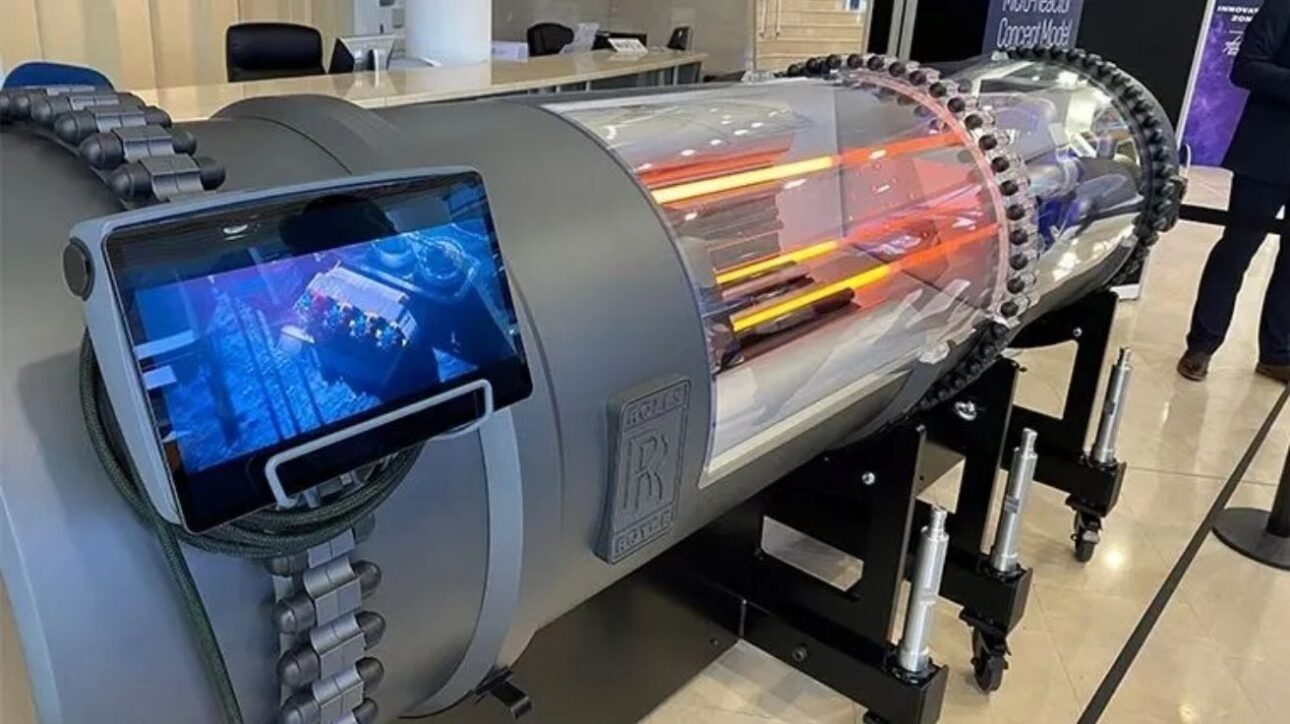
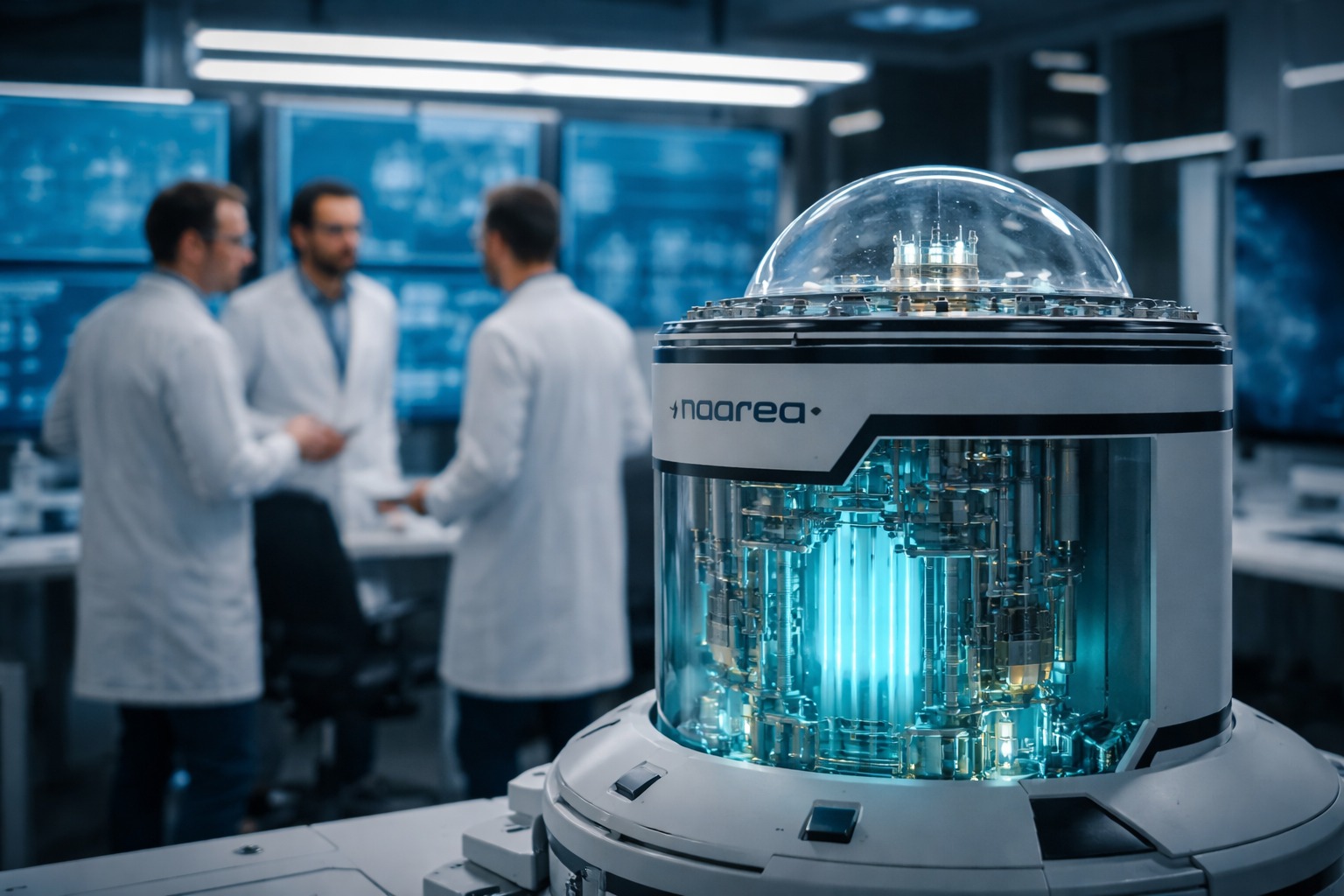
The proposal from NuScale Power stands out for its innovation in format and operation. Instead of building large plants on-site, small modular reactors are manufactured in series and brought to the operation site, ready for installation. Each module can generate 77 megawatts, and plants can combine up to 12 modules, totaling 924 megawatts.
-
Fukushima Marks A Turning Point In Japan’s Energy Policy: After The Disaster, The Country Shut Down Its 54 Nuclear Reactors And, 15 Years Later, Only A Small Portion Have Returned To Operation
-
How Japan Overcame The Nuclear Bomb And Now Houses Millions In Hiroshima, While Ukraine Lost Chernobyl?

-
Bill Gates Receives Historic Approval to Build Giant 345 MW Nuclear Plant in the U.S. and Promises to Generate Up to 500 MW of Energy with Innovative Technology
-
India Opens Nuclear Energy to Private Capital to Accelerate Projects and Attract Billions, While Brazil Remains Stalled at Angra 3 and Discusses Who Will Foot the Bill for Completion
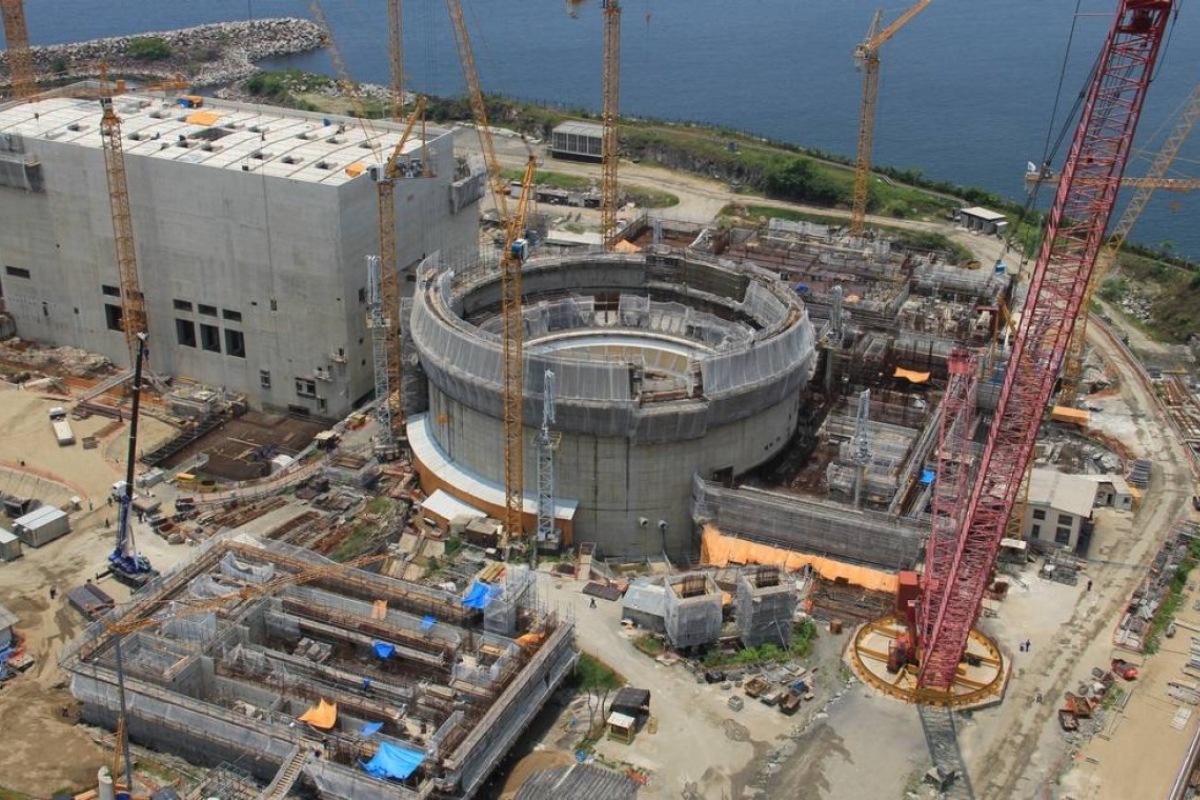

Factory production is a key differentiator. This allows the reactors to reduce construction time, construction risks, and logistical costs. The idea is for them to function as a “plug and play” solution, being installed quickly in remote locations, military bases, data centers, or energy-deprived regions.
In addition, the project includes passive safety features that operate without the need for human intervention in the event of a failure. This is a significant advancement over traditional nuclear systems.
Why Has the Project Not Yet Gone Ahead?
Despite all the promises, the small modular reactor has not yet been constructed. The recent approval from the NRC (Nuclear Regulatory Commission) in the US allows it to be licensed, assembled, and operated, but this depends on interested customers willing to bear the billion-dollar investment.
It is worth noting that NuScale Power previously had a project canceled in 2023, the Carbon Free Power Project, despite a US$ 1.35 billion government subsidy. The reason was increased costs and the withdrawal of partners. Now, the company is pursuing a new approach in partnership with Entra1, which holds the global commercial rights to the technology.
Negotiations with potential buyers are ongoing. Among the interested parties are large technology companies that aim to supply data centers with clean and constant energy by the end of the decade.
The Economic Challenge of SMRs
The main obstacle to the advancement of small modular reactors lies in the costs. The Institute for Energy Economics Analysis (IEEFA) estimates that NuScale’s project could cost up to US$ 9 billion, considering not only the construction of the modules but also expenses related to regulation, infrastructure, and operation.
Recent studies indicate that the levelized cost of electricity (LCOE) of SMRs is still higher than renewable sources like solar and wind. However, technology advocates argue that the potential for production at scale, along with flexibility and safety, may offset the higher costs in the long run.
In countries like Canada and China, similar projects are already being successfully built, which could pave the way for the mass development of this new generation of reactors.
Modular Reactors and the Future of Global Energy
The concept of small modular nuclear reactors is gaining momentum as a viable alternative for the global energy transition. According to the International Energy Agency (IEA), the use of nuclear energy needs to double by 2050 for the world to meet net zero emissions targets.
SMRs could be fundamental in this process, especially due to their ability to be deployed quickly, with fewer infrastructure demands and in isolated regions. In addition to electricity generation, they can be used for desalination, hydrogen production, and industrial heating.
The success of the American project could place the United States at the forefront of a new energy era, directly competing with the already established advancements of China and Russia, which have been operating their first modular reactors since 2020.
The Promise and the Critique: Is It Really the End of Oil?
It is still early to claim the end of oil, but small modular reactors emerge as a powerful weapon in the arsenal of clean energies. Critics warn of the generation of radioactive waste and the high costs of implementation, but supporters argue that efficiency, safety, and carbon neutrality provide enough justification for the investment.
If projects like that of NuScale Power succeed, we could witness unprecedented progress in the democratization of access to clean energy. With a safer, more resilient, and decentralized energy matrix, the impact on fossil fuel consumption could be massive in the coming decades.







-

Uma pessoa reagiu a isso.