





 Portuguese
  English
  Spanish
  5 min of reading
  0 comments


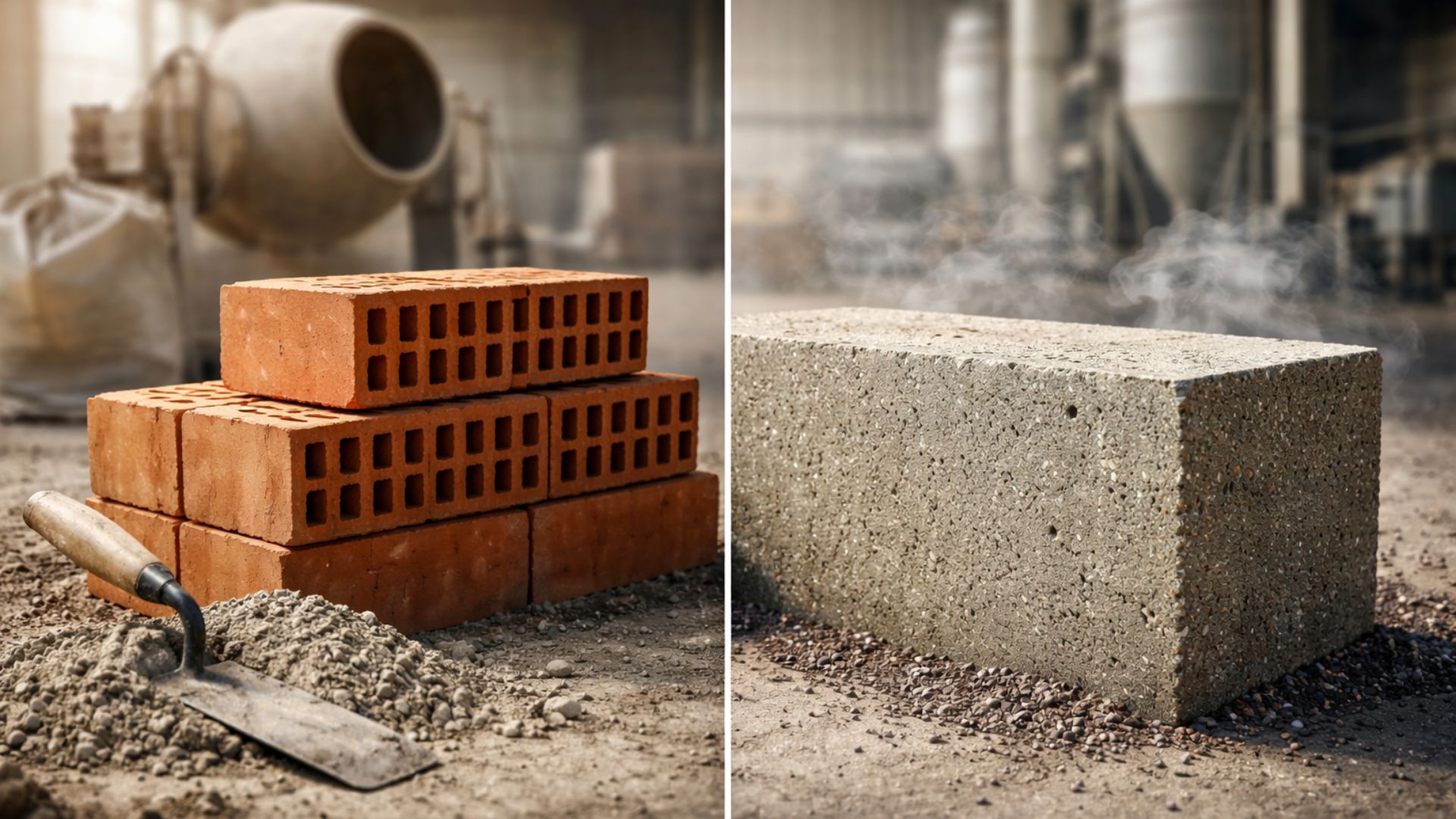
Experimental Technology Based on Steel Waste Proposes Changing the Chemistry of Concrete by Replacing Portland Cement with a Binder that Incorporates CO₂ During Curing, Forming Iron Carbonates and Attracting Attention from Researchers Investigating Industrial Routes with Lower Climate Impact.
Academic research has highlighted Ferrock as a binder that aims to change the “heart” of concrete by replacing Portland cement with a mixture of industrial waste rich in iron, hardened with direct participation of carbon dioxide.
By incorporating CO₂ during curing, the material forms binding phases associated with iron carbonates, combining the reuse of industrial byproducts with the goal of reducing the concrete’s climate footprint, which constitutes the base of much of the infrastructure and housing works.
It is no coincidence that alternatives to cement are gaining attention from universities and research centers, as cement production repeatedly appears in studies and reports as one of the largest industrial sources of CO₂ emissions.
-
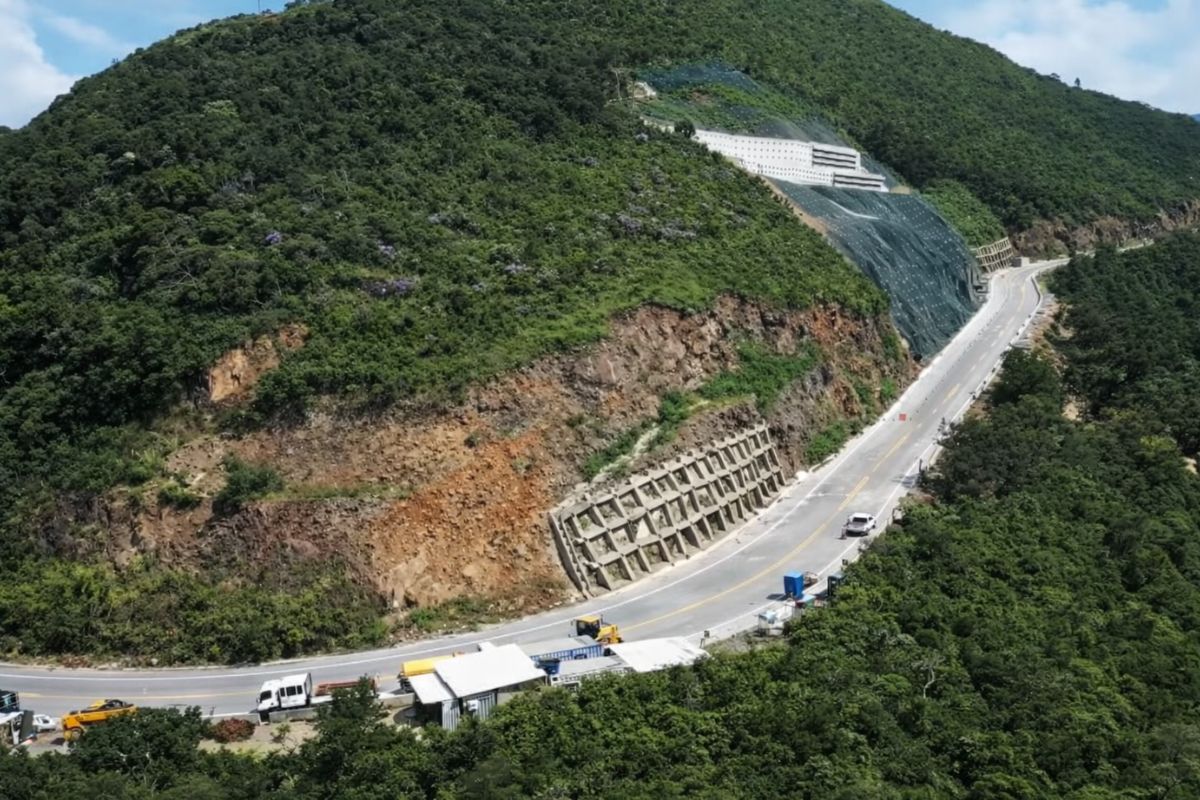
The section of Serra da Rocinha on BR-285 is now open in Timbé do Sul: 50 m tensioned curtains and top-down technique stabilize the slope, with a stairway duct controlling the water.
-
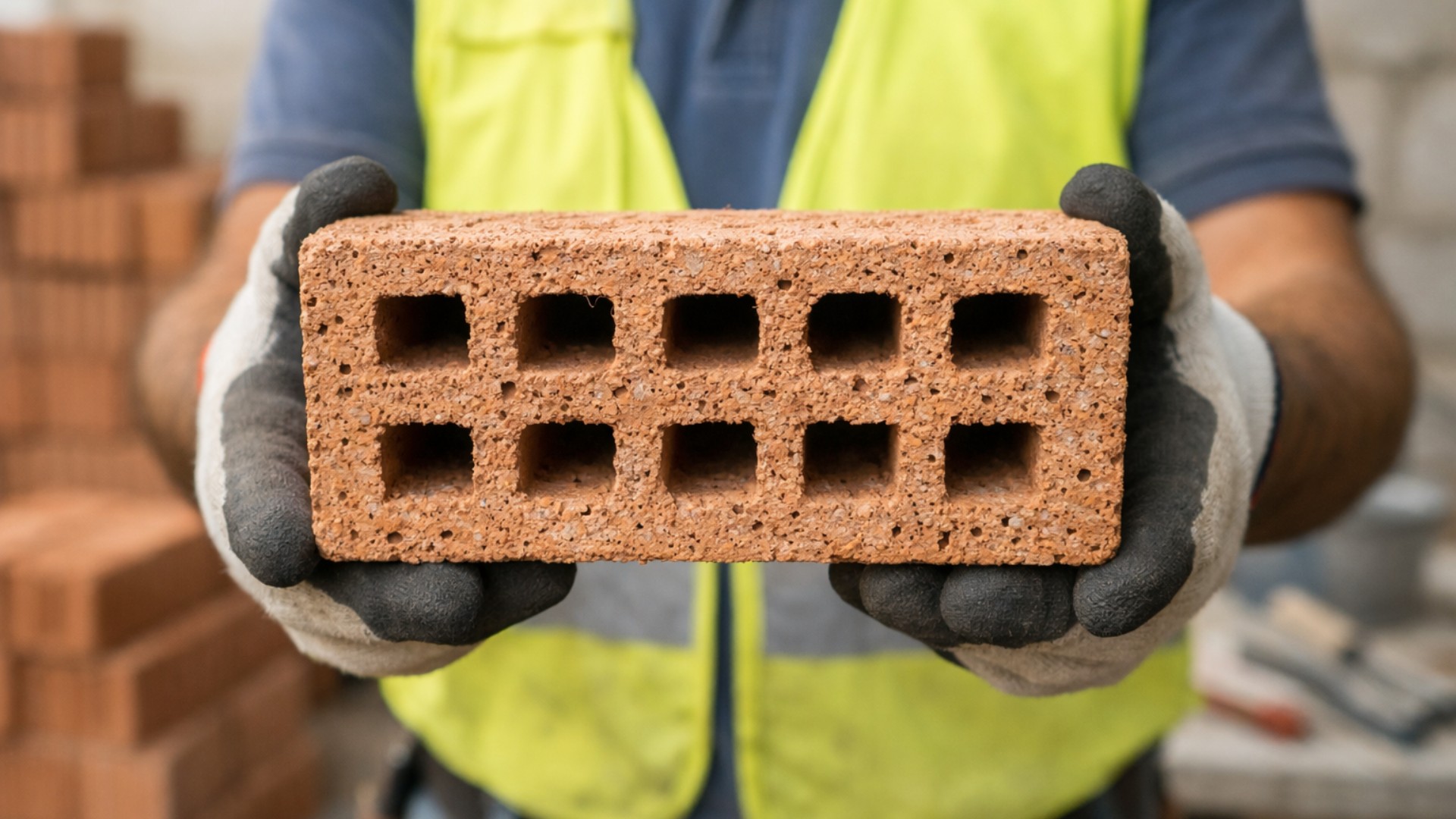
Scientists use sawdust mixed with clay to create a lighter brick, promising efficient thermal insulation and impressing by transforming waste into a solution for construction.
-
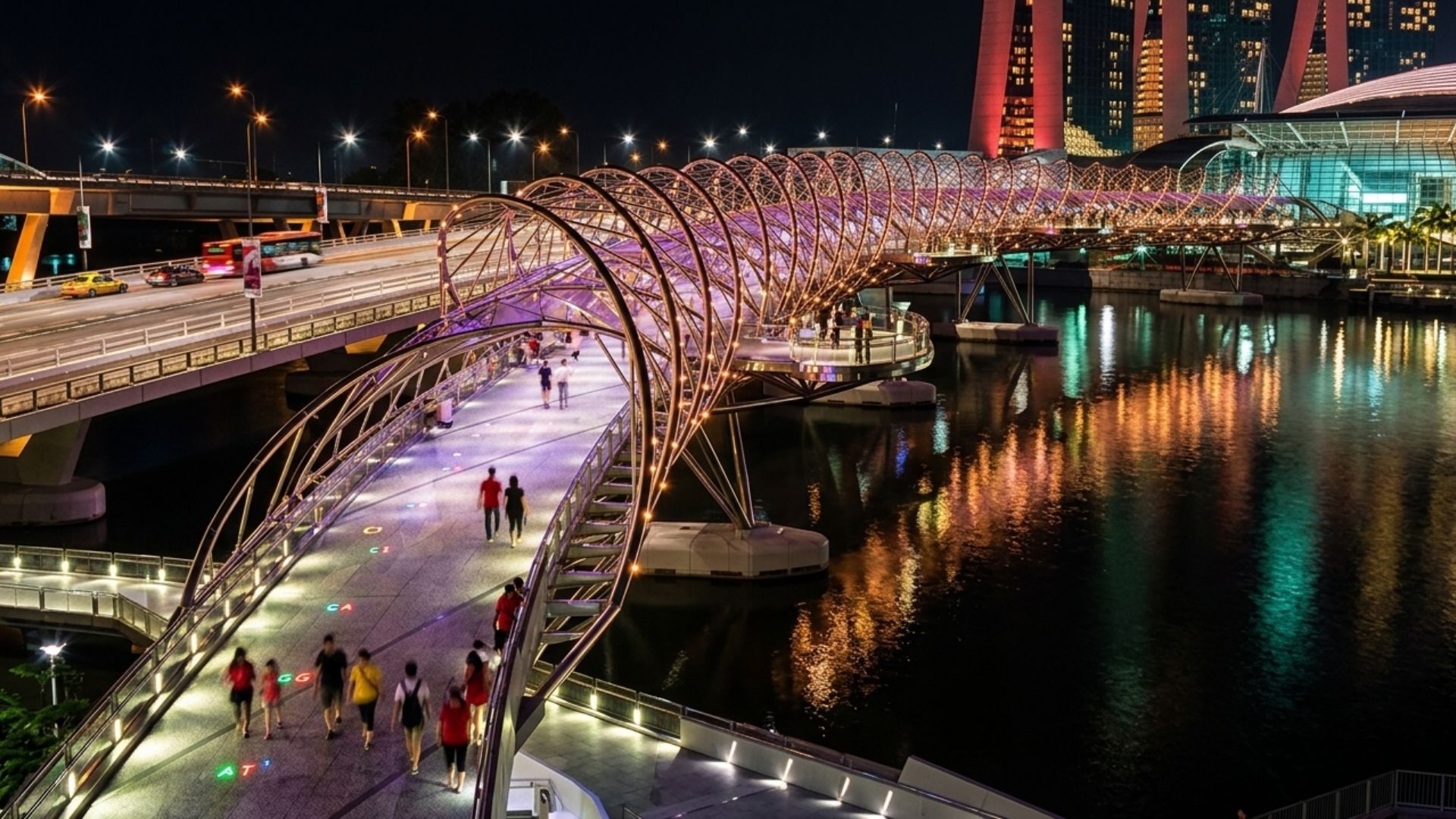
With a DNA shape, this bridge in Singapore draws attention in modern architecture and surprises tourists by transforming a simple crossing into an unforgettable visual experience in the urban heart.
-
Giant underwater pipeline begins to take shape with a R$ 134.7 million project at the Port of Santos: the 1.7 km structure uses 12-meter and 700 mm pipes to supply water to 450,000 people in Guarujá.

Ferrock and the Iron-Based Binder
Meanwhile, the industry itself often reminds us that concrete is among the most widely used materials on the planet, which turns any reduction per unit produced into potential impact when it comes to scale, cost, and availability for public and private works.
In technical literature, Ferrock appears as an “iron-based” binder formulated with raw materials that may include steel powder, a fine waste generated in steelmaking processes, as well as mineral additions used in different studied mixes.
Depending on the experimental design, the mixture may also incorporate components such as fly ash, metakaolin, and ground limestone, always with adjustments in proportions and processes to try to balance mechanical performance, stability of the formed phases, and consistency of production.
How CO₂ Participates in Material Curing
Unlike Portland cement, whose behavior is marked by the hydration of its constituents, studies on Ferrock describe a hardening linked to carbonation, with the formation of compounds that become part of the material’s microstructure.
In an article published in Scientific Reports, researchers describe Ferrock as a material that absorbs CO₂ during curing by forming iron carbonates, shifting part of the strength-gaining process to a mechanism where the gas participates in the reaction.
Scientific Research on Iron Carbonation
Before the topic gained traction in architecture and sustainability content, scientific discussions were already evaluating how metals and iron-rich waste could carbonate to produce binders, with measurements of microstructure and behavior under controlled conditions.
One study published by the American Chemical Society in 2014 explores the carbonation of metallic iron powder as a pathway to develop sustainable binder systems, describing microstructural characteristics and material performance under defined laboratory parameters.
With the advancement of investigations, some studies began testing the binder in scenarios closer to conventional concrete, including formulations in which Ferrock appears as a partial substitute for cement, always accompanied by strength tests and phase characterization.
At this stage, the discussion moves from being merely conceptual to engaging with what the industry typically demands for structural materials, as variations in mix, type of waste, granulometry, and moisture can alter porosity, cohesion, and how the paste evolves.
Possible Use in Blocks, Mortars, and Precast
The idea of “replacing the brick” arises when considering the destination of the binder, because a material applicable to concrete and mortars can feed into everything from elements molded on-site to industrialized pieces, such as blocks, panels, and structural masonry components.
In practice, the promise is for a discrete substitution for the end-user, maintaining familiar molding and laying routines, while the chemical transformation occurs in the binder, with a route that leverages waste from the steel chain and uses CO₂ as part of the curing process.
Technical Tests Measuring Material Performance
Technical articles avoid treating Ferrock as an automatic solution and emphasize project variables, as performance depends on the mix, the type of waste used, curing control, and the final microstructure obtained under each tested condition.
In recent research, the material is often evaluated for compressive strength, durability, porosity, and microstructural evolution, with curing tests in a CO₂ atmosphere and identification of phases through techniques such as X-ray diffraction and spectroscopy.
Circular Economy and Reuse of Industrial Waste
Another recurring theme is the connection with the circular economy, as formulations that use iron-rich waste can provide a higher value destination for byproducts that require environmental management, logistics, and composition control, especially in regions with a strong steel industry presence.
This link appears in studies describing the binder produced from “waste steel dust” and also in analyses on CO₂ mineralization with industrial waste, expanding the interest of chains pressured by decarbonization targets and traceability requirements.
Challenges to Move from the Laboratory to the Field
When some studies describe Ferrock as a potential “carbon sink” or highlight the possibility of being “carbon-negative,” the assertion is often tied to the absorption mechanism during curing and balances that vary with inputs, energy, and conditions of CO₂ exposure.
Thus, the transition from the laboratory to the field involves more than just replacing an ingredient, as cement is highly regulated and any material intended for structural use must prove repeatability, compatibility with processes, and safety under accepted standards and tests.
How the Construction Industry Can Incorporate Ferrock
From an industrial perspective, the central question is how this route would fit into current production chains, including the precast and block industries, where curing time, standardization, and inventory control influence cost and productivity.
If the binder can maintain known processes of molding, curing, storing, transporting, and laying, while leveraging industrial waste and incorporating CO₂ in the formation of binding phases, the challenge will shift to proving performance and viability at scale under regulatory requirements.








Seja o primeiro a reagir!