





 Portuguese
  English
  Spanish
  3 min of reading
  0 comments


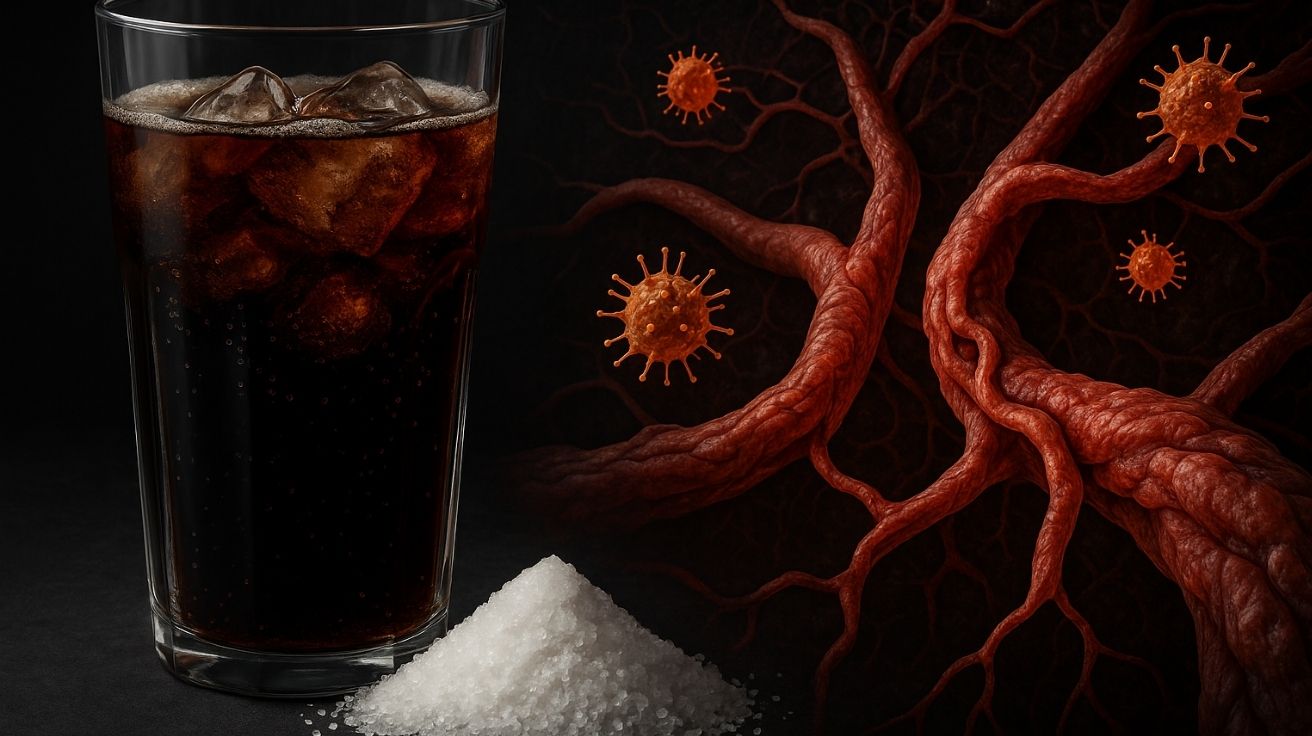
New Research Indicates That The Sweetener Erythritol, Widely Used In Sugar-Free And Diet Products, May Harm Brain Cells And Blood Vessels, Increasing The Risk Of Clots And Strokes.
A sugar substitute widely used in “zero” sodas, light ice creams, and low-carbohydrate diet foods may pose significant health risks. According to research from the University of Colorado Boulder, released in July 2025, erythritol, found in various processed products, may harm the cells lining the blood vessels in the brain, promoting inflammation, clots, and arterial constriction, factors that increase the likelihood of stroke.
The study, published in the Journal of Applied Physiology, analyzed the effects of consuming a standard portion of the sweetener on human cells, simulating the amount present in an ordinary sugar-free drink. In just three hours of exposure, researchers observed significant changes in cellular function, including decreased nitric oxide, responsible for dilating blood vessels, and increased endothelin-1, a protein that constricts them.
These cellular changes were also accompanied by an accumulation of reactive oxygen species (ROS), known as free radicals, that accelerate cellular aging and cause tissue damage. According to scientists, the combination of these factors can significantly elevate the propensity for clot development and, consequently, strokes.
-
Motorola launched the Signature with a gold seal from DxOMark, tying with the iPhone 17 Pro in camera performance, Snapdragon 8 Gen 5 that surpassed 3 million in benchmarks, and a zoom that impresses even at night.

-
Satellites reveal beneath the Sahara a giant river buried for thousands of kilometers: study shows that the largest hot desert on the planet was once traversed by a river system comparable to the largest on Earth.

-
Scientists have captured something never seen in space: newly born stars are creating gigantic rings of light a thousand times larger than the distance between the Earth and the Sun, and this changes everything we knew about stellar birth.

-
Geologists find traces of a continent that disappeared 155 million years ago after separating from Australia and reveal that it did not sink, but broke into fragments scattered across Southeast Asia.

Effects Of Erythritol On Cerebral And Blood Vessels
In addition to impairing blood vessel dilation, the sweetener showed a direct impact on the body’s natural ability to dissolve clots. When exposed to thrombin, a substance that induces clot formation, the cells treated with erythritol exhibited reduced production of t-PA, one of the main agents in breaking down these clots in the human body.
According to Auburn Berry, the lead author of the study, “more constricted blood vessels and reduced ability to dissolve clots increase, together, the likelihood of serious vascular events such as stroke.” The survey indicates that even a moderate dose can provoke such changes, and consumers who ingest multiple daily portions may be at even greater risk.
For many consumers, the sugar substitute erythritol is a popular alternative as it does not significantly raise insulin levels and contains few calories. However, the new research suggests that the apparent benefits may be overshadowed by cardiovascular and neurological risks, particularly in individuals predisposed to circulatory problems.
History And Use Of The Sweetener In The Market
Erythritol was approved by the Food and Drug Administration (FDA) in 2001 and is generally produced from fermented corn. Its taste, which corresponds to about 80% of traditional sugar, and its low glycemic impact have made it a recurring ingredient in products for diabetics, followers of low-carb diets, and consumers of functional foods.
However, recent studies have raised doubts about the safety of frequent consumption. In a previous analysis with 4,000 volunteers in the United States and Europe, elevated levels of erythritol in the blood were associated with a higher incidence of heart attacks and strokes within up to three years of follow-up.
In light of these findings, experts advise consumers to check food labels and be vigilant about the presence of terms like “sugar alcohol” or “erythritol”, especially in diets high in processed products.
The information was released based on data from the University of Colorado Boulder, published in the Journal of Applied Physiology and reported by outlets such as ScienceDaily. The authors emphasize that the research was conducted in a laboratory environment with isolated cells, and broader studies with humans are still needed to confirm long-term risks.







-

-

3 pessoas reagiram a isso.