





 Portuguese
  English
  Spanish
  3 min of reading
  0 comments



The Adoption of Artificial Intelligence by Large Tech Companies and Sector Cuts Have Led Recently Graduated Software Engineers to Seek Jobs in Areas Such as Fast-Food Chains in the United States. The Phenomenon Observed in 2024 and 2025 Is a Result of the Automation of Programming Tasks and the Reduction of Entry-Level Positions, According to Data and Reports from Professionals.
In Recent Years, Business Leaders and Public Figures Have Encouraged Young People to Learn Programming, Promising High Salaries and Generous Benefits. This Narrative Has Driven Thousands of Students to Enroll in Computer Science Courses, Which Have More Than Doubled Since 2014.
However, The Rapid Implementation of AI Programming Tools, Capable of Generating Thousands of Lines of Code in Seconds, Has Changed the Landscape. Companies Like Amazon, Intel, Meta, and Microsoft Have Reduced Hiring and Cut Junior Positions, Directly Affecting Recent Graduates.
Between Ages 22 and 27, Professionals with a Degree in Computer Science or Engineering Face Unemployment Rates of Up to 7.5%, More Than Double That of Fields Such as Biology or Art History.
-
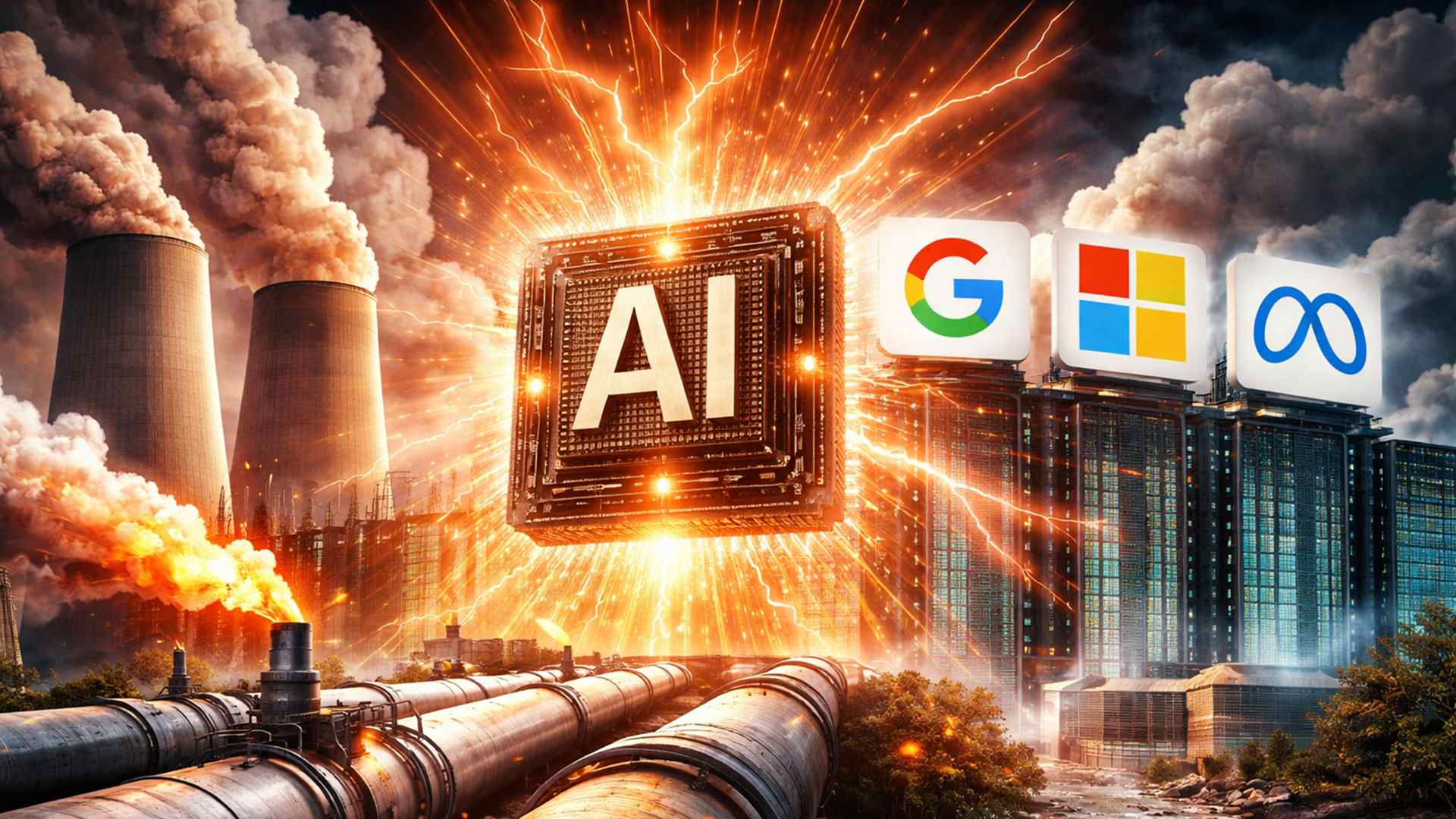
Artificial intelligence is skyrocketing energy consumption, raising emissions from tech giants and pushing Google, Microsoft, and Meta closer to natural gas.
-
Mercor paid $1.5 million per day for doctors, lawyers, and former Goldman Sachs bankers to teach artificial intelligence to do their jobs, and in 17 months, it went from zero to $500 million in annual revenue while its own contractors accelerated the replacement of their own work.

-
Casio Unveils Moflin, Robotic Pet With Artificial Intelligence Designed To Provide Emotional Comfort And Simulate A Permanent Affectionate Bond

-
Google Maps Revolutionizes GPS Navigation With Gemini Artificial Intelligence, Ask Maps Feature, and Advanced 3D Visualization for Route and Travel Planning

Stories of Frustration and Adaptation
Cases Like Manasi Mishra, Who Graduated in 2024 from Purdue University, Illustrate the Change. After a Year of Sending Resumes to Tech Companies, the Only Interview She Received Was for a Position at Chipotle, a Fast-Food Chain.
Another Example Is Zach Taylor, Who Graduated in 2023, Having Sent 5,762 Applications and Received Only 13 Interview Invitations — None Resulting in Hiring. He Even Tried Applying at McDonald’s but Was Rejected Due to “Lack of Experience.”
According to Experts, Entry-Level Positions, the Focus of Recent Graduates, Are Precisely the Most Susceptible to Automation. This Amplifies the Challenge for Those Who Do Not Yet Have a Solid Professional Background.
The Automated Filter and the “AI Vicious Circle”
In Addition to Competition, Candidates Face Automated Selection Filters. Many Use AI to Customize Resumes and Streamline Applications, While Companies Use Algorithms for Initial Screening, Eliminating Profiles Without Human Interaction.
Audrey Roller, a Data Science Graduate, Reported Receiving an Automatic Rejection Just Three Minutes After Submitting an Application, Highlighting the Speed and Impersonality of the Process.
This Combination Creates a “Vicious Circle” in Which The AI That Helps Candidates Also Acts as a Barrier to Hiring.
Public Sector and Widespread Impact
The Search for Jobs in the Government Sector, Previously Considered a Safe Alternative, Also Faces Obstacles. Budget Cuts and Hiring Freezes Have Reduced Technology Positions in the Public Sphere.
Graduates Like Jamie Spoeri, with a Background in Technology Policy and National Security, Report Hundreds of Applications with No Response. According to Her, AI Also Decreases Opportunities in Companies That Previously Hired Engineers for Basic Tasks.
Even with the Adverse Scenario, Experts Believe That Adapting to the New Demands of AI May Open Up New Niches and Roles in the Medium Term.
Investments and Reorientation
Promoters of Technical Education Are Now Shifting Their Efforts Toward Training in Artificial Intelligence. The U.S. Government and Companies Like Microsoft Have Announced Billion-Dollar Programs to Train Students and Professionals in This Emerging Field.
Brad Smith, President of Microsoft, Recently Stated That the Company Will Invest US$ 4 Billion in Technology and Training Focused on AI, Evaluating How the New Reality Affects University Curricula.
Meanwhile, Graduates Are Seeking Alternatives. Mishra, for Example, Transitioned to a Sales Position in Technology, Discovering a Greater Interest in Marketing and Business Relations than in Software Development.
This Information Was Reported by The New York Times and Estadão, in a Report That Collected Accounts from Over 150 Graduates from Universities Such as Cornell, Stanford, and Oregon State, as Well as Data from the Federal Reserve Bank of New York and the Computing Research Association.









-

-

2 pessoas reagiram a isso.