





 Portuguese
  English
  Spanish
  4 min of reading
  14 comments


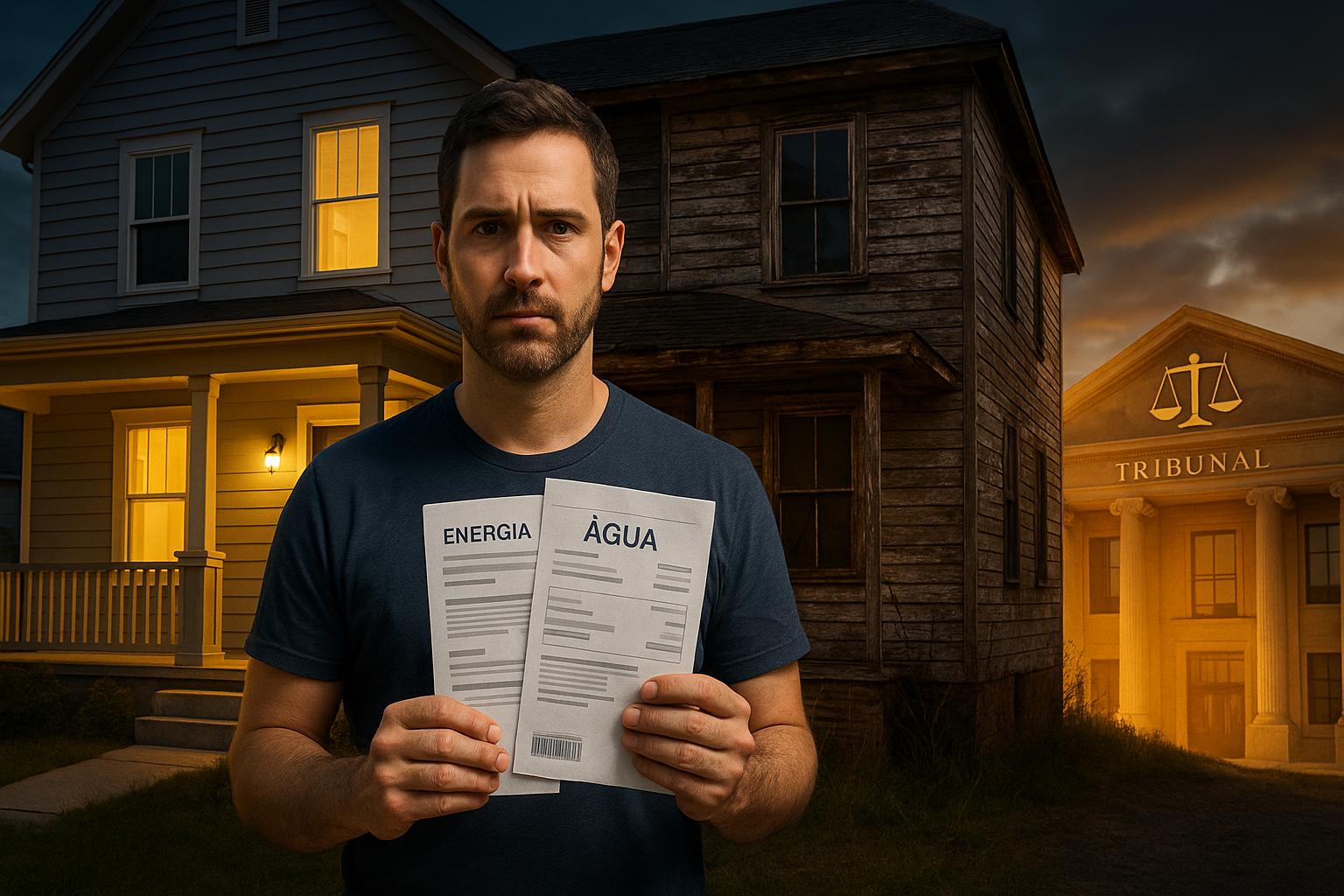


Heir Who Invests in Reform, Maintenance and Exclusive Possession Can Have Usucaption Recognized Against Inactive Relatives, Courts Say
The dispute over inherited assets is one of the most recurring themes in Brazilian courts. What few know is that a heir can acquire an inherited property solely for themselves, even if the asset is in the name of all successors. This occurs when they exercise exclusive and prolonged possession, acting as the true owner, while the other heirs remain inactive and cease to exercise any acts of dominion.
The jurisprudence of the Superior Court of Justice (STJ) has already established the understanding that the existence of hereditary condominium does not prevent the recognition of usucaption, provided that the legal requirements are met. Those who invest in the maintenance, preservation, and even structural reforms of the property, without opposition from others, can indeed have their right to exclusive ownership recognized.
STJ Confirms That Heir Can Usucapir Property When There Is Exclusive Possession and Animus Domini
Traditionally, the assets left in inheritance form a condominium pro indiviso, in which all heirs have equal rights.
-
The new Civil Code could revolutionize marriages in Brazil with “express divorce” and changes that could exclude spouses from inheritance.

-
Banco do Brasil sues famous influencer for million-dollar debt and intensifies debate on delinquency, risks of seizure, and direct impact on Gkay’s credibility.

-
The Senate approves a bill that criminalizes misogyny, hatred, or aversion towards women, and includes the crime in the Racism Law with a penalty of up to 5 years.

-
Chamber Approves Bill That Allows Pepper Spray for Women Over 16 and Imposes Strict Rules for Purchase, Possession, and Use as Self-Defense


However, the STJ has already decided that this regime is not absolute: when only one heir behaves as the owner, maintaining direct and exclusive possession, and the others remain inactive, there is room for usucaption.
Minister Marco Aurélio Bellizze, in a judgment in 2019, highlighted that “the peaceful cohabitation among heirs does not confuse with exclusive possession. If one of them distances the others and acts with animus domini, usucaption can be recognized.”
This position was reinforced in subsequent decisions, consolidating the understanding that property can be transferred to whoever has truly given it a social function.
Reform, Payment of Taxes and Maintenance Strengthen Proof of Possession of Owner
Among the elements that differentiate mere joint possession from animus domini, there are clear acts of ownership. Courts have recognized that heirs who:
- fully pay property tax and utility bills;
- make structural reforms;
- prevent use of the property by other relatives;
- maintain the asset in functioning and conservation;
are demonstrating a typical attitude of exclusive ownership.
These acts, when added to the passage of time required by law — which can be 10 years (ordinary usucaption) or 15 years (extraordinary usucaption), reduced in some cases — constitute the necessary basis for judicial recognition.
Courts Emphasize That the Inertia of Heirs Opens the Way for Usucaption
Another point highlighted in recent decisions is that the inertia of the other heirs not only facilitates the characterization of exclusive possession but also functions as tacit consent.
By not contesting prolonged use, not contributing to expenses or reforms, the other successors end up opening space for the Judiciary to recognize usucaption.
In a ruling from 2021, the Court of Justice of São Paulo understood that the heir who resided alone in an inherited property for over 20 years, paying taxes and making improvements, had consolidated qualified possession. The court recognized the usucaption and transferred full ownership to their name, extinguishing the hereditary co-ownership.
Experts Highlight the Social Function of Property and Legal Security
Legal scholars explain that the application of usucaption in this context is not just a matter of assets but also of social function of property. For lawyer and professor Flávio Tartuce, “the property cannot remain in a state of abandonment or indefinite dispute. Whoever gives it utility, cares for and maintains it, should be recognized as the owner.”
Moreover, experts emphasize that the measure guarantees legal security: without it, inherited properties could remain in dispute for decades, without maintenance, harming not only the heirs but also the surrounding community and society.
Exclusive Possession and Investment in the Property Can Lead to Ownership
Current jurisprudence confirms: it is not enough to be an heir to maintain rights over the property, it is necessary to act as an owner to prevent another successor from requesting usucaption. Those who abandon, fail to pay taxes or care for the asset risk losing their share.
The message given by the courts is clear: inheritance is not absolute protection against usucaption. If an heir proves that they invested in reforms, bore expenses alone, and exercised exclusive possession for years, they can convert this condition into full ownership rights.










Meu pais faleceram só o único filho reconhecido pela justiça.
Eles não tiveram filhos e os irmãos fizeram um documento alegando serem os únicos herdeiros e venderam o imóvel.
Entrei na justiça e a justiça me condenou a pagar 47.000,00 reais, mesmo eu comprovando tudo.
Que justiça é essa.
QUEM CONQUISTA COM SUOR E TRABALHO, PERDE P/ AQUELE QUE MUITAS VEZES, NUNCA COLOCOU UM CENTAVO NA COMPRA.
TA VIRANDO A CASA DA SOGRA.
Moro na casa da minha vó falecida fui criada por ela desde pequena fui cuidadora dela até seus últimos minutos de vida, seus filhos abandonaram, pago as contas até hoje os herdeiros nunca ajudaram pagar nada, construi um quarto ao lado da casa com a autorização da mesma, depois que minha vó faleceu eles mandaram desocupar a casa. O que posso fazer neste momento?
Não assina nada e procura urgente um bom advogado
E não sai da casa