





 Portuguese
  English
  Spanish
  3 min of reading
  23 comments


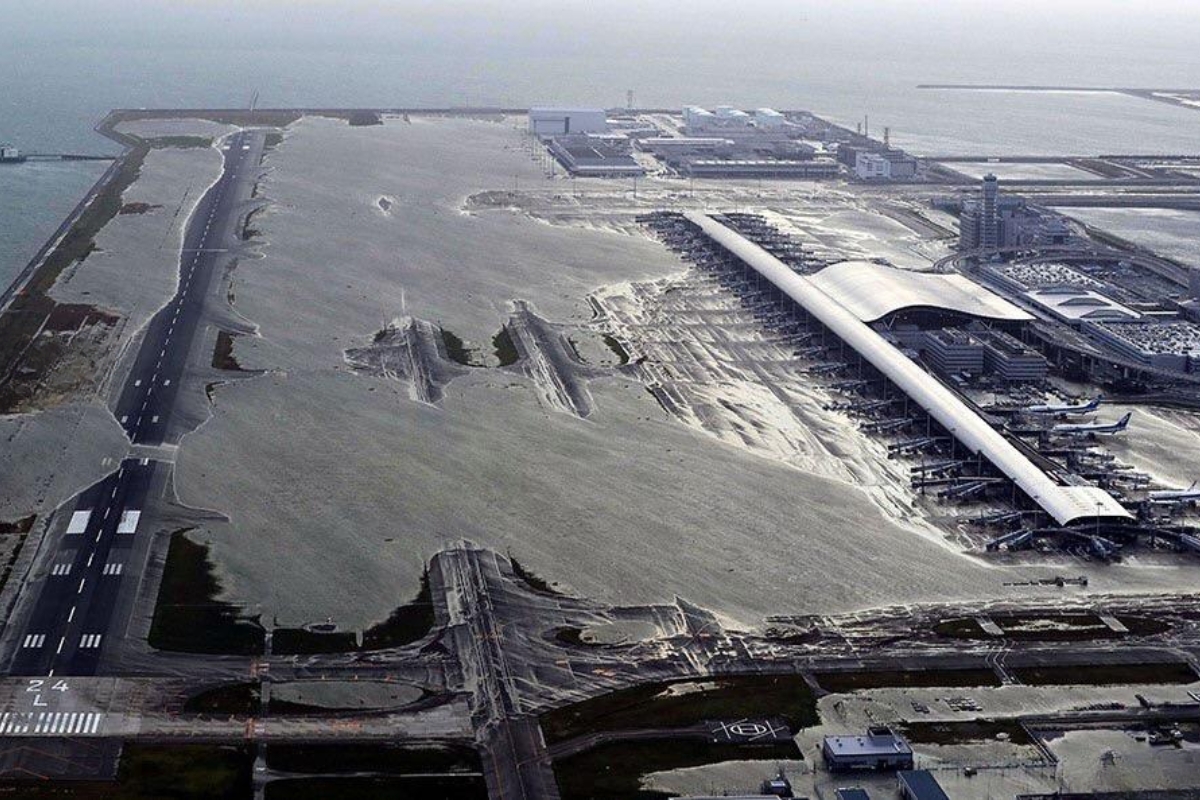


Complex Inaugurated in 1994 Is About 5 Km from the Coast and Requires Ongoing Work to Compensate for Soil Settlement at the Bay’s Bottom
One of the most expensive airports ever built in the world has faced a permanent problem since its inauguration. Even after decades of operation, the complex continues to slowly sink into the sea.
Built on artificial islands, the airport was born from bold engineering to solve urban limitations, but today it relies on continuous interventions to keep functioning.
What Happened and Why It Caught Attention
Opened in 1994, Kansai International Airport cost around R$ 94 billion. The project aimed to ease traffic from Osaka’s airport and regain economic competitiveness against Tokyo.
-
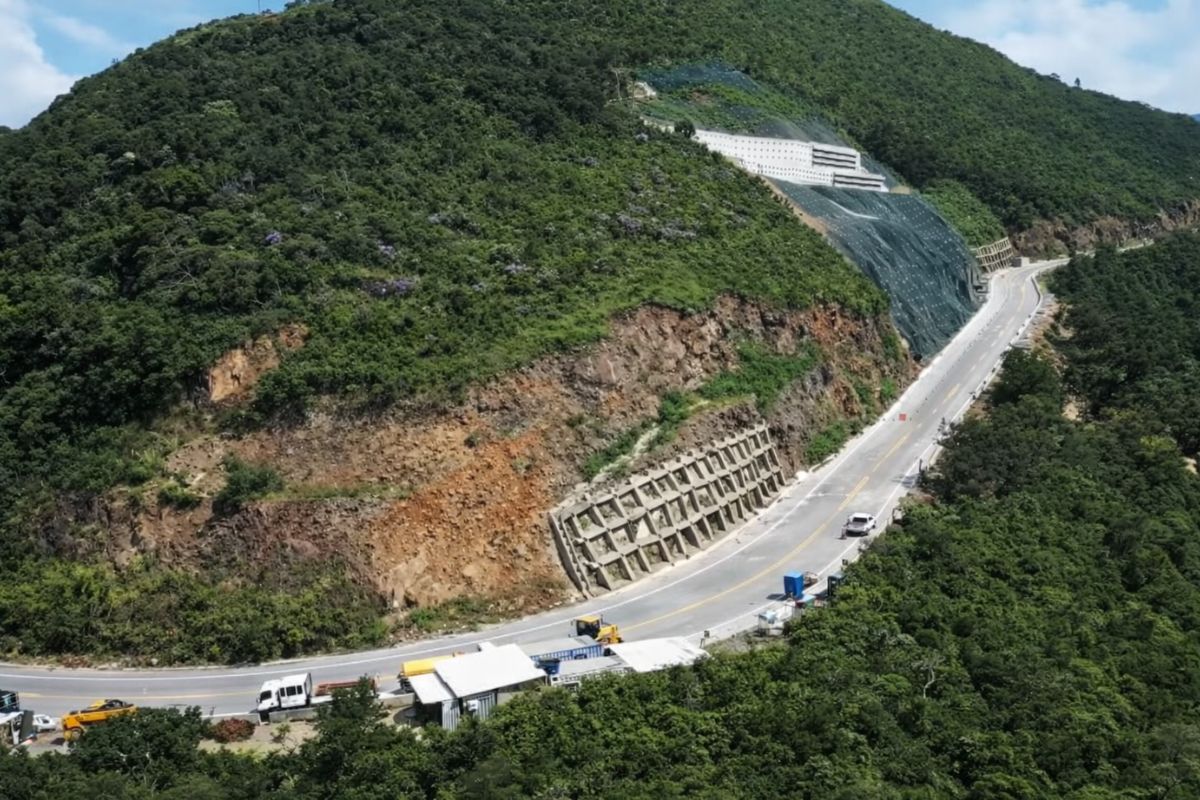
The section of Serra da Rocinha on BR-285 is now open in Timbé do Sul: 50 m tensioned curtains and top-down technique stabilize the slope, with a stairway duct controlling the water.
-
Scientists use sawdust mixed with clay to create a lighter brick, promising efficient thermal insulation and impressing by transforming waste into a solution for construction.

-
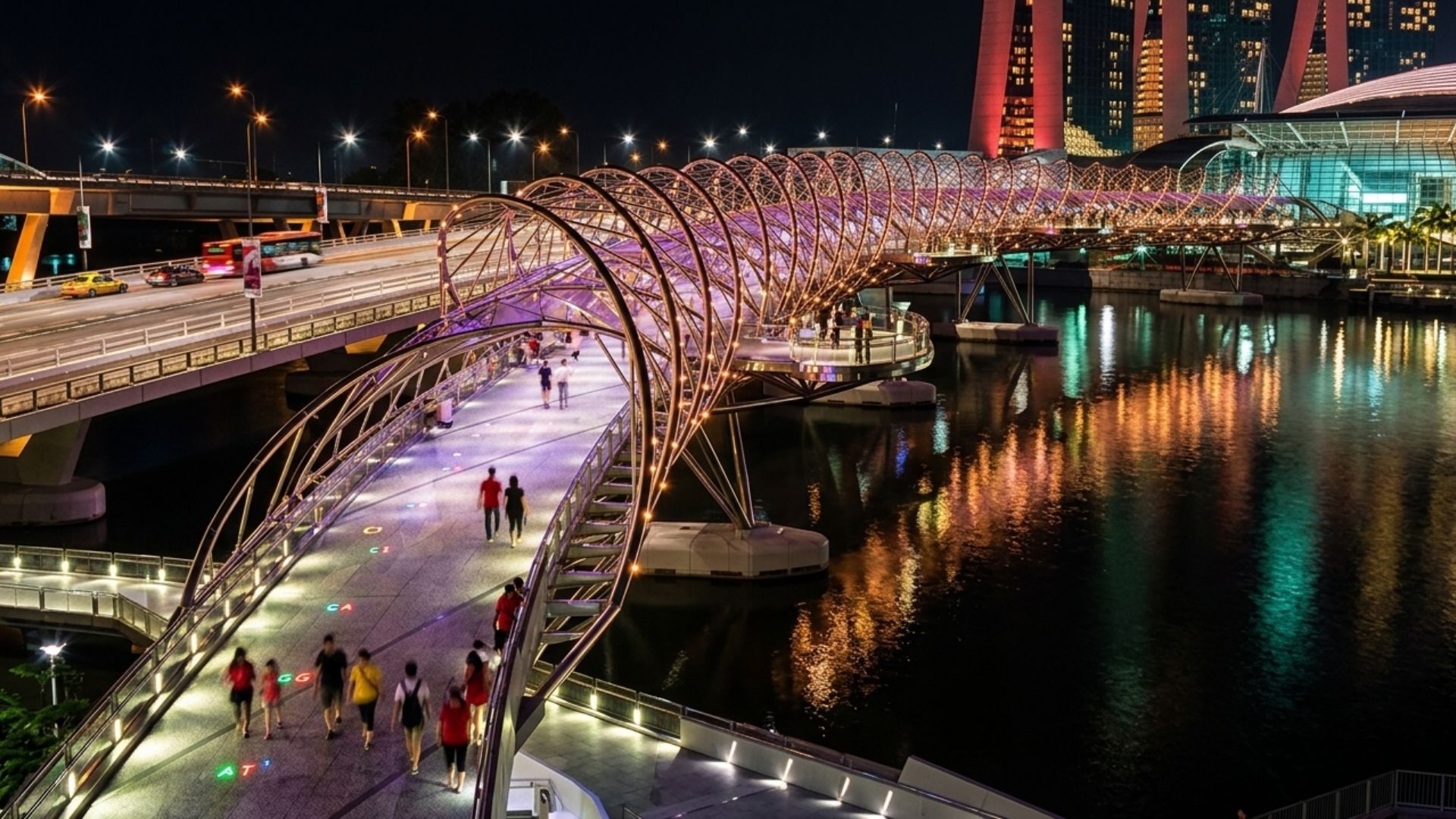
With a DNA shape, this bridge in Singapore draws attention in modern architecture and surprises tourists by transforming a simple crossing into an unforgettable visual experience in the urban heart.
-
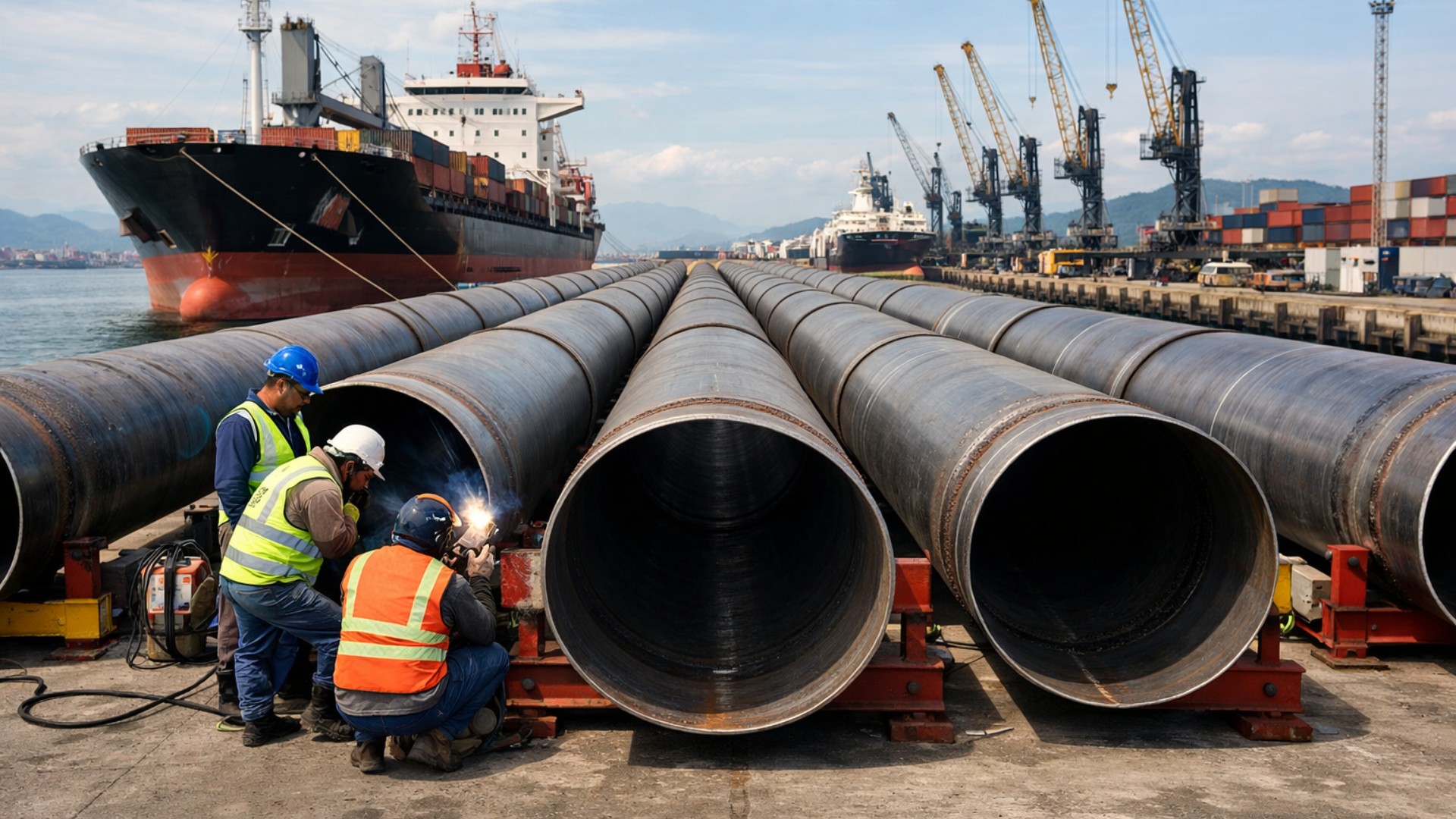
Giant underwater pipeline begins to take shape with a R$ 134.7 million project at the Port of Santos: the 1.7 km structure uses 12-meter and 700 mm pipes to supply water to 450,000 people in Guarujá.

The plan included a large terminal at sea, away from densely populated areas, avoiding expansion restrictions and noise problems.
Three decades later, the main challenge is no longer operational but structural, as the airport continues to sink steadily.
Why the Airport Is Sinking Into the Sea

The reclaimed land for construction has been compared by experts to a wet sponge, unable to support large loads without undergoing consolidation.
To make the project feasible, the soil needed to become dry and dense, which has not occurred sufficiently to halt the settlement over time.
As a result, the complex has already sunk 11.5 meters, a figure well above what was originally projected.
What Engineers Expected and What Actually Happened
The original calculations indicated that settlement would occur over approximately 50 years, but stabilize around 4 meters above sea level.
This elevation was considered the minimum necessary to prevent permanent flooding of the runways and structures.
In practice, the settlement progressed beyond expectations, with no clear signs of stabilization, contradicting the initial engineering forecasts.
How Much Has Been Spent to Try to Avert Disaster
To prevent the airport from becoming unusable, various corrective measures have been implemented over the years.
So far, efforts to halt the sinking have already cost around R$ 730 million, an additional amount that adds to the original construction cost.
The interventions involve structural adjustments, system reinforcement, and constant monitoring of soil behavior.
How the Airport Continues to Operate Despite the Risks
The complex was built on two artificial islands in Osaka Bay, connected to the mainland by a bridge linking the Rinku area to the terminal.
The airport serves as a hub for major airlines, including All Nippon, Japan Airlines, Nippon Cargo, and the low-cost airline Peach.
Despite structural challenges, the terminal remains fully operational, supported by ongoing maintenance and engineering solutions.
Natural Disasters Tested the Limits of the Structure

In addition to progressive sinking, the airport has faced extreme events throughout its history.
In 1995, it survived the Great Hanshin Earthquake with limited damage. In 2018, a typhoon caused seawater to wash over the runways, interrupting operations.
A few days later, a tanker collided with the access bridge to the airport, leaving passengers stranded but not causing the permanent closure of the complex.
What May Happen From Now On
Experts indicate that if the current trend continues, the airport may be completely submerged in about 30 years.
The continuity of operations depends on constant investments and solutions capable of reducing or compensating for the advancement of settling.
The case has become a global example of the limits of engineering when large structures are built on unstable ground at sea.








Fale news. Rsrs… Essa foto foi tirada quando passou um talfu que atingiu a região. Que cara de ****! O Brasil está ficando igualzinho à China? Precisa mentir pra controlar os ideais do povo? Ver o Brasil se rebaixar até esse ponto é uma pena.
I had the experience to be in this airport twice on my way to Kobe 15 yrs ago. What I know about the Kansai Airpory is that, it is a floating island not an artificial reclaimed island. As what we see right now, it could be simplified as an engineering failure but for sure remedies can be done to save the structure for future use. I am an engineer and I can say the following suggestions for reevaluation and further engineering study; 1) Effect of sea water current/movement tidal effect on the structure including typhoons. 2) Conduct further sea underground soil test at least futher around the perimeter of the built structure. 3) Review the design considerations used on the present structure. Of course if economic considerations is a major factor to be considered, repair or refurbishing vs. building another airport are options, then those responsible can have their final say what option to consider.
É só ir jogando mais areia ou terra ou pedras, elevando a ilha. Faz uma pista 30m mais alto, assim que ficar pronta, eleva a outra, e o saguão do aeroporto. Constroi andares acima e vai enterrando os andares de baixo.