





 Portuguese
  English
  Spanish
  4 min of reading
  0 comments


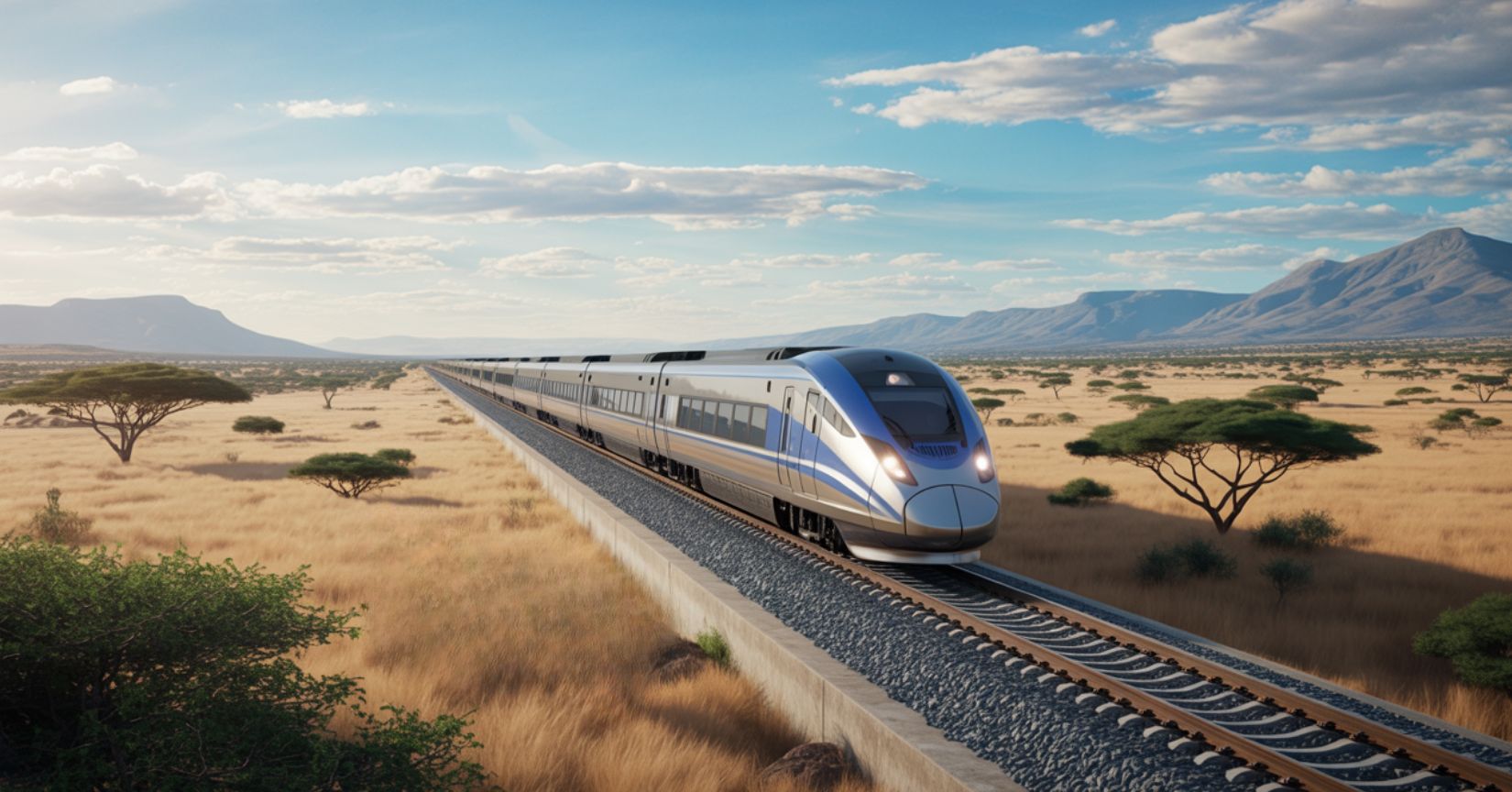
With 15,000 km of Track and Investment of Up to US$ 75 Billion, Africa Bets on Railways of 250 km/h to Integrate Economies, Boost Exports, and Transform Its Continental Infrastructure.
When it comes to transport megaprojects, the world tends to first look to Europe, China, and the Middle East. However, silently, a railway transformation of continental scale has begun to take shape in East Africa, with sections already completed, works in progress, and strategic plans detailed by governments, multilateral banks, and regional organizations.
More than 15,000 kilometers of railway lines are being implemented and are in advanced planning stages, with expected speeds of up to 250 km/h and estimated investments ranging from US$ 60 to 75 billion, according to reports from the African Union, African Development Bank, and East African Community Economic Council. The proposal combines logistical goals, economic integration, and geopolitical ambition: to connect entire countries by modern tracks, boost exports, and reduce historical reliance on maritime corridors and colonial borders.
The central axis of this transformation is the integrated standard gauge railway plan (SGR – Standard Gauge Railway) of the East African Community, a bloc that includes Kenya, Tanzania, Uganda, Rwanda, Burundi, and the Democratic Republic of the Congo. In parallel, the project is part of an even broader vision: the African Integrated High-Speed Rail Network, a continental policy announced by the African Union to establish high-performance railway networks between regional capitals in the coming decades, with technical and financial support from the African Development Bank.
-
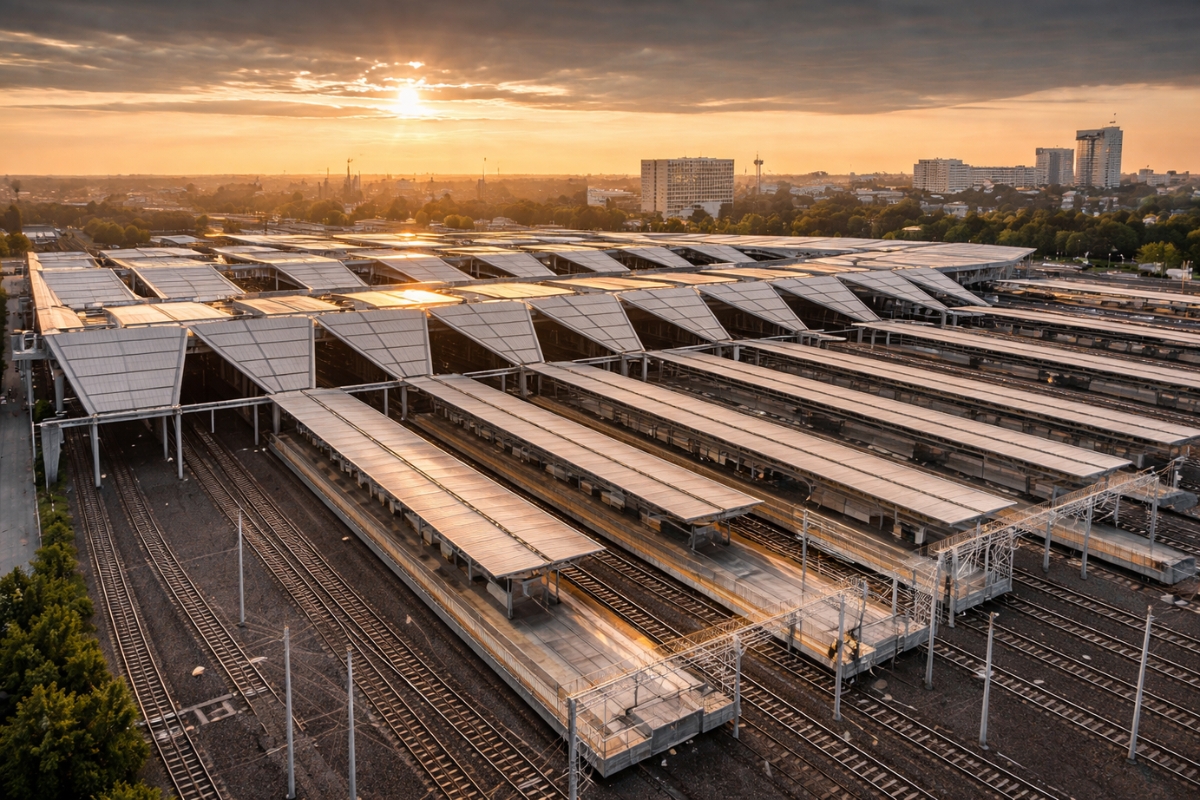
In A European City, The Country’s Largest Railway Junction Was Modernized Without Closing Its Doors, Kept Trains Running During Years Of Construction, Now Serves Up To 60,000 Passengers Per Day, And Installed Solar Panels That Generate About 30% Of Its Energy
-
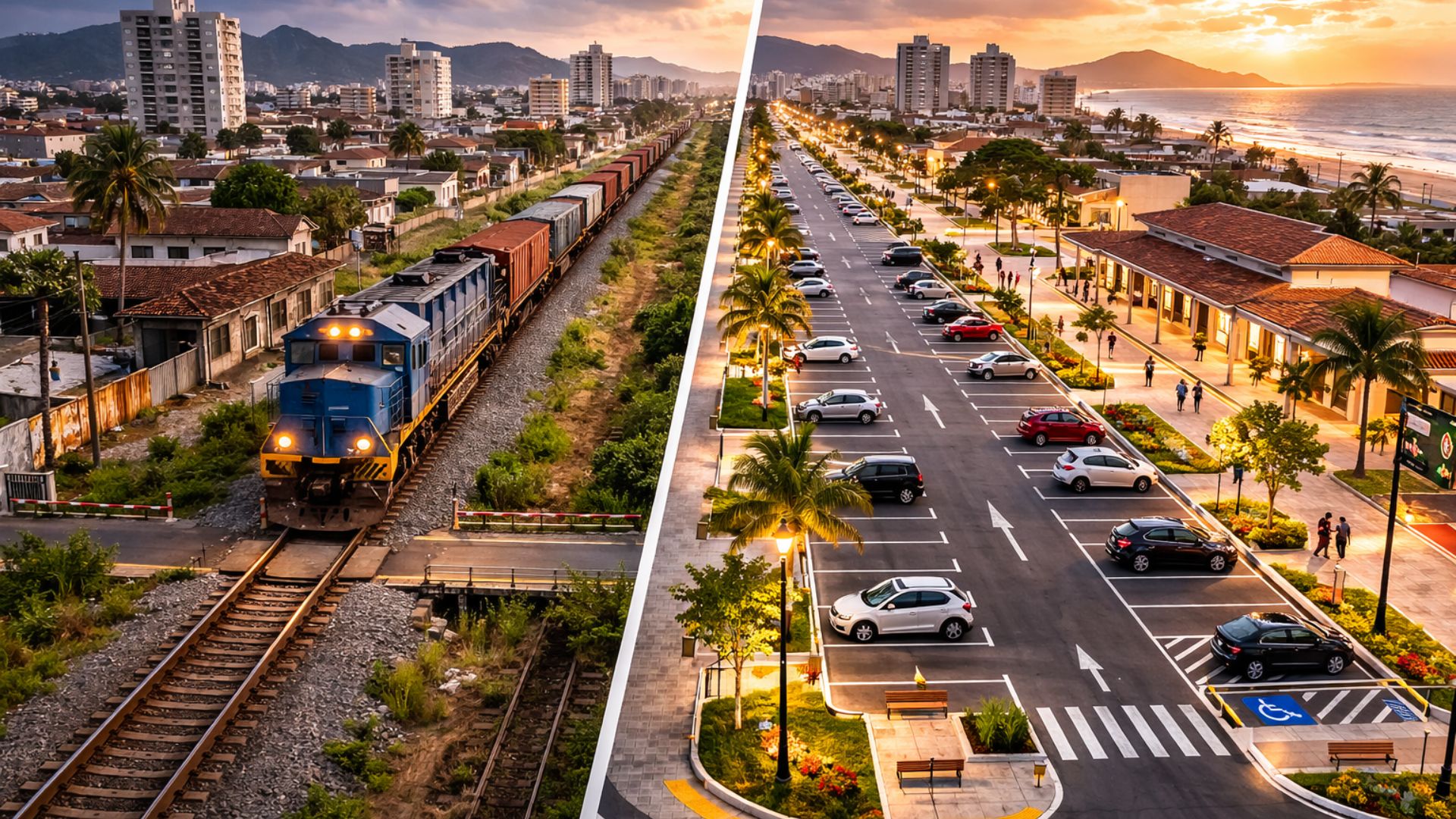
Famous Brazilian Railway May Become a Parking Lot
-
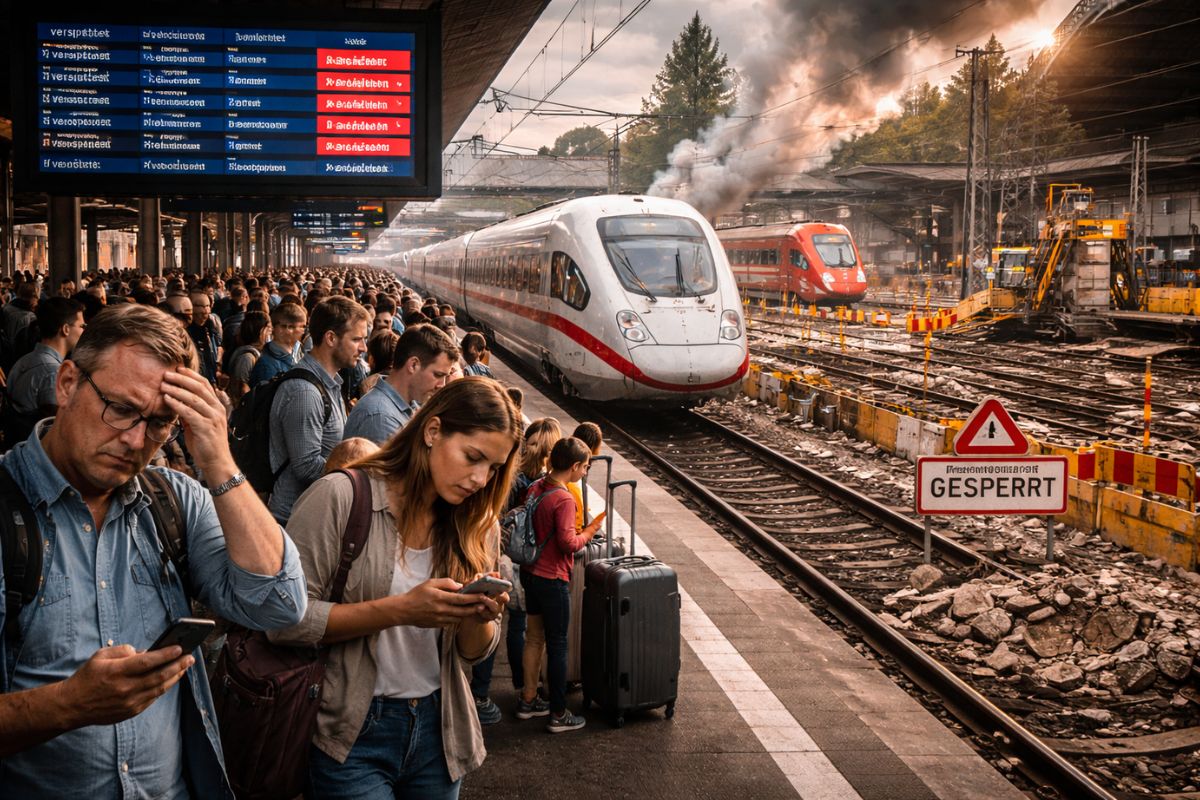
The Country of “Punctual As a Train” Admits It Has Lost Control: High-Speed Trains Delay, Stop, Disappear from the Map and Turn 6-Hour Trips into 10, While Deutsche Bahn Promises Restructuring in 2026 But Faces 19th Century Infrastructure, Staff Shortages and Sections Closed for Months
-
With an Investment of R$ 700 Million in One of the Country’s Main Rail Networks, VLI Reinforces Infrastructure, Receives 8 New Locomotives, and Expands the Corridor Connecting 7 States, Boosting Jobs and the Transportation of Grains, Ore, and Oil Products to the Port of Santos
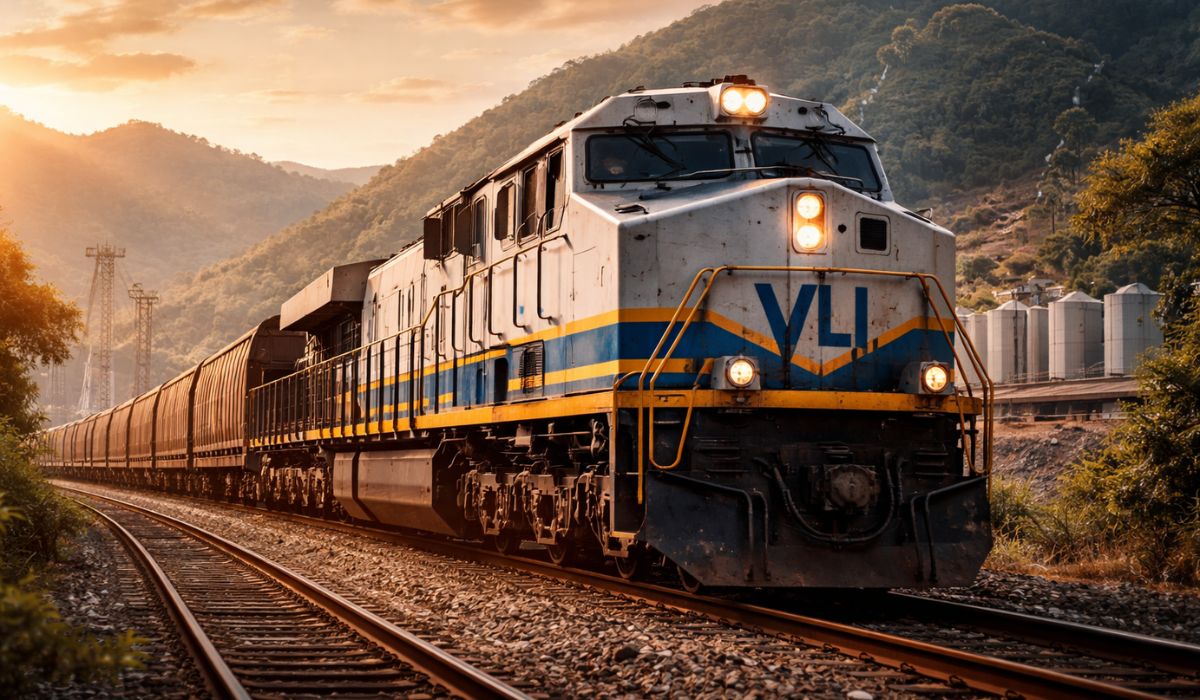

High-Speed Train in Africa: Technical Data and Scale of the Megaproject
Official documents show a structural projection that, if fulfilled, will reposition the continent on the global trade map. The following are expected:
- Over 15,000 km of railway lines in implementation and planning;
- Target speeds of up to 250 km/h on strategic sections;
- Physical integration among at least six countries in the east-central phase;
- Logistics terminals connected to strategic ports like Mombasa (Kenya) and Dar es Salaam (Tanzania);
- Financing from public consortia, regional funds, the African Development Bank, and international partners.
The model is hybrid: sections initiated with mixed traffic (passengers and freight) and plans for technological upgrades for regional express services. In countries like Kenya and Tanzania, some lines are already operating commercially, initially focused on diesel locomotives and with future migration to electrification in later phases.
How It Started: The Case of the Mombasa–Nairobi Line and the Expansion to Kampala
The project came to global attention in 2017 when Kenya inaugurated the first section of the SGR system between Mombasa and Nairobi. Spanning 472 km, it replaced a colonial-era railway, increased the average speed of trains, and reduced travel time between the port of Mombasa and the capital. Since then, the country has initiated works to extend tracks to Naivasha and plans the final connection to Kampala, the capital of Uganda.
Tanzania, in turn, is advancing with one of the continent’s largest railway undertakings in its territorial area, with stages between Dar es Salaam, Morogoro, Dodoma, and Mwanza at different stages of construction and testing, and full capacity expected above 160 km/h, with some segments designed for even higher levels.
The logic is clear: to create a structural corridor from the Indian Ocean to the interior of Africa, reducing the cost of transporting minerals, grains, fuels, agricultural commodities, and industrial goods, while also providing a land-based alternative to saturated maritime routes and road corridors.
Continental Integration and Geoeconomic Ambition
Over decades, the lack of integrated logistics infrastructure has been pointed out as one of the main bottlenecks to industrial development and export competitiveness in East Africa. The new railway system, coupled with road, port, and energy projects, addresses this challenge with a strategic vision:
to interlink cities, industrial zones, and port hubs; stimulate special economic zones; reduce logistics costs and shipping times; facilitate the flow of people and goods among East African Community member states; support agricultural and mineral value chains; and attract international manufacturing to competitive logistical corridors.
Combined with trade agreements such as the African Continental Free Trade Area (AfCFTA), the railway corridor strengthens the regional position in global supply chains and may alter, in the long term, the economic structure of nations that historically depend on primary exports.
The Role of the African Union and Multilateral Banks
The African Union has formalized high-speed railway integration as a priority goal. The African Development Bank supports engineering studies, technical-financial consulting, and procurement processes. International multilateral agencies are evaluating additional support, following financing models used for infrastructure projects in emerging Asian countries.
The continental planning report highlights milestones such as east-west corridors, integration with energy networks and ports, and modular construction by stages, allowing for progressive delivery.
Prospects and Challenges
Despite the scale and progress, there are challenges: complex financing, global macroeconomic environment, and technical execution in diverse terrains. However, the project’s logic remains strong: deliver operational sections, expand industrial areas, consolidate international partnerships, and transform regional mobility.
The region is already experiencing practical changes: more efficient corridors for freight, reduction in long-distance road transport, and accelerated urbanization around logistics stations. This railway infrastructure, when fully operational, is expected to create a dynamic continental axis, reinforcing African integration at an unprecedented level.








-

-

-

-

-

19 pessoas reagiram a isso.