





 Portuguese
  English
  Spanish
  4 min of reading
  25 comments


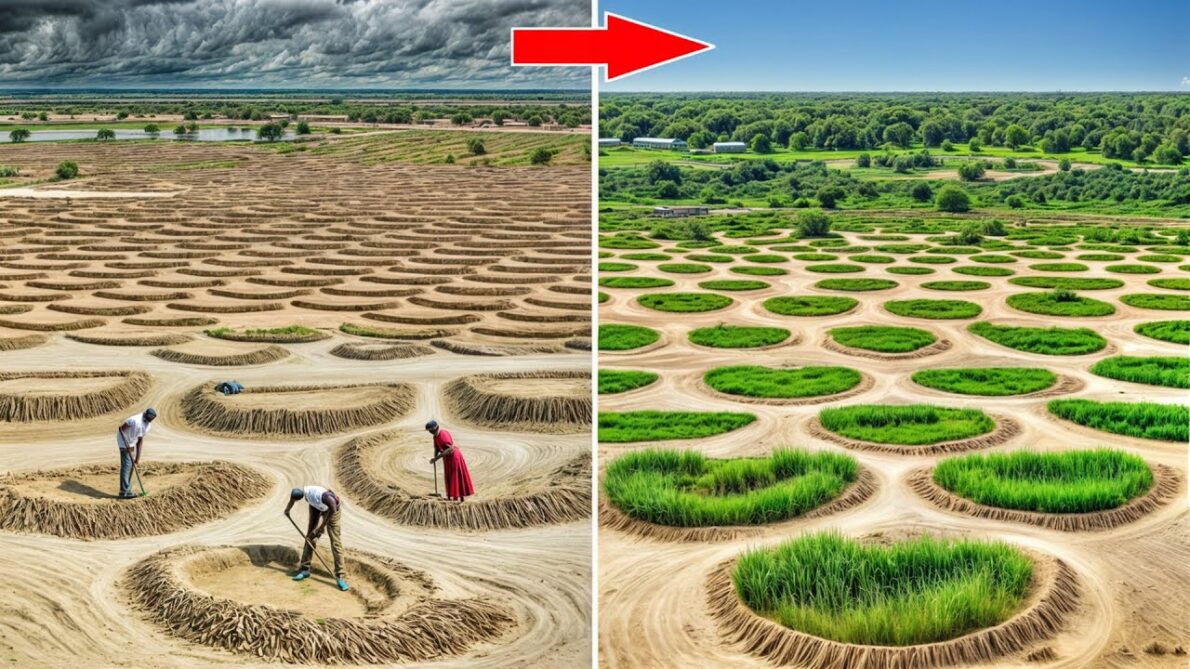


New Project to Turn the Sahara Desert into Fertile Land Is Underway and Brazil Is Helping. Find Out How the Region of Africa Is Receiving Planting on 100 Million Hectares
The Sahara Desert, known as the hottest place on Earth, hasn’t always been this way. About 6,000 years ago, this area experienced frequent rains and a humid climate. However, approximately 5,500 years ago, a climate change transformed the Sahara into a scorching and inhospitable desert, which has since been expanding at an alarming rate of 10 km per year. To combat this desertification, an ambitious plan to transform the Sahara Desert into fertile land is gaining momentum, and the construction of the Great Green Wall is already underway. This epic project aims not only to halt the advance of the Sahara Desert but also to revitalize the region’s ecosystem, offering new hope for Africa’s future and global food security.


How the Project to Transform the Sahara Desert into Fertile Land Came About?
The idea of transforming the Sahara Desert into fertile land arose when British biologist Richard Barbe Baker traveled through North Africa in the 1950s. After covering 40,000 km and crossing 24 countries, he concluded that something needed to be done to revitalize the degraded lands of the region.
Thus, the concept of the green belt emerged, a plan to reforest a strip of land 50 km wide aimed at enriching the Sahara region.
-
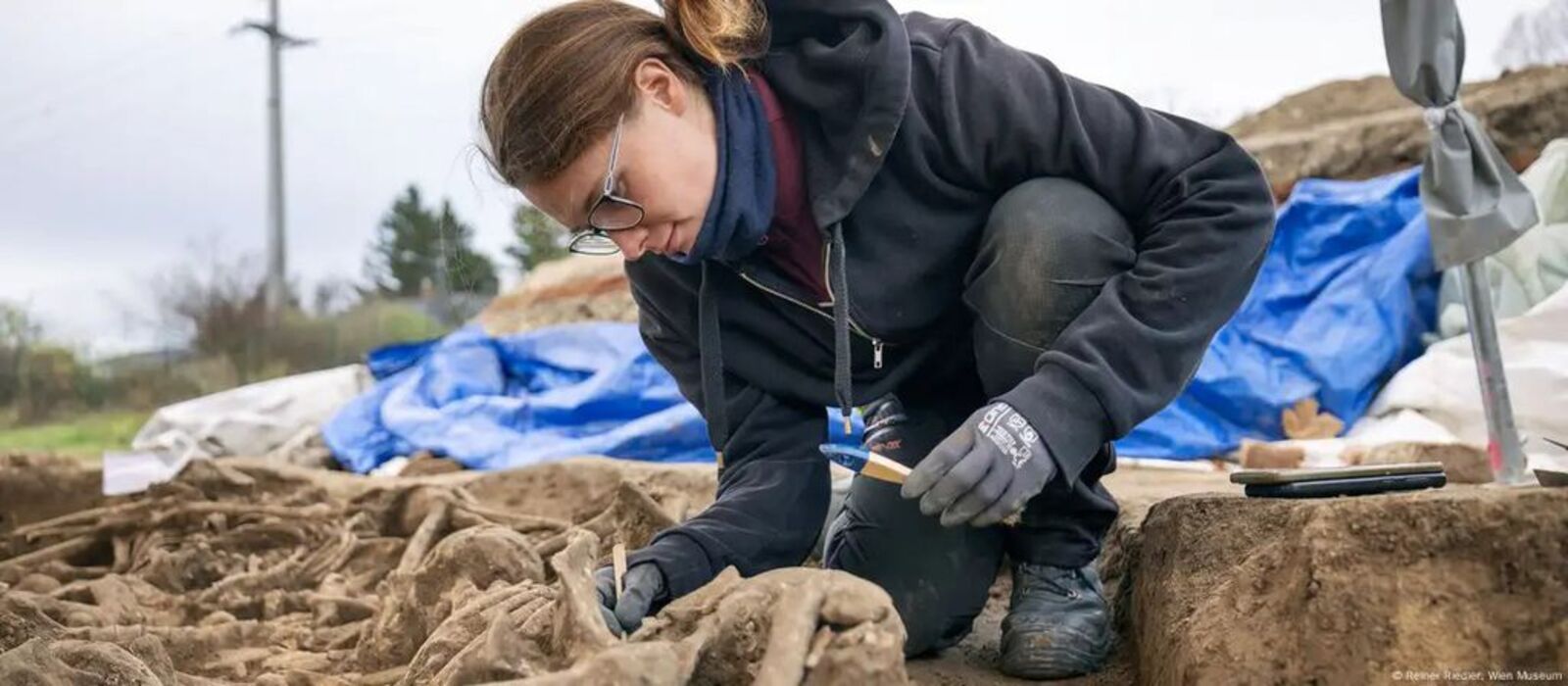
Remains with battle wounds of over 100 soldiers from the Roman Empire are found beneath a football field in Vienna, leaving everyone surprised.
-
Elon Musk notes Brazil and lowers the price of his internet, Starlink, promising to connect all corners of the country with affordable plans, 10,000 satellites, and 1 million active users in the national territory!

-
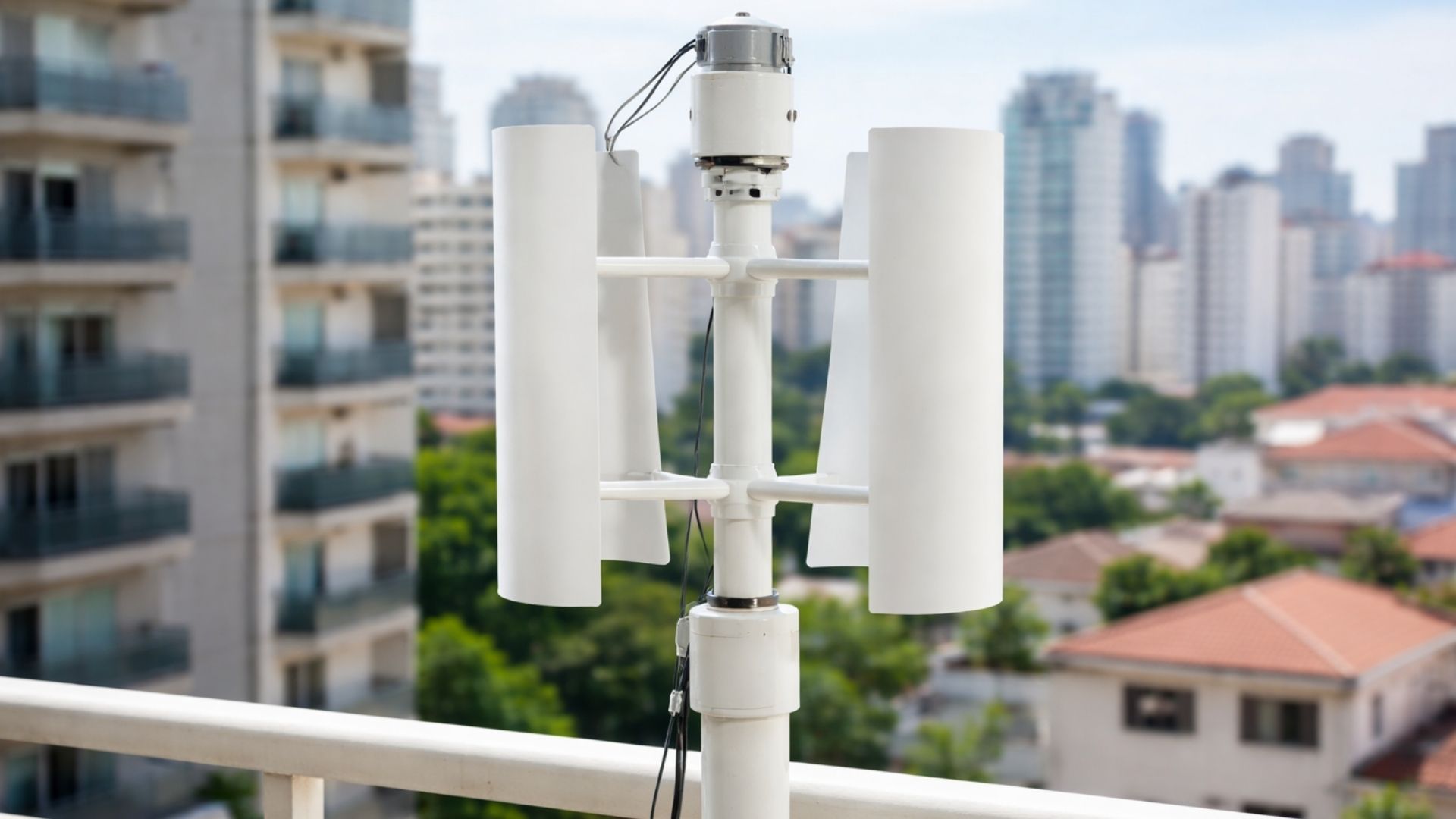
Man creates an infinite source of FREE electricity at home with a PVC wind turbine using a repurposed motor.
-
An aquatic seed consumed for centuries in Asia is going viral in the West after studies highlighted its antioxidant compounds and potential anti-inflammatory properties. It pops like popcorn, has low fat content, and is already being called the new functional snack.

However, this concept took a long time to materialize, but at the beginning of the 21st century, political leaders in the region began to support the construction, or more precisely the cultivation, of the Great Green Wall. It was planned to plant trees in a strip of land 15 km wide and 7,775 km long. A wall that would stretch across Africa from Djibouti to Senegal. Thus, the project was launched in 2007.
Brazil Is Helping in the Construction of the Mega Project
Brazil, through Embrapa (Brazilian Agricultural Research Corporation), is playing a crucial role in the ambitious Great Green Wall project in Africa. This project aims to halt the advance of the Sahara Desert and transform arid areas into fertile land; it is an initiative involving collaboration among several countries, and Brazil’s expertise in sustainable agriculture and soil management is essential.
Embrapa is sharing technologies and knowledge developed over decades of research in Brazil, particularly those related to the Brazilian semi-arid region, which faces similar climatic challenges as those found in Africa.
Among Brazil’s contributions are techniques for recovering degraded soils, water resources management, and agroforestry systems that combine tree cultivation with agriculture and livestock, promoting sustainability and resilience in areas affected by desertification. These techniques not only help contain the spread of the desert but also improve agricultural productivity, generating income for local communities and contributing to food security.
Furthermore, Brazil is assisting in training technicians and farmers from Africa, promoting exchanges and training that allow for the adaptation of Brazilian technologies to the specific conditions of each region on the African continent.
This international collaboration reflects Brazil’s commitment to sustainable development and the fight against climate change, strengthening ties among nations in the Southern Hemisphere in search of innovative solutions to global environmental challenges.
The Construction of the Mega Project in Africa
Planting trees on 100 million hectares of land to transform the Sahara Desert into fertile land may seem like a daunting task. However, the Great Green Wall is a remarkably significant success story. In the 1960s, Algeria’s green barrier became an unlikely fairy tale. At the time, Algeria faced similar issues.
The Sahara Desert was spreading across North Africa, drastically reducing agricultural land. Over several decades, Algeria built the green barrier, a green strip 20 km wide that stretches 1,500 km from West to East. Drought-resistant Aleppo pines were planted on 3 million hectares of land, and the soil was covered with esparto grass.
Subsequently, cypress and other trees were also planted. This project to transform the Sahara Desert into fertile land showed significant results in a relatively short period, allowing Algeria to become more self-sufficient in food than its neighbors.
However, the project experienced ups and downs, with the most significant problem being the gradual weakening of the plants. Despite this, the results of Algeria’s Green Wall were undeniable, leading the government to allocate 552 million dollars for the regeneration of the reforested areas to this day.
How Are the Trees Selected for the Sahara Desert?
The projects in Algeria are also meticulously studied in regions south of the Sahara Desert, and the plants to be planted will be carefully selected. The choice of trees is extremely important, as it directly affects the survival of the Great Green Wall that promises to transform the Sahara Desert into fertile land.
For example, in Senegal, the species known as Balanites aegyptiaca, also called the Desert Date Palm, was chosen. This tree is ideal for dry climates and can survive for over 100 years in these environments. It can go without water for up to 2 years while still producing fruit during dry periods.
Moreover, even though floods are unlikely in this region of Africa, this tree is resistant to flooding and fire, making it ideal for hot areas where the sun is intense, as if it were being placed on a grill.






eu quero saber como que eles vao construir a muralha verde na africa
Deus abençoe todas as pessoas e nações envolvidas neste mega projeto!
O Brasil tem que se preocupar…com o Brasil no Nordeste… Ceará…diversos lugares aqui no Brasil está se tornando um deserto …com estes desmatamentos desenfreados..está ganância de plantio de soja …nem água que era abundante no Amazonas está tendo mais está secando os rios. .e não vejo estes governantes fazerem nada. .ouro …ferro …niobio….e a destruição da noção Brasileira…ainda pensam em ajudar outros países para evitar o deserto …este dinheiro que vai para fora aumenta o salário do trabalhador .. investe na pobreza..que tudo melhora para o Brasil.
Mas se não estou enganado o Nordeste, já vem recebendo água do Rio São Francisco há bastante tempo.