





 Português
  Inglês
  Espanhol
  2 min de leitura
  0 comentários


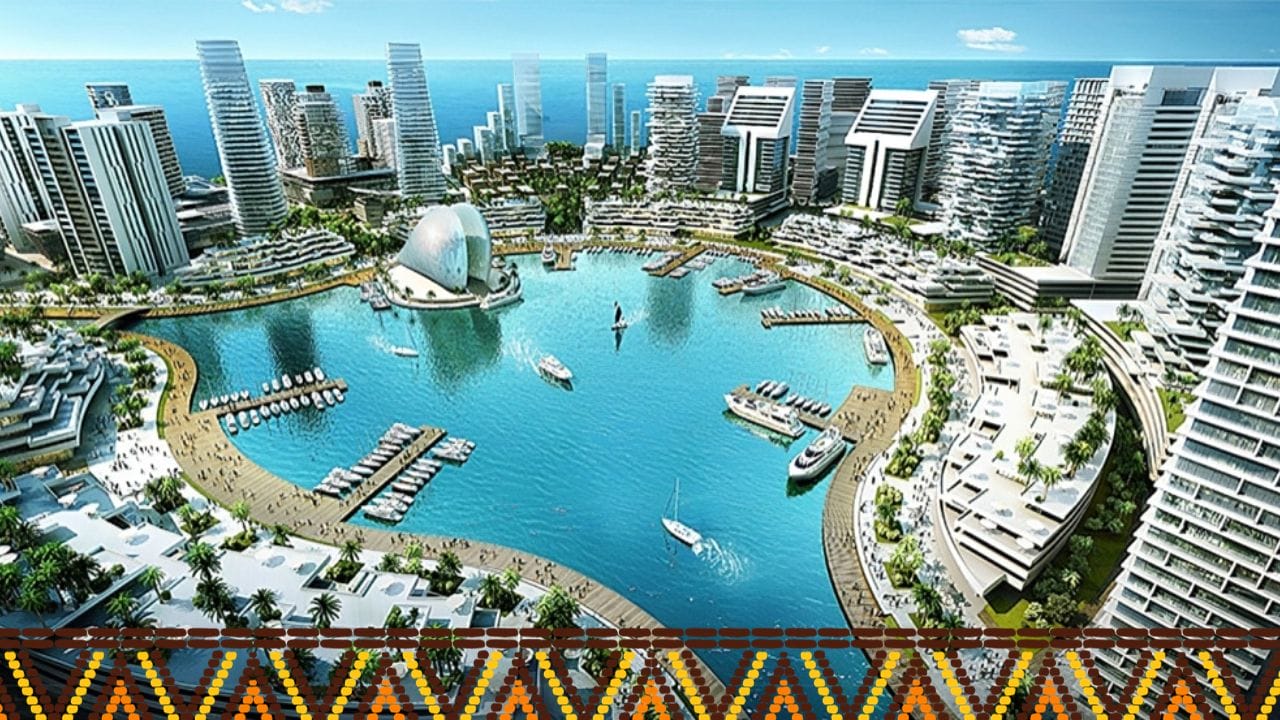
Nigeria Is Advancing in the Construction of Eco Atlantic City, an Ambitious $6 Billion Project in the Ocean Aiming to Transform Not Only the Region but the Entire African Continent.
Eco Atlantic City, located in Nigeria, Africa, represents one of the largest maritime urban projects in the world. With a budget of $6 billion, the city is being built with strategic and sustainable goals, with the potential to solve critical problems faced by the local population, such as coastal erosion and lack of space for urban expansion.
Originally started as a measure to protect Victoria Island from erosion, Eco Atlantic City has evolved into a land reclamation project. The city aims not only to protect the region from erosion but also to provide more space for urban and commercial development, essential in an area that suffers from rapid population growth and housing pressure.
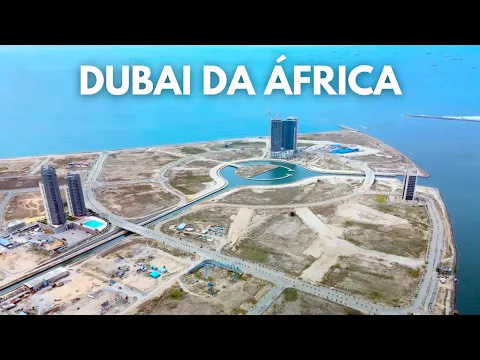

Construction
The construction of Eco Atlantic in Africa began in 2008 and involved the lifting of 91 million cubic meters of sand to create a solid foundation over the ocean. An 8.5-kilometer breakwater, made with rocks and GPS technology, provides protection against tides. The city, covering an area of 10 km², has already undergone testing and proven to be resilient and effective in protecting against erosion.
-
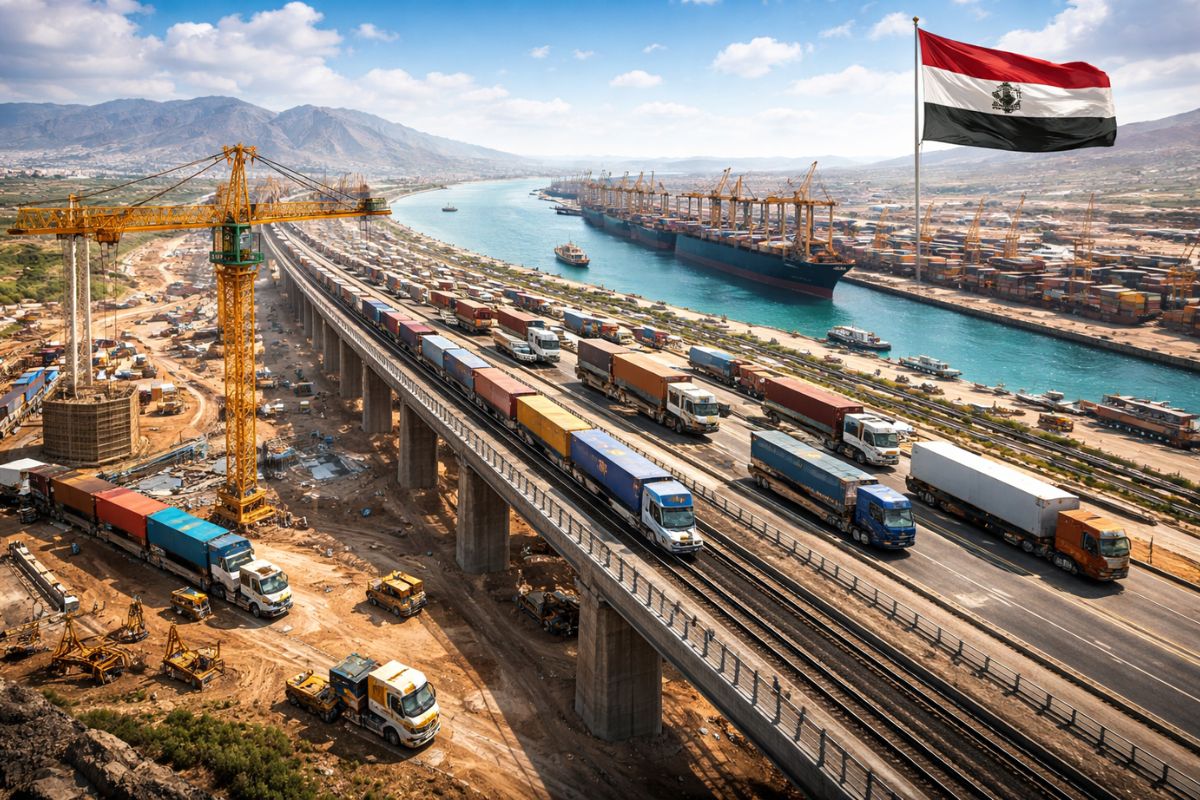
A megaproject worth R$ 89 billion is advancing in Iraq and promises to change the game in global trade by creating a new corridor between Asia and Europe, reducing traditional routes and repositioning the country as a logistics powerhouse.
-
Goodbye bedside table: floating shelves become a trend in 2026 by freeing up space in the bedroom, improving circulation, bringing visual lightness, and integrating technology without taking up floor space.

-
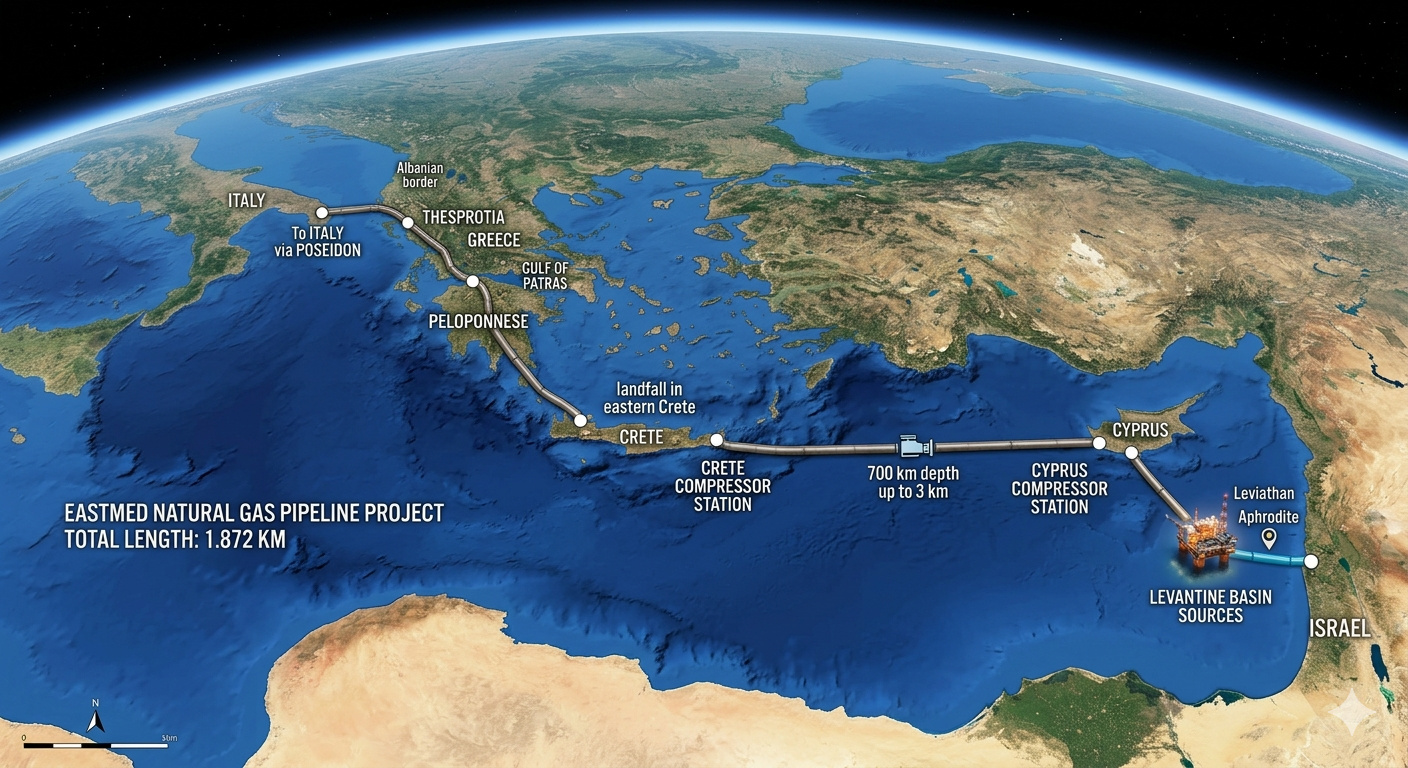
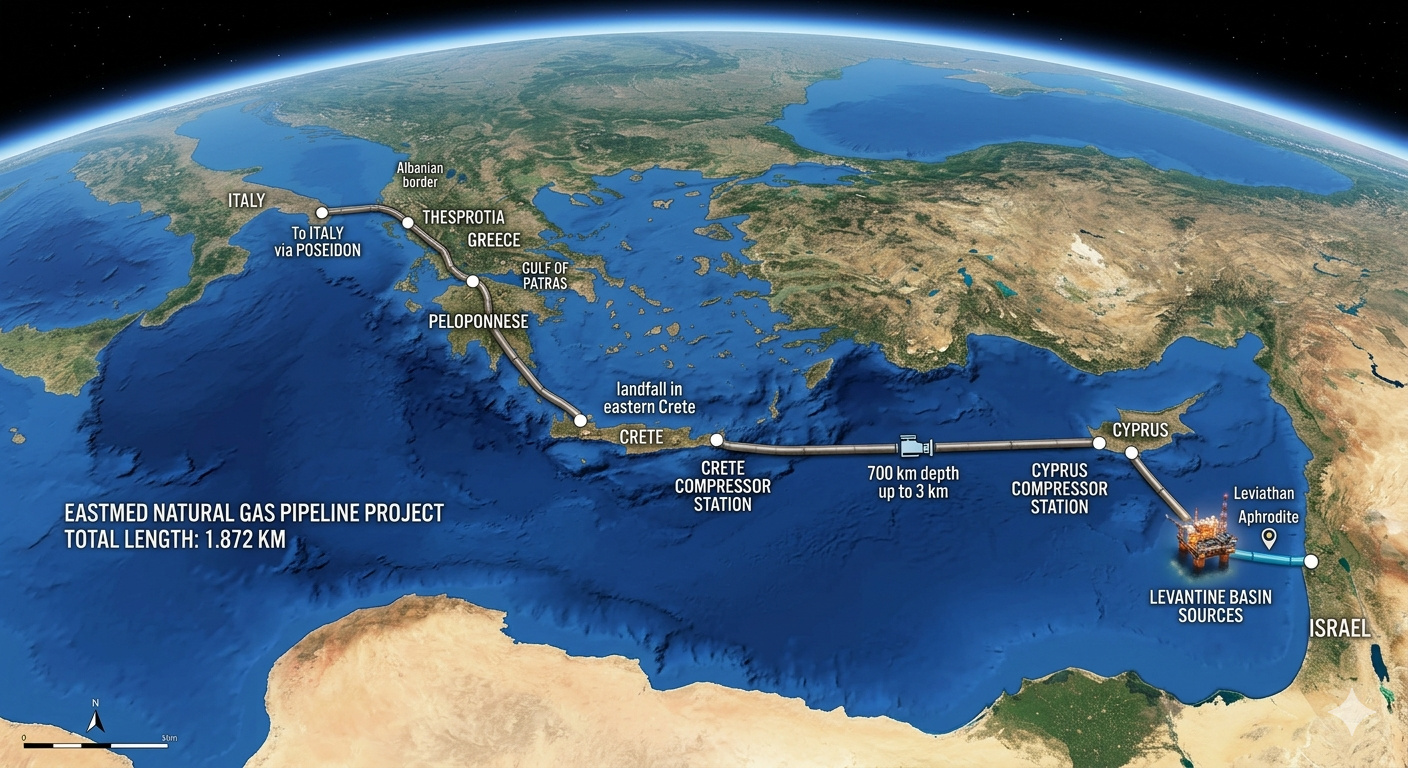
Israel, Greece, and Cyprus signed an agreement in 2020 to transport gas from the Mediterranean to Europe via a 1,872 km pipeline, but Turkey claimed sovereignty over part of the maritime route, and the project never materialized.
-
Israel, Greece, and Cyprus signed an agreement in 2020 to transport gas from the Mediterranean to Europe via a 1,872 km pipeline, but Turkey claimed sovereignty over part of the maritime route, and the project never materialized.

Eco Atlantic City is planned to be a self-sufficient city, with its own energy and potable water generation systems, as well as a telecommunications network. The city is expected to accommodate 300,000 residents and receive 200,000 daily visitors, including tourists and traders. The project includes a shopping mall, marina, and a road network designed to reduce congestion.
Investment in Eco Atlantic City
The project is a public-private partnership, with the private sector providing most of the funding and the government outlining urban strategies. The total estimated cost of the project is around $6 billion.
Despite its positive intentions, Eco Atlantic City is not without controversy. Local residents report that the construction has exacerbated coastal erosion in other areas, and experts point to the city’s vulnerability to rising tides.
Eco Atlantic City is an example of a megacity built to face environmental and urban challenges, especially in Africa. With its ambitious and strategic planning, the city promises to be a landmark in sustainable urban development, not only for Nigeria but for all of Africa. It remains to be seen how the project will evolve in light of environmental challenges and the expectations of the global community.










-

Uma pessoa reagiu a isso.