






 Portuguese
  Spanish


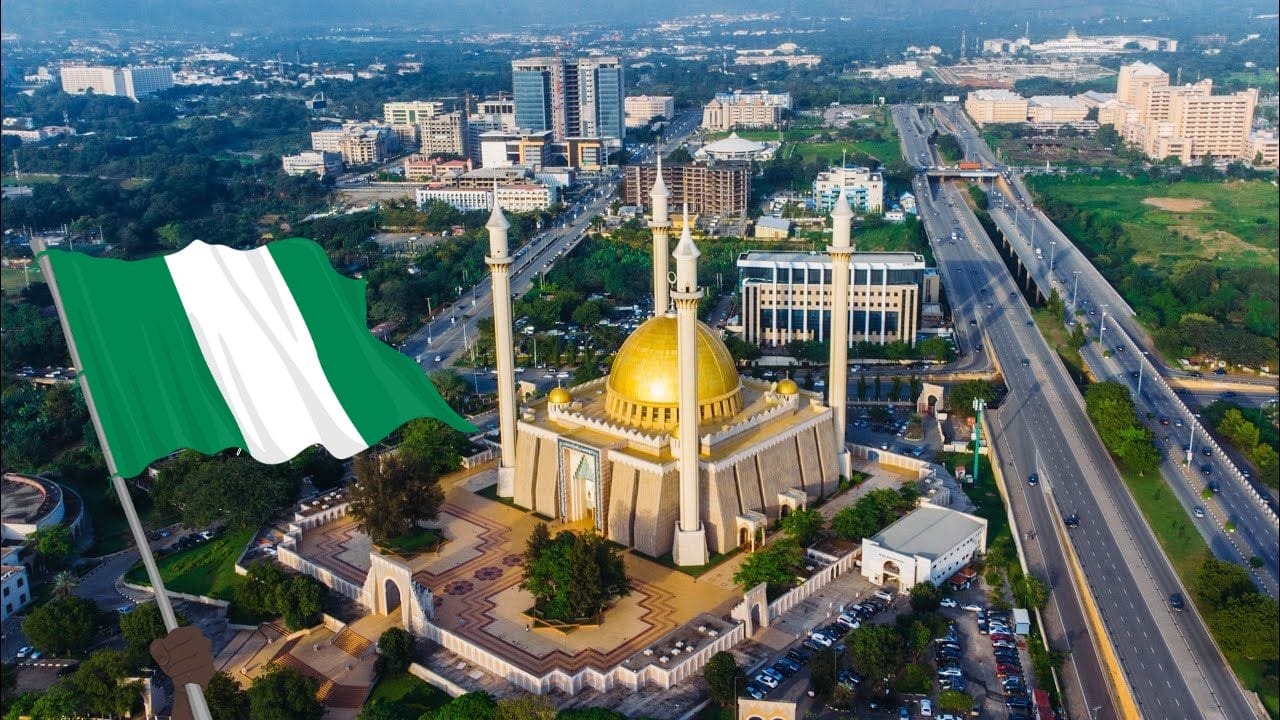

In An Impressive Turnaround Of The Usual Patterns Of Planned Cities, Abuja, The Capital Of Nigeria, Emerges As An Extraordinary Example Of Success In Civil Engineering And Construction. This City, Conceived In The 1970s As A New Capital For The Country, Not Only Was Successfully Built But Also Thrived, Attracting Millions To Its Urban Core.
Abuja, A City That Defied Common Expectations Of Mega Construction Projects, Is A Rare Success Story Among Planned Cities And Civil Engineering. While Many Of These Initiatives Are Remembered For Their Disastrous Outcomes, Abuja Stands Out As A Notable Exception.
Originally, Lagos, The Former Capital Of Nigeria, Was An Expanding Metropolis With Around 24 Million Inhabitants. However, It Faced Severe Issues Such As Wealth Inequality, Lack Of Permanent Housing For Many Of Its Residents, Poor Sanitation Conditions And The Threat Of Rising Sea Levels. These Challenges, Along With The Legacy Of Colonialism And The Need For A More Central And Accessible Capital, Led To The Decision To Build Abuja.
How Was The Construction Of Abuja?
The Planning And Construction Process Of Abuja Was Meticulous And Gradual, Following An Approach Different From Typical Planned Cities. The City Was Developed In Phases, With A Constant Concern To Address The Real Needs Of The Population, Rather Than Simply Creating An Urban Structure Without A Defined Purpose. This Strategy Of Natural Growth Ensured That Abuja Did Not Suffer The Same Fate As Many Other Planned Cities That Remained Empty Or Underutilized.
-
City Hall spends almost R$ 2 million on a wooden bridge only 2.5 meters wide to prevent the isolation of 5,000 people, but information about lifespan, load, and maintenance does not appear in public disclosures.

-
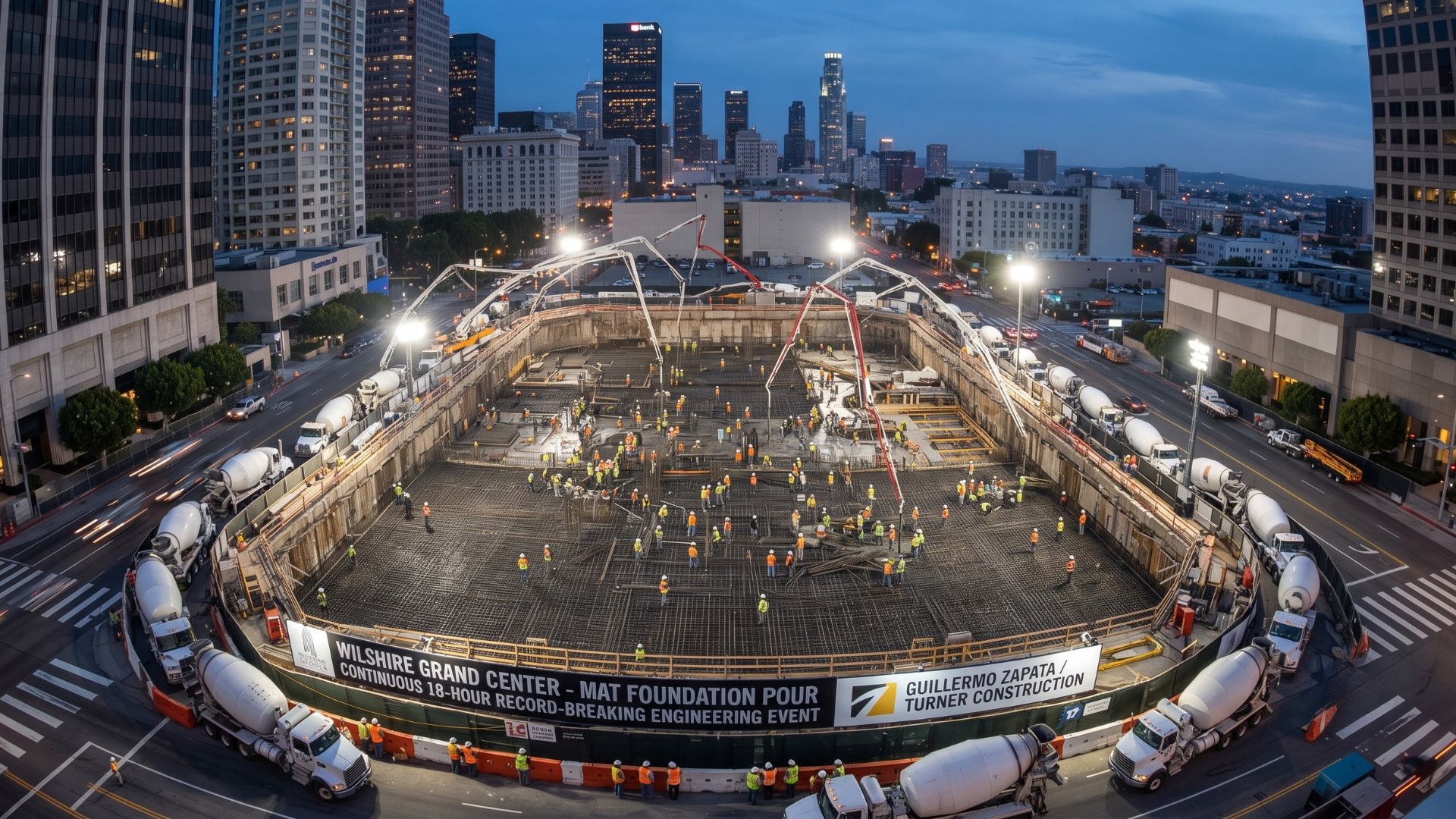
More than 2,100 trucks transported 16,200 cubic meters of concrete without interruption to create the foundation of the tallest skyscraper in the western United States and break a world record.

-
The man who started in construction with his own house founded a company in 1957, went through a banking crisis in 1987, and ended up connected to 16,500 houses in Houston.

-
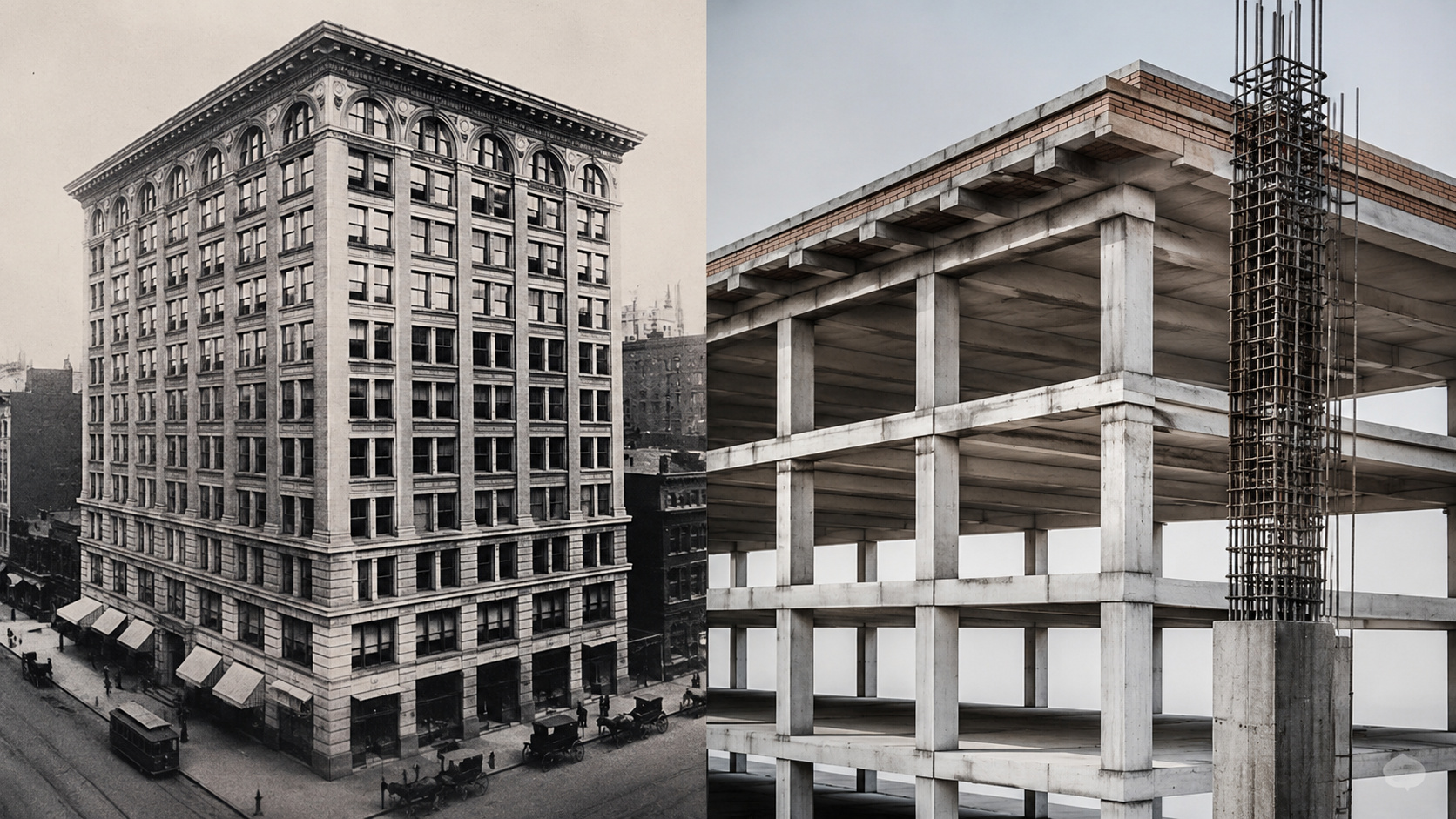
Builders challenged experts, erected a 16-story building using only reinforced concrete when the known limit was six floors, and proved that skyscrapers would never be the same again.



Despite Initial Challenges, Including Political And Economic Issues, The Construction Of Abuja Gained Momentum Under The Military Administration Of Muhammadu Buhari. Significant Investments In Infrastructure, Such As Water, Telecommunications, And Energy, Enabled The City To Support A Million Inhabitants. The Subsequent Population Boom Accelerated Development Even Further, With The Construction Of Schools, Hospitals, And New Residential Districts.
Today, Abuja Is Not Only The Political Center Of Nigeria, But Also A Growing Cultural And Economic Hub.
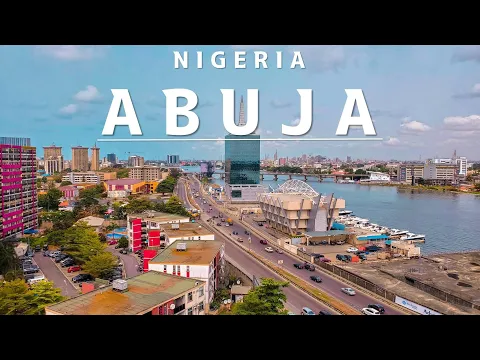
With An Estimated Population Of 1.7 Million In The City And About 6 Million In The Metropolitan Area, Abuja Is The Seventh Largest City In Nigeria. The City Houses Significant Government Buildings, Financial Institutions, And Serves As A Focal Point For Tourism, Culture, And Religion.
However, The Story Of Abuja Is Not Without Criticism And Problems. Social And Economic Inequalities Persist, And Marginalized Areas Face Sanitation Problems And Access To Basic Services. The City Still Needs To Address Issues Of Equity And Sustainability To Continue Its Path To Success.
Nonetheless, Abuja Stands Out As A Notable Example Of Success In Civil Engineering And The Construction Of A Planned City. Its Existence And Prosperity Challenge The Notion That Planned Cities Are Fated To Fail, Showing That, With Careful Planning And Responding To Real Needs, Such Projects Can Not Only Succeed But Also Become Vital For The Growth And Development Of A Nation.






Alberto Melo e Afro brasileiro especialista em comércio internacional quer ajudar na construção de ABUJA OU SEJA CONVIDAR EMPRESAS DE CONSTRUÇÃO DO BRASIL PARA TRABALHAR NA NIGÉRIA ABUJA
O pagamento será em petróleo. Counter trade trocas comerciais