





 English
  Francês
  Alemão
  Italiano
  Japonês
  Norueguês
  Portuguese
  Spanish
  3 min of reading
  0 comments


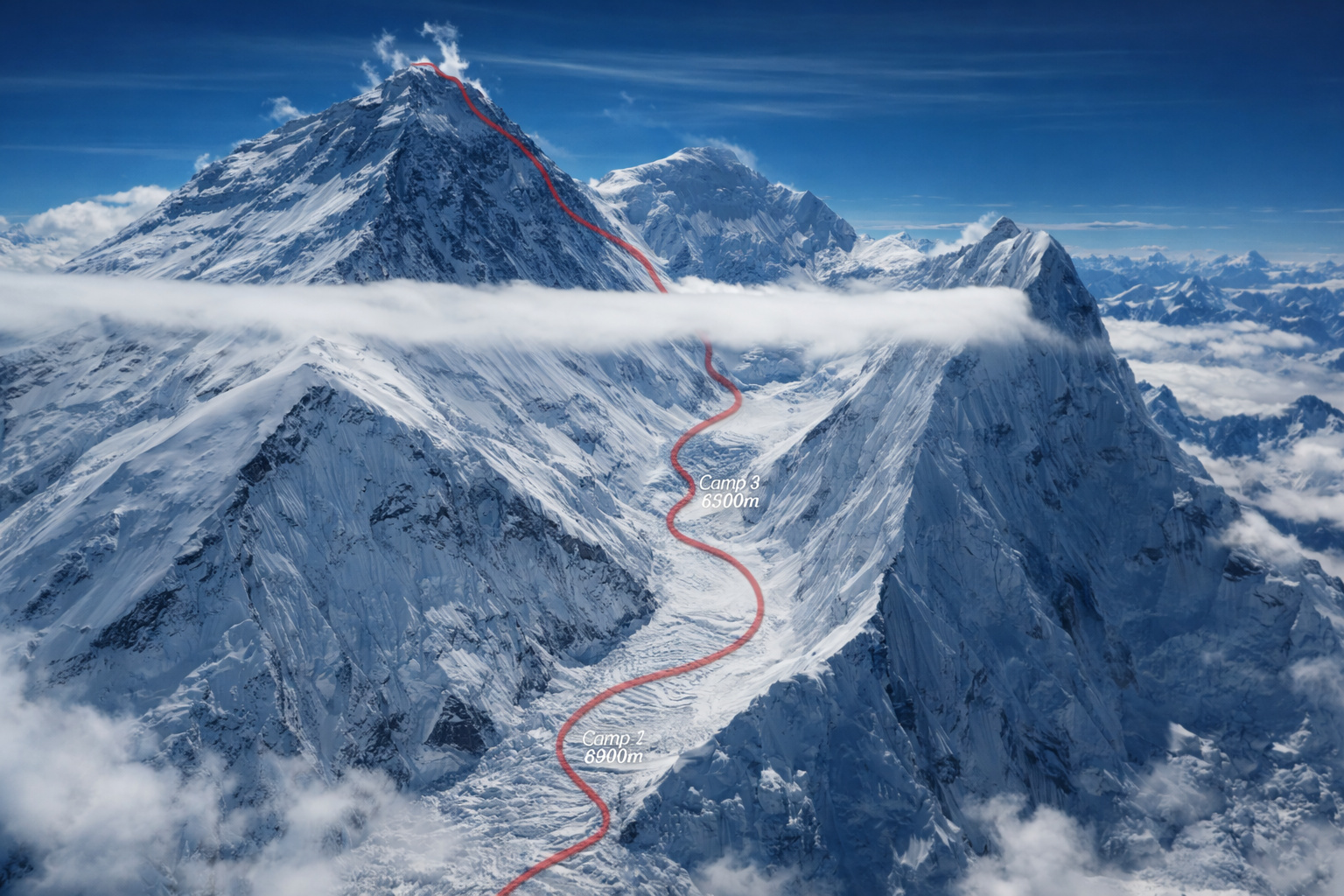
Historic achievement at high altitude involves extreme climbing, technical ski descent, and drone use for navigation in one of the most dangerous environments on the planet
The mountain skier Andrzej Bargiel made history by starring in one of the most impressive feats ever recorded in modern mountaineering. In a journey marked by physical endurance, technical precision, and decision-making under extreme conditions, he became the first person to climb Mount Everest and ski down to Base Camp without the use of supplemental oxygen.
Right at the beginning of the expedition, the challenge proved to be extraordinary. This is because Bargiel faced the so-called “death zone,” an area located above 8,000 meters in altitude, where the amount of oxygen in the air is extremely low and poses a real risk to human life. Even so, he advanced for almost 16 continuous hours of climbing, demonstrating physical and mental preparation beyond traditional standards.
Climbing in the death zone requires extreme endurance and absolute precision

As he advanced towards the summit of Mount Everest, Bargiel had to deal with severe cold, low visibility, and accumulated physical weariness. Additionally, critical points along the route, such as the summit ridge and the famous Hillary Step, required more time than planned, delaying his progress and making the journey even more dangerous.
-
Seen from space, a colossal ‘Y’ cuts through the largest desert in China, blending a jade-filled river, red and white mountains, and revealing the absurd scale of the transformation of the Taklamakan surrounded by a green wall with billions of trees.

-
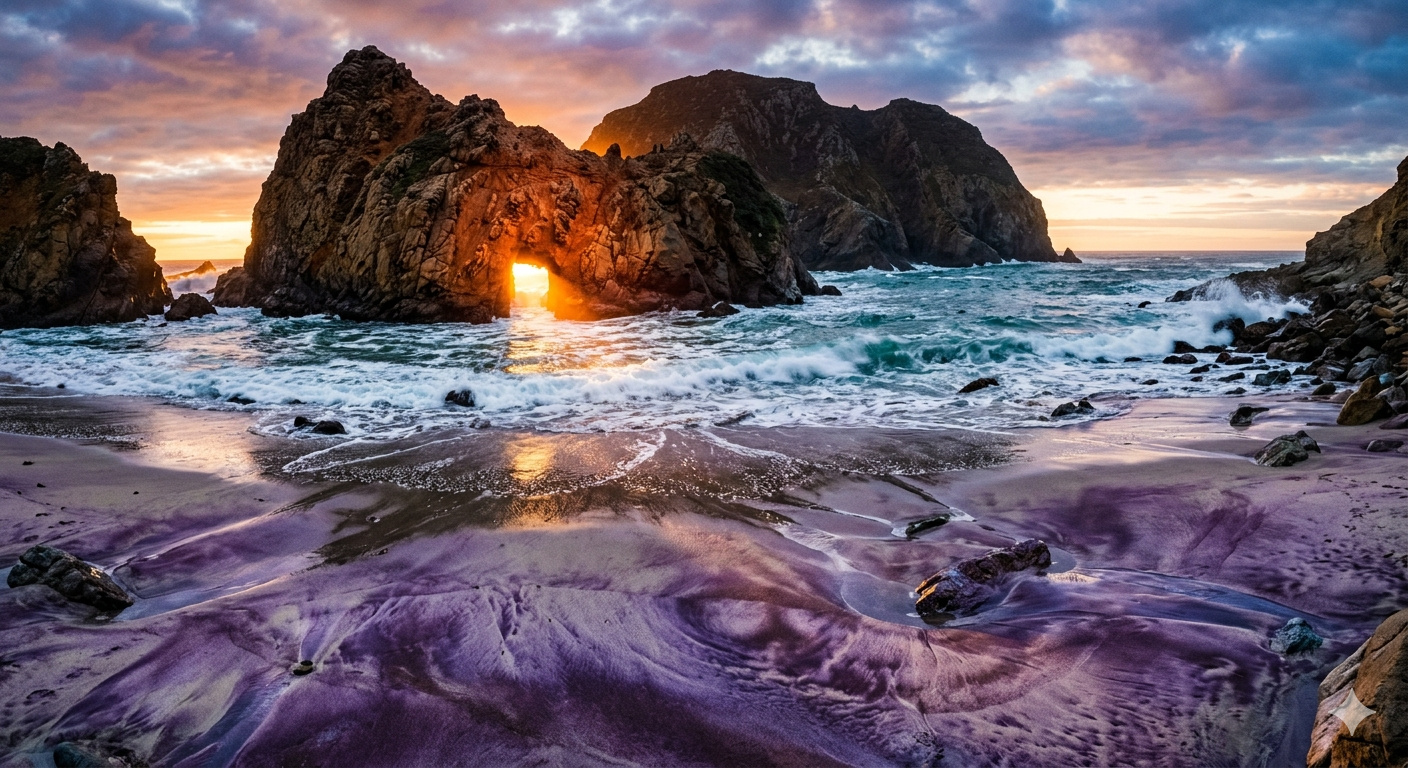
The Pacific Ocean reveals what the cliffs of Big Sur have hidden for millennia: Pfeiffer Beach, in California, features swirling purple sand formed by garnet crystals and displays a stone arch that is illuminated by the sun in winter for just a few days each year.
-
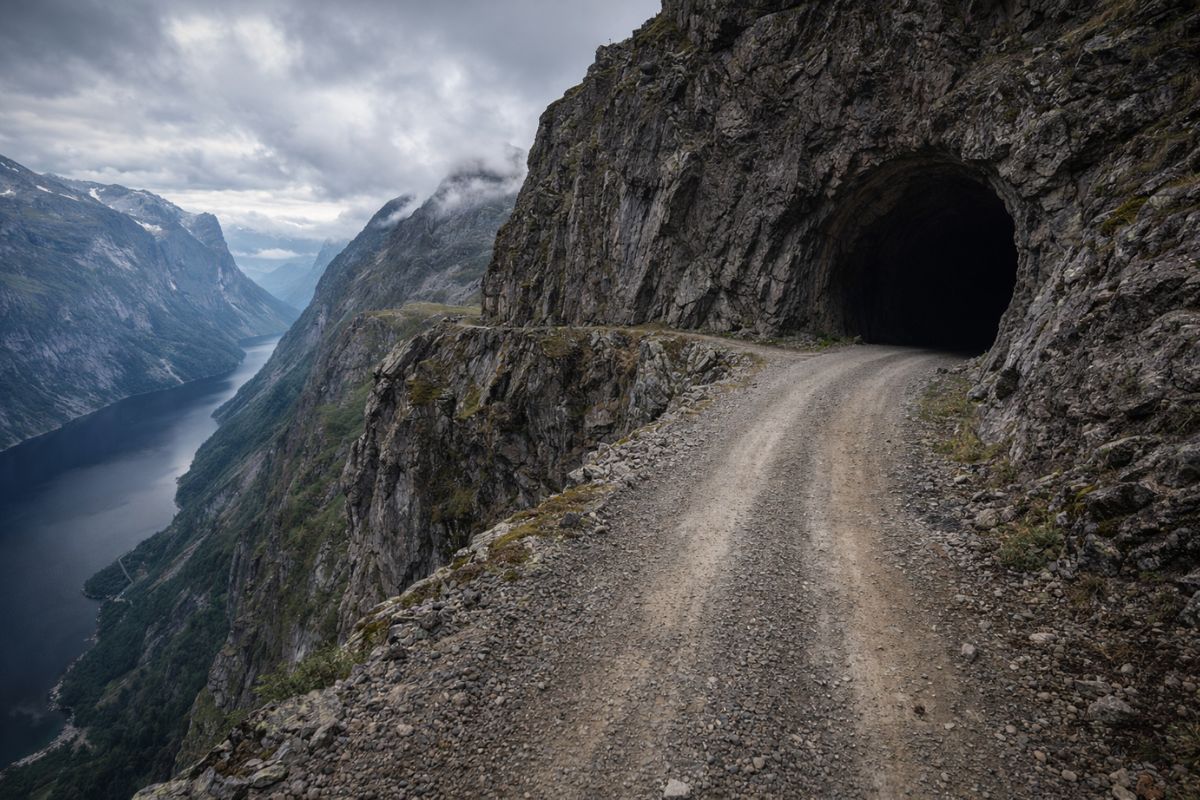
Aursjøvegen in Norway is a 100-kilometer gravel road that crosses chasms and dark tunnels carved into the rock at an altitude of 947 meters in the fjords and is only open for four months a year.
-
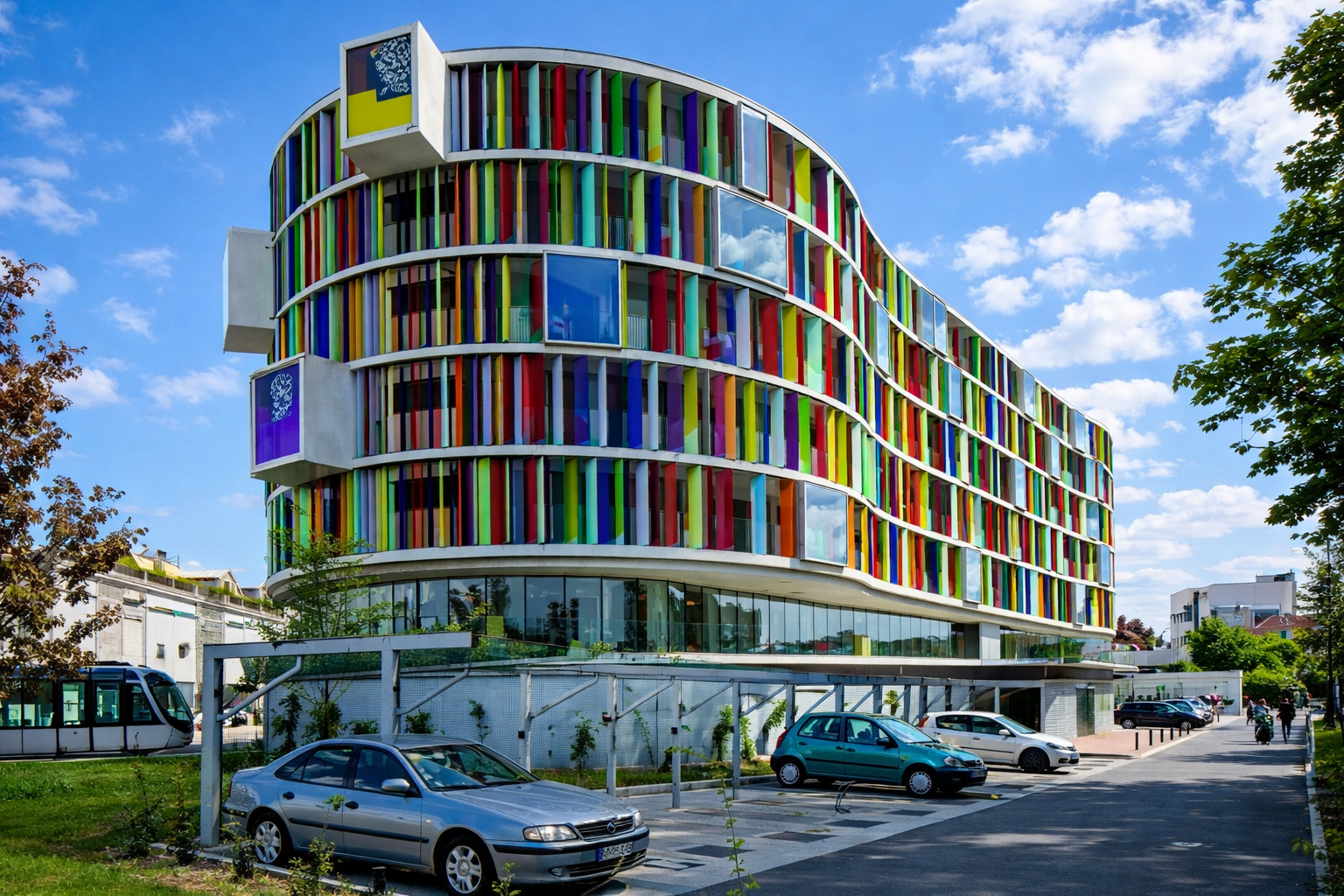
With about 4,000 m², the building constructed in a traditional neighborhood in France looks like a rainbow, has a colorful facade, mixes vibrant glass, and creates one of the most unusual visuals in Bordeaux.

Consequently, his arrival at the top occurred under adverse conditions, with nightfall complicating navigation. Even so, upon reaching the highest point on the planet, Bargiel immediately began the second phase of his mission: the complete descent using skis.
This transition was not only symbolic but extremely technical. After all, skiing down Everest requires absolute control, precise reading of the terrain, and the ability to react quickly to unexpected changes in snow and relief.
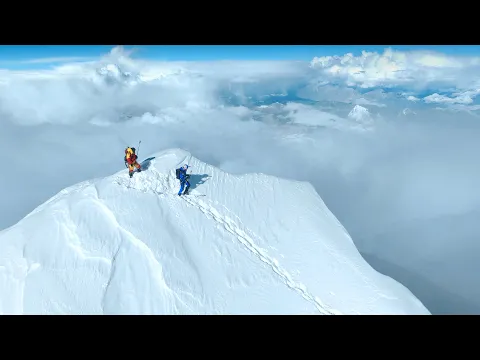

Unprecedented descent of Everest combines technique, technology, and high risk
After starting the descent via the traditional South Col Route, Bargiel continued to Camp II still on the same night, where he took a strategic break to rest. This interval was essential to regain energy and prepare for the final stretch of the journey, which still held significant challenges.
The next morning, he faced one of the most dangerous points on the entire mountain: the Khumbu Icefall. Known for its constant movements and unstable ice blocks, this area requires extreme caution. However, Bargiel had an important technological advantage — a drone piloted by his brother, Bartek, which assisted in navigation and identifying the best routes.
In this way, combining technical skill with technological support, the skier was able to cross the area safely and continue to the final destination.
Unprecedented achievement places Andrzej Bargiel in the history of world mountaineering
Finally, upon reaching Base Camp, Andrzej Bargiel solidified an unprecedented feat: he became the first person to ascend and descend Mount Everest skiing without the use of supplemental oxygen. This milestone not only redefines the limits of mountaineering but also opens new possibilities for high-altitude expeditions.
The information was disclosed through records from the expedition itself and widely reported in specialized content about extreme mountaineering, highlighting the complexity and rarity of the achievement.
Moreover, the feat reinforces the advancement of techniques and equipment used in extreme environments, while also highlighting the growing role of technology, such as the use of drones, in high-risk expeditions.
In light of all this, Bargiel’s achievement raises an important reflection on human limits and the evolution of the sport in extreme environments.
And you, do you believe that feats like this represent the pinnacle of human overcoming or a risk beyond what is necessary?








Seja o primeiro a reagir!