





 Portuguese
  English
  Spanish
  4 min of reading
  0 comments


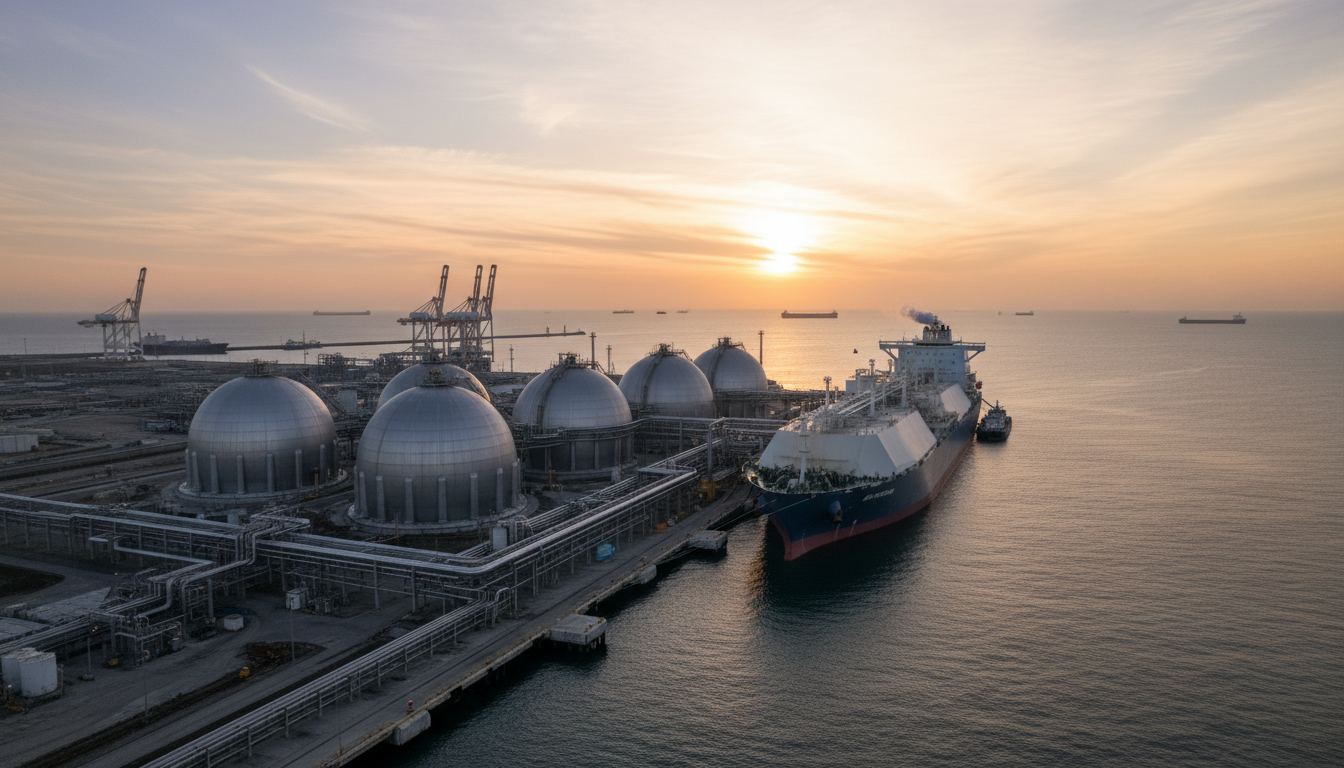
Golden Pass LNG is a $10 billion joint venture between QatarEnergy and ExxonMobil in Sabine Pass, Texas, with a capacity of 18.1 million tons per year distributed across three liquefaction trains, five tanks of 155,000 cubic meters each, and two piers that accommodate the largest LNG ships in the world
On March 30, 2026, Golden Pass LNG produced its first liquefied natural gas in the heart of Texas. After years of planning, engineering, and construction, the mega-terminal in Sabine Pass — about 10 miles south of Port Arthur in Jefferson County — finally began operations. Thus, the joint venture between QatarEnergy (70%) and ExxonMobil (30%) marks the beginning of a new era for the global energy market.
The total investment exceeds $10 billion, as per the final investment decision approved in 2019. Furthermore, Alex Savva, President and CEO of Golden Pass LNG, stated: “Today, we begin LNG production at our terminal in Sabine Pass, marking the completion of a significant effort to build, commission, and start the first LNG Train and the beginning of operations of a world-class facility.” Therefore, the project comes to fruition at a critical moment for energy geopolitics.
The numbers that make Golden Pass LNG one of the largest gas terminals on the planet

The total capacity of the terminal is 18.1 million tons per year (MTPA), distributed across three liquefaction trains with approximately 5.2 MTPA each. Thus, the complex includes impressive infrastructure:
-
The artificial intelligence market within the oil industry is worth billions today and will more than double by 2033, and those who do not get on board now with the race for digital twins and autonomous drilling will be left behind.

-
Petrobras quietly installed an artificial intelligence system called Smart Tocha in six of its largest refineries, and the technology independently controls the burning of gases to reduce emissions without any operator needing to intervene.
-
Most oil platforms in the world operate at only 77% of their potential, and McKinsey has just calculated that artificial intelligence alone can cut costs in half and increase value by 30% in just one year.
-
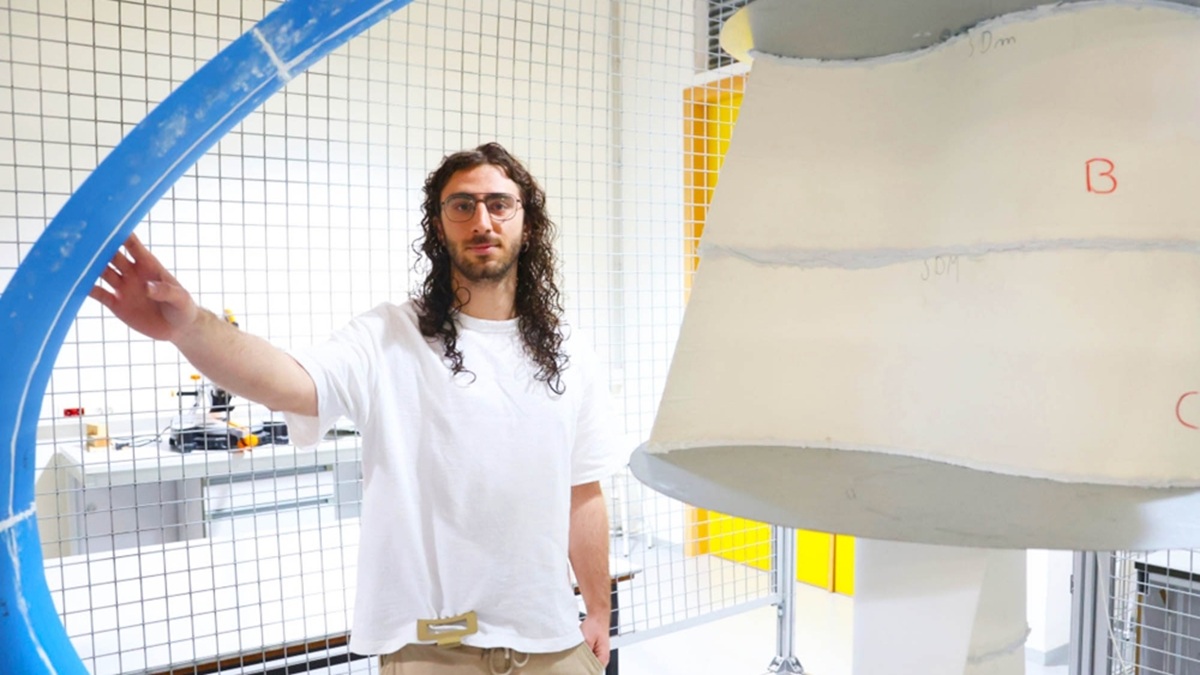
After 10 months of work and six months of almost total dedication, a student creates a wind turbine that exceeds 500 revolutions per minute and could help lower electricity prices in urban areas.
- 3 liquefaction trains: 5.2 MTPA of nominal capacity each
- 5 storage tanks: 155,000 cubic meters of LNG each
- 2 piers: capacity for the largest LNG carriers in the world
- Golden Pass Pipeline: 70 miles, delivering up to 2.5 billion cubic feet of gas per day
The pipeline connects to nine interstate and intrastate systems, primarily sourcing from the Haynesville and Permian basins. Consequently, during the calibration phase of Train 1, initial productions have already reached about 300 million cubic feet per day.
Why Golden Pass LNG became strategic amid the Strait of Hormuz crisis

The timing of Golden Pass LNG’s first production could not be more significant. The terminal provides LNG supply that does not depend on transit through the Persian Gulf. Thus, while Iranian attacks damaged Qatar’s massive Ras Laffan facility in the Persian Gulf, the gas produced in Sabine Pass goes directly to the global market without needing to cross the Strait of Hormuz.
According to gCaptain’s analysis, the loading from Sabine Pass offers “a more flexible and secure option for importers navigating elevated geopolitical risks.” Consequently, Golden Pass LNG positions itself as a critical supply source in the context of reduced global supply due to instability in the Middle East.
This dynamic reinforces what has been happening with oil companies investing billions in technology and infrastructure to diversify routes and reduce dependence on vulnerable corridors.
Sabine Pass: the most concentrated LNG export corridor in the world

Golden Pass LNG does not operate in isolation. The Sabine-Neches region hosts the most concentrated LNG export corridor on the planet. Additionally, neighboring terminals include Cheniere Energy’s Sabine Pass and Sempra Infrastructure’s Port Arthur LNG. Therefore, the concentration of capacity in this coastal strip of Texas transforms the region into a global epicenter of liquefied natural gas.
Regional infrastructure continues to grow. Kinder Morgan’s Trident Intrastate Pipeline is designed to move up to 1.5 billion cubic feet per day from the Permian Basin by 2027. Thus, the optionality of supply in the region is only expected to increase in the coming years.
Golden Pass LNG is Qatar’s largest investment in the United States — and part of a $20 billion bet
The project represents the largest investment of QatarEnergy in the United States and is part of an international expansion strategy that includes a previously announced commitment of $20 billion in the American energy sector. Thus, QatarEnergy executives described Golden Pass LNG as “the first fruits of this visionary strategy,” emphasizing that the initiative supports global energy security and expands access to cleaner energy.
However, the terminal faces challenges ahead. Full commercial operation depends on the entry of Trains 2 and 3, which do not yet have publicly confirmed dates. Additionally, global gas price volatility and regulatory disputes over new LNG export licenses in the U.S. may influence the pace of expansion. Still, with the crisis in Hormuz reducing global supply and high demand in Europe and Asia, Golden Pass LNG enters the market at the right time — and with enough scale to be a relevant player in the global energy industry.





Seja o primeiro a reagir!