





 Portuguese
  English
  Spanish
  4 min of reading
  0 comments


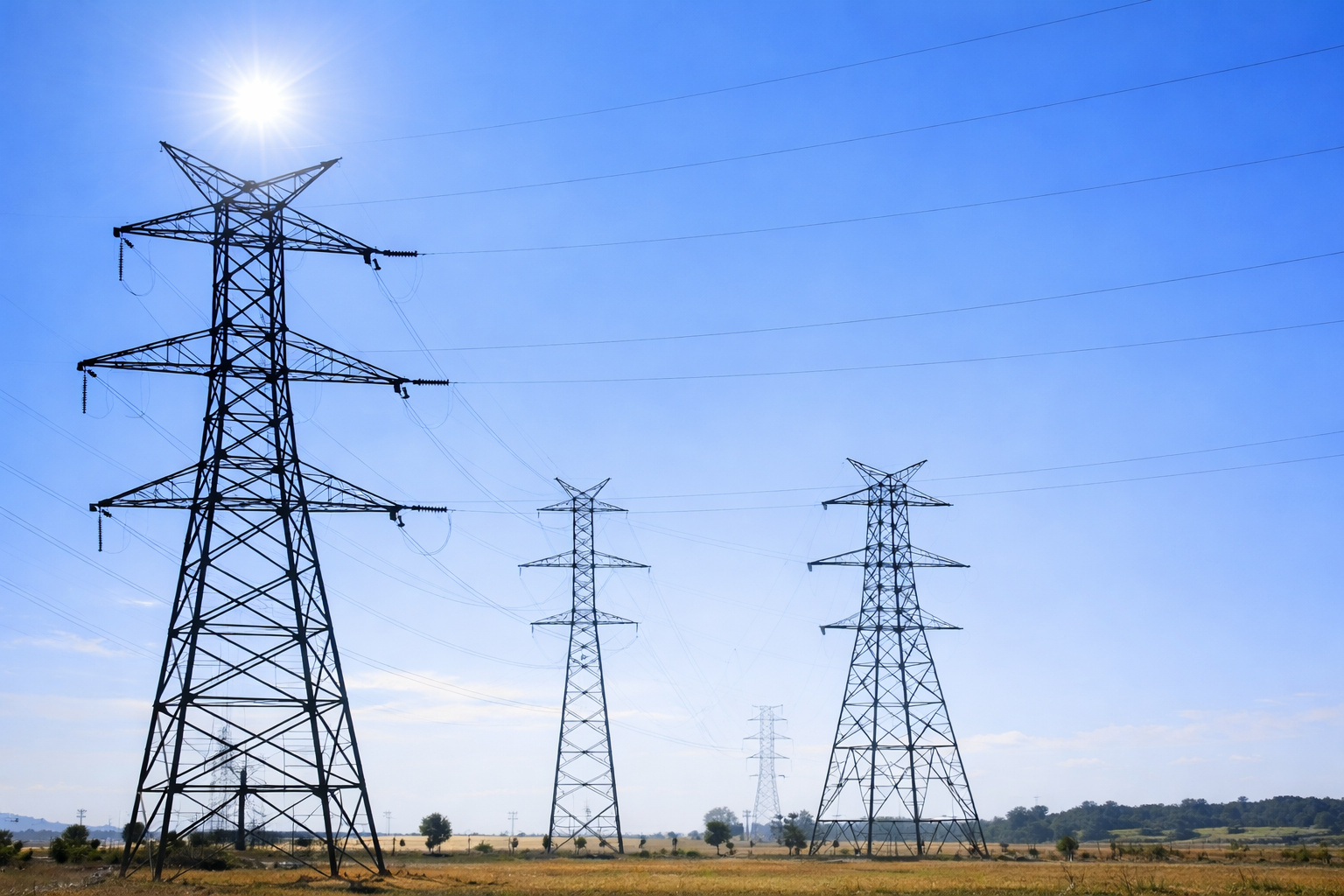
International Energy Agency Warns of Increasing Challenges in Brazil’s Electric Grid
The International Energy Agency warns that the accelerated advancement of renewable sources and the arrival of new loads will pressure the management of the electric grid in Brazil in the coming years. The warning appears in a recent report that analyzes the energy transition in the country and the direct impacts on the operation of the electrical system.
According to the organization, Brazil is undergoing a phase of profound transformation. While expanding the generation of clean energy, the country faces technical, operational, and regulatory challenges to maintain supply stability.
Renewable Expansion Changes the Operation of the Electric System
In recent years, Brazil has significantly increased its installed capacity of solar and wind energy. This growth, on one hand, strengthens the clean energy matrix. On the other hand, it alters the traditional dynamics of the electric system.
-
The Brazilian state accelerates industrial competitiveness with a focus on the extraction of strategic minerals to boost the energy transition in Goiás.
-
A Canadian retiree creates a hydroelectric system on a real river, generating energy continuously throughout the day and demonstrating how the power of water can supply a house with stability even in a simple structure.

-
Petrobras reaffirms its commitment to the market and ensures that it will carry out the energy transition safely to maintain national sovereignty.

-
Researchers discover a possible hydrogen deposit of up to 46 million tons beneath an ancient coal basin, and the volume could exceed half of the entire global production.


In this context, the International Energy Agency warns that renewable sources present variable generation, dependent on climatic factors. Thus, the system operator needs to deal with constant fluctuations between supply and demand.
Furthermore, decentralized generation increases the number of connection points to the grid. Therefore, operational complexity grows, requiring greater coordination and the use of advanced technologies.
New Loads Increase Pressure on Existing Infrastructure
In addition to the renewable expansion, the report highlights the accelerated growth of new electric loads in Brazil. Among them are electric vehicles, data centers, electrolyzers for green hydrogen production, and the electrification of industrial processes.
At the same time, these new demands require continuous supply and high reliability. Thus, the pressure on electrical infrastructure increases, especially in regions where the grid already operates close to its limit.
In this scenario, the International Energy Agency warns that the planning of grid expansion must keep pace with the energy transition.
Electric Grid Needs Urgent Modernization
According to the report, the modernization of Brazil’s electric grid has become a strategic priority. Digital technologies, automation, and smart systems are becoming central to the management of the system.
Furthermore, sensors, monitoring software, and real-time data analysis help anticipate failures and balance operation. Thus, the system gains greater flexibility to deal with intermittent sources.
The International Energy Agency warns that, without these investments, Brazil may face operational bottlenecks and loss of energy efficiency.
Transmission Becomes a Critical Point of the System
Another highlighted factor involves the expansion of transmission lines. Many solar and wind farms are located far from major consumer centers. Therefore, the capacity to transport energy becomes essential.
In this context, delays in transmission projects can limit the utilization of already installed renewable generation. Thus, the country risks wasting part of the available energy potential.
The International Energy Agency warns that the integration between generation and transmission needs to occur in a coordinated manner.
Energy Storage Gains Strategic Importance
The report also highlights the growing role of energy storage. Battery systems allow electricity to be stored during periods of excess generation and released when demand increases.
Thus, storage helps reduce the variability of renewable sources. Additionally, it improves the stability of the electric system as a whole.
In this regard, the International Energy Agency warns that public policies and regulatory incentives can accelerate the adoption of these solutions in Brazil.
System Operation Requires More Technology and Training
With more sources connected and greater complexity, the role of the electric system operator becomes even more challenging. Decision-making needs to occur in real time, based on reliable data.
Therefore, the report points out the need to invest in technical training, system integration, and the use of artificial intelligence for load and generation forecasting.
This way, the country can respond more quickly to climate events, consumption peaks, and grid failures.
Energy Transition Brings Opportunities but Also Risks
While highlighting challenges, the International Energy Agency warns that Brazil has important competitive advantages. The country has a high share of renewable sources and great expansion potential.
However, the agency emphasizes that the energy transition must occur with planning. Without it, the combination of growing demand and intermittent generation can create instability and increase costs.
Thus, the balance between expansion and efficient grid management becomes fundamental.
Long-Term Planning Will Be Decisive
According to the report, decisions made now will impact Brazil’s electric sector for decades. Investments in infrastructure, regulatory modernization, and technological innovation are key factors.
In this context, the International Energy Agency warns that the success of the energy transition in Brazil depends on both the expansion of renewables and the ability to operate the grid safely and efficiently.
Thus, the management of the electric grid solidifies as one of the main challenges of national energy policy.









-

2 pessoas reagiram a isso.