





 English
  Francês
  Alemão
  Italiano
  Japonês
  Norueguês
  Portuguese
  Spanish
  3 min of reading


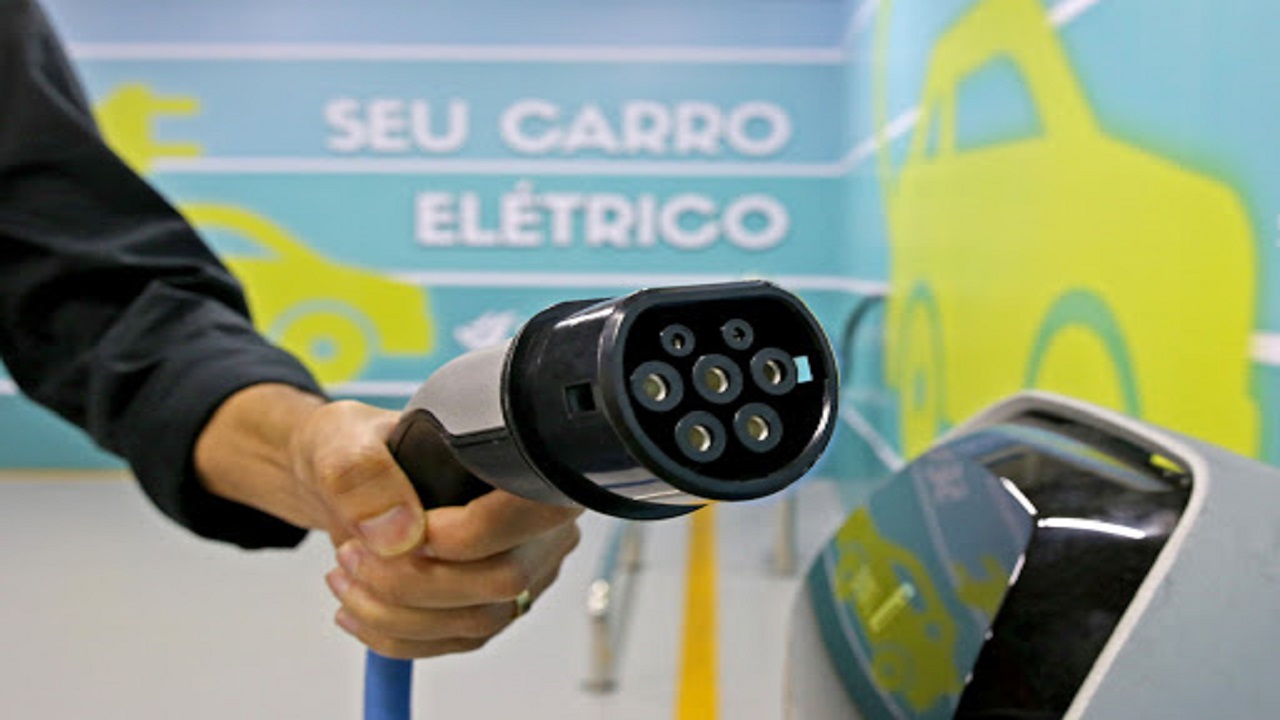
With The Goal Of Emitting Zero Carbon By 2050, The International Energy Agency (IEA) Asks Companies To Stop Investments In Oil Wells And Sales Of Gasoline And Diesel Combustion Engine Cars By 2035
The International Energy Agency (IEA) claims that by 2050, the entire energy sector could produce with zero carbon emissions. In a report, the agency calls for the cessation of investments in new oil wells, as well as the sale of gasoline and diesel combustion engine cars by 2035.
Read Also
IEA Fighting Climate Change And The End Of Oil Stations
Until a few years ago, the IEA spoke about the risk of bottlenecks in gas and oil supply due to the use of new renewable energies, and now it is combating climate change and, therefore, urges companies to forget new investments in oil wells, combustion engines, gasoline, and diesel, to focus on renewable energy sectors and concentrate all investments there.
According to the agency, a decline in oil demand has already begun, which will not reach the peak achieved in 2019. Demand for natural gas will also decrease soon, according to the agency, potentially reaching by 2030, being 18% lower than in 2020 and, in 2050, it will have a reduction of up to 75%, compared to the previous decade.
-
Brazilian giant expands borders in the Southeast: Petrobras confirms new oil discovery in ultra-deep waters in the pre-salt of the Campos Basin.

-
Alert in the global energy market: Severe tropical cyclone hits the coast and disrupts gas production at major plants in Australia, threatening global supply.

-
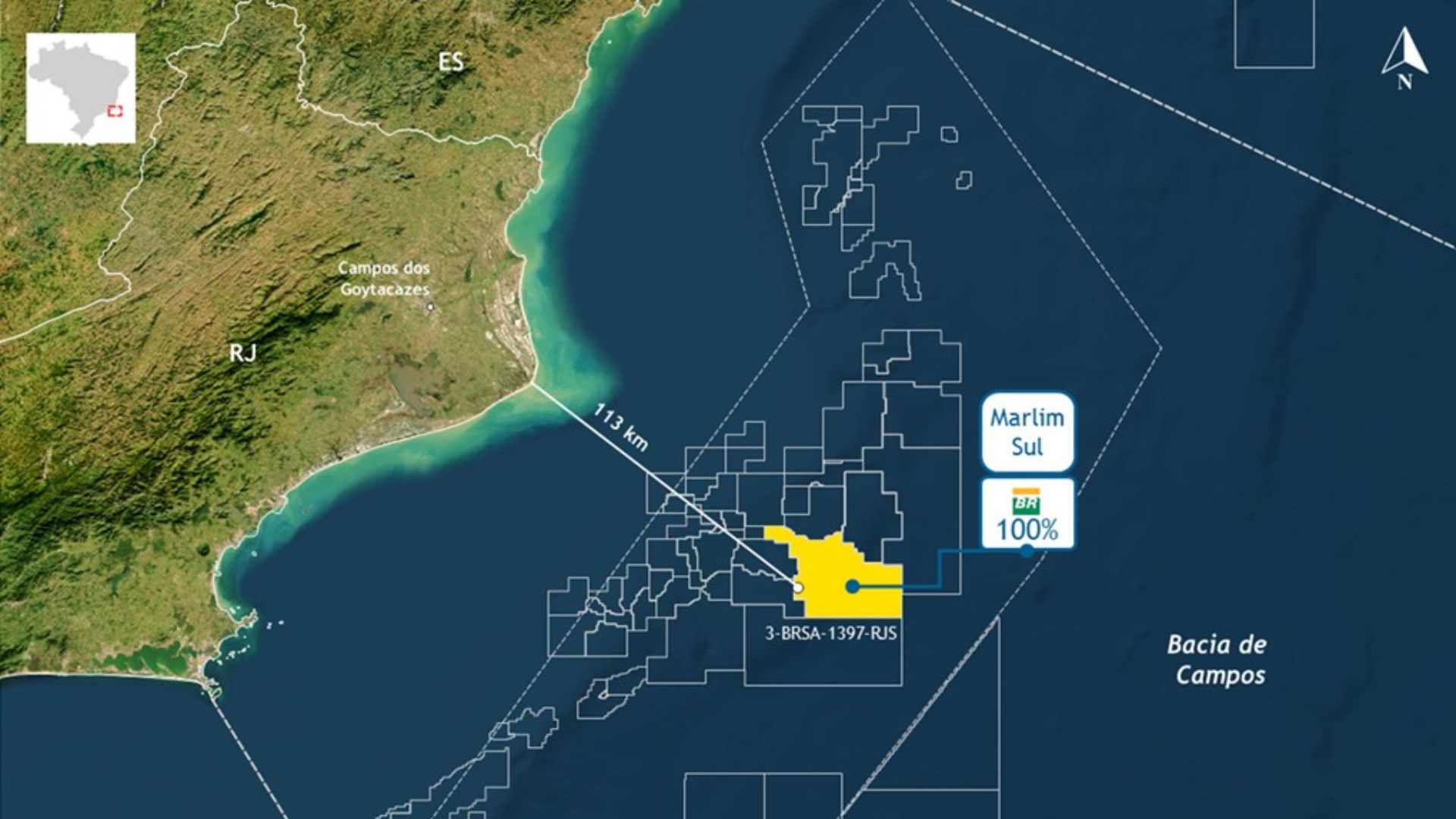
Petrobras finds high-quality oil in the pre-salt at 113 km from RJ and reignites expectations about strategic reserves in the Campos Basin.

-
Ocyan opens registrations for startups focused on innovation in the oil and gas sector and will select projects for Innovation Day with the support of Nexio.


The Constant Growth Of The Renewable Energy Market
The agency states that, instead of oil and gas wells, investments will be directed towards solar and wind energy. The projected increase will be from US$ 2 trillion today to US$ 5 trillion by 2030, and there is a probability that this amount will remain constant in the coming years.
Thus, the wind and solar energy produced in 2030 will be quadruple that of 2020, which, even with the pandemic, is already being considered a record year. It is important to note that, according to IEA data, by 2050, global energy demand will be 8% lower than current demand.
The End Of Gasoline And Diesel Combustion Engines
Stepping away a bit from the IEA report, we should base all investments of automakers on shifting away from gasoline and diesel combustion engines. The process of electrification has been progressing more quickly in European countries than in Brazil and the rest of Latin America; however, there are investments, such as Volvo’s, which announced that it will no longer manufacture vehicles with gasoline or diesel combustion engines in Brazil and Norway.
Even though Brazil is not among the largest examples in the electric car market, Volvo says its entire strategy is explained by the numbers. In addition to this automaker, many others are closing their production of traditional cars and moving towards electric vehicles.









Seja o primeiro a reagir!