Portuguese
  Spanish




According to the Agency, the Oil and Gas Sector Will Be the Most Affected by the Drop in Investments
That the negative impacts of the coronavirus will be numerous, we all already know. However, according to data from the IEA (International Energy Agency), the pandemic will be responsible for the largest drop in global energy investment in history.
See Also Other News:
- For the Acquisition of Wind Energy Projects in Paraíba, French Multinational Receives Authorization from Cade
- Bravante Starts Immediate Curriculum Registration for Maritime Workers for Offshore Contract in Rio de Janeiro
- Selection Process for Job Openings at the Mining Company Enaex to Meet Operation and Production Demand
According to the agency’s report released yesterday (27), data and forecasts show the pandemic’s impacts on the energy sector for this year. According to the report, no segment of the energy chain is excluded from the negative consequences of the scenario we are living in.
-
Qantas and Airbus Invest in Company Aiming to Convert Unsorted Household Trash into Jet Fuel

-
Brazil’s ANP Opens 86 New Oil Blocks in the Equatorial Margin, Expanding the Amazon River Mouth Frontier

-
OPEC+ Boosts Oil Supply by 188,000 Barrels per Day in July 2026, Leading to Price Drop from $112 to $89 per Barrel in Under Two Months

-
TotalEnergies Signs 20-Year Deal to Purchase 2 Million Tons of LNG from Alaska, Boosting Project Viability

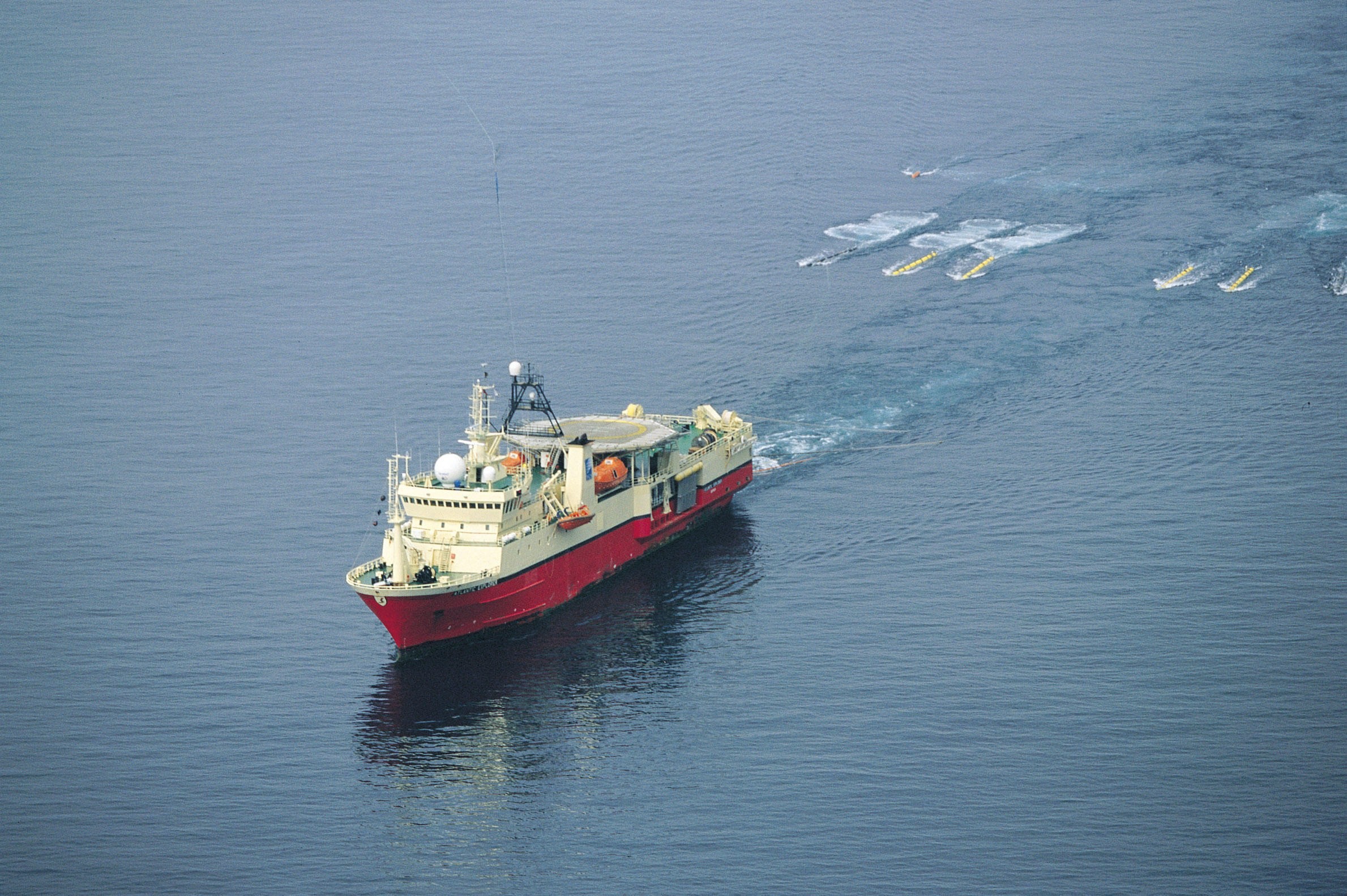


Fossil fuels, renewable energy, and efficiency, all segments are expected to receive less funding this year.
At the beginning of the year, before the crisis unfolded, global investments in the energy sector were on track for a growth of about 2%, which in practice would represent the largest annual increase in six years. However, with the current scenario, the IEA expects investments to drop by 20% – nearly US$ 400 billion compared to 2019.
According to the report, energy revenues destined for governments and the industry are expected to drop well over US$ 1 trillion in 2020.
Fatih Birol, Executive Director of the IEA, says, “This means job losses and economic opportunities today, as well as a loss of energy supply that we may need tomorrow when the economy recovers. The slowdown in spending on key clean energy technologies also risks undermining the much-needed transition to more resilient and sustainable energy systems.”
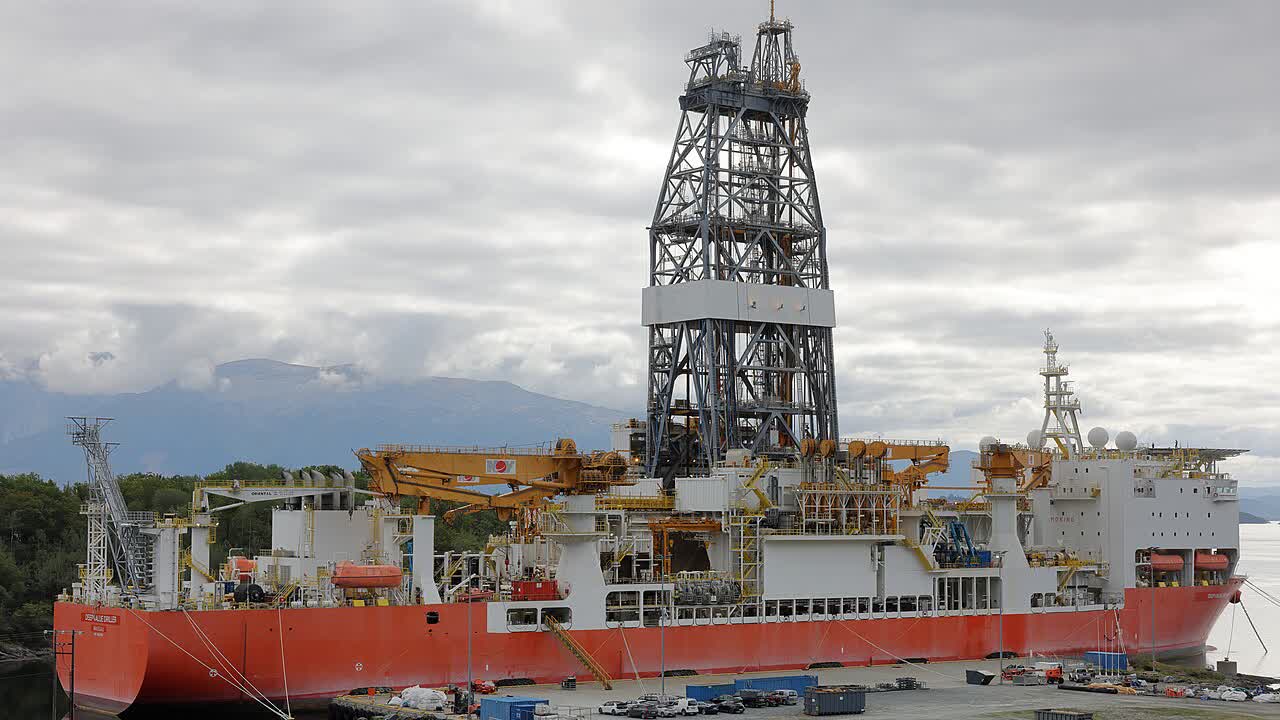
In the oil and gas sector, due to low global demand for oil, investments are expected to drop by nearly a third in 2020.