





 Portuguese
  English
  Spanish
  3 min of reading
  0 comments


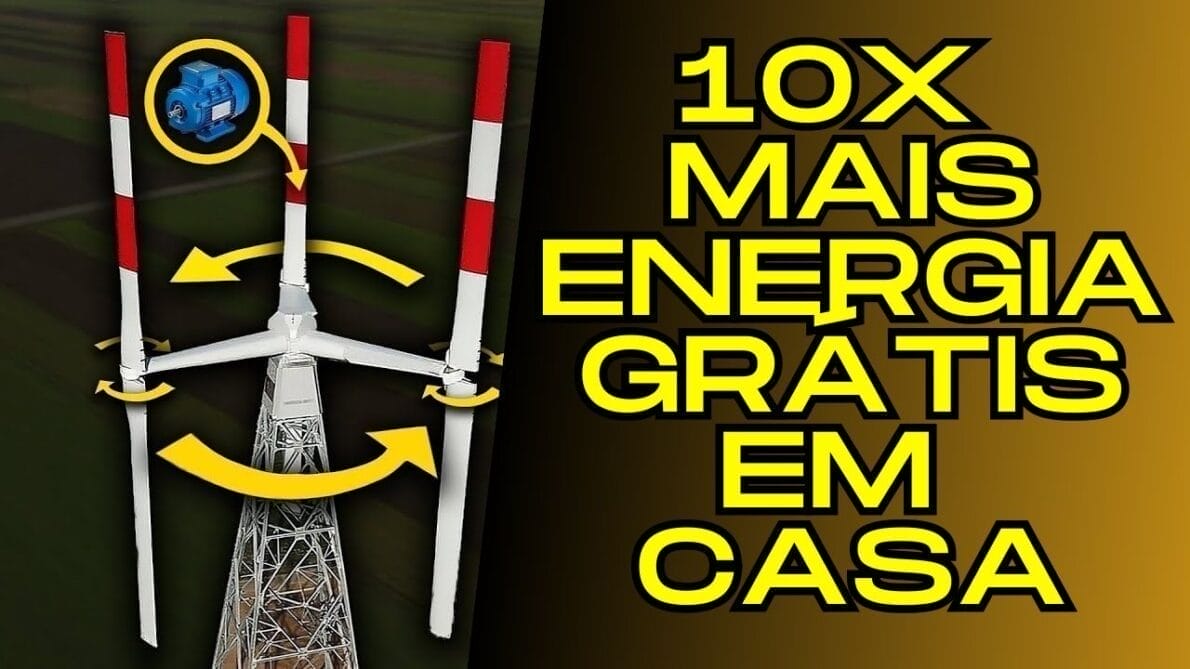
Wind energy is one of the most popular and growing renewable energy sources in the world. According to the Global Wind Energy Council, wind energy capacity reached 743 GW in 2020, supplying 6.1% of global electricity demand. However, traditional wind turbines face their challenges and criticisms. The solution? The new Agile wind turbine, which promises to overcome all these obstacles and bring a revolution to green technology.
With a flexible design and smart materials, the Agile wind turbine is the promise of a greener and more efficient future in wind energy generation, especially in urban environments.
Wind energy is clean, abundant, and accessible, but traditional turbines face criticism for their visual impact and on ecosystems. They can be noisy, large, and even dangerous for birds and bats. The Agile wind turbine arrives to solve these problems with an innovative and technological approach.
What Is the Agile Wind Turbine?
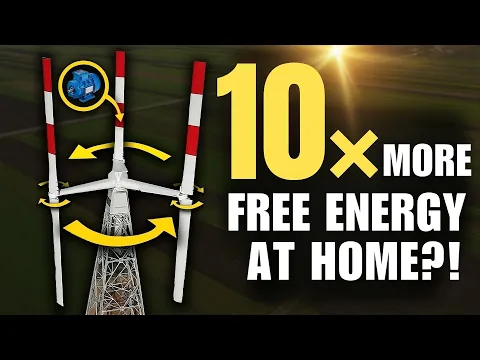

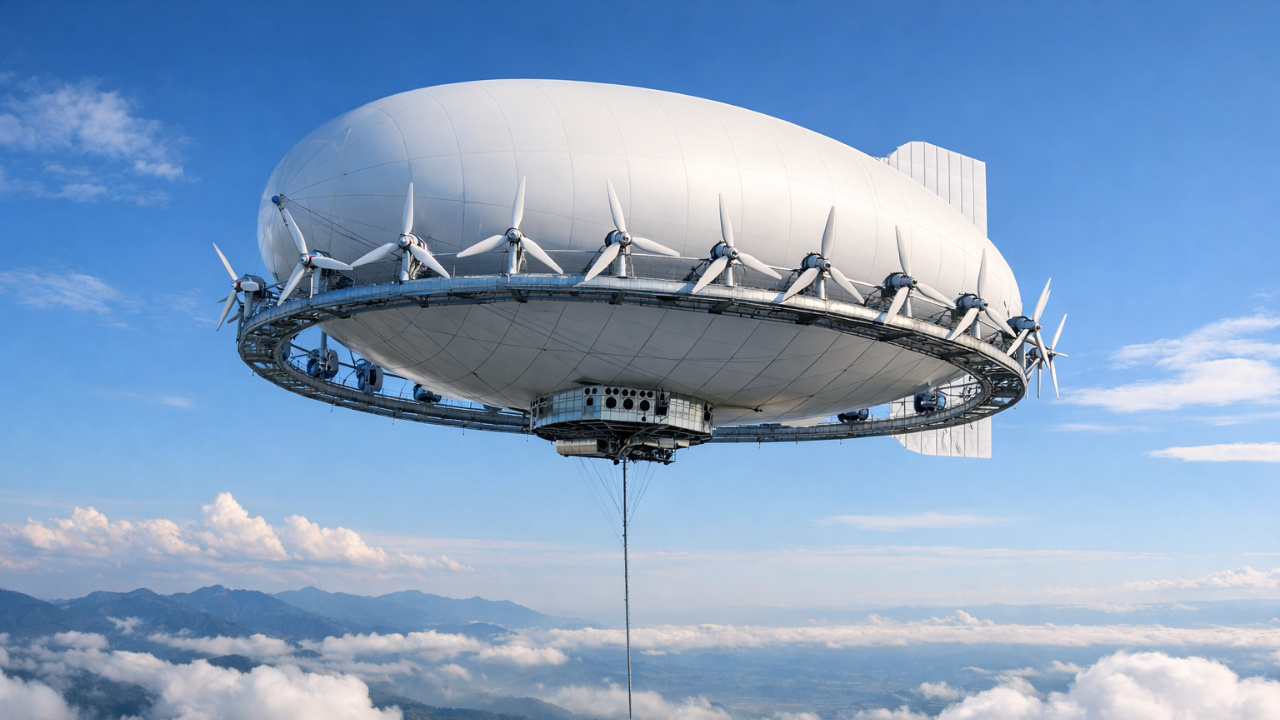
The Agile wind turbine is a type of turbine that adjusts its shape and orientation according to wind speed and direction. Unlike conventional turbines with fixed axes, the Agile features flexible axes that can bend, twist, and rotate in any direction, capturing more energy and producing more electricity.
-
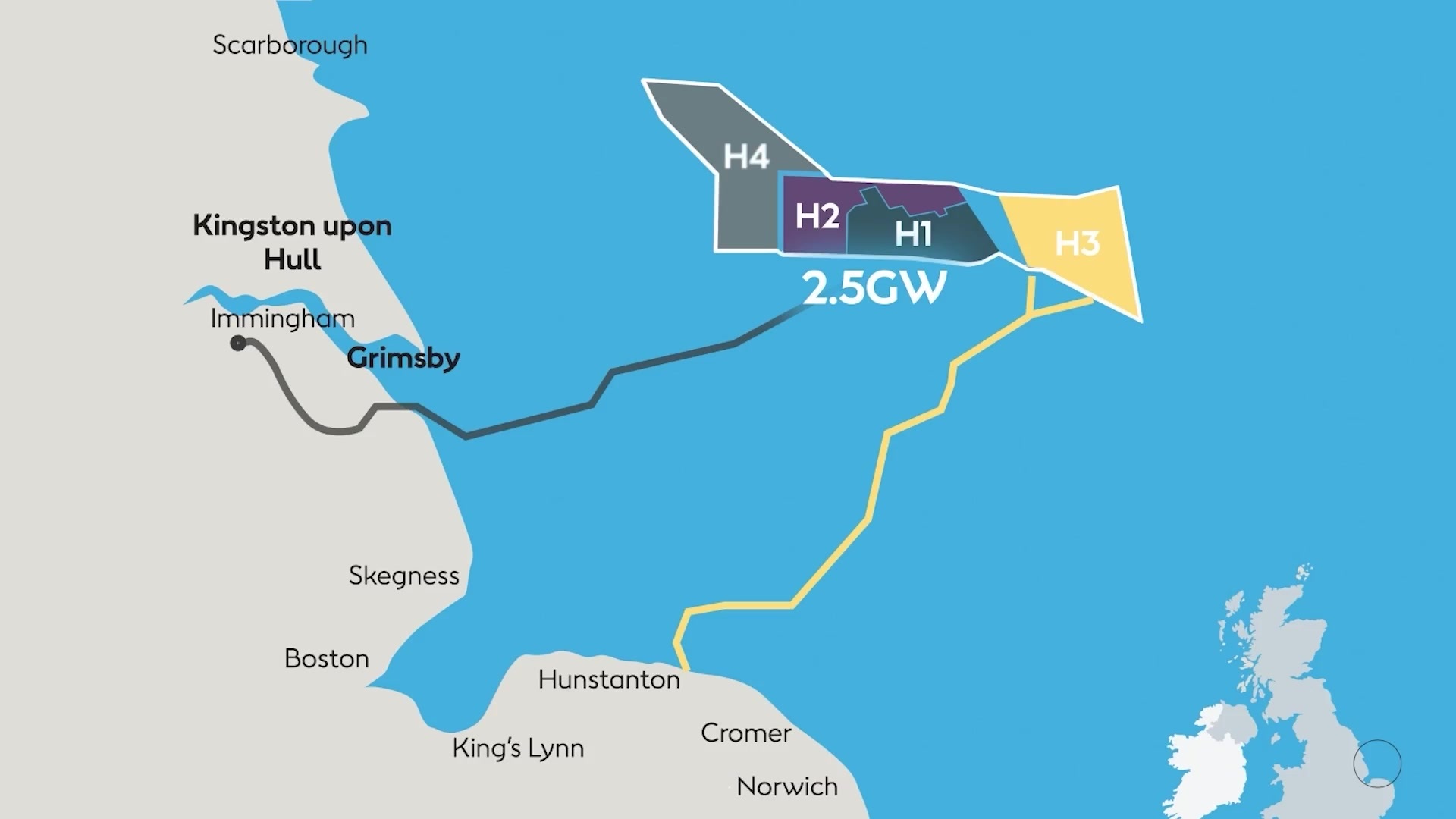
231 turbines of 260 meters at 160 km from the coast, monopiles weighing as much as nine blue whales embedded in the North Sea, and a crane ship taller than the Eiffel Tower: Hornsea 3 will be the largest offshore wind farm on the planet by 2027, and its first components have already arrived in England.
-
International Certification Puts Senai Norte on the Renewable Energy Map and Expands Access to Essential Training for Qualified Wind Power Professionals
-
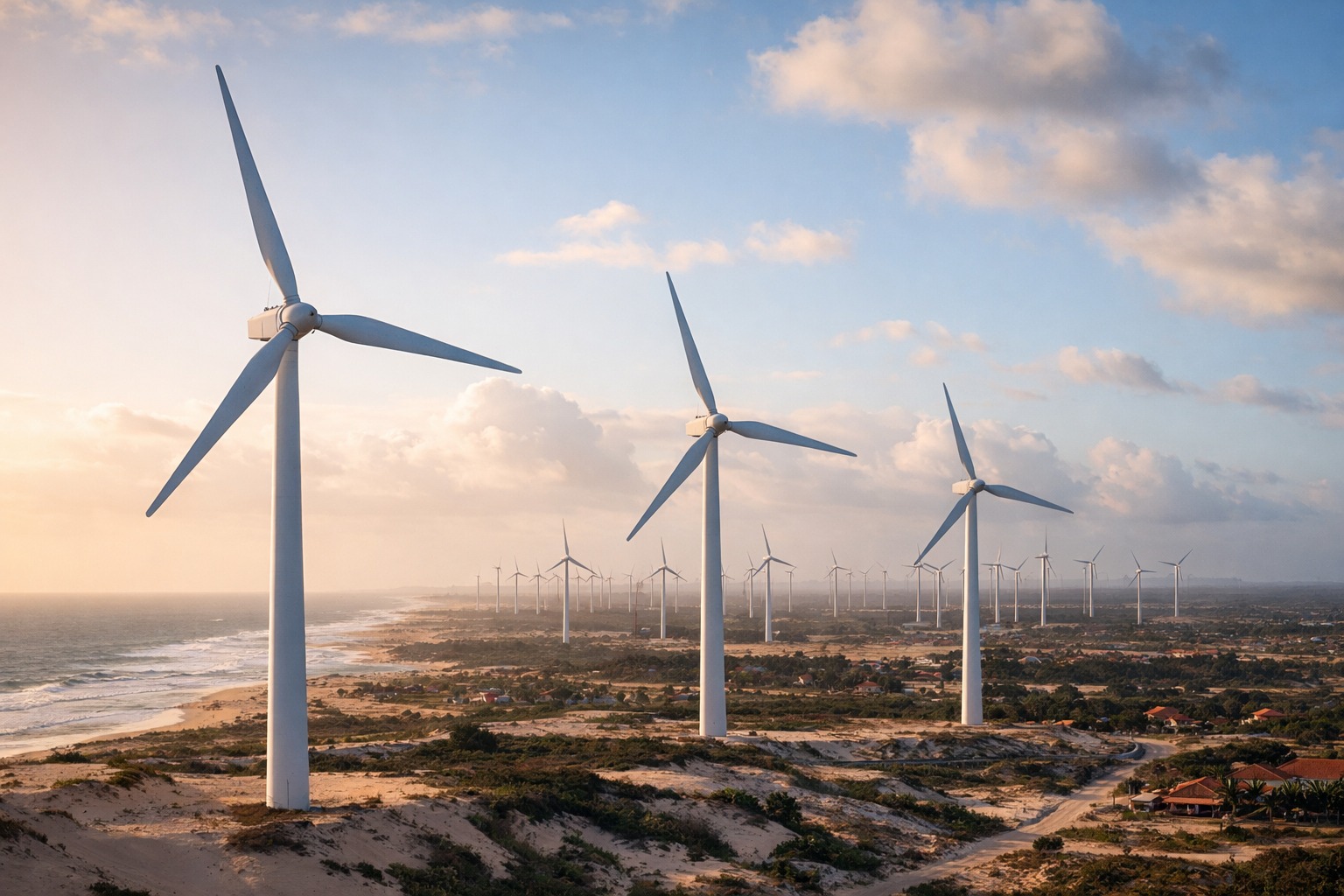
The Winds of the Northeast Are in Foreign Hands: Nearly 70% of the Region’s Wind Farms Are Owned by International Companies, with France, China, and Italy Leading Investments in Wind Energy in Brazil
-
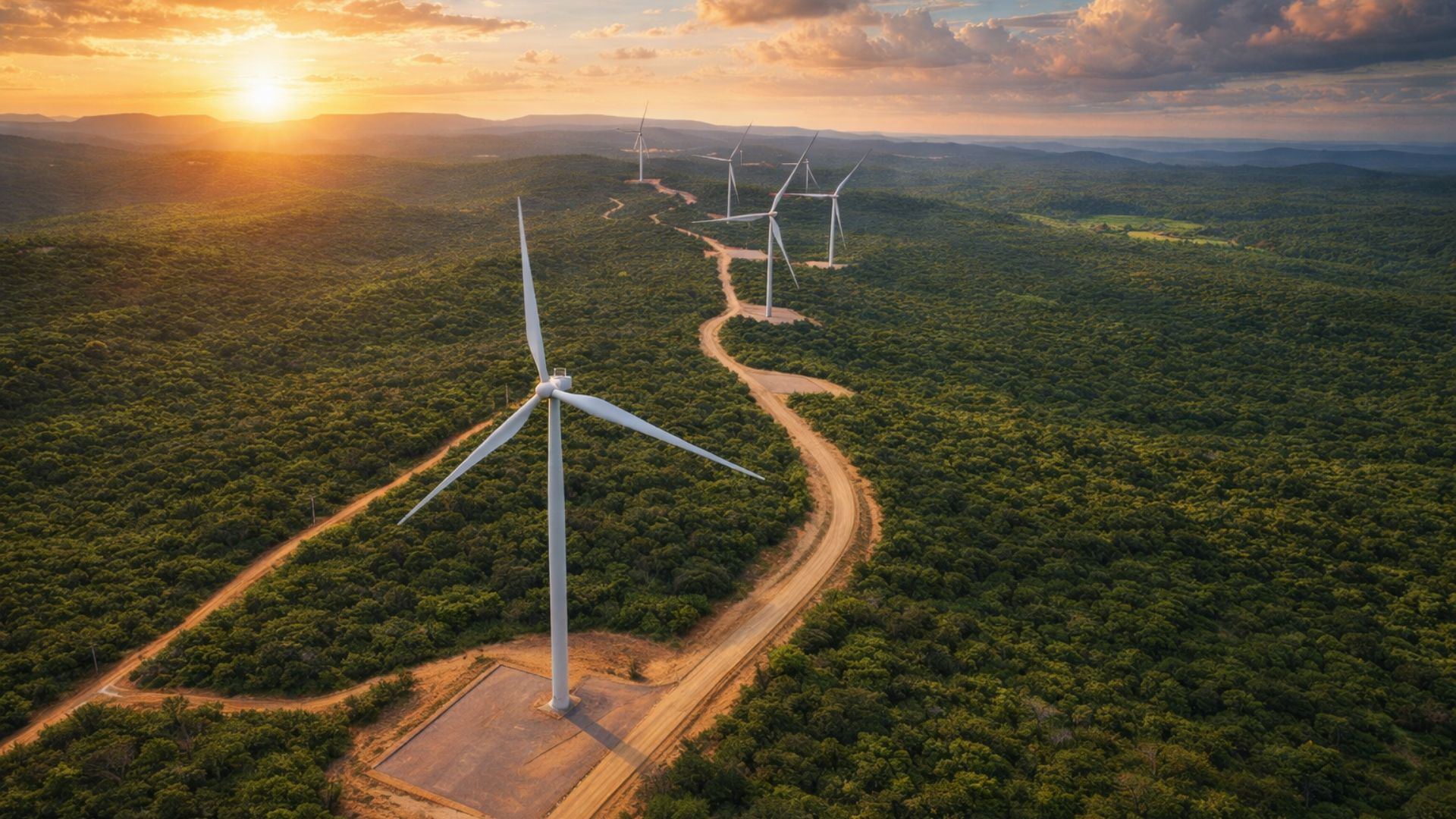
Echoenergia’s Wind Farms Receive Diamond and Platinum Seals and Boost Carbon Credits with Projects that Prevent Large Volumes of Annual Emissions

It can be installed in more places, such as rooftops, balconies, and even windows. Ideal for urban areas, it does not cause noise pollution or risk to people and animals. It functions in various weather conditions, from light to strong winds.
How Does It Work?
The key to Agile’s success lies in the smart materials used in its construction, such as shape memory alloys, piezoelectric ceramics, and electroactive polymers. These materials allow the turbine to adjust the length, curvature, and angle of the blades to optimize performance and efficiency.
Urban Wind Energy
The Agile wind turbine is perfect for urban wind energy, which involves generating electricity in urban areas. This brings advantages such as:
Lower Transmission Losses: Energy generated closer to the point of use.
Higher Energy Demand: Cities consume a lot of energy, making local production even more valuable.
Public Acceptance: Smaller and quieter turbines are more widely accepted by the population.
According to a World Bank study, urban wind energy could supply up to 15% of global electricity demand by 2050, reducing CO2 emissions by 3.2 gigatons per year. Additionally, this technology could create millions of jobs, boost the economy, and enhance the energy security of cities.
The Future of Wind Energy
The Agile wind turbine not only promises to transform urban wind energy but also to open new possibilities in various applications. Its adaptable design can be adjusted for different environments and needs, making it one of the most exciting innovations in the field of renewable energy.
Whether for residential, commercial, or industrial use, the Agile wind turbine represents a significant step towards a more sustainable and greener future. Keep an eye on this technology that promises to make a difference in how we produce and consume energy!









Seja o primeiro a reagir!