





 Portuguese
  English
  Spanish
  3 min of reading
  9 comments





Farmer Fined and Will Be Prosecuted for Removing Moss from His Crop. The Case Shows How a Farmer Is Fined for Exploiting Natural Resources Without a License, Even on His Own Land, and Exposes the Legal Risks of the Practice.
A farmer from Paraná was caught removing moss from his mate crop in the Environmental Protection Area (APA) of Serra da Esperança and will now face environmental crime charges. The episode draws attention because a farmer is fined even though he claimed he was only cleaning his land.
According to the Environmental Police, he was transporting 115 bags of moss without an environmental license or invoice, resulting in a fine of R$ 6,000 and a legal process. The case was reported by the portal Compre Rural, reinforcing the strictness of the rules governing the exploitation of natural resources in protected areas.
Who Was Fined and Where It Happened
The incident occurred in Guarapuava (PR), on the BR-277, when the farmer’s pickup truck was stopped. The farmer is fined for failing to present legal authorization for the extraction and transportation of the plant, which is considered forest material.
-
From 130 producers in the year 2000 to just 15 today: the dramatic decline of passion fruit in Araguari shows how the lack of labor in the Brazilian countryside is killing a decades-old agricultural tradition, even with Brazil being the largest producer in the world.

-
Agricultural drone sprayed poison into the air and destroyed the neighbor’s crops, causing 1 million in damages; 48 cows died from nitrite poisoning in the pasture, and Russia is hiding a possible outbreak of foot-and-mouth disease: the week was brutal for the rural sector.

-
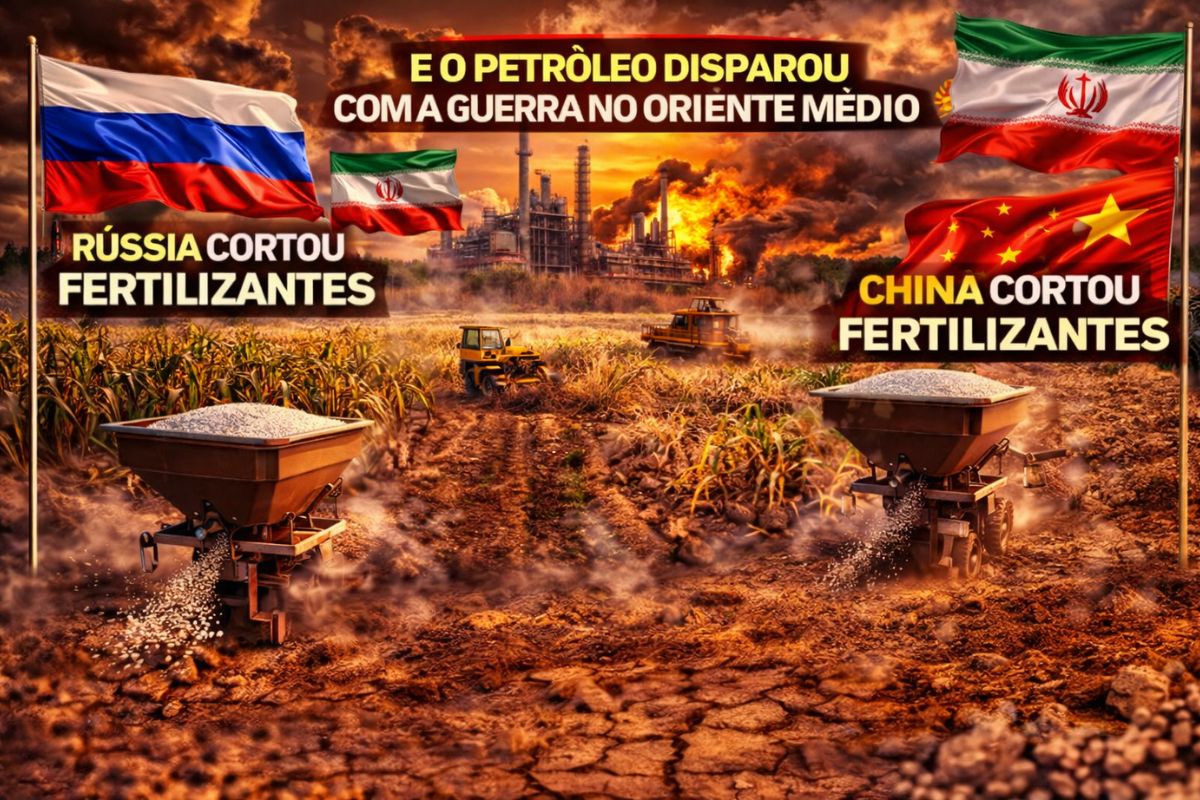
Russia cut fertilizers, China cut fertilizers, and oil prices soared with the war in the Middle East: sugarcane producers in the interior of São Paulo are seeing costs explode from all sides and warn that the effects will take months to be absorbed.
-
It does not come from flowers, is produced only every two years, and more than 90% goes straight to Europe: meet the bracatinga honeydew honey from Santa Catarina, considered one of the rarest in the world and overlooked by Brazil itself.


Despite claiming that the moss was removed during land cleaning, the justification did not eliminate the penalty. If the load had been sold, the buyer could also be held responsible for acquiring an illegal product.
What the Fine Cost and What the Legal Consequences Are
The initial fine imposed was R$ 6,000, in addition to the seizure of the entire load. The farmer is fined and will face legal proceedings, potentially encountering harsher penalties if convicted.
Besides the financial charge, the farmer’s name will be linked to a criminal case for environmental crime. This could lead to future restrictions, liens in the registry, and even the inability to access rural credit.
Why Removing Moss Is an Environmental Crime
According to the Water and Land Institute (IAT), any removal of vegetation in Environmental Protection Areas requires authorization. Even if it is on his own crop, the farmer is fined when he does not follow conservation regulations.
Sphagnum moss, the target of the seizure, is used in ornamental potting and orchid cultivation. Although it may seem harmless, its illegal exploitation threatens ecological balance, harming local biodiversity and water resources.
Where the Seized Moss Went
After the seizure, the 115 bags of moss were donated to the Municipal Environmental Secretary of Guarapuava. The farmer is fined and also loses the load, which will have a proper destination determined by the public agency.
The action aims to ensure that the material does not go to the illegal market for ornamental plants, where illegal extraction often fuels predatory practices against the environment.
Is It Worth the Risk?
From an economic standpoint, the practice does not pay off. The farmer is fined, prosecuted, and also loses the harvested material, accumulating financial and legal losses. Moreover, the episode reinforces the vigilance of environmental authorities over activities in preservation areas.
Experts remind that there are legal alternatives for management and commercialization, provided they are authorized by competent agencies. Following legal procedures is the only way to avoid fines, lawsuits, and damage to the rural producer’s reputation.
The case of a farmer being fined for removing moss from his crop shows that, in Environmental Protection Areas, the law is strict and makes no exceptions. In addition to the fine, there is a legal process and the loss of the seized material.
And what do you think, was the penalty fair or do you consider it exaggerated given the situation? Leave your opinion in the comments — we want to hear from those who experience this in practice.










Isso é um absurdo sem precedentes, enquanto o governo comete diversas ilicitudes com dinheiro público, solta traficante, o trabalhador só se **** nesse país alem de apreender a carga multa o pai de família, isso é vergonhoso!!!
Pra onde vai parar esses musgos mesmo??????
Se multou, não poderiam recolher a carga, deveriam aplicar uma advertência e não multar… Tem coisas explicaveis que não tem explicação