





 Portuguese
  English
  Spanish
  4 min of reading
  0 comments


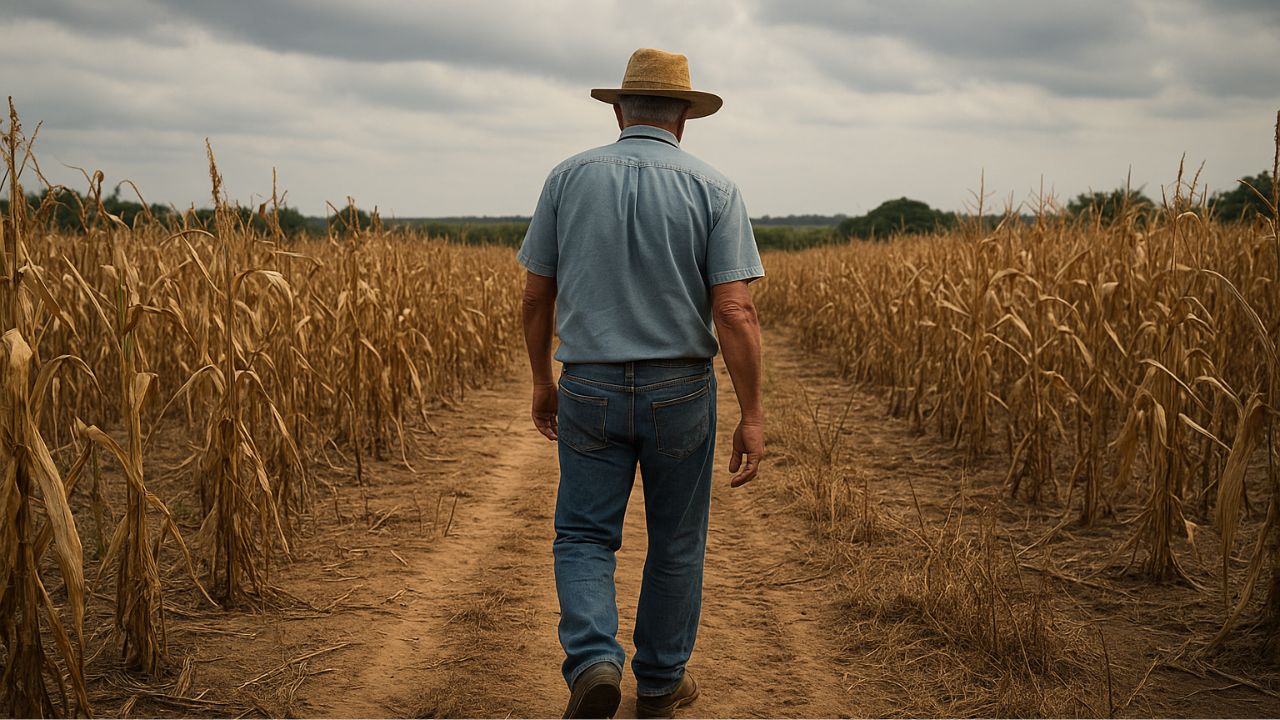
Rural Insurance Crisis Leaves Farmers Unprotected; Lack of Resources in PRS and Climate Risks Pressure Agriculture.
What is happening with rural insurance in Brazil? Who is most affected by this impact? When did the problem intensify and why does it directly threaten farmers?
The answer emerges right at the beginning of this crisis: amid the advance of climate change, the stricter demands of financial institutions, and the limited budget for the Rural Insurance Subsidy Program (PSR), rural producers — especially small-scale ones — are increasingly exposed.
The scenario is critical and jeopardizes income in the field precisely at a time when Brazilian agriculture is growing the most.
-
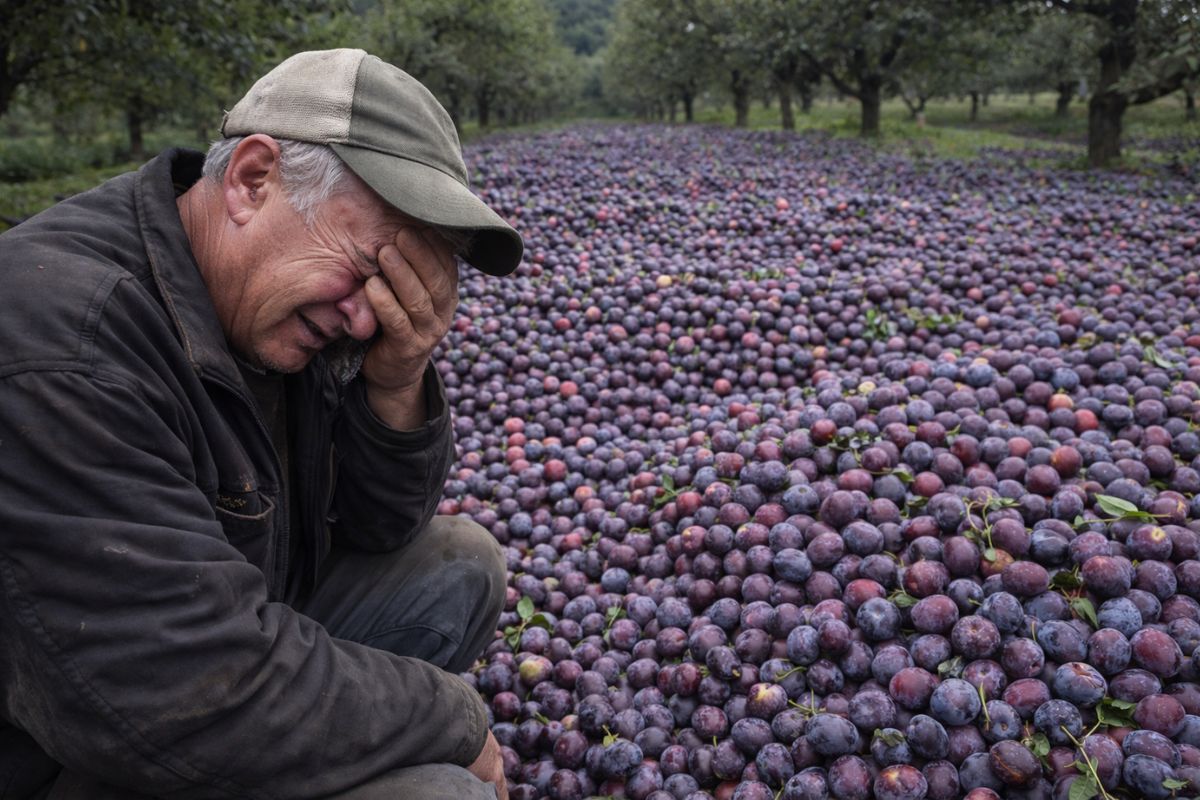
A rural producer from Urubici cries as he shows 50 tons of plums thrown on the ground because no one wanted to buy them, and in desperation, he records a video asking anyone to come to the property to pick the fruits before they rot.
-
Unable to pass through Hormuz, Brazil activated a plan B that uses Turkey as a gateway to the Middle East: the route through Gibraltar and the Mediterranean is longer and more expensive but ensures that chicken, beef, and corn continue to reach Arab markets.

-
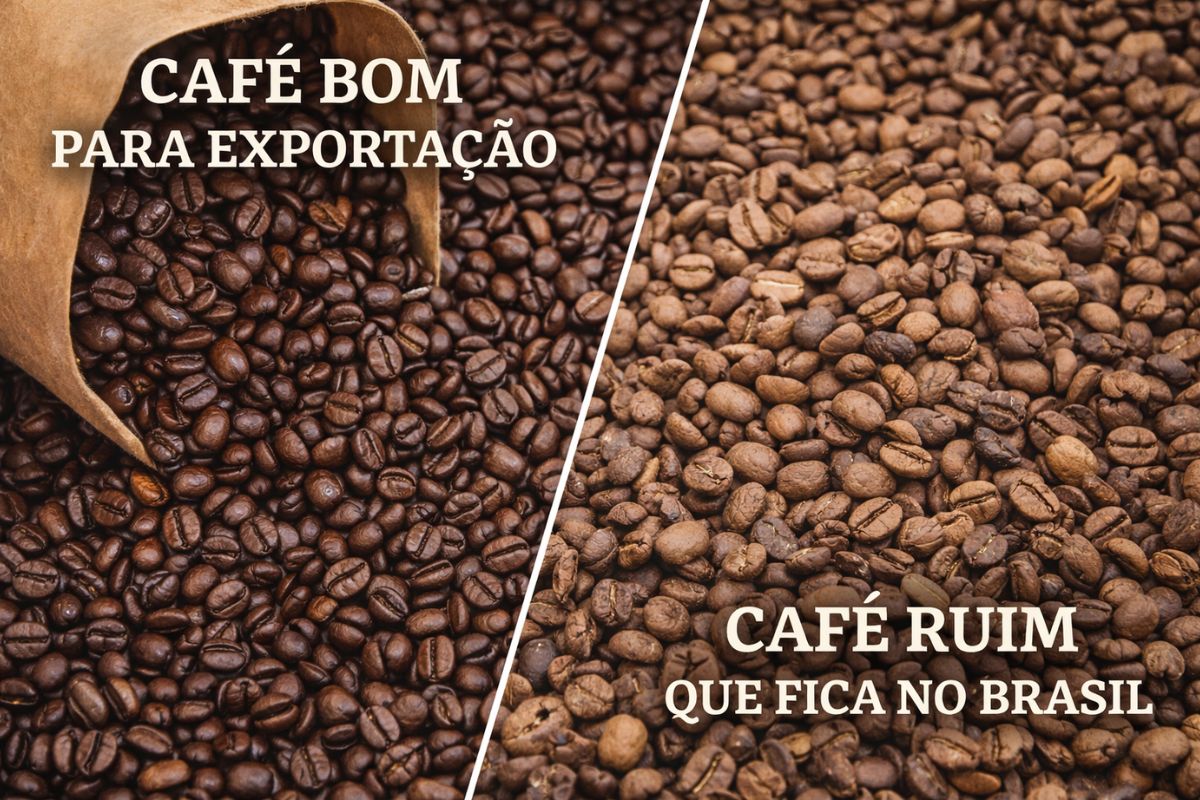
You grew up hearing that the good coffee from Brazil goes all abroad and the bad coffee stays for Brazilians, but this story has completely changed, and the numbers show that in the 1980s, thirty percent of the coffee sold here was adulterated with corn and barley.
-
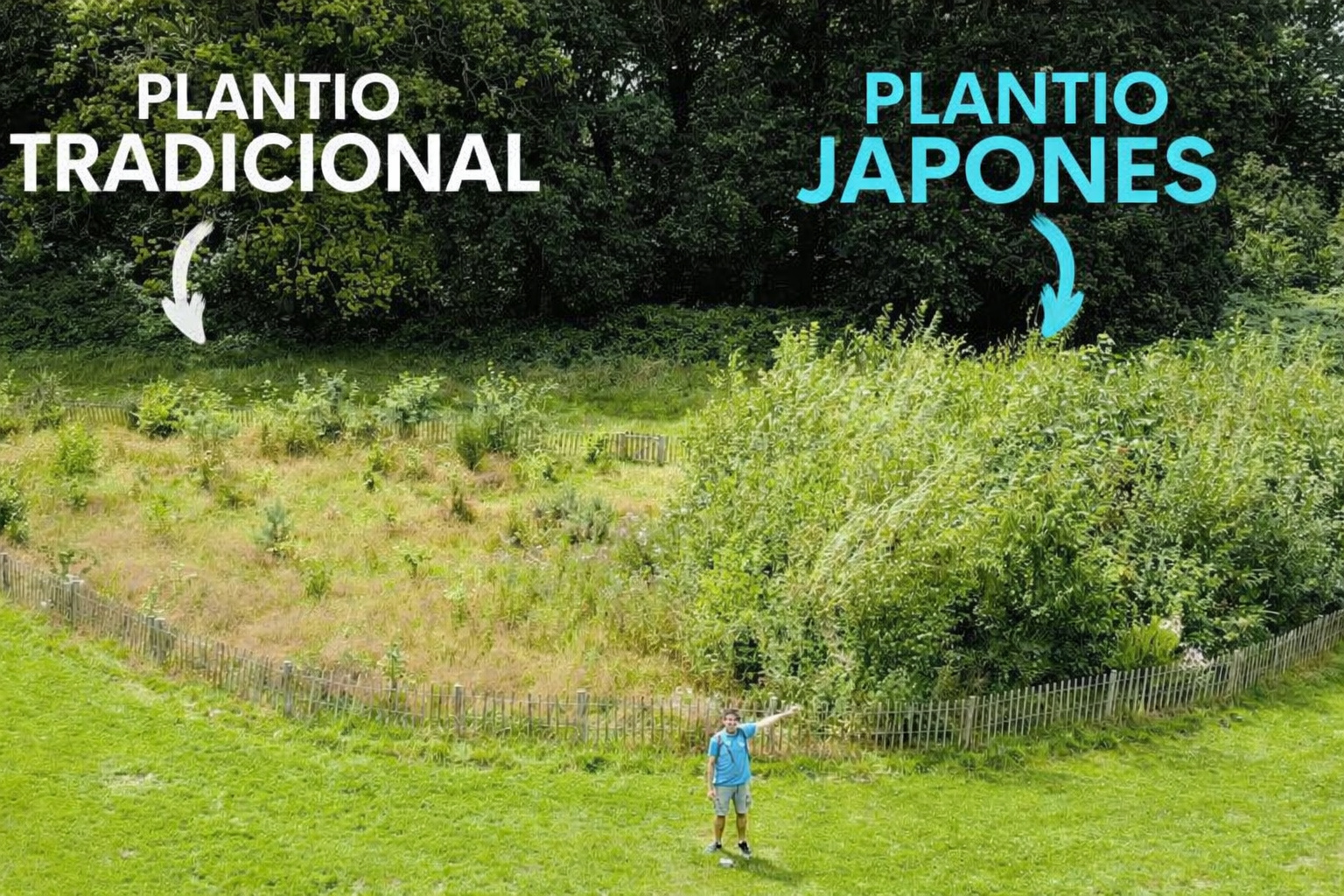
Engineer creates reforestation method that transforms small plots into dense forests in a few years using local biomass and can reduce environmental recovery costs.

Farmers today live a paradox. They need rural insurance to maintain their production in the face of extreme events, but they have less and less ability to pay for it. Thus, state subsidies become essential to ensure the continuity of work in agriculture.
“Rural insurance needs to adapt to the reality of the producer, with coverage that ensures income in the field. In years of tight margins, farmers need insurance more, but they have less ability to pay for it. For this reason, subsidies are essential,” say industry experts.
Climate Change Increases Risks for Brazilian Agriculture
Climate change is already severely impacting agriculture. Extreme events, such as prolonged droughts and heavy rains, have become more frequent and cause significant losses.
On the other hand, banks and cooperatives have begun to demand increasingly greater guarantees from farmers to release credit, which further reinforces the need for rural insurance.
However, the PSR — a mechanism that helps producers pay the insurance premium — does not keep pace with the demand from agriculture.
With limited public resources and a constant risk of cuts, the sector faces uncertainties that directly affect production.
Production Grew, but Insured Area Decreased
Despite the advancement of agriculture, rural insurance has not kept up. In 2015, Brazil had 78.1 million hectares cultivated and 2.6 million insured.
By 2025, even with the expansion to 97 million productive hectares, only 2.2 million are insured — equivalent to 2.3% of the total area, according to a CNseg study with data from Mapa, IBGE, and the insurance market.
This mismatch reveals a structural fragility between productivity and protection, harming farmers at a time of strong modernization in agriculture.
PRS Needs More Resources to Support Farmers
The Rural Insurance Subsidy Program is the heart of the agricultural protection system in Brazil.
However, since 2020, the PSR has operated with around R$ 1 billion annually — a value far below what is necessary.
The Confederation of Agriculture and Livestock of Brazil (CNA) estimates that at least R$ 4 billion would be needed to meet national demand.
The lack of budgetary predictability directly affects small producers. Without support, many are unable to purchase rural insurance and end up leaving the field after significant losses.
International Comparison Highlights Brazilian Delay
While Brazil still struggles to expand its rural insurance, the United States already covers about 90% of corn, soybean, and wheat areas. In 2024, the country insured over 200 million hectares, thanks to a stable subsidy model where the government assumes, on average, 60% of the premium value — a percentage higher than Brazil’s, which does not reach 50%.
The contrast reveals the urgency for reforms so that Brazilian farmers have the same security as producers in other countries.
Rural Insurance Market Shrinks and Triggers Alerts in Agriculture
CNseg data shows that, by August of this year, rural insurance recorded a 6.7% decrease in revenue, totaling R$ 8.7 billion, and a 7.4% decline in indemnities, amounting to R$ 3.1 billion.
The contraction reinforces that the current model is insufficient to face the new challenges of agriculture.
Thus, entities call for PSR resources to be safeguarded in the budget and for Congress to advance in creating a private rural insurance fund, a proposal previously championed by the late former minister Alysson Paolinelli.
New Rural Insurance Model is a Government Priority
The Minister of Agriculture, Carlos Fávaro, has already recognized that Brazil needs a new rural insurance model and has been examining international references to modernize the system.
Without this reform, farmers will continue to enter a vicious cycle: without adequate insurance, losses; and, as a consequence, the government creates emergency renegotiation programs, which ultimately cost the country more.
After all, as experts have already warned: “Rural insurance needs to adapt to the reality of the producer… Otherwise, the government needs to create emergency debt renegotiation programs, which in the end turn out to be more expensive.”










Seja o primeiro a reagir!