





 Portuguese
  English
  Spanish
  7 min of reading
  0 comments


Biochar Produced in Drum Improves Soil Fertility, Increases Water Retention, and Restores Degraded Lands in Family Farming
The soil was dead. Yellowed, compacted, and unable to absorb or retain water after a heavy rain. With each harvest, crop productivity decreased. Adriano Ferreira dos Santos, a 41-year-old family farmer, watched the corn grow less and less on the small plot he inherited from his father in Castanhal, Pará. The land seemed exhausted. The natural fertility of the Amazonian soil, which is already naturally low in many areas due to intense leaching caused by tropical rains, had degraded even further after years of continuous cultivation. The use of chemical fertilizers could help, but the cost of these inputs was too high for the income generated by the small property.
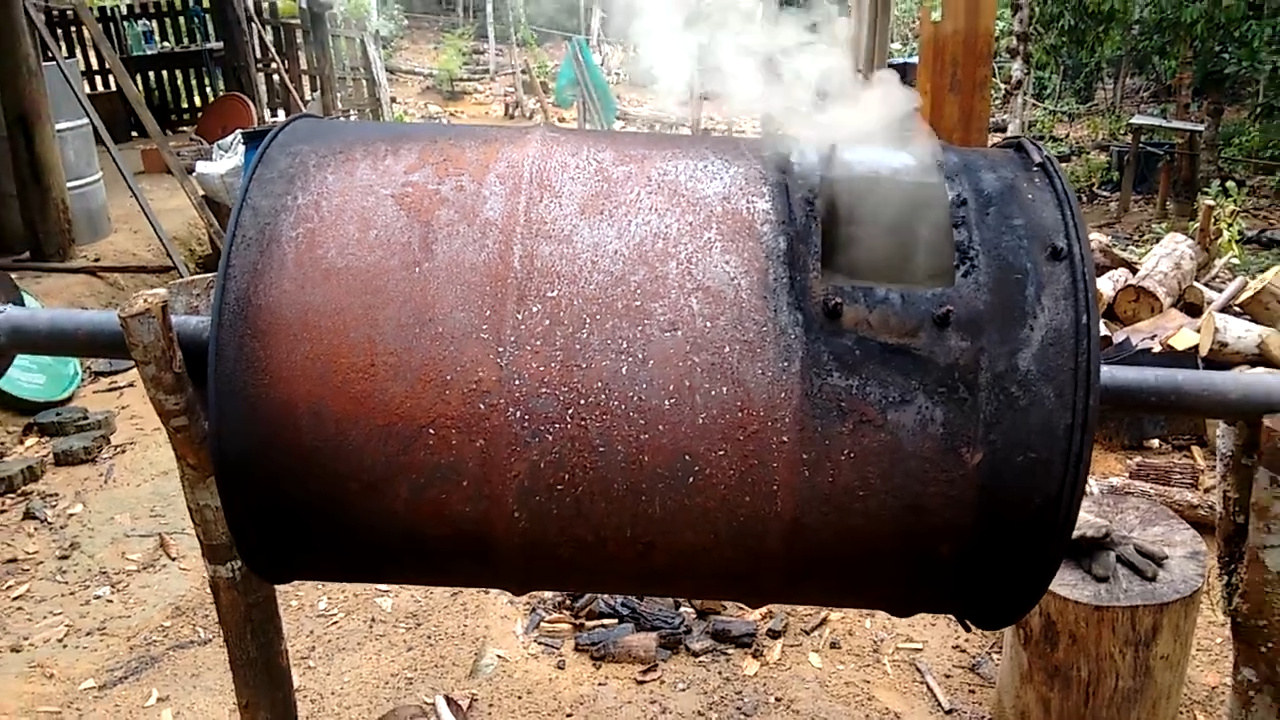
Then the solution came from an unexpected place: a rusty metal drum that was leaning against the barn on the property.
The principle is simple: biomass — such as pruning branches, corn cobs, açaí seeds, rice straw, or any other dry plant material — is placed inside a closed drum. A fire is started in a controlled manner, usually around or in an external chamber, and the material is heated with little or no presence of oxygen.
-
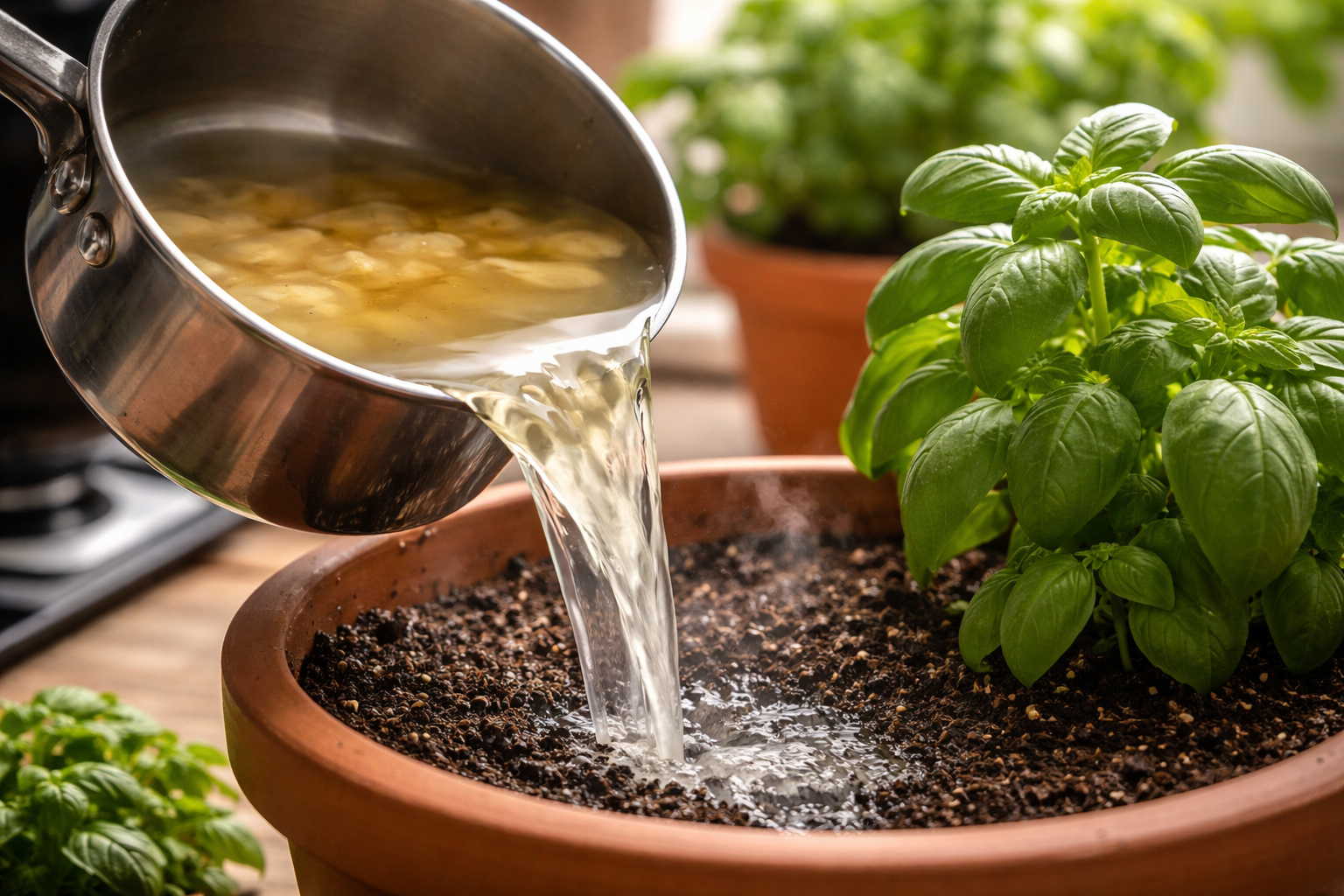
The water that almost everyone throws away after cooking potatoes carries nutrients released during the preparation and can be reused to help in the development of plants when used correctly at the base of gardens and pots, at no additional cost and without changing the routine.
-
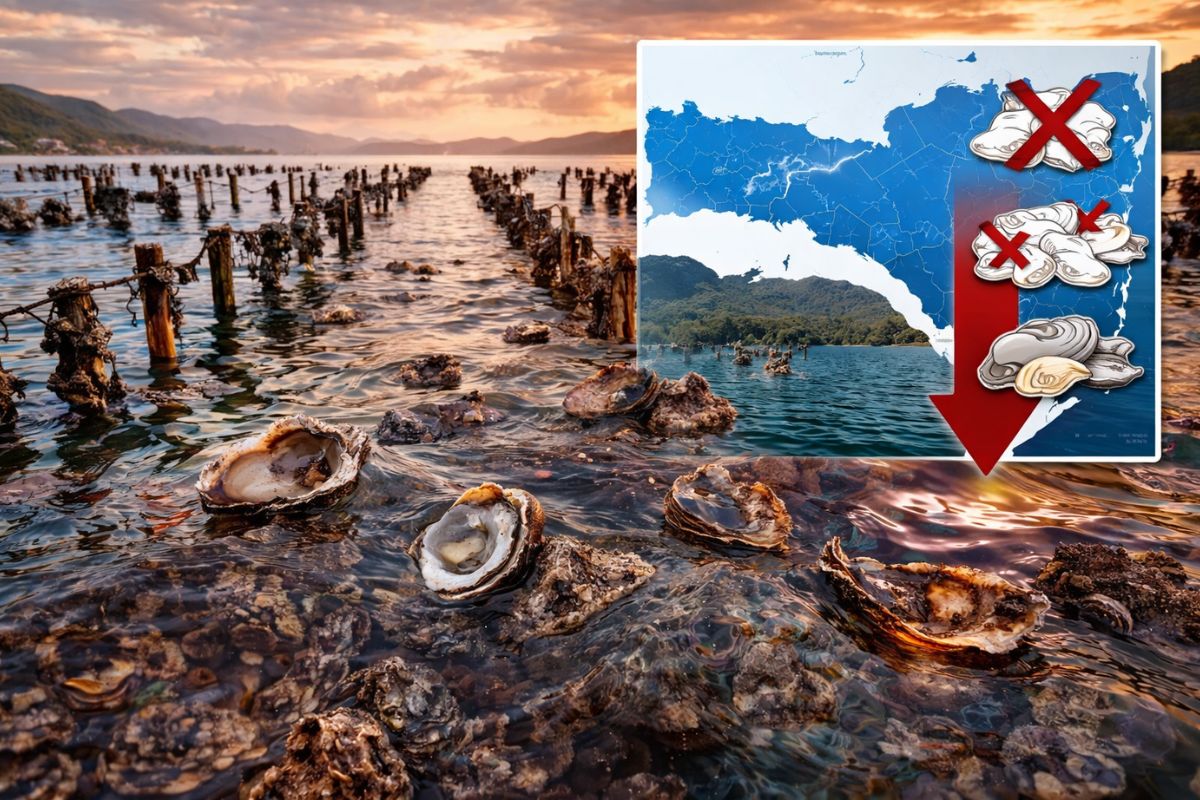
The sea water temperature rose from 28 to 34 degrees in Santa Catarina and killed up to 90% of the oysters: producers who planted over 1 million seeds lost practically everything and say that if it happens again, production is doomed to end.
-
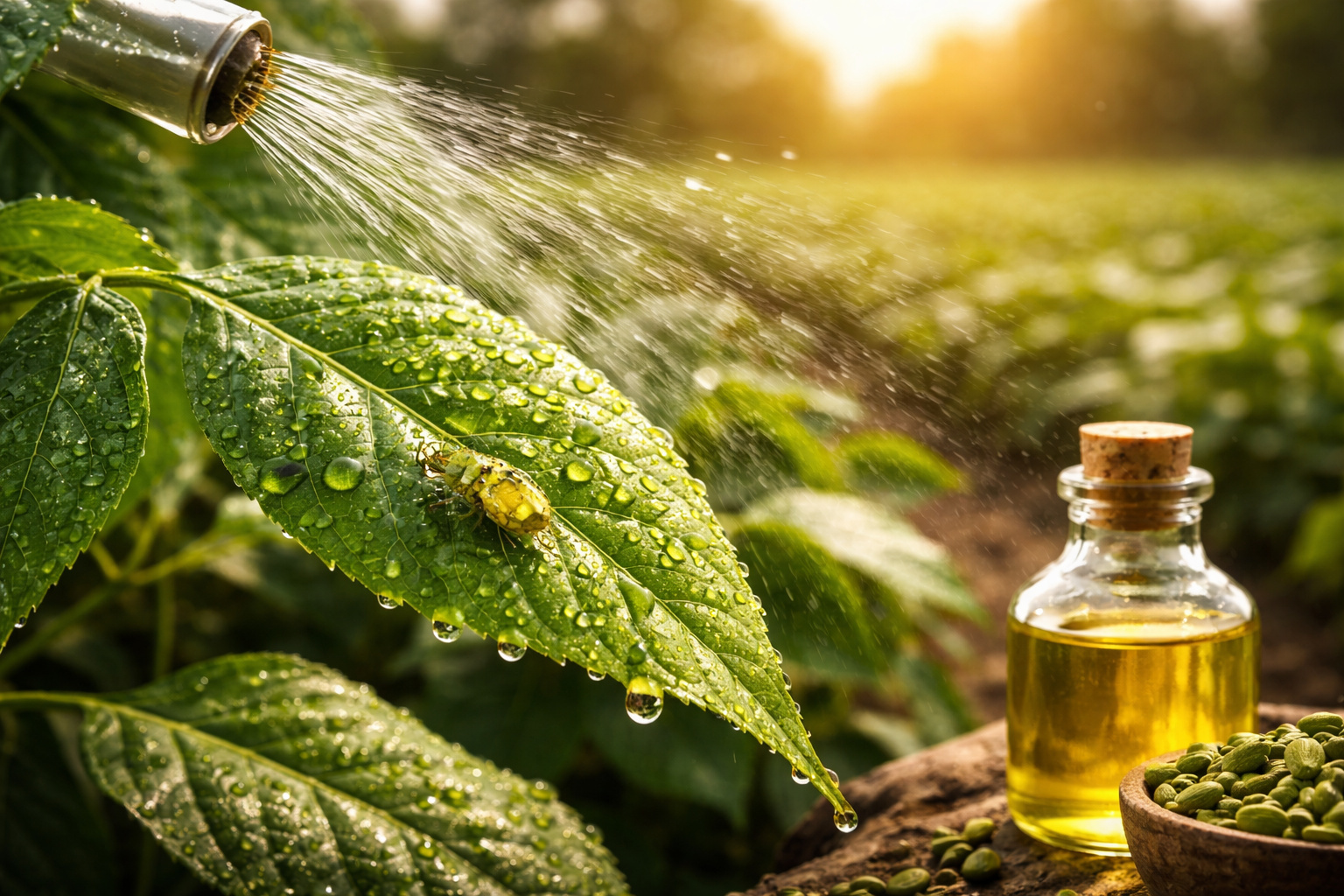
An Indian tree that grows in the Brazilian Northeast produces an oil capable of acting against more than 200 species of pests and interrupting the insect cycle, gaining ground as a natural alternative in soybean, cotton, and vegetable crops.
-
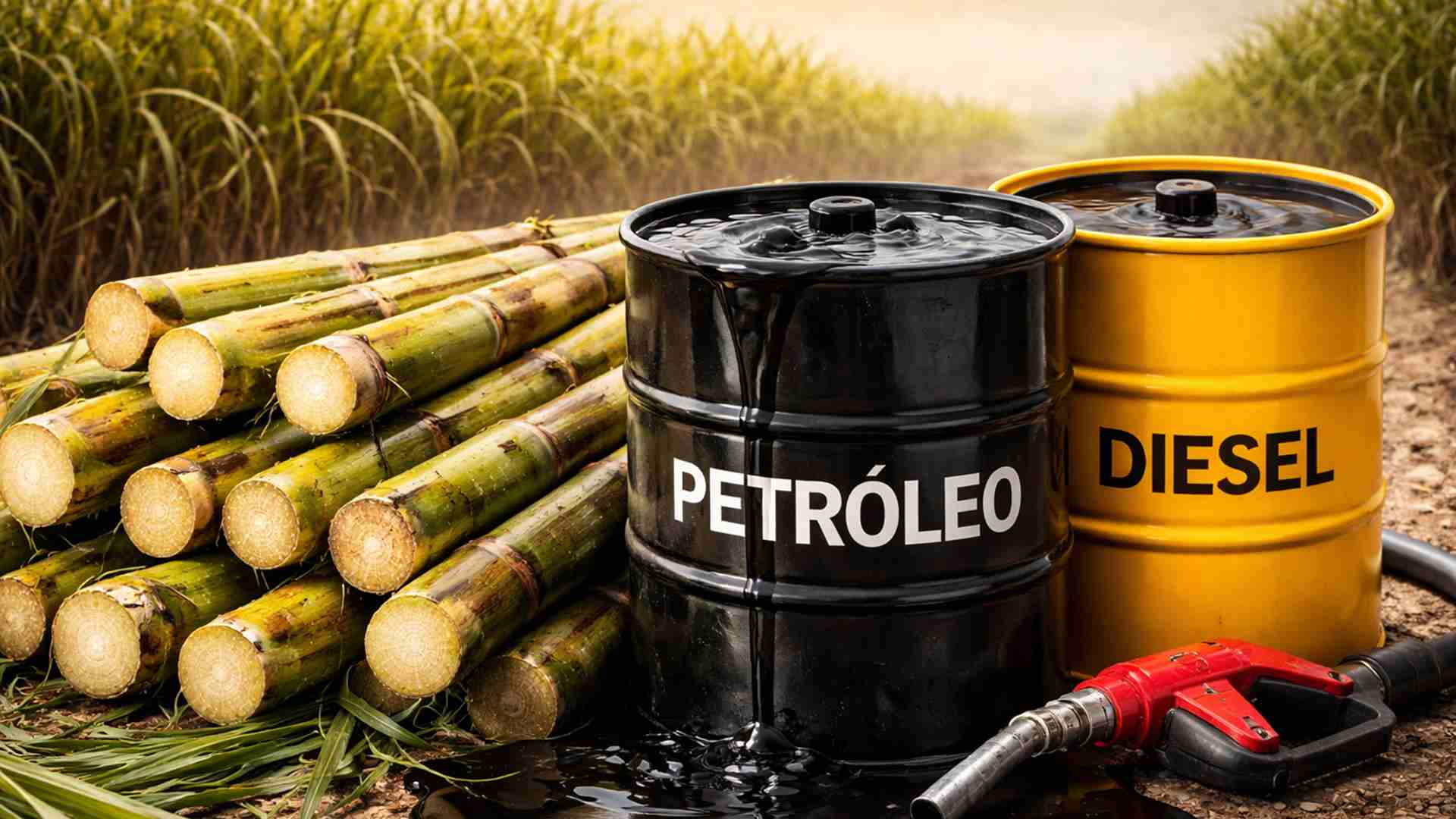
The rise in oil prices in the Middle East is already affecting Brazilian sugar: mills in the Central-South are seeing their margins shrink just as ethanol gains strength.

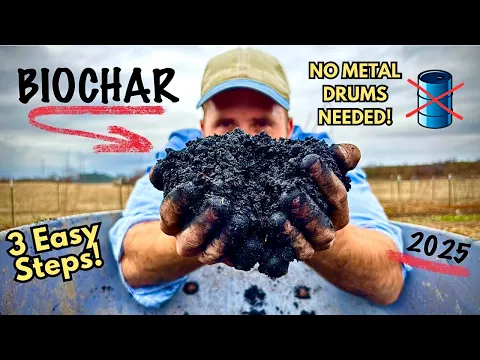
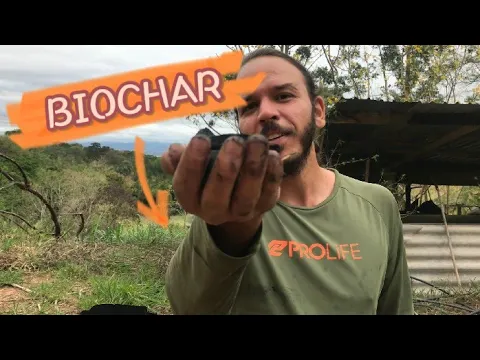
In this pyrolysis environment, the biomass does not turn into ash. It transforms into highly porous and stable charcoal. This material, known as biochar, can be incorporated into the soil to improve its physical, chemical, and biological properties.
Indian Black Earth: Amazonian Peoples Have Used Biochar to Enrich the Soil for Millennia
Although biochar has returned to scientific debate only in recent decades, the idea of using charcoal to improve soil fertility is not new.
Researchers studying the Indian Black Earth, a type of extremely fertile soil found in various regions of the Amazon, have discovered very high concentrations of carbon in these archaeological deposits.
While common Amazonian soils contain between 20 and 30 grams of carbon per kilogram of soil, areas of Black Earth can reach 150 grams per kilogram.
Studies published in scientific journals such as Nature and Science have documented this phenomenon and indicate that these soils were formed by agricultural practices carried out by pre-Columbian Indigenous peoples. These populations incorporated a mixture of ashes, organic remains, food waste, fragmented pottery, and charcoal from domestic fires into the soil.
Archaeologist Morgan Schmidt from the Federal University of Santa Catarina published a study in Science Advances showing that Indigenous communities in the Xingu still practice similar techniques. In these villages, ashes from the fires are swept into cultivation areas, and organic waste is mixed with charcoal to enrich the soil.
Archaeological dating indicates that some of these soils in the Alto Tapajós are up to 11,800 years old.
Pyrolysis Preserves Carbon and Transforms Agricultural Residues into Nutrient-Rich Biochar
When biomass is burned outdoors, most of the carbon present in the plant material is released into the atmosphere as carbon dioxide. According to a survey published by the magazine Ciência Hoje, conventional combustion retains in the ashes only 2% to 3% of the original carbon from the wood.
In contrast, the pyrolysis process used to produce biochar is completely different. In the absence of oxygen, the plant material does not undergo complete combustion. Instead, controlled carbonization occurs. In this process, more than 50% of the carbon from the biomass can remain stored in the biochar.
This charcoal has an extremely porous microscopic structure, with thousands of internal cavities. Each gram of biochar can present hundreds of square meters of internal surface area. These pores act as microscopic reservoirs capable of retaining water, nutrients, and beneficial microorganisms for the soil.
This feature is what makes biochar a promising tool for restoring degraded soils and regenerative agriculture.
Production of Biochar in Metal Drum Allows Accessible Technology for Family Farming
Researchers from Unesp, in partnership with IFPA in Castanhal, developed a simple furnace model for producing biochar using materials accessible to family farmers. The system uses a 200-liter metal drum as an external chamber. Inside it, a smaller drum, usually 100 liters, is completely filled with biomass.

The space between the two drums is filled with combustible material — dry branches, pruning waste, or any available plant residue on the property.
The process works as follows: The drum is supported on three bricks to allow air to enter from the base. The biomass is placed in the inner drum without excessive compaction, ensuring gas circulation during pyrolysis.
Then, the external combustible material is ignited. Initially, the lid remains open to allow the fire to ignite. After combustion stabilizes, the drum is gradually closed to reduce oxygen and initiate pyrolysis.
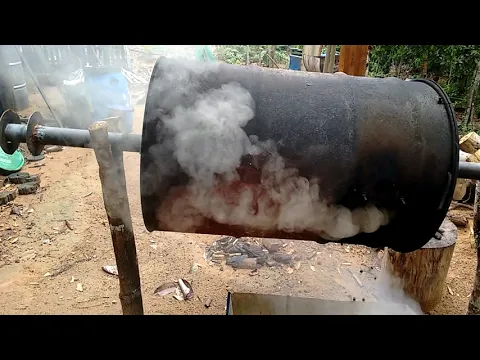

Studies presented at the National Mechanical Engineering Congress, with participation from UFMG, show that this type of furnace can produce biochar with a yield greater than 25% of the original dry mass of the biomass.
Agricultural Residues Such as Açaí Seeds and Corn Cobs Function as Raw Materials for Biochar
One of the advantages of biochar is that practically any dry biomass can be used in its production. Research conducted in Brazil has already tested materials such as:
- açaí seeds
- rice husk
- coffee straw
- corn cobs
- sugarcane bagasse
- sawdust
- pruning waste
The Embrapa Agrossilvipastoril in Mato Grosso has been conducting biochar experiments since 2012 using agricultural residues available on the farms.
A particularly interesting result came from studies conducted by the Institute of Land and Labor, which identified biochar produced from cocoa husk with about 70% potassium in the dry mass. Potassium is one of the three essential macronutrients for plants, along with nitrogen and phosphorus.
This type of discovery demonstrates that biochar can act not only as a soil conditioner but also as an indirect source of nutrients.
Biochar Improves Water Retention in the Soil and Increases Microbial Activity
Experiments conducted by Embrapa Meio Ambiente identified three main effects of biochar when applied to the soil:
- increased microbial biomass
- better plant growth
- reduced diseases caused by fungi
The pores of biochar create protected microenvironments where beneficial bacteria and fungi can thrive. These microorganisms participate in nutrient cycling and help plants absorb minerals. Another important effect is the increased water retention in the soil.
In tropical soils, which often have low water retention capacity, biochar can function as a natural sponge.
Experiments conducted by Embrapa with teak plantings in Mato Grosso used doses of 8 tons of biochar per hectare, observing superior plant growth compared to areas without biochar. In studies conducted in Pará with biochar produced from açaí seeds, doses of 16 tons per hectare promoted a significant increase in the height of black pepper seedlings.
Biochar Also Acts as a Carbon Sequestration Tool in the Soil
In addition to agronomic benefits, biochar has an important environmental characteristic: it functions as a mechanism for long-term carbon sequestration.
Tropical soils generally have low nutrient retention capacity due to the low negative charge of mineral particles. Biochar has a negative electric charge, which allows it to attract and retain nutrients such as potassium, calcium, and ammonium.
According to Professor Carlos Eduardo Pellegrino Cerri from Esalq/USP, the biochar produced by pyrolysis can store carbon in the soil for hundreds or even thousands of years.
This means that the production of biochar can contribute to reducing greenhouse gas emissions by transforming agricultural residues into stable carbon reservoirs.
Biochar Production Already Generates Carbon Credits in the International Market
The French company NetZero, which installed a biochar factory in Lajinha, Minas Gerais, uses coffee straw residues collected from properties of over 400 coffee growers. The company sells carbon credits generated by biochar to organizations such as the Rothschild bank and the Boston Consulting Group.
Each credit represents the removal of one ton of CO₂ from the atmosphere. According to founder Olivier Reinaud, half of the company’s revenue currently comes from this carbon credit market.
Farmer Observes Soil Recovery After Biochar Application
Adriano does not have sophisticated equipment for soil analysis. What he has is something that many farmers value more: decades of experience observing the same land.
After two applications of biochar mixed with cattle manure — a process known as biochar activation — the behavior of the soil began to change.
Rainwater stopped flowing across the compacted surface and began to infiltrate the soil. During dry periods, the corn remained green longer.
These results observed in the field correspond to what scientific studies have been demonstrating in controlled experiments: biochar improves water retention, increases nutrient availability, and creates more favorable conditions for plant development.
And the carbon that Adriano placed in the soil using a simple metal drum could remain there for hundreds of years — much longer than any chemical fertilizer applied to the crop.










-

Uma pessoa reagiu a isso.