





 Portuguese
  English
  Spanish
  5 min of reading
  0 comments


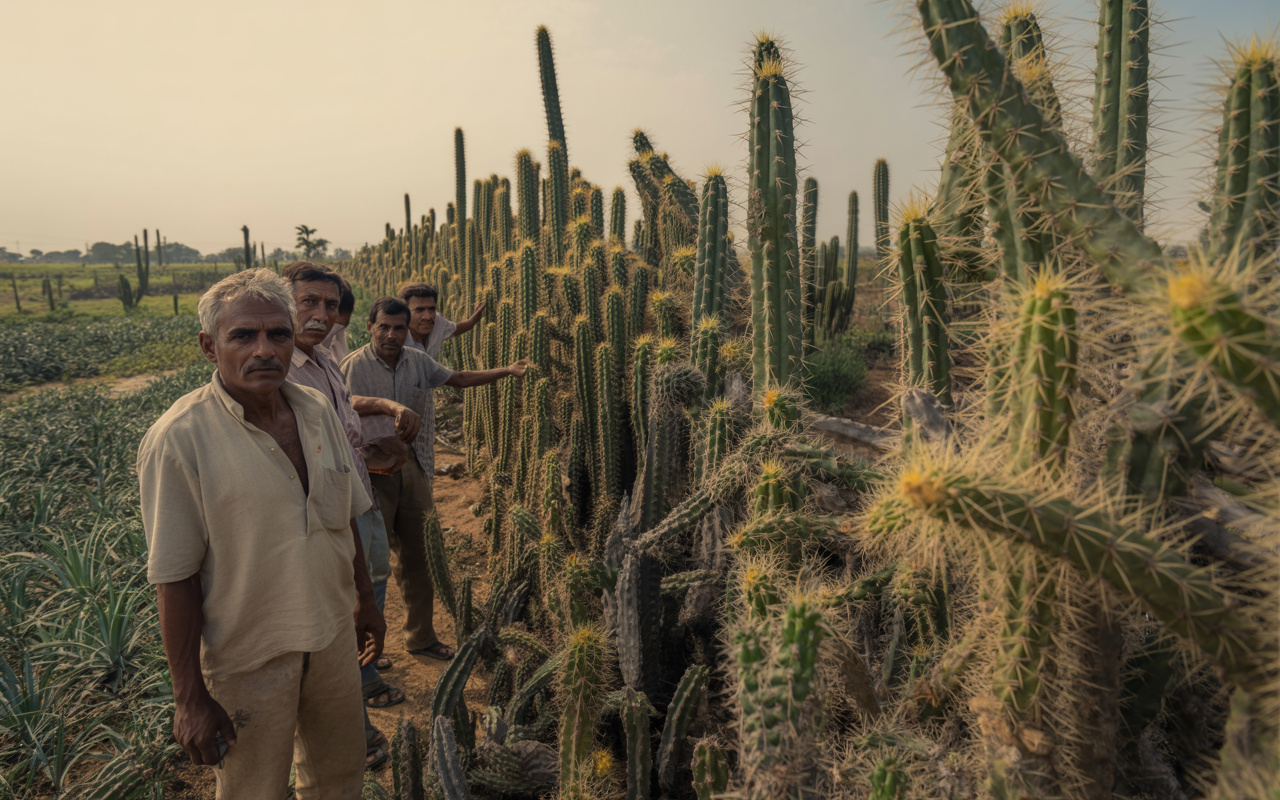
Farmers in India, Brazil, and Venezuela Replace Barbed Wire with Living Cactus Fences, Reducing Costs for Decades, Preventing Animal Injuries, and Adopting a Durable and Sustainable Rural Solution.
For decades, barbed wire has been treated as synonymous with rural protection. Found on farms across all continents, it delineates properties, separates herds, and attempts to prevent invasions. But in rural India, especially in semi-arid regions and areas with extreme climates, farmers have begun to abandon kilometers of costly, rust-prone steel to bet on something seemingly improbable: live thorny plants, especially cacti, used as permanent natural fences. What started as a local solution to cut costs has transformed into an agricultural strategy recognized by universities, research institutes, and government programs. Today, living cactus fences are seen as durable, inexpensive, and environmentally adapted alternatives in regions where barbed wire has become an economic, health, and even environmental issue.
The logic behind the shift is simple yet powerful: why continuously invest in a material that rusts, injures animals, and requires constant maintenance when local plants can grow, regenerate, and form virtually impenetrable barriers for decades?
Why Barbed Wire Became a Problem in Rural Indian Areas
In many regions of India, especially in the states of Rajasthan, Gujarat, Maharashtra, and parts of the south of the country, the use of barbed wire faces clear limitations.
-
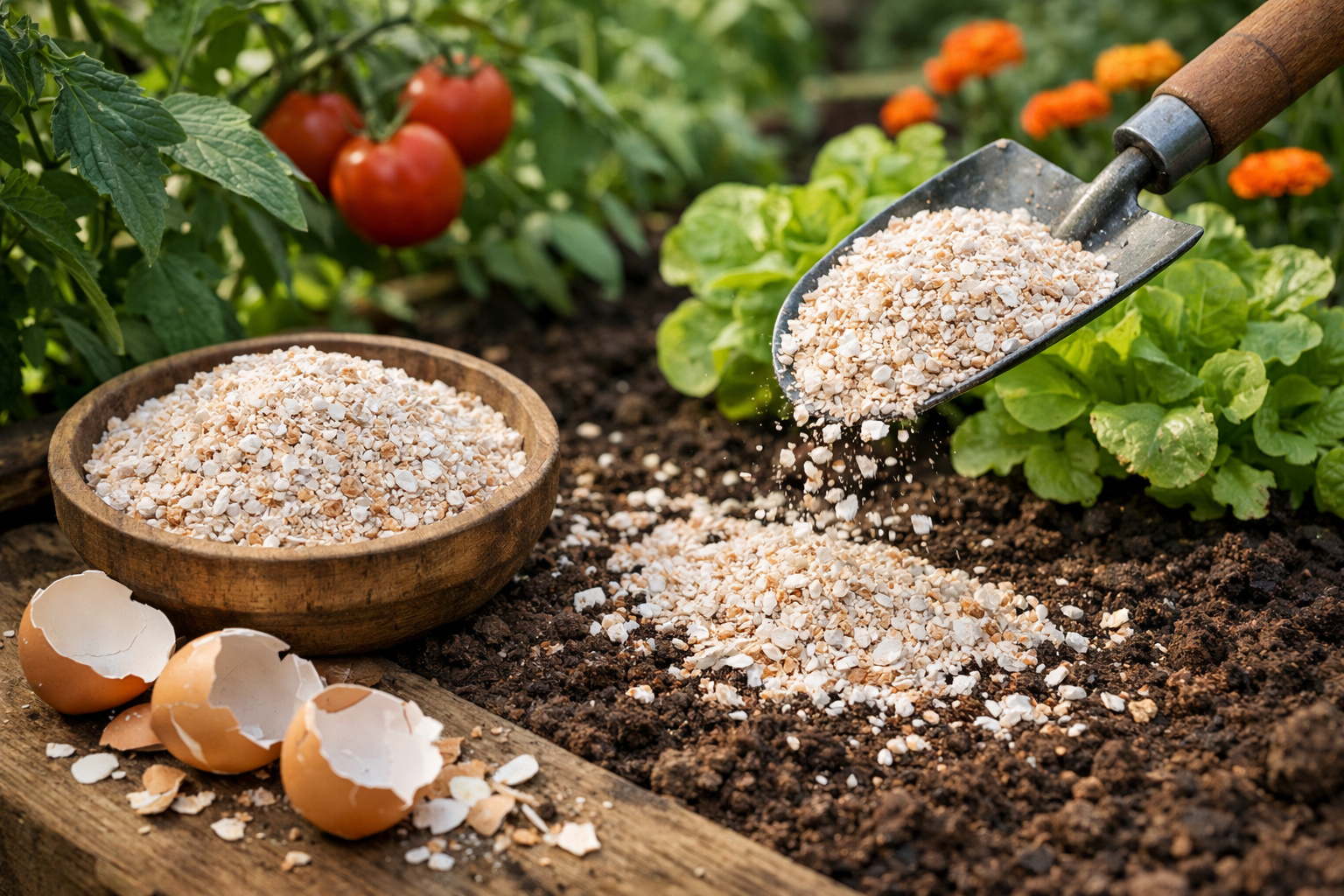
The eggshell that almost everyone throws away is made up of about 95% calcium carbonate and can help enrich the soil when crushed, slowly releasing nutrients and being reused in home gardens and vegetable patches.
-
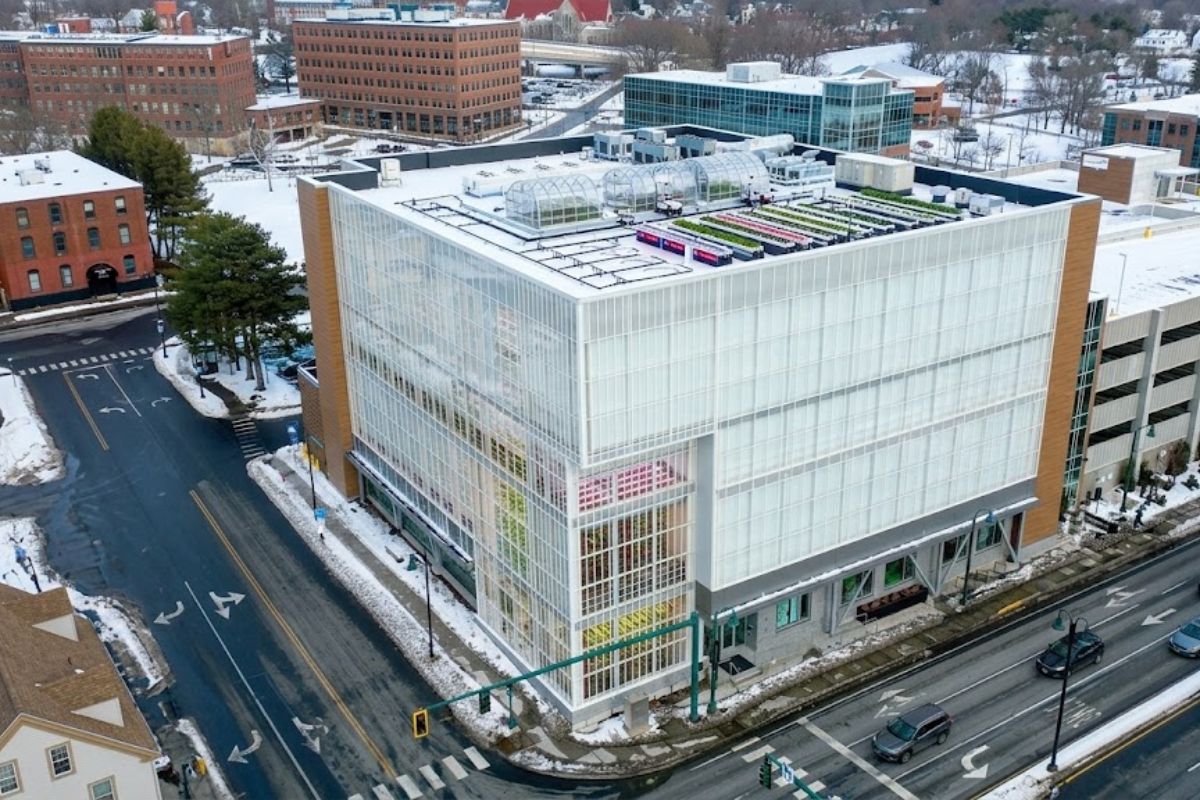
This farm in the United States does not use sunlight, does not use soil, and produces 500 times more food per square meter than traditional agriculture: the secret lies in 42,000 LEDs, hydroponics, and a system that recycles even the heat from the lamps.
-
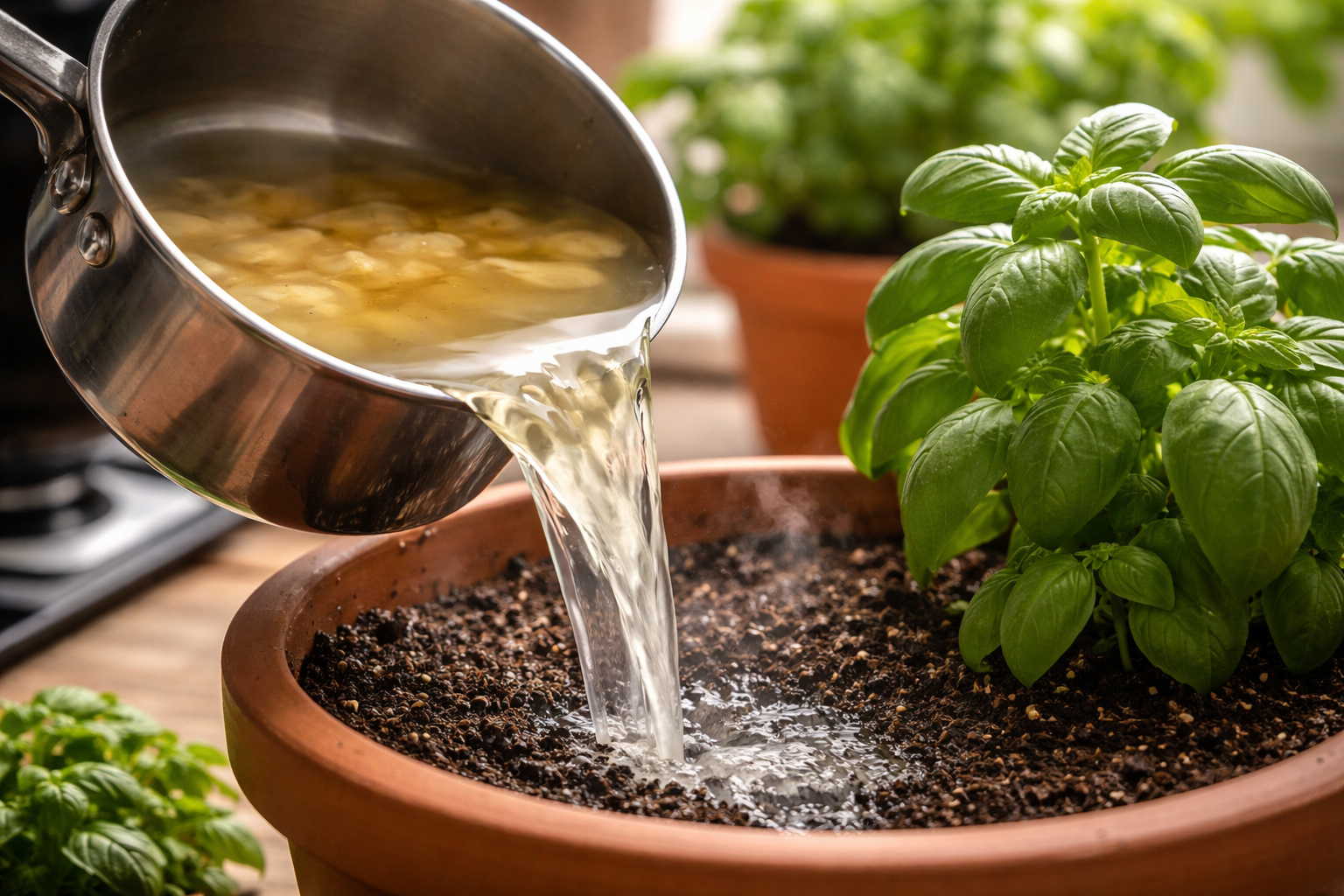
The water that almost everyone throws away after cooking potatoes carries nutrients released during the preparation and can be reused to help in the development of plants when used correctly at the base of gardens and pots, at no additional cost and without changing the routine.
-
The sea water temperature rose from 28 to 34 degrees in Santa Catarina and killed up to 90% of the oysters: producers who planted over 1 million seeds lost practically everything and say that if it happens again, production is doomed to end.


The extreme climate accelerates corrosion, the cost of steel has risen in recent years, and transporting large volumes of wire to remote areas further increases installation costs.

Moreover, the impact on animals has always been a critical point. Cattle, buffalo, goats, and even wildlife often injure themselves while attempting to cross metal fences.
Deep cuts, infections, and productivity losses are common, especially among small farmers who do not have easy access to veterinarians.
There is also the human factor. Barbed wire requires periodic replacements, constant tightening, and sturdy posts.
In poor regions, this recurring cost weighs heavily on the annual farm budget. It was in this scenario that farmers began to look at something that has always been there but was never taken seriously as infrastructure: native thorny plants.
How Cacti Moved from Marginal Plants to Agricultural Infrastructure
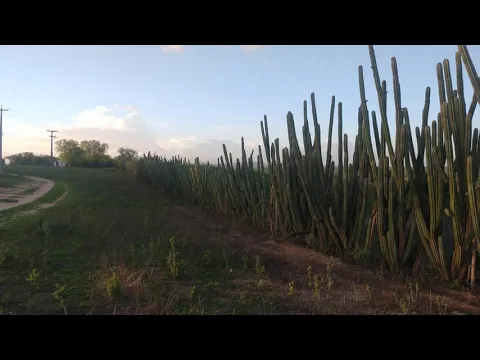
India has several species of cacti and thorny plants adapted to poor soils, low water availability, and high temperatures. Among the most used as living fences are varieties of Opuntia (known as prickly pear), along with other local drought-resistant species.


These plants have ideal characteristics for serving as natural barriers. They grow quickly, form dense structures, have long, sharp thorns, and once established, they require very little maintenance. In two to three years, a well-maintained living fence becomes practically impassable for people and animals.
The planting is usually done from cladodes, the segments of the cactus itself, placed side by side along the property perimeter. With minimal initial irrigation and basic care, the plant takes root and begins to spread laterally, closing any free space.
Unlike wire, which degrades over time, the living fence improves with age. The older it gets, the thicker and more resilient it becomes.
Cost Reduction Over Decades
One of the main reasons for the widespread adoption of living fences was the long-term economic impact.
Studies conducted by Indian agricultural institutes show that the initial cost of implementing a cactus fence can be up to 60% lower than that of a conventional barbed wire fence, especially when considering transportation and posts.

However, the real difference appears over time. While wire requires constant maintenance and partial or total replacement every few years, the living fence virtually eliminates this recurring cost. After the initial establishment, expenses are limited to occasional pruning and simple management.
In areas where wire needs to be replaced every five or six years due to corrosion, farmers report significant accumulated savings over 15 or 20 years. For small producers, this represents money that can be invested in seeds, irrigation, or improving production.
Fewer Injuries to Animals and Better Coexistence with Wildlife
Another important benefit is the reduction of injuries to domestic animals. Unlike barbed wire, which cuts and tears skin, cacti serve as deterrent barriers. The thorns prevent passage but rarely cause severe injuries, as animals tend to avoid direct contact after the first approach.
This also applies to wildlife. In various regions, metal fences fragment habitats and cause injuries to antelopes, deer, and other animals attempting to cross them. Living fences, being visible, continuous, and natural, reduce this type of accident.
There are reports of rural communities noting a decrease in conflicts with wildlife after replacing wire with thorny plants, especially in areas close to natural reserves.
Environmental Benefits and Adaptation to Extreme Climate
In addition to the physical barrier function, living fences offer relevant environmental gains. Cacti help reduce soil erosion, act as natural windbreaks, and contribute to moisture retention in dry regions. In some cases, they also serve as shelters for pollinators and small birds.
Another important aspect is climate adaptation. In a country increasingly affected by heatwaves, prolonged droughts, and extreme weather events, betting on solutions that do not rely on industrial materials or global supply chains has become a resilience strategy.
While the price of steel fluctuates in the international market, the cactus grows independently of these variables.
From Local Practice to Strategy Recognized by Agricultural Institutes
With growing interest, agricultural universities and government bodies have begun to document and promote the practice. Rural extension programs have started to guide farmers on the correct spacing, the most suitable species, and the initial care needed to ensure the success of the living fence.
In some regions, pilot projects have shown that properties fenced with thorny plants had lower maintenance costs, fewer conflicts with animals, and greater stability over time. This has led local governments to include the technique in manuals for sustainable agriculture and climate adaptation.
Today, the idea of replacing steel with plants is no longer seen as a makeshift solution but has come to be recognized as nature-based rural infrastructure.
A Silent Change Redefining the Countryside
The case of living cactus fences in India illustrates how simple solutions, based on local knowledge and environmental adaptation, can outperform costly and problematic industrial technologies. It is not just about replacing one material with another but rethinking how the countryside protects and organizes itself.
By abandoning kilometers of barbed wire and planting thorny living fences, farmers have not only reduced costs and risks but have also transformed common plants into permanent, resilient structures aligned with the climate and the local economic reality.
In a world seeking more sustainable solutions and less dependency on expensive inputs, this silent change in the Indian countryside may serve as a reference for rural areas in many other countries.









-

-

-

-

-

-

43 pessoas reagiram a isso.