





 Portuguese
  English
  Spanish
  6 min of reading
  3 comments


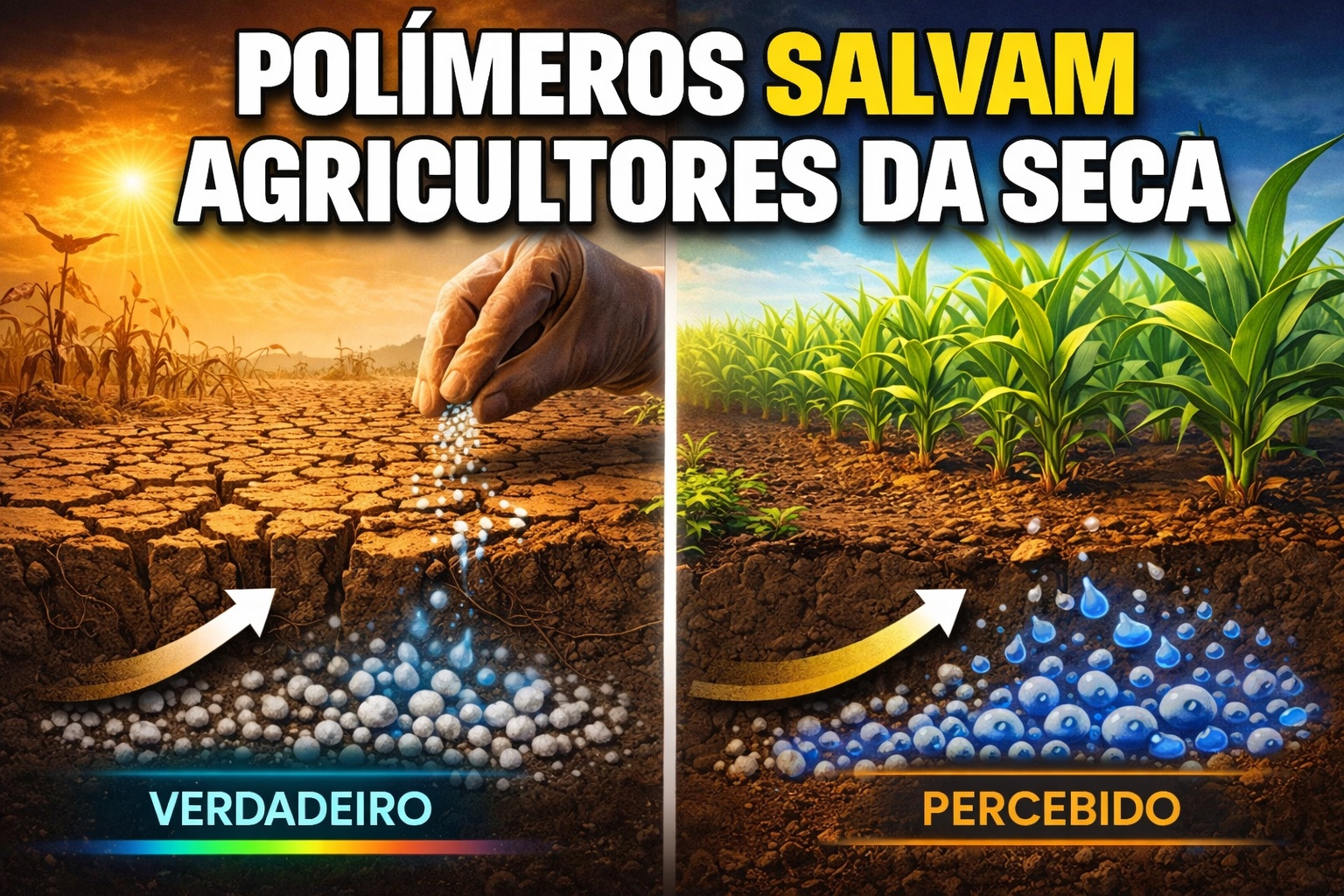


Superabsorbent Polymers Buried in the Soil Absorb Up to 400 Times Their Own Weight in Water, Reduce Evaporation and Help Crops Face Prolonged Droughts.
The use of agricultural superabsorbent polymers, technically known as hydrogels, is not a recent or localized experience. The technology began to be systematically studied from the 1970s and 1980s, initially in academic research in the United States, Japan, and Europe, and gained concrete agricultural applications from the 1990s, when universities and public research centers began testing it in actual field conditions.
In Brazil, studies and applications have been conducted since the 2000s by institutions such as Embrapa, in partnership with federal and state universities, especially in regions with a history of recurring water deficit, such as the Northeast Semi-arid, the Cerrado, and sandy areas in the South of the country. Internationally, organizations such as the FAO began to cite the use of hydrogels as a complementary agricultural adaptation technology to climate change in technical reports published from the 2010s.
These tests did not occur only in controlled laboratory environments. They involved commercial crops, pilot projects in small properties, and long-term trials, with monitoring of productivity, soil moisture retention, and actual water consumption.
-
The sugar-energy sector advances with agricultural technology, but agricultural productivity still raises concerns.
-
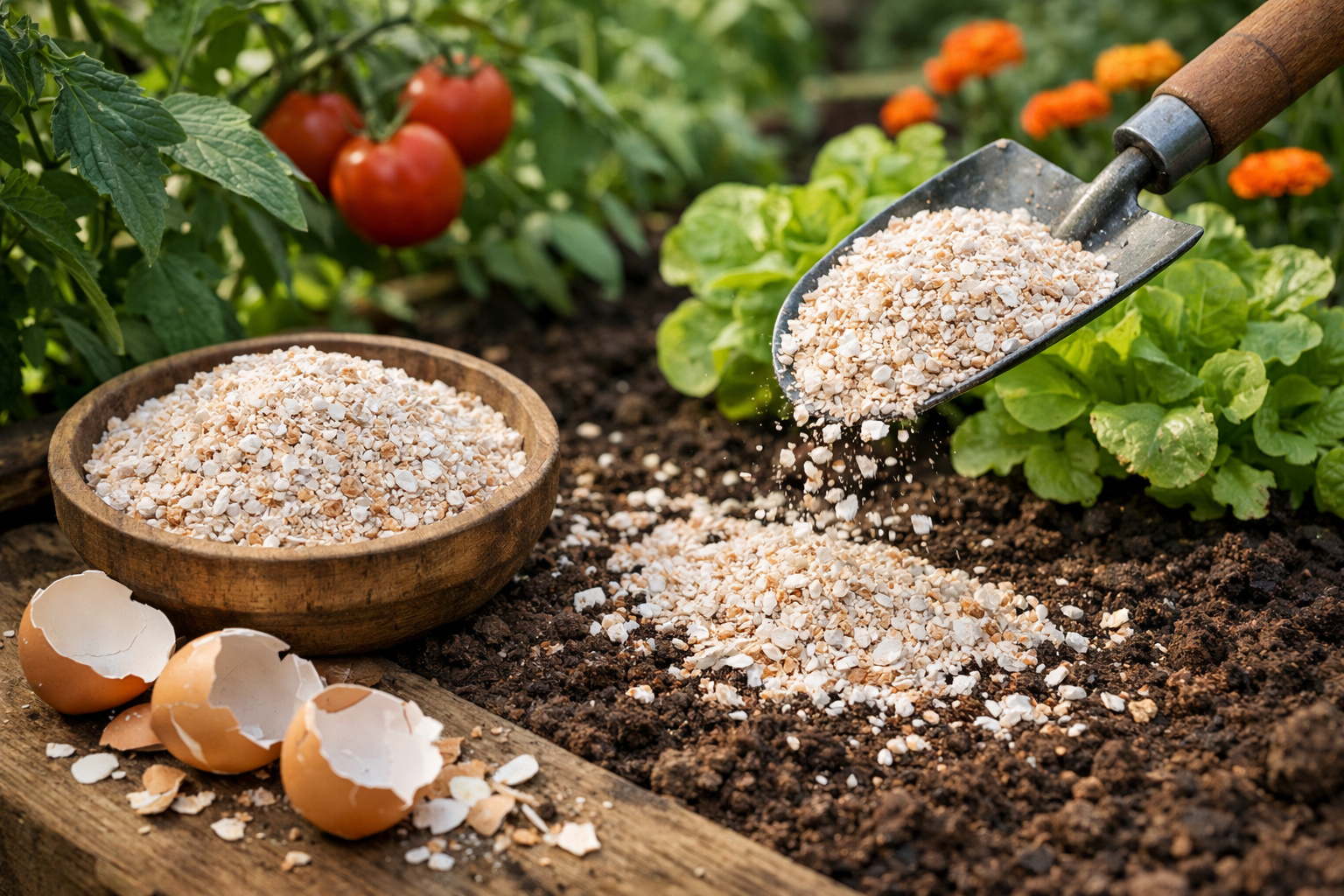
The eggshell that almost everyone throws away is made up of about 95% calcium carbonate and can help enrich the soil when crushed, slowly releasing nutrients and being reused in home gardens and vegetable patches.
-
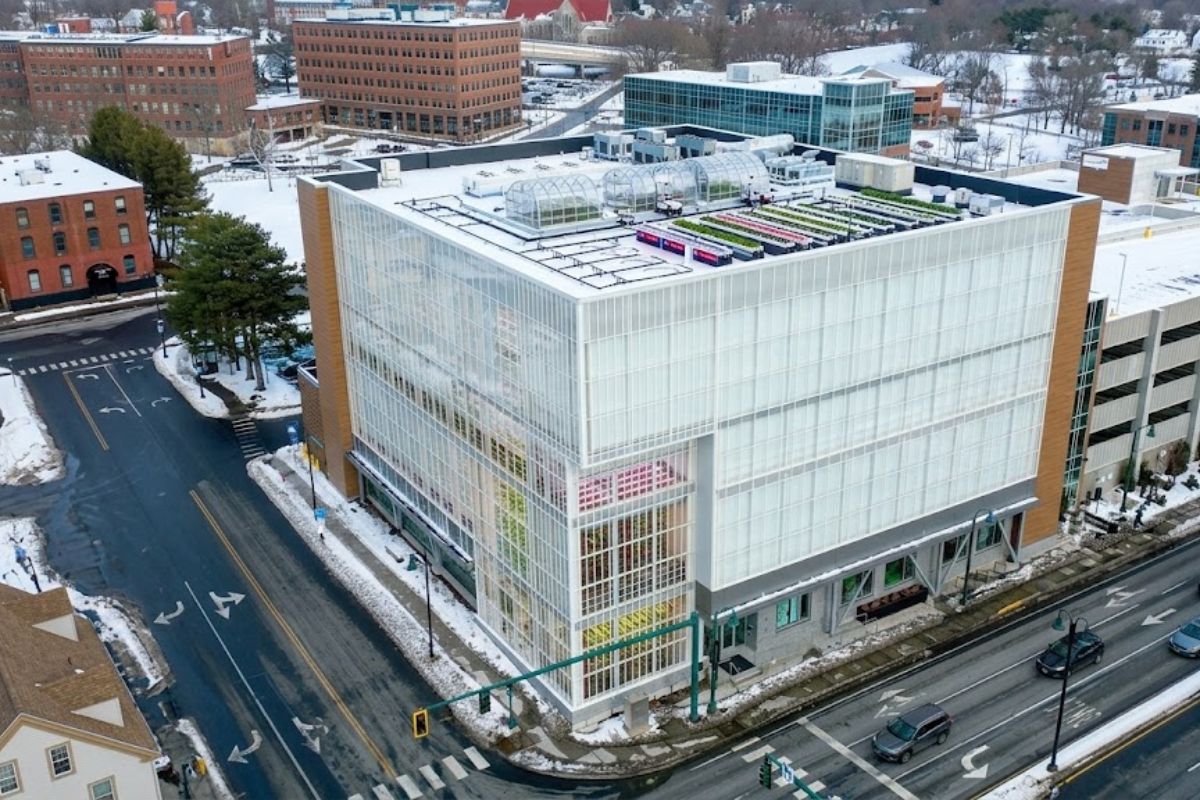
This farm in the United States does not use sunlight, does not use soil, and produces 500 times more food per square meter than traditional agriculture: the secret lies in 42,000 LEDs, hydroponics, and a system that recycles even the heat from the lamps.
-
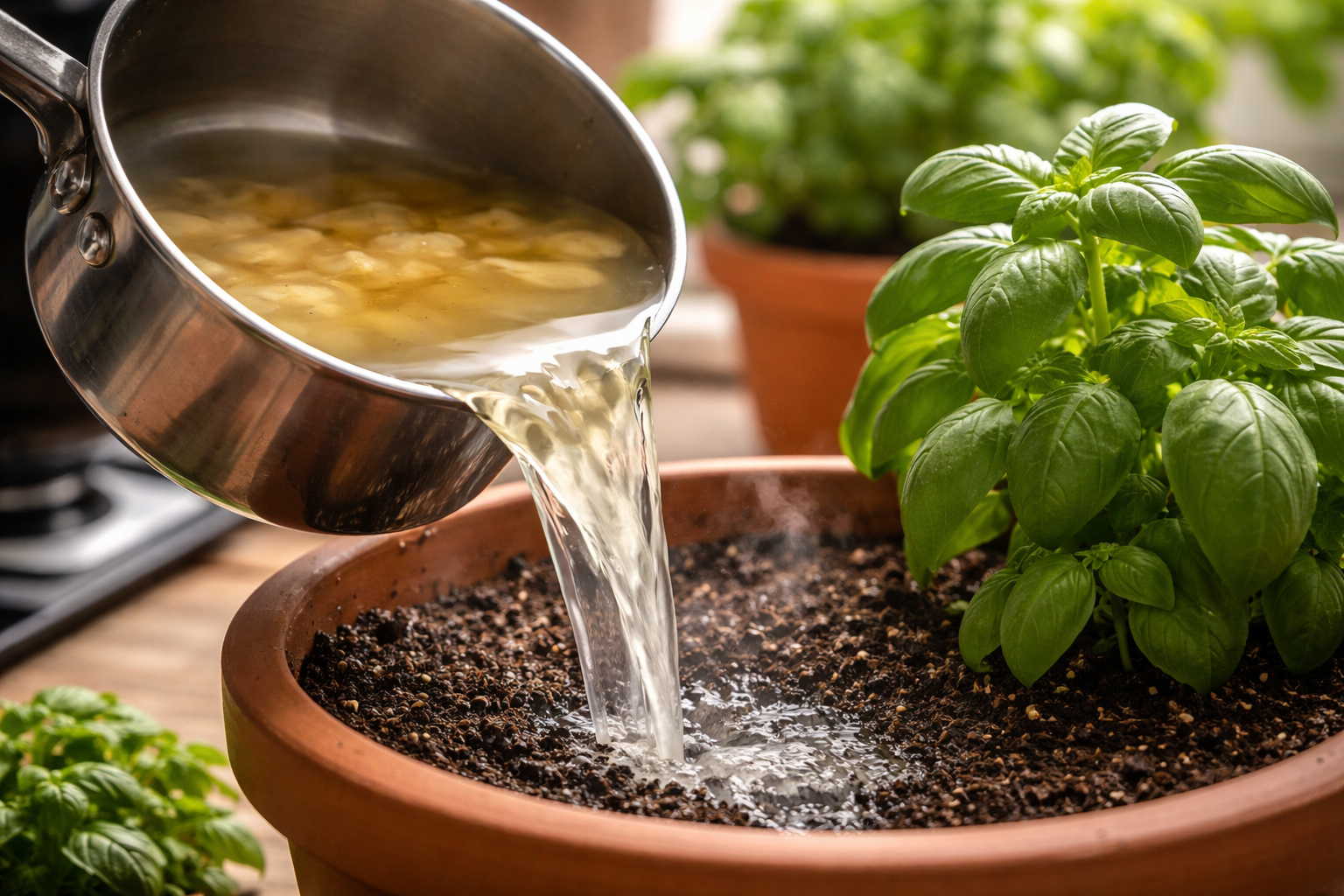
The water that almost everyone throws away after cooking potatoes carries nutrients released during the preparation and can be reused to help in the development of plants when used correctly at the base of gardens and pots, at no additional cost and without changing the routine.

What Are the Polymers That Absorb Up to 400 Times Their Own Weight
The polymers used in agriculture belong to the class of superabsorbent polymers (SAPs). Chemically, they are long chains of molecules, generally based on potassium polyacrylate, polyacrylamide or more recent biodegradable combinations, capable of forming a three-dimensional network.

This structure functions as a microscopic sponge. When it comes into contact with water, the polymer expands and stores the liquid inside. Depending on the formulation and conditions, it can absorb between 100 and 400 times its own weight in water, a number confirmed in standardized laboratory tests and widely documented in scientific literature.
One important technical detail essential for editorial approval:
– The maximum value of up to 400 times occurs in distilled water, in a controlled environment.
– In real agricultural soil, with mineral salts, fertilizers, and varying pH, the capacity usually ranges between 100 and 250 times, still extremely relevant from an agronomic perspective.
This distinction is widely recognized by research institutions and avoids any exaggerated or sensationalist interpretation.
How the Polymers Work Buried in the Soil
When incorporated into the soil, usually between 10 and 40 centimeters deep, the polymers act as invisible underground reservoirs. The operation occurs in well-defined cycles:
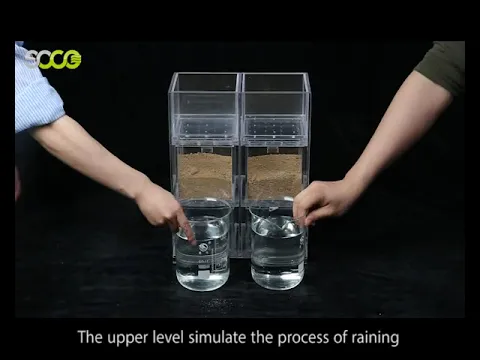
During rains or irrigation, water percolates through the soil and comes into contact with the polymer, which absorbs it and expands. In dry periods, when the soil begins to lose moisture, the polymer slowly releases this stored water, keeping the root zone of the plants hydrated for longer.
This process drastically reduces three critical losses in traditional agriculture:
- surface evaporation,
- deep percolation beyond the reach of roots,
- sudden water stress between irrigation cycles.
In practice, the soil functions as a hybrid system between land and reservoir, without the need for works, pumps, or physical structures.
Real Reduction of Evaporation and Water Consumption
Field trials conducted in Brazil, Spain, Israel, and Australia show that the correct use of hydrogels can reduce water consumption by 30% to 50%, depending on the crop, soil type, and management.
In sandy soils, where water typically loses rapidly, the gains are even more significant. Comparative studies indicate that crops with buried polymers maintain adequate moisture levels for up to twice as long as control areas without the material.
This reduction does not occur because the polymer “creates water,” but because it delays the loss cycle, transforming irregular rains or spaced irrigations into moisture effectively available for the plant.
Direct Impact on Crop Productivity
The most important practical consequence is productive stability. In regions subject to dry spells or prolonged droughts, agricultural productivity often declines not only due to lack of water but also due to the irregularity in water supply.

With the use of polymers, researchers observed:
- an average productivity increase between 10% and 30% in crops such as corn, beans, vegetables, and young fruits;
- higher survival rate of newly planted seedlings;
- reduction of floral abortion in critical periods.
In perennial crops, such as coffee, citrus, and irrigated fruit cultivation, the main benefit lies in reducing water stress, which directly affects quality, size, and uniformity of fruits.
Where the Technology Is Already Used in Brazil
In Brazil, the agricultural use of polymers is documented in projects and properties in the states of Ceará, Bahia, Pernambuco, Minas Gerais, Goiás, Mato Grosso do Sul, and Rio Grande do Sul.
Embrapa has published technical bulletins and circulars over the years addressing the use of hydrogels primarily in:
- production of forest seedlings,
- reclamation of degraded areas,
- small and medium horticulture,
- planting in semi-arid regions.
Additionally, agricultural cooperatives and input companies have begun to market polymers with formulations adapted to tropical conditions, respecting application limits and specific agronomic recommendations.
Limitations and Technical Cautions That Must Be Respected
Despite the potential, polymers are not a miracle solution. There are clear and well-documented limitations.
Excessive polymer in the soil can cause local waterlogging and root oxygenation problems. Therefore, dosing is critical and varies according to soil texture, crop, and incorporation depth.
Another relevant point is durability. Depending on the formulation, agricultural polymers remain active in the soil for 3 to 10 years, degrading slowly by biological action, radiation, and cycles of expansion and contraction.
Modern formulations seek to reduce persistent synthetic residues, adopting partially biodegradable polymers, but this transition is still ongoing and requires technical evaluation on a case-by-case basis.
Direct Relationship With Climate Change and Agricultural Adaptation
The growing interest in superabsorbent polymers is not a coincidence. Recent climate reports indicate an increase in the frequency of droughts, irregular rainfall, and extreme events in strategic agricultural regions.
In this context, the FAO and international research centers have begun to classify hydrogels as adaptation technology, and not as a substitute for irrigation.
They function as an additional layer of water security, especially important for small and medium producers who do not have constant access to sophisticated irrigation systems.
Cost, Economic Viability, and Return for the Producer
The cost of polymers varies widely according to formulation, origin, and purchase scale. In Brazil, average prices range between R$ 20 and R$ 60 per kilogram, with typical dosing per hectare varying from 10 to 50 kg, depending on the crop and soil.
Although there is an initial investment, economic analyses show that the return occurs through:
- direct savings on water and energy,
- reduction of losses due to water stress,
- greater productivity uniformity,
- less need for replanting.
In high-value crops, the return may occur as early as the first or second harvest.
Why This Technology Is Still Little Known
Despite decades of research, polymers still face cultural resistance, technical misinformation, and incorrect use in some past unsuccessful experiences.
Many producers confuse agricultural hydrogels with decorative materials or inadequate products, which has led to wrong applications and poor results. In recent years, however, technical standardization and proper agronomic guidance have been changing this scenario.
What once seemed experimental is consolidating as a concrete tool for water management.
What the Polymers Do Not Replace
It is essential to clarify: polymers do not replace rain, do not eliminate the need for irrigation in intensive systems and do not solve structural management problems.
They function as an efficiency amplifier, making every millimeter of water more valuable and reducing invisible waste that has always existed in agricultural soil.
An Invisible Reservoir Buried Under the Feet
By burying polymers capable of absorbing up to 400 times their own weight in water, farmers are not only adopting a new input. They are redefining the relationship between soil, water, and plants, transforming the subsoil into an active system for water storage.
In a scenario of more frequent droughts, pressure on water resources, and rising irrigation costs, this technology ceases to be a scientific curiosity and takes on a strategic role in the future of productive and resilient agriculture.










En México se comercializa bajo el nombre de “Lluvia sólida”, su fórmula es Acrilato de potasio y lo usamos en la región semi árida centro-norte de San Luis Potosí (<300mm anuales). La limitante es su precio, que es un 50% más caro que el precio más alto ofertado en Brasil y eso que aquí lo ofrecen como un invento mexicano desarrollado por un Ing. mexicano que investiga en el INIFAP (Instituto Nacional se Investigaciones Forestales, Agrícolas y Pecuarias, es de gobierno federal)
Bom dia sou produtor de cana tem resultado nessa cultura
Supuestamente si funciona, sólo busca asesoría de un técnico o ing. en agronomía.