





 Portuguese
  English
  Spanish
 3 min of reading
  0 comments


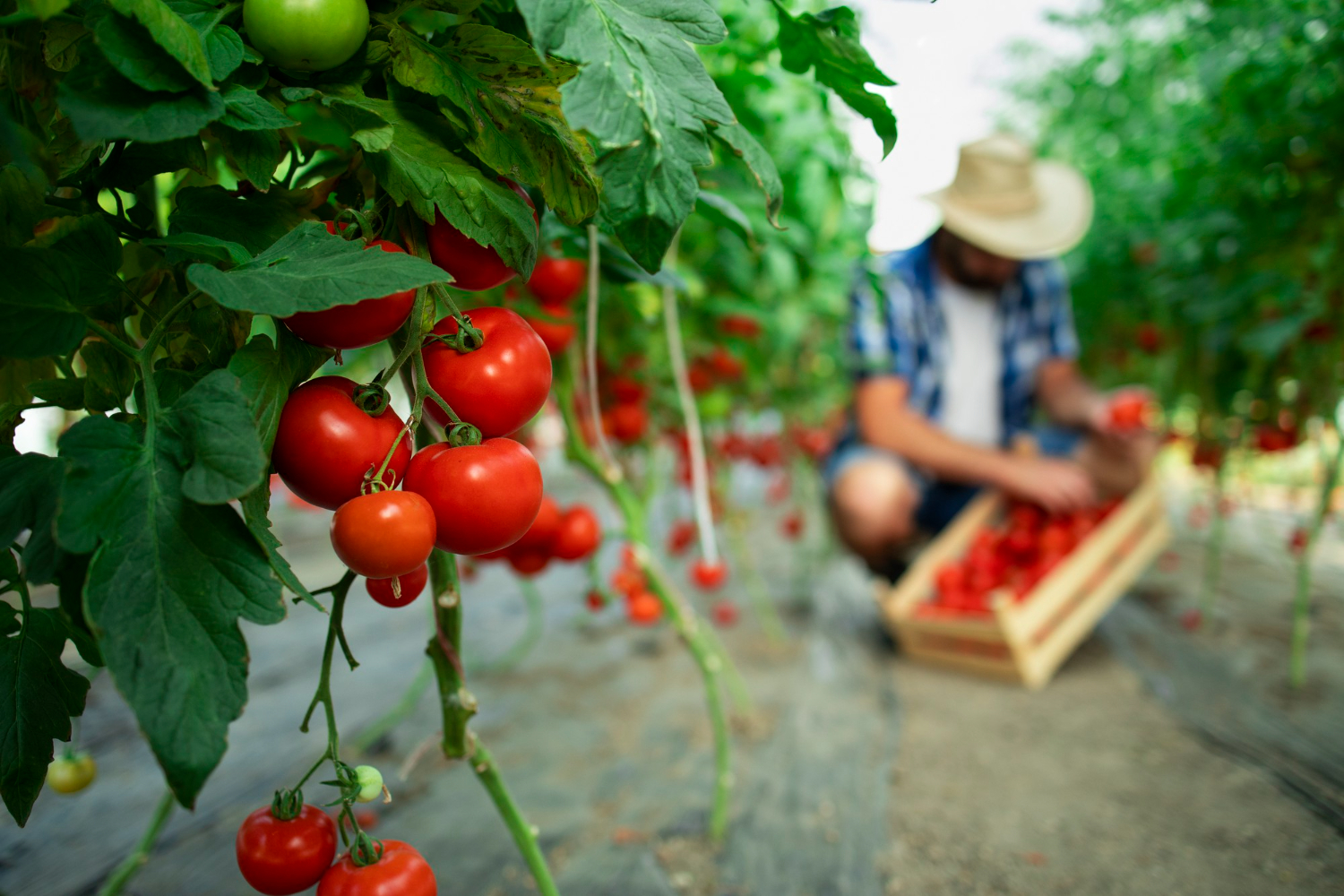
With Focus on Family Farming in Santa Catarina, the Initiative Expands Food Donations and Mobilizes Producers, Social Entities and Municipalities to Strengthen Actions Against Food Insecurity
The supply of food produced by family farming in Santa Catarina gains new momentum with the delivery of a shipment that reaches 120 tons, destined for families facing food insecurity in different regions of the state, according to a report published.
The action involves farmers from seven municipalities and serves more than 17 thousand vulnerable people. The Food Acquisition Program (PAA), conducted by the National Supply Company (Conab), facilitates this process with federal resources and support from local entities.
The products include fruits, vegetables, greens, baked goods, jams and pine nuts, all sent directly to registered institutions.
-
The sea water temperature rose from 28 to 34 degrees in Santa Catarina and killed up to 90% of the oysters: producers who planted over 1 million seeds lost practically everything and say that if it happens again, production is doomed to end.

-
An Indian tree that grows in the Brazilian Northeast produces an oil capable of acting against more than 200 species of pests and interrupting the insect cycle, gaining ground as a natural alternative in soybean, cotton, and vegetable crops.

-
The rise in oil prices in the Middle East is already affecting Brazilian sugar: mills in the Central-South are seeing their margins shrink just as ethanol gains strength.

-
Rain gains strength in April, potentially exceeding 150 mm, placing the North, Northeast, and the coasts of the South and Southeast at the center of the heaviest forecast of the week.


The dynamics combine income generation, circulation of fresh food, and strengthening of social assistance networks, without losing sight of the logistical organization carried out by the rural producers themselves.
Thus, the state registers an articulation that unites the countryside, community, and public policy to expand the reach of healthy and accessible food.
Solidarity Distribution with Focus on Regional Food Security
The first phase of the operation brings together 72 family farmers from Alfredo Wagner, Bom Retiro, Campo Belo do Sul, Capão Alto, Lages, Painel and São José do Cerrito, all integrated into the Simultaneous Purchase with Donation modality of the PAA.
The investment of nearly R$ 720 thousand, transferred by the Ministry of Development and Social Assistance, allows the food to go directly to institutions that serve people in vulnerable situations.
Family farming in Santa Catarina is organized to ensure food diversity and quick circulation of products.
Among the municipalities benefiting are Cerro Negro, Lages, São José, Florianópolis and Biguaçu, which receive fruits, vegetables and artisanal products.
The logistics is the responsibility of the farmers themselves, which ensures agility and preservation of quality.
Additionally, eight institutions are served, including the Municipal Social Assistance Fund of Lages and Cerro Negro, the Diocesan Caritas of Lages, and the Solidarity Kitchens in São José, Florianópolis, and Biguaçu.
Strengthening Solidarity Kitchens with Local Foods
The work of solidarity kitchens stands out as they transform the products received into meals for hundreds of families daily.
The Association Beyond the Eyes of São José, the Indigenous Passage House of Florianópolis, the Association of Remnants of the Quilombo Vidal Martins, and the Solidarity Rice of Biguaçu utilize the food to expand the reach of their social actions.
The constant presence of family farming in Santa Catarina reinforces the link between local production and meal preparation with varied menus.
The inclusion of baked goods, jams, and pine nuts complements the volume of fruits and vegetables and enriches the assistance to communities.
The distribution structure contributes to maintaining regularity in deliveries, ensuring that institutions have continuous supplies over the coming months.
Social Control and Transparency in Food Management
The monitoring process is conducted by entities such as the Food and Nutritional Security Council of Lages, the PAA Management Committee of Cerro Negro, the State Council of Food Security, and the Association Network with the Street, from Florianópolis.
These bodies oversee the deliveries and verify the stages outlined in the approved projects.
Family farming in Santa Catarina has a direct relationship with the direct participation of producers, who deliver the food to institutions in an organized manner and in compliance with the program’s rules.
The dynamics reinforce the credibility of the PAA and show how the coordination between the federal government, municipalities, farmers, and civil society strengthens continuous access to healthy food.
Thus, family farming in Santa Catarina remains a central axis in the circulation of products and in supporting people facing vulnerability in the state.







Seja o primeiro a reagir!