





 Portuguese
  English
  Spanish
  4 min of reading
  0 comments


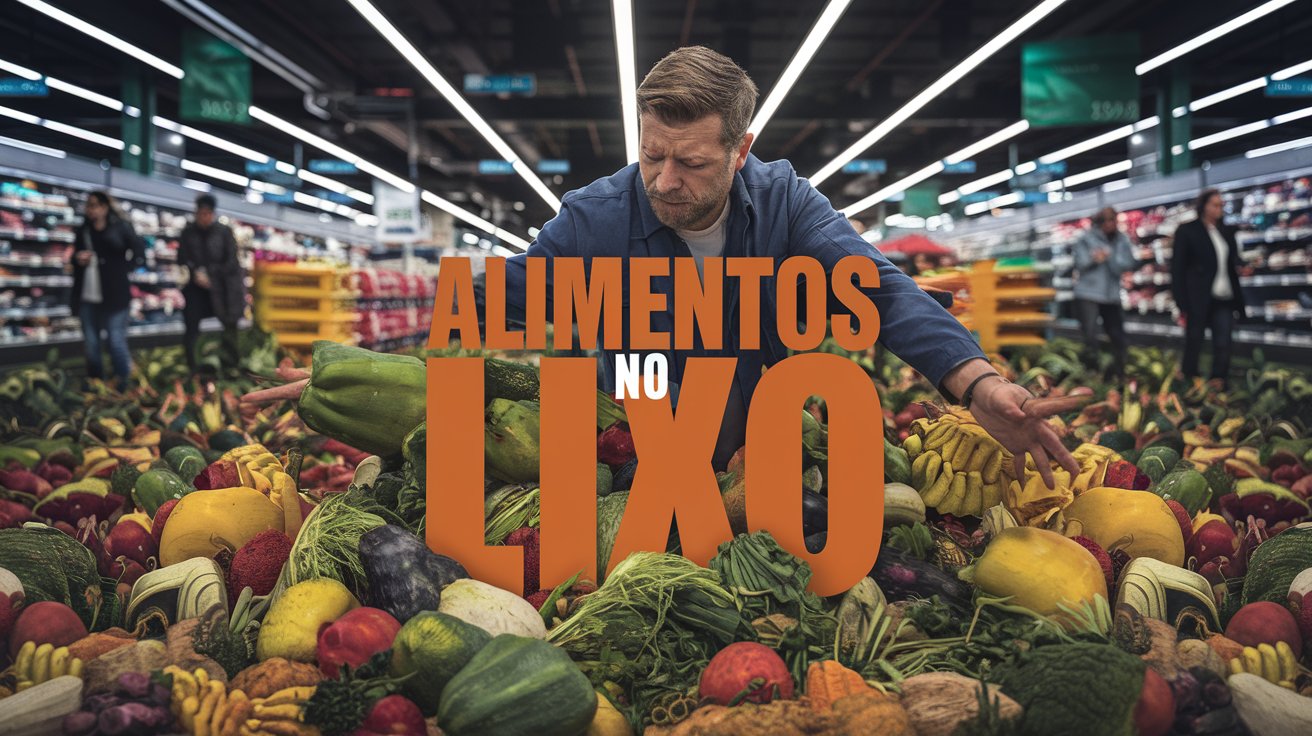
While Food Prices Skyrocket, Small Producers Discard Tons Of Food To Avoid Losses! The Waste Shocks Internet Users And Raises A Debate About Agricultural Policies. The Government Promises Solutions, But Will They Be Sufficient? Discover The Truth Behind This Controversial Practice!
The price of food continues to rise, impacting the budgets of Brazilians and making trips to the supermarket an increasing challenge.
At the same time, images of rural producers discarding tons of food have gained traction on social media, generating outrage and questioning this practice.
Why are tons of food thrown away while so many people struggle to feed themselves?
-
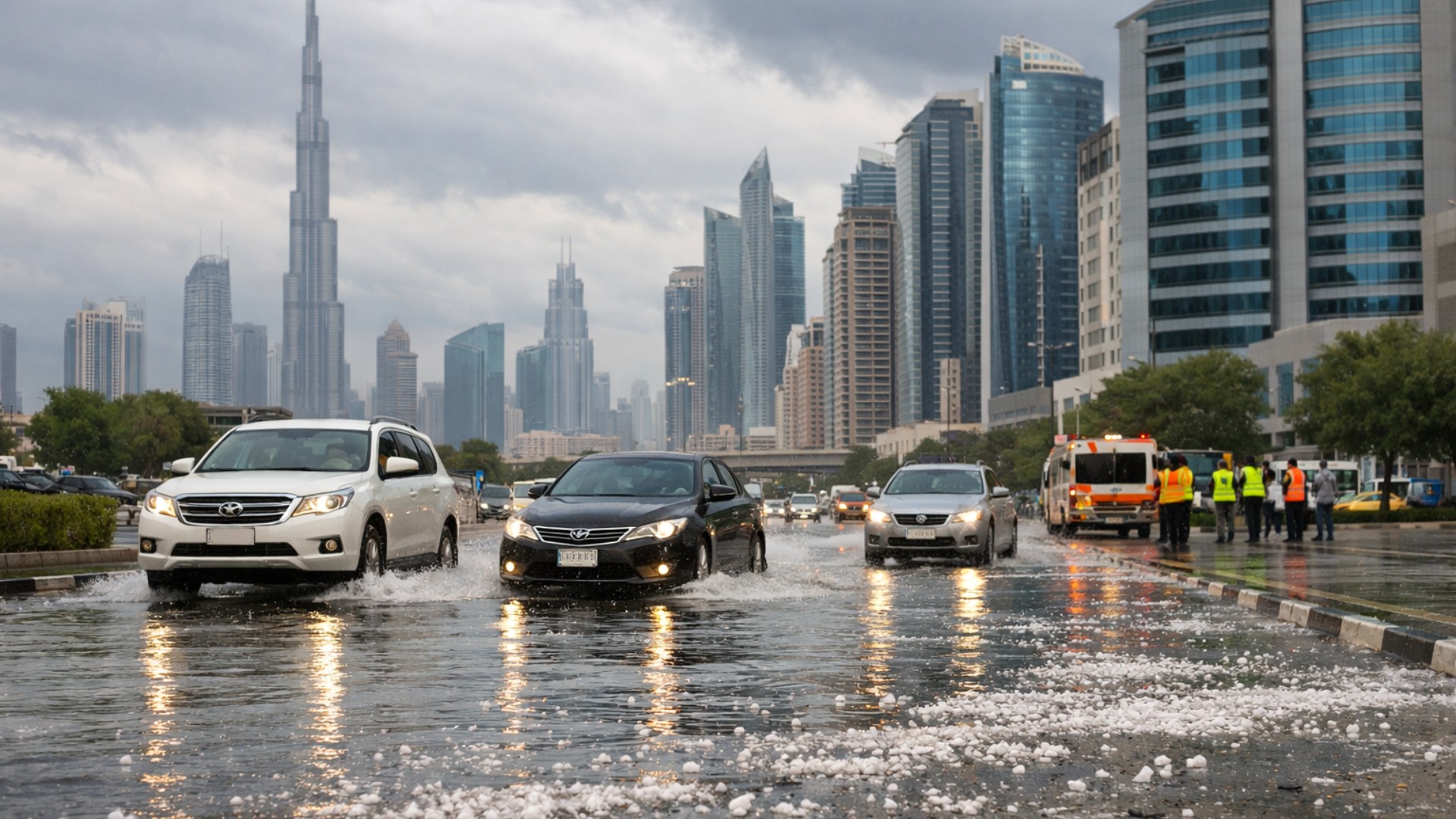
A rare storm transformed part of the Gulf into an unlikely scene of hail, extreme rain, and tornado risk in the middle of the desert, with volumes that exceeded the annual average in a single day.
-
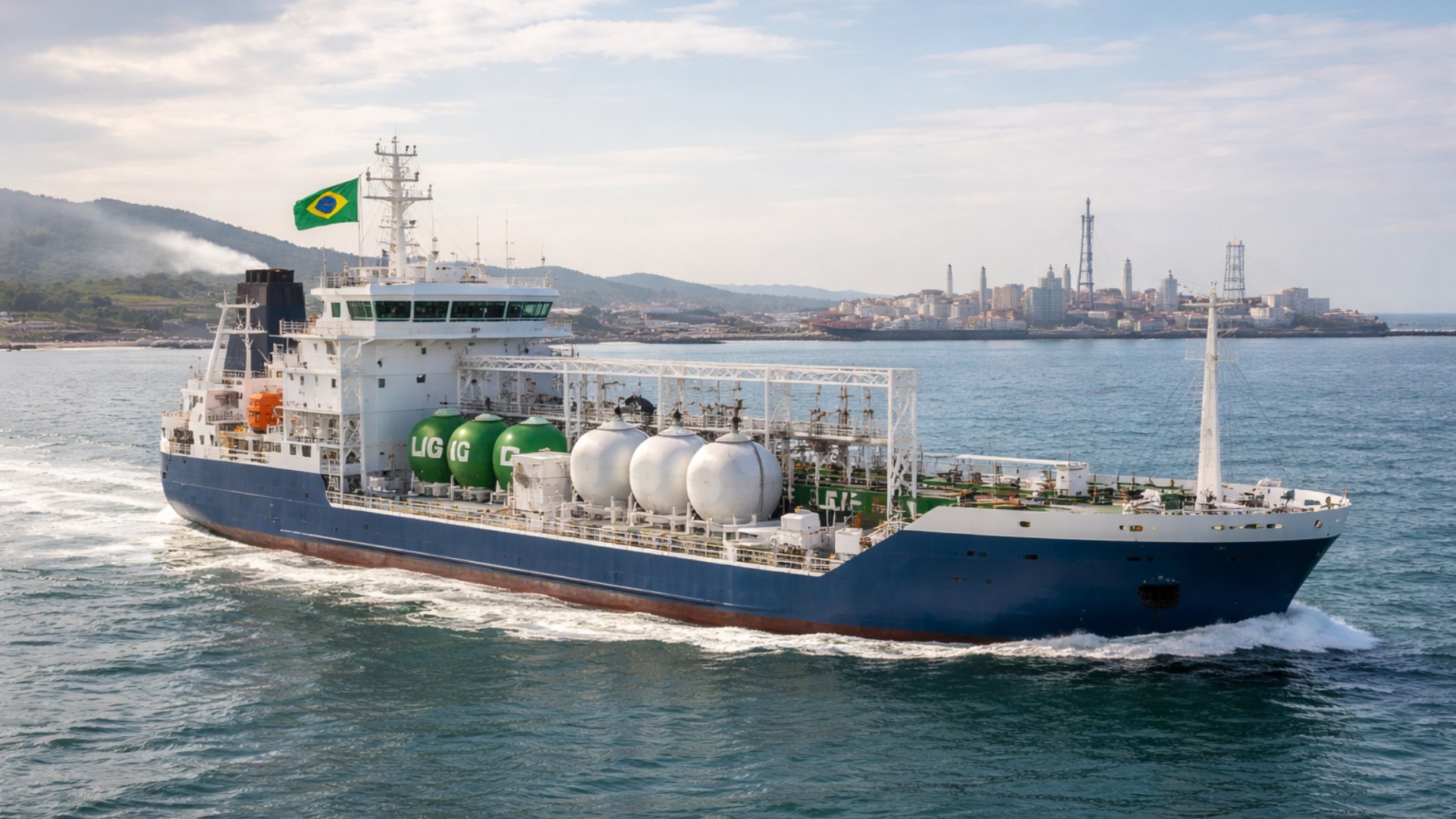
Brazil catches the world’s attention with ships powered by ethanol and biodiesel that have lower emissions, an unprecedented certification with advantages in chartering, and a revolution in cabotage.
-
A couple who only has Sundays free has built a hand-dug pool, a hamburger joint, a dance hall, and a playground in their own home without hiring a mason, and even with breaks due to accidents and the pandemic, the work has never truly stopped.

-
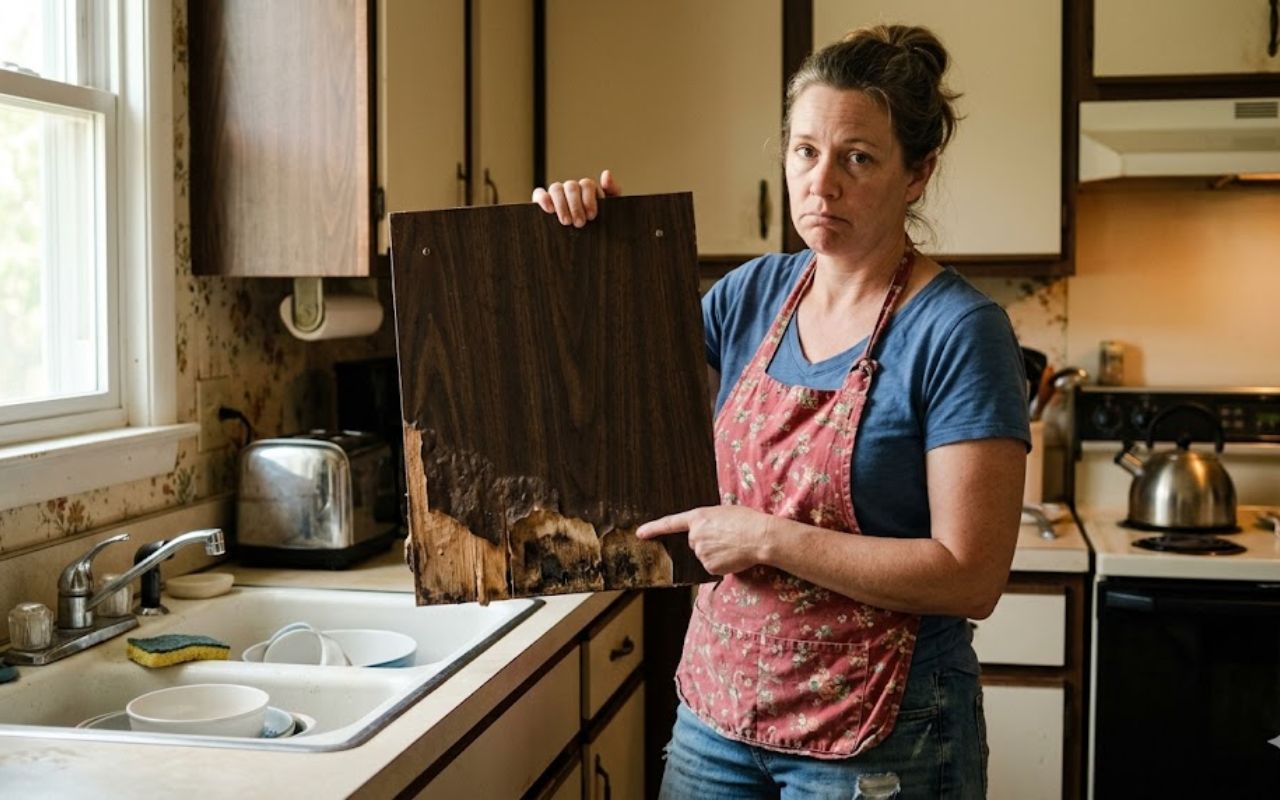
Furniture made with aluminum and glass does not warp and has become an alternative to replace MDF in Brazil.

According to the Metrópoles portal, experts explain that this decision is based on economic and logistical factors.
Small and medium producers prefer to destroy food rather than sell it below production costs, avoiding even greater losses.
The Strategy Behind Waste
The practice of discarding food is old and is linked to the dynamics of the agricultural market.
When supply exceeds demand, prices fall and many producers avoid selling below cost to not compromise their future harvests.
According to economist Francisco Rodrigues, this disposal can be a strategy to maintain the profitability of production.
“If a producer sells their harvest far below market price, they may have difficulties financing the next crop and keeping their production viable,” Rodrigues explains.
The Main Reasons for Discarding
- Avoiding Losses: Selling below cost can lead to greater losses than simply discarding the products.
- Planning for Future Harvests: The profitability of the current harvest directly impacts the ability to invest in the next crop.
- Production Surplus: Advanced technologies increase productivity, but the lack of adequate infrastructure means that some food does not reach the market.
- Deterioration and Insufficient Logistics: In many cases, products do not reach consumers because poor roads and lack of adequate storage accelerate deterioration.
The Impact of Climate on Production and Prices
Another factor that directly influences agricultural production is the climate.
Excessive rainfall or prolonged drought can affect productivity, making price predictability even more difficult.
According to the National Supply Company (Conab), the main climatic variables impacting agriculture are:
- Regular Rainfall: Essential for the germination, growth, and fruiting of plants.
- Dry Weather During Harvest: Favors the quality of grains and reduces losses.
- High Temperatures: Increase evapotranspiration and require more rainfall to compensate.
- Heat Waves and Prolonged Drought: Can compromise productivity and raise production costs.
- Extreme Climatic Phenomena: Such as El Niño and La Niña, which directly impact the regularity of the harvest.
Government Measures to Reduce Waste
To minimize the problems of crop flow and avoid losses for producers, the federal government launched on February 5 the Harvest Flow Plan 2024/2025, allocating R$ 4.5 billion for logistics and infrastructure.
The intention is to strengthen Brazil’s competitiveness in the international market and reduce waste.
Conab estimates a record increase in grain production, with growth of 8.3% compared to the previous harvest, totaling 322.47 million tons.
Soybeans and corn are the main drivers of this expansion. If the flow is efficient, this increase in production could mean relief in prices for consumers.
In addition, other initiatives have already been proposed by lawmakers, such as the creation of a national food bank to redistribute products that would not be sold.
Possible Solutions to Reduce Waste
Experts point out that, in addition to improvements in logistics, the government can adopt measures such as:
- Creation of Tax Incentives for the donation of surplus food.
- Investment in Cooperatives that facilitate the distribution of products to NGOs and markets.
- Minimum Price Policies to ensure that small producers do not have to sell below production costs.
- Improvement of Transport Infrastructure: Upgrading highways and railways to reduce losses in flow.
- Educational Campaigns to raise producers’ awareness of alternatives to disposal.
According to economist Francisco Rodrigues, “If there were an efficient network to direct this food to those in need, waste would be drastically reduced and the social impact would be very positive.”
This issue, which has been occurring for decades, requires practical solutions and long-term investments to balance production, supply, and consumption, ensuring that less food is thrown away while millions of people face food insecurity.





Seja o primeiro a reagir!