





 Portuguese
  English
  Spanish
 3 min of reading
  1 comment


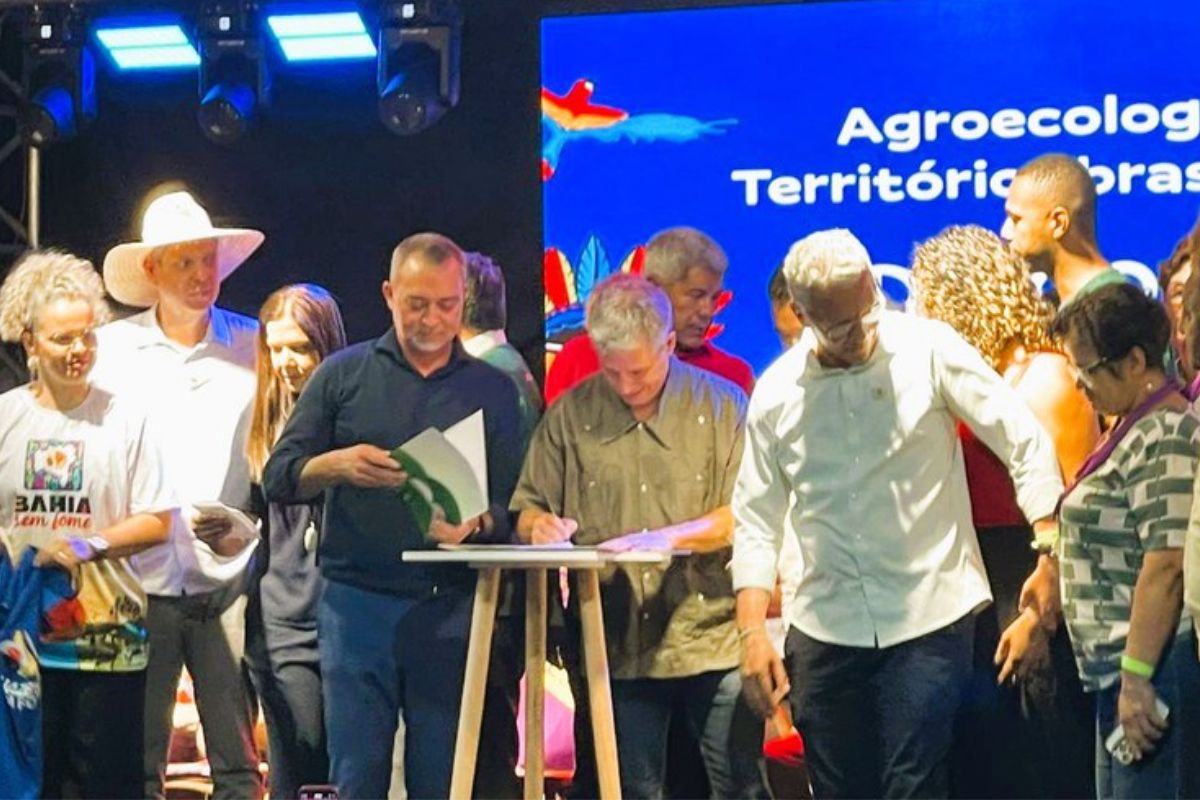

With a Focus on Agroecology in Bahia, Minister Paulo Teixeira Announces Investments and Programs That Strengthen Family Farming, Promote Sustainability, and Stimulate Organic Production in the Northeast
Agroecology in Bahia has gained national prominence with the recent investment announcements made by the Minister of Agrarian Development and Family Agriculture, Paulo Teixeira, in Juazeiro, according to a report published.
The announcement took place during the 13th Brazilian Congress on Agroecology, held from October 16 to 18, on World Food Day.
The event brought together experts, producers, and field leaders around a common purpose: to strengthen sustainable production, expand access to credit, and consolidate public policies aimed at Brazilian rural areas.
-
While Russia dominates the global wheat market, Brazil emerges as an unexpected competitor in the Cerrado, offering grain available in July and August when stocks in the Northern Hemisphere are at their lowest point of the year.

-
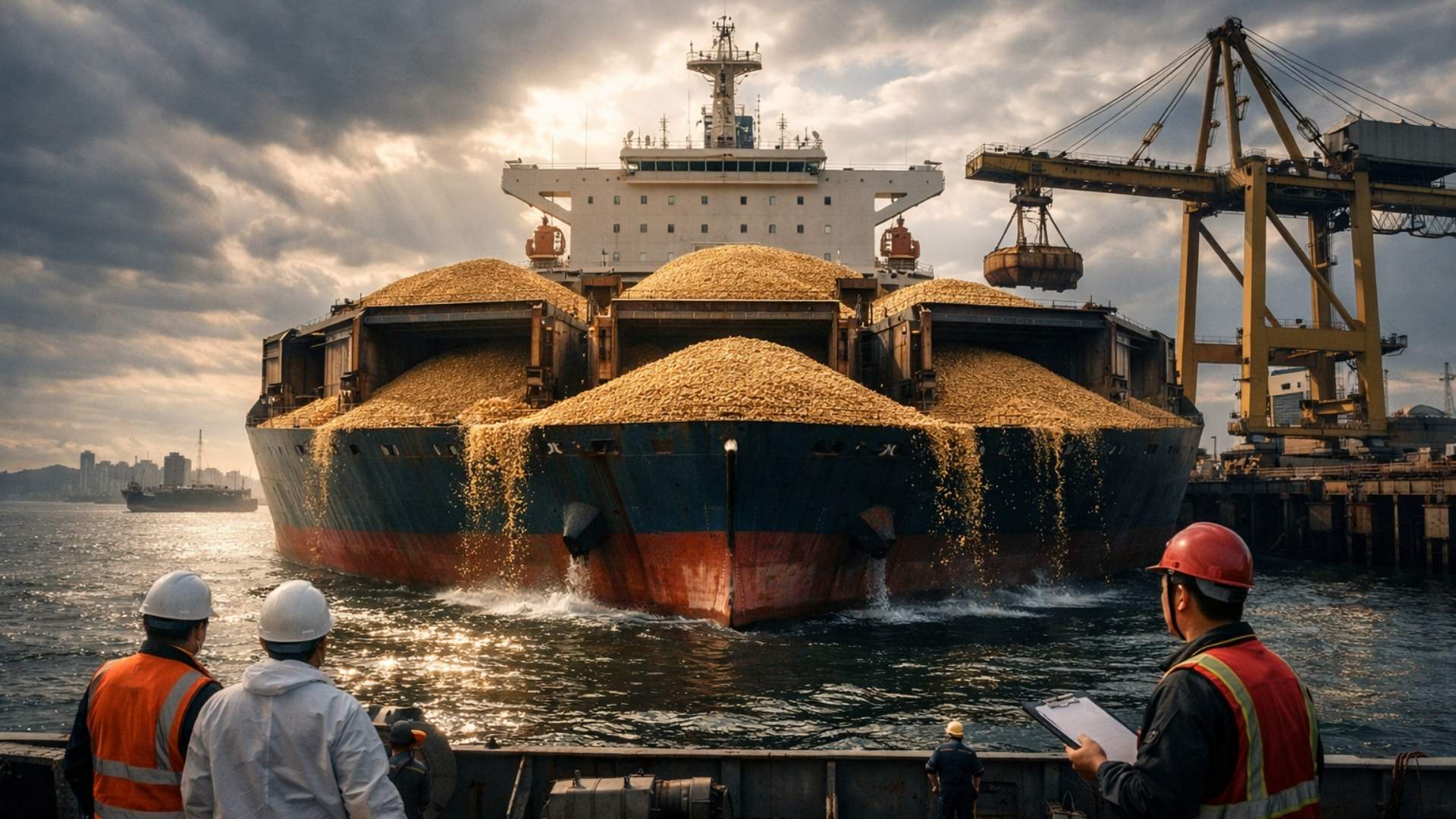
China returned almost 20 Brazilian ships with soybeans, but now everything could change: the country that buys 80% of the grain is considering relaxing regulations after impurities held up shipments of thousands of tons and caused million-dollar losses.
-
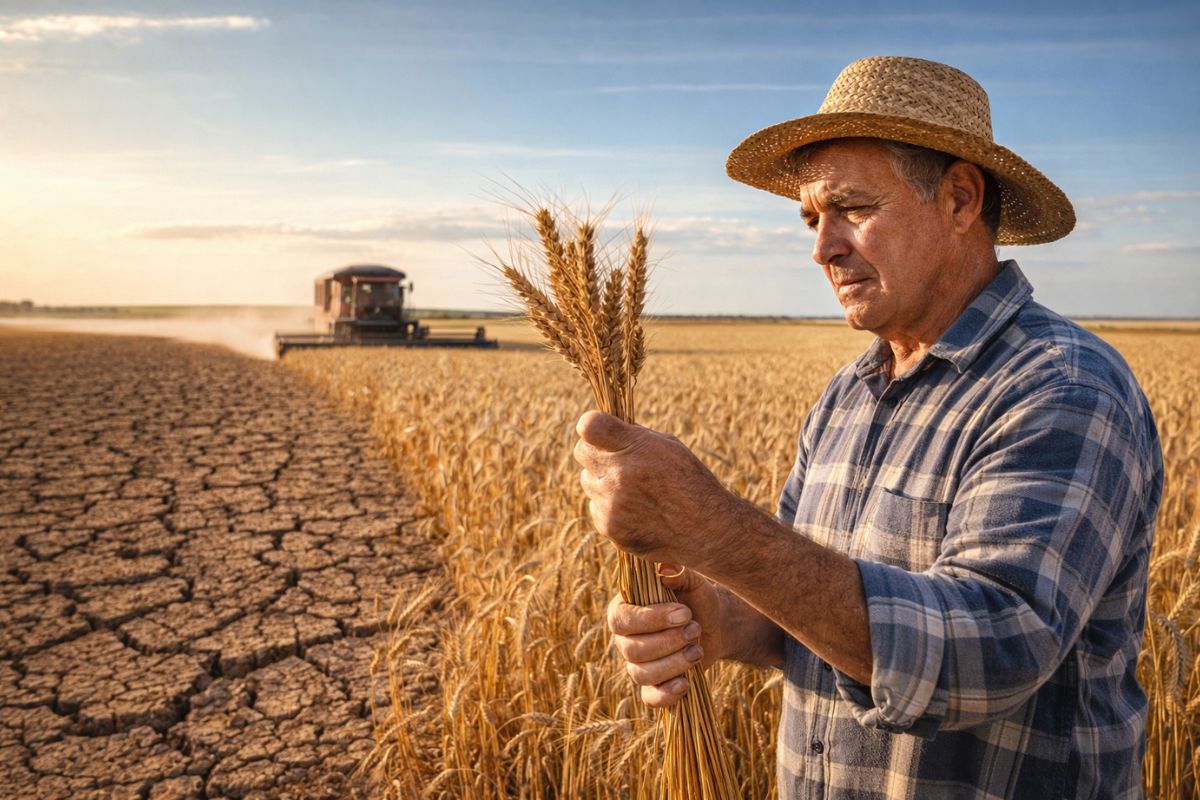
The drought of the cerrado was considered an enemy of wheat, but Brazilian scientists turned the lack of rain into a competitive advantage by creating a grain with quality that is already attracting the attention of international mills around the world.
-
THE OWNER of Brazil: a farmer who came from laundries, created an ’empire’ and today runs a company valued at R$ 42 billion after tripling its value in less than a year and receiving a billion-dollar investment from the USA.

The minister presented the resumption of the Strengthening and Expansion Program for Agroecology, Extractivism, and Organic Production Networks (Ecoforte), with investments of R$ 100 million.
The resources, coming from the Banco do Brasil Foundation, the BNDES Socio-Environmental Fund, and the Amazon Fund, will benefit 37 projects distributed among the Northeast, South, Southeast, Central-West, and Legal Amazon regions.
This initiative represents a significant resumption of technical and financial support for sustainable agricultural practices throughout the country.
Family Farming and Sustainable Credit Boost the Northeastern Field
Among the measures presented, the minister highlighted the National Program for Strengthening Family Farming Agroecology (Pronaf Agroecology), aimed at credit for small producers who adopt agroecological and organic systems.
Only between July and September 2025, 5,483 contracts were signed, totaling R$ 116.4 million in financing.
This number reinforces the importance of family farming in generating income and transitioning to more environmentally balanced production models, especially in the northeastern semi-arid region.
During the event, Paulo Teixeira emphasized the federal government’s commitment to indigenous, quilombola, and agrarian reform communities.
According to him, the priority is to ensure access to public policies that promote inclusion and food security, without compromising sustainability as the central axis of actions.
This stance reinforces the role of agroecology in Bahia as an example of public policy that combines production, preservation, and citizenship.
Agroecological Transition and Reduction of Pesticide Use in Brazil
Another highlight was the agreement signed between the Ministry of Agrarian Development, the Ministry of Science, Technology, and Innovation (MCTI), and Embrapa.
The partnership integrates the National Program for Pesticide Reduction (Pronara), which seeks to encourage agricultural practices with lower environmental impact.
According to the minister, this agreement represents a milestone in the advancement of clean technologies and the valuation of food produced safely and sustainably.
Agroecology in Bahia thus consolidates itself as a strategic model in the reduction of chemical inputs and in productive diversification.
Agroecology in Bahia: Innovation and Research Strengthen Sustainable Public Policies
The event also marked the launch of new calls that reinforce the commitment to innovation and sustainability.
The “From Farm to Table” program, for example, will allocate R$ 160 million for 45 projects from civil society organizations aimed at training, productive structuring, and agroecological transition.
Another highlight was the partnership between the MDA and MCTI for financing the network of researchers who will support the National Agroecology and Organic Production Plan (Planapo).
R$ 15 million will be invested through the National Fund for Scientific and Technological Development (FNDCT).
These actions reinforce the government’s integrated vision of rural development, technological innovation, and sustainability.
By combining research, credit, and productive inclusion, agroecology in Bahia consolidates itself as one of the fundamental pillars for the future of family farming in the country.








I do believe all the ideas youve presented for your post They are really convincing and will certainly work Nonetheless the posts are too short for novices May just you please lengthen them a little from subsequent time Thanks for the post