





 Portuguese
  English
  Spanish
  3 min of reading
  0 comments



The CEFENP Panel at COP 30 Showed How Brazilian Agribusiness Expands Technological Autonomy and Accelerates Sustainable Practices Through Innovation, Digital Integration and Circular Economy
The Brazilian agribusiness gained prominence at COP 30 by presenting, on November 14, a robust innovation agenda articulated by the Ministry of Agriculture and Livestock (Mapa) through the Center of Excellence in Fertilizers and Plant Nutrition (CEFENP), according to a news article published.
The initiative was discussed during a panel that brought together experts, companies, and research institutions to show how new technologies are helping to reduce historical dependencies and increase productive efficiency.
The numbers highlighted at the event reveal challenges that directly affect family farmers, productive chains, and food security.
-
While Russia dominates the global wheat market, Brazil emerges as an unexpected competitor in the Cerrado, offering grain available in July and August when stocks in the Northern Hemisphere are at their lowest point of the year.

-
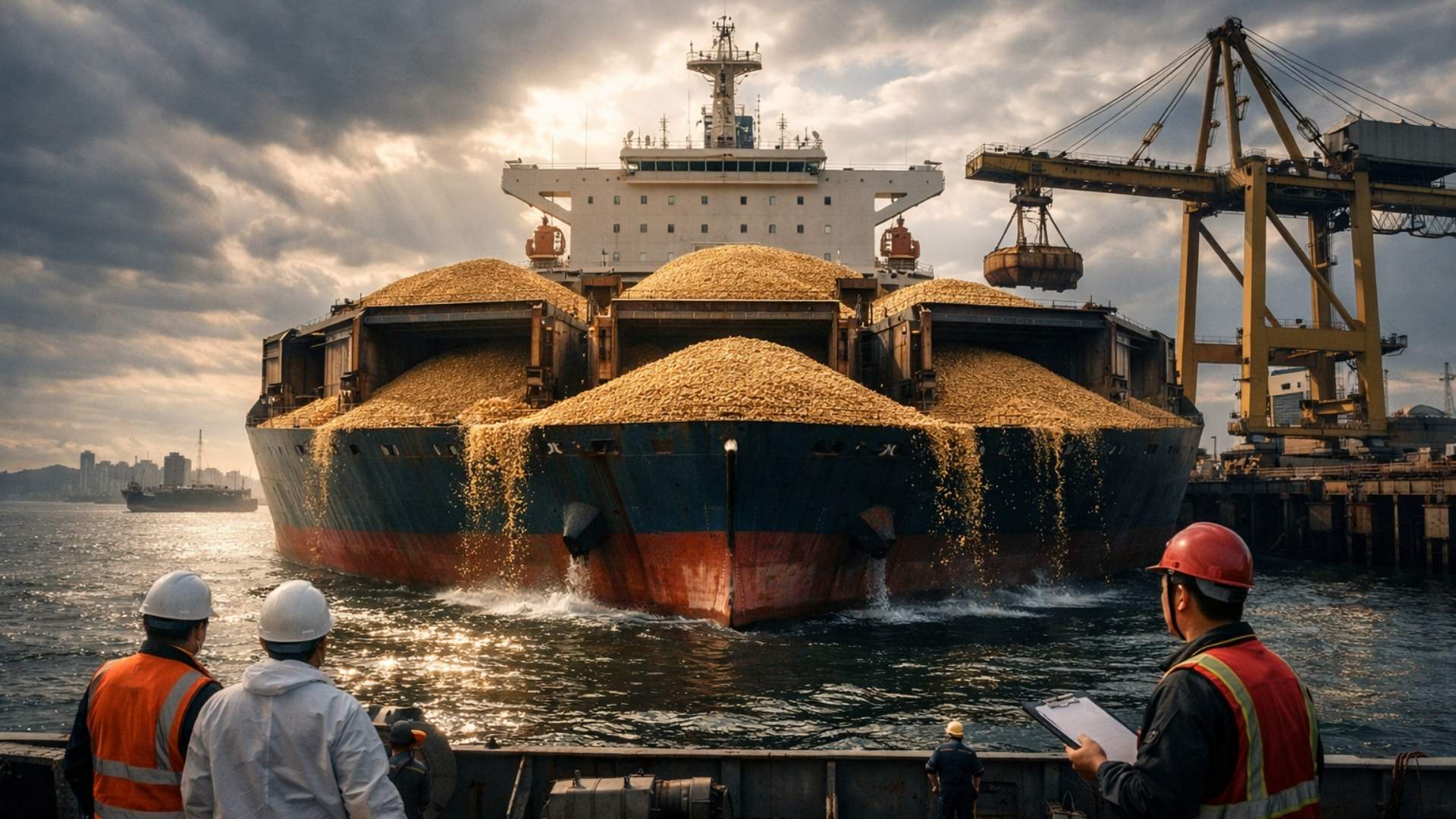
China returned almost 20 Brazilian ships with soybeans, but now everything could change: the country that buys 80% of the grain is considering relaxing regulations after impurities held up shipments of thousands of tons and caused million-dollar losses.
-
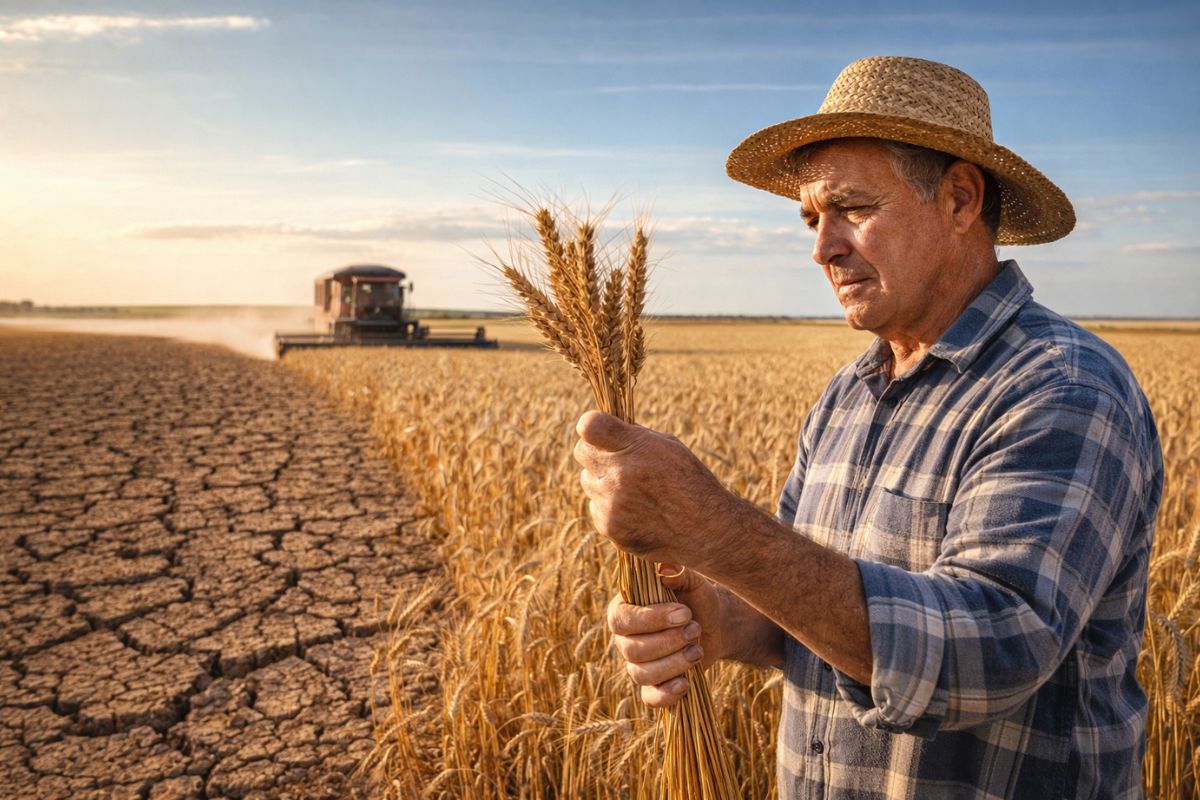
The drought of the cerrado was considered an enemy of wheat, but Brazilian scientists turned the lack of rain into a competitive advantage by creating a grain with quality that is already attracting the attention of international mills around the world.
-
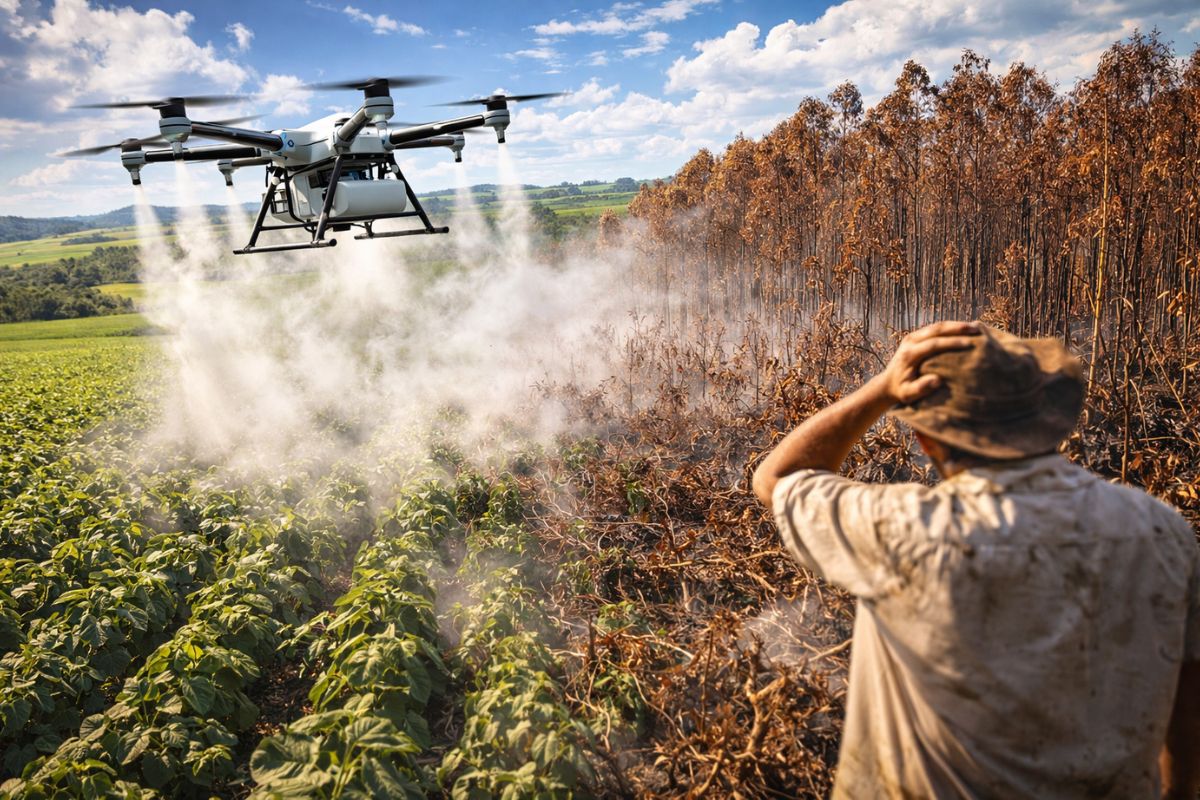
THE OWNER of Brazil: a farmer who came from laundries, created an ’empire’ and today runs a company valued at R$ 42 billion after tripling its value in less than a year and receiving a billion-dollar investment from the USA.


Moreover, the meeting emphasized the need for integration between sectors to accelerate solutions with lower environmental impact.
Through this movement, the country is structuring a path for sustainable transition that involves digitization, applied research, and collaboration between government and the productive sector.
The construction of this network, according to Mapa, is directly linked to climate demands and the advancement of smarter productive systems.
Circular Economy in Brazilian Agribusiness as a Strategic Basis
The panel presented the proposal to integrate the circular economy in agriculture with the set of tools that will sustain CEFENP in the coming years.
Advisor José Carlos Polidoro highlighted that the public-private partnership established by the center is the largest ever mobilized by the sector, bringing together universities, companies, and representatives of the fertilizer chain.
The goal is to address limits that have hindered national development for decades, including the dependence on nearly 90% of imported fertilizers.
In this segment, it became clear how Brazilian agribusiness benefits from this change by adopting its own technologies to reduce nutrient losses and increase soil efficiency.
Polidoro also mentioned a concerning fact: 57% of family farmers still do not use any type of nutrient, be it mineral, natural, or biological, which interferes with crop yields and income in the field.
Sustainable Innovation in Fertilizers as a Development Engine
The second subtitle highlights sustainable innovation in fertilizers, a focus that guides the entire operation of the national CEFENP network. This structure will feature hubs distributed in strategic regions, including the North, which has important potassium reserves.
This network will enable accelerated research, validate technologies, and bring solutions closer to the market through the FertBrasil Network, which already includes over 70 approved innovations.
This strategy creates a favorable environment for the Brazilian agribusiness to continue increasing efficiency and reducing environmental impact, especially in light of global climate changes.
Additionally, panel participants emphasized that the adoption of bioinputs and circular systems will be critical to strengthen national competitiveness, given that the global market for these solutions is expected to reach 80 billion dollars in the coming years.
Collaborative Digital Agricultural Platform and Low-Emission Bioinputs
The third point addressed at the event involved the creation of a collaborative digital agricultural platform, which will be responsible for integrating producers, companies, and research centers.
The tool will gather data, studies, and experiences to facilitate the adoption of sustainable technologies, expanding the reach of low-emission bioinput solutions across different productive chains.
According to Polidoro, the sector cannot progress without integration, and the digital knowledge base will be essential to support faster and more coordinated decisions.
This movement reinforces the construction of a new cycle for the Brazilian agribusiness, aligned with the global transition and the climate demands that require more efficient, traceable, and adaptable production systems to the tropical reality of the country.








Seja o primeiro a reagir!