





 Portuguese
  English
  Spanish
 3 min of reading
  0 comments


Recent Advances in Mining Agriculture Reflect Valued Prices and Increased Presence in New Destinations, Strengthening Diversification and the Dynamics of External Sales of the State
The performance of mining agriculture in the first ten months of 2025 reveals a scenario marked by heated prices, market expansion, and greater diversity of shipped products, according to a report published.
Between January and October, external sales reached US$ 16.4 billion, a result that demonstrates the strength of the state’s production chains even in the face of a 6.5% reduction in exported volume, totaling 14 million tons.
Nonetheless, Minas Gerais maintained its position as the third largest exporter in the country, responsible for nearly 13% of the national revenue in the sector, with a list comprising 633 items shipped to 175 destinations.
-
The water that almost everyone throws away after cooking potatoes carries nutrients released during the preparation and can be reused to help in the development of plants when used correctly at the base of gardens and pots, at no additional cost and without changing the routine.

-
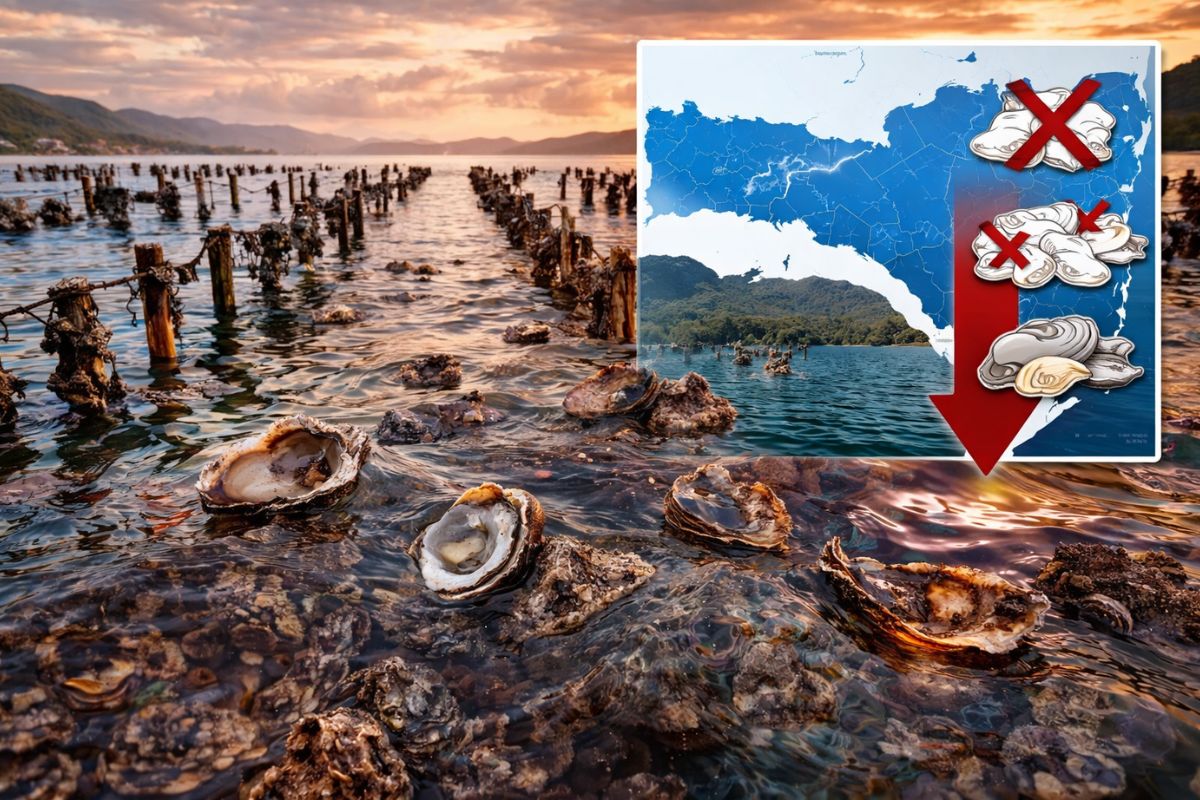
The sea water temperature rose from 28 to 34 degrees in Santa Catarina and killed up to 90% of the oysters: producers who planted over 1 million seeds lost practically everything and say that if it happens again, production is doomed to end.
-
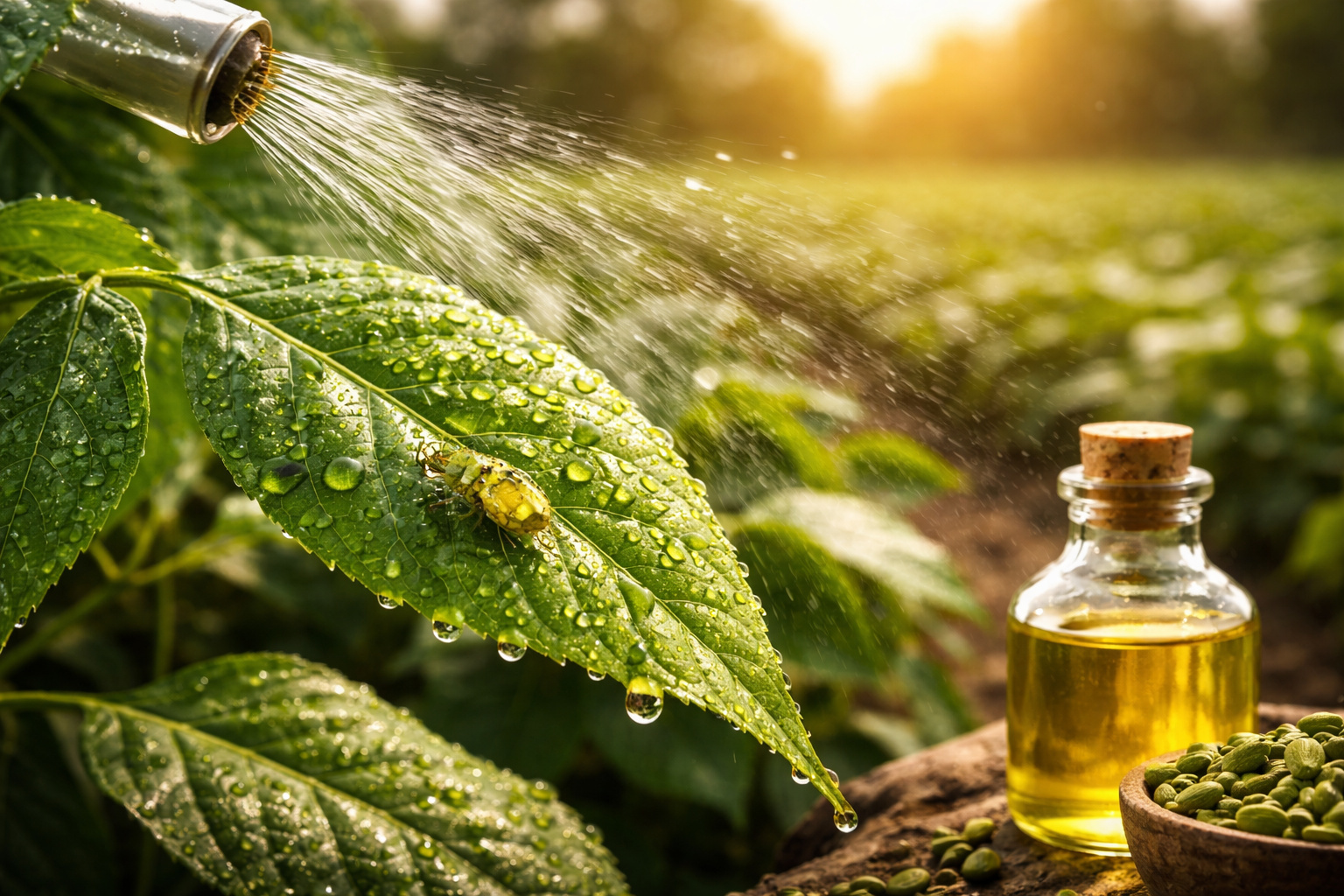
An Indian tree that grows in the Brazilian Northeast produces an oil capable of acting against more than 200 species of pests and interrupting the insect cycle, gaining ground as a natural alternative in soybean, cotton, and vegetable crops.
-
The rise in oil prices in the Middle East is already affecting Brazilian sugar: mills in the Central-South are seeing their margins shrink just as ethanol gains strength.


The appreciation of coffee, the strengthening of the soybean complex, the sugar and alcohol sector, meat, and forest products reinforce the state’s strategic role in the global supply of food and agricultural commodities.
In addition, the entry of 15 new buying countries expanded the international presence of mining goods, bringing more stability and reducing risks linked to geographic concentration.
Mining Coffee Exports Increase Global Participation
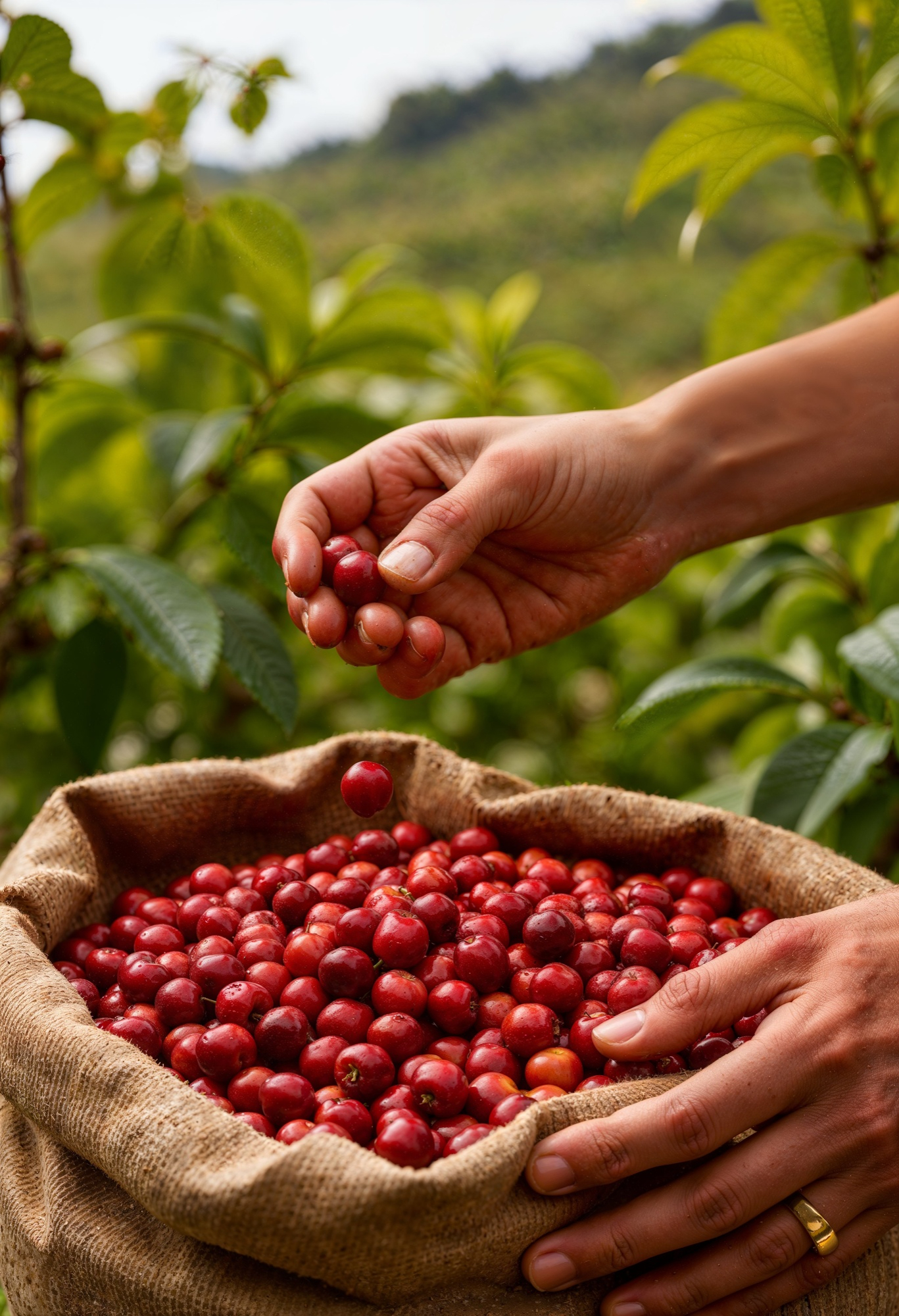
Coffee remains the flagship product of mining agriculture, sustaining more than half of the total revenue of the sector during the analyzed period.
From January to October 2025, the product recorded US$ 8.9 billion in exports, equivalent to about 22 million sacks shipped abroad.
The appreciation of international prices, driven by lower global supply and increased consumption, reinforced the competitiveness of the mining grain, which alone represents approximately 70% of Brazilian sales of this commodity.
This performance consolidated the state’s leadership and helped maintain the pace of shipments even with fluctuations in some traditional destinations, placing coffee at the center of commercial expansion strategies that reached Europe, Asia, South America, and the Middle East.
New International Markets of Mining Agriculture Expand Reach of Shipments
The search for new commercial destinations was also reflected in the last month of October when the state reached US$ 1.8 billion and 1.2 million tons shipped, registering the best result in the historical series for the month.
The evaluation by the Department of Agriculture shows that there was consistent growth in sales to various regions, offsetting the reduction in purchases of some products by the United States.
In this scenario, 15 countries started importing mining items, including Bosnia, Malta, Tonga, Mongolia, and Botswana.
This movement increased the range of buyers and reinforced diversification strategies that gained traction in state planning.
The expansion of markets strengthened the competitiveness of the sector and contributed to maintaining revenue growth, even with occasional drops in the volume of some segments.
Diversification of Agricultural Exports and Data from the Agriculture Sector of Minas Gerais Show Dynamics
In addition to coffee, other segments of mining agriculture showed relevant results during the period.
The soybean complex recorded US$ 2.8 billion in revenue with almost 7 million tons shipped, despite approximate declines of 13% in revenue and 4% in volume.
The sugar and alcohol sector, on the other hand, accounted for 3.9 million tons shipped abroad, totaling US$ 1.7 billion, with a decline of 19.8% in revenue and 10.9% in quantity.
The meat sector reached US$ 1.5 billion and 419 thousand tons, representing a 7% increase compared to the same period in 2024.
Forest products: pulp, wood, and paper, generated about US$ 814 million, with 1.4 million tons and a slight retraction of 0.8% in volume.
The numbers reinforce that the breadth of the export list has been essential in minimizing sectoral impacts and ensuring stability in the flow of mining shipments.
The progress made throughout the year demonstrates how mining agriculture has responded to fluctuations in the international market through diversification, consolidation of new buyers, and appreciation of traditional products.








Seja o primeiro a reagir!