





 English
  Francês
  Alemão
  Italiano
  Japonês
  Norueguês
  Portuguese
  Spanish
  2 min of reading



Paraná, Goiás, and Mato Grosso Are the States That Expanded the Most with Agribusiness and Job Generation
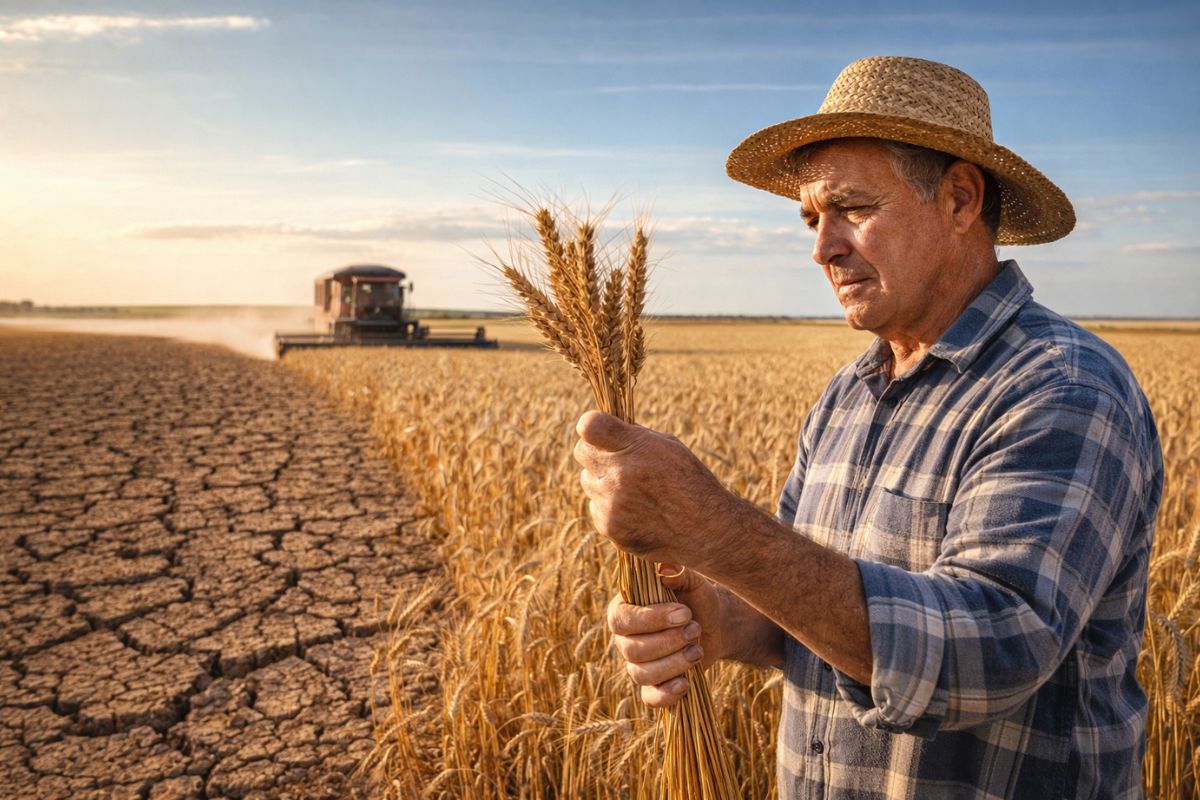
The agribusiness sector, while not a major job creator like the business and services industries, is a sector that drives the municipalities in the countryside of the country, in the economy and in the generation of new jobs. The three states that expanded the most in the sector were Paraná, Goiás, and Mato Grosso.
Check Out Other News of the Day:
- Multinational NOV Hires Electronic Technician, Analyst, and More for Rio de Janeiro
- Leader Ocyan Hires for Macaé and Rio de Janeiro, Welder and Analyst, on This Day 23
- Braskem, Active in the Chemical and Petrochemical Sector, Hires for Many Job Vacancies in RJ, SP, BA, AL, and RS
Fabio Bentes, Chief Economist of the National Confederation of Trade in Goods, Services, and Tourism (CNC), conducted a study among the 100 cities that created the most formal jobs this year up to September; 26 are located in three states, and these two states also increased agricultural income in the 2019/2020 harvest.
First, there are 11 cities in Paraná, followed by Goiás with 9 and Mato Grosso with 6 municipalities. It is important to highlight that, according to a study by MacroSector Consultores, Paraná is the state with the highest increase in cereal revenue this year (53.8%), followed by Goiás (36.3%) and Mato Grosso (33.2%).
-
While Russia dominates the global wheat market, Brazil emerges as an unexpected competitor in the Cerrado, offering grain available in July and August when stocks in the Northern Hemisphere are at their lowest point of the year.

-
China returned almost 20 Brazilian ships with soybeans, but now everything could change: the country that buys 80% of the grain is considering relaxing regulations after impurities held up shipments of thousands of tons and caused million-dollar losses.

-
Chinese giant worth nearly R$ 4 billion that manufactures cables for electric cars, solar energy, and robotics wants to open a factory in SC.

-
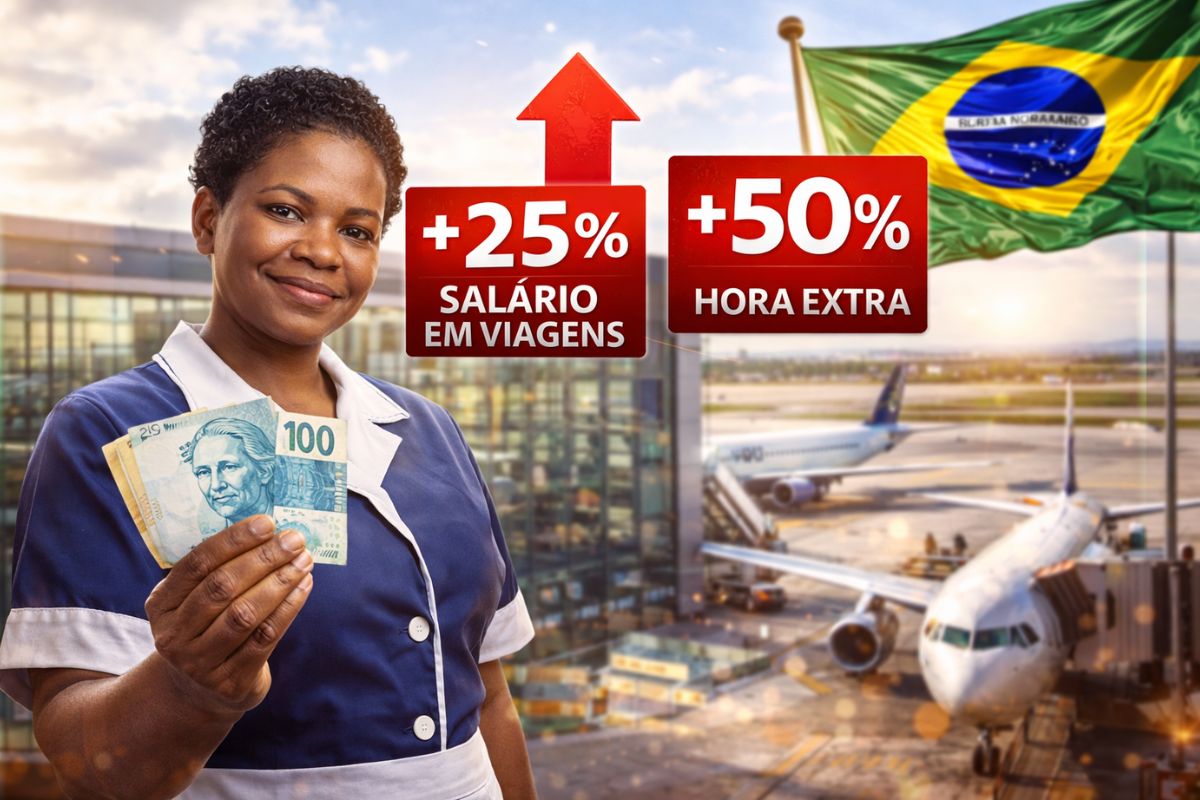
Many employers do not know, but the law guarantees domestic workers a 25% increase in salary during trips, 50% for overtime, 20% for night shifts, and 17 additional benefits that can lead to labor lawsuits if not paid.
To reach this result, Bentes considered the number of official employees in each city through the “Annual List of Social Information” from the Ministry of Economy, and compared this information with the microdata from the “General Employment and Unemployment Register” up to September. These three states accounted for 14% of the country’s full-time workers, and this proportion increased to 26% of the 100 cities with the most jobs this year.
Fábio also shows that there is no capital in the 100 most dynamic cities in the activities of the sector, “This reveals that the Brazilian economy, today, depends more than ever on agribusiness to avoid an even worse performance.”







Seja o primeiro a reagir!