





 Portuguese
  English
  Spanish
  2 min of reading
  0 comments


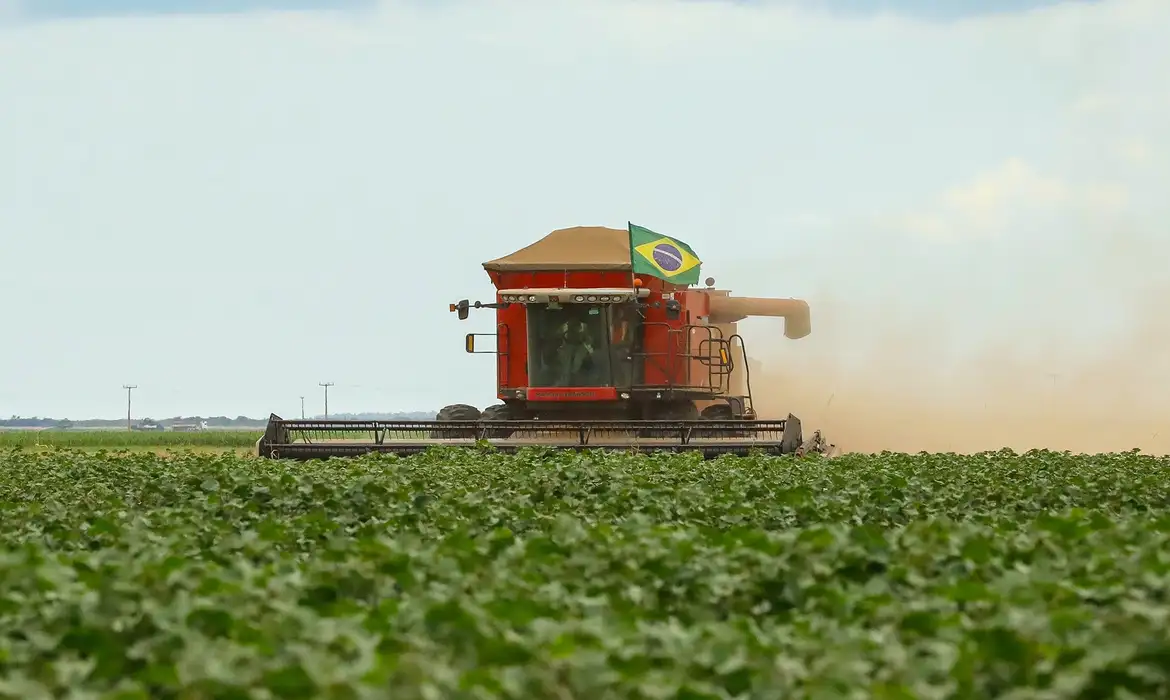
The Brazilian Agriculture Sector Will Be A Key Player In Economic Growth In The First Quarter Of 2024. With Significant Harvest Results, Advances In Exports, And High Productivity, The Sector Is Expected To Boost GDP
The agriculture sector is expected to be one of the engines of growth for the Gross Domestic Product (GDP) in Brazil in the first quarter of 2025.
With an estimated harvest of 330 million tons of grains, the sector promises significant results and a positive impact on the economy.
Strong Harvest And Attractive Prices
The forecast for the 2024/25 harvest is encouraging. Production is expected to reach a high volume, particularly for grains such as corn, soybeans, and wheat.
-
While Russia dominates the global wheat market, Brazil emerges as an unexpected competitor in the Cerrado, offering grain available in July and August when stocks in the Northern Hemisphere are at their lowest point of the year.

-
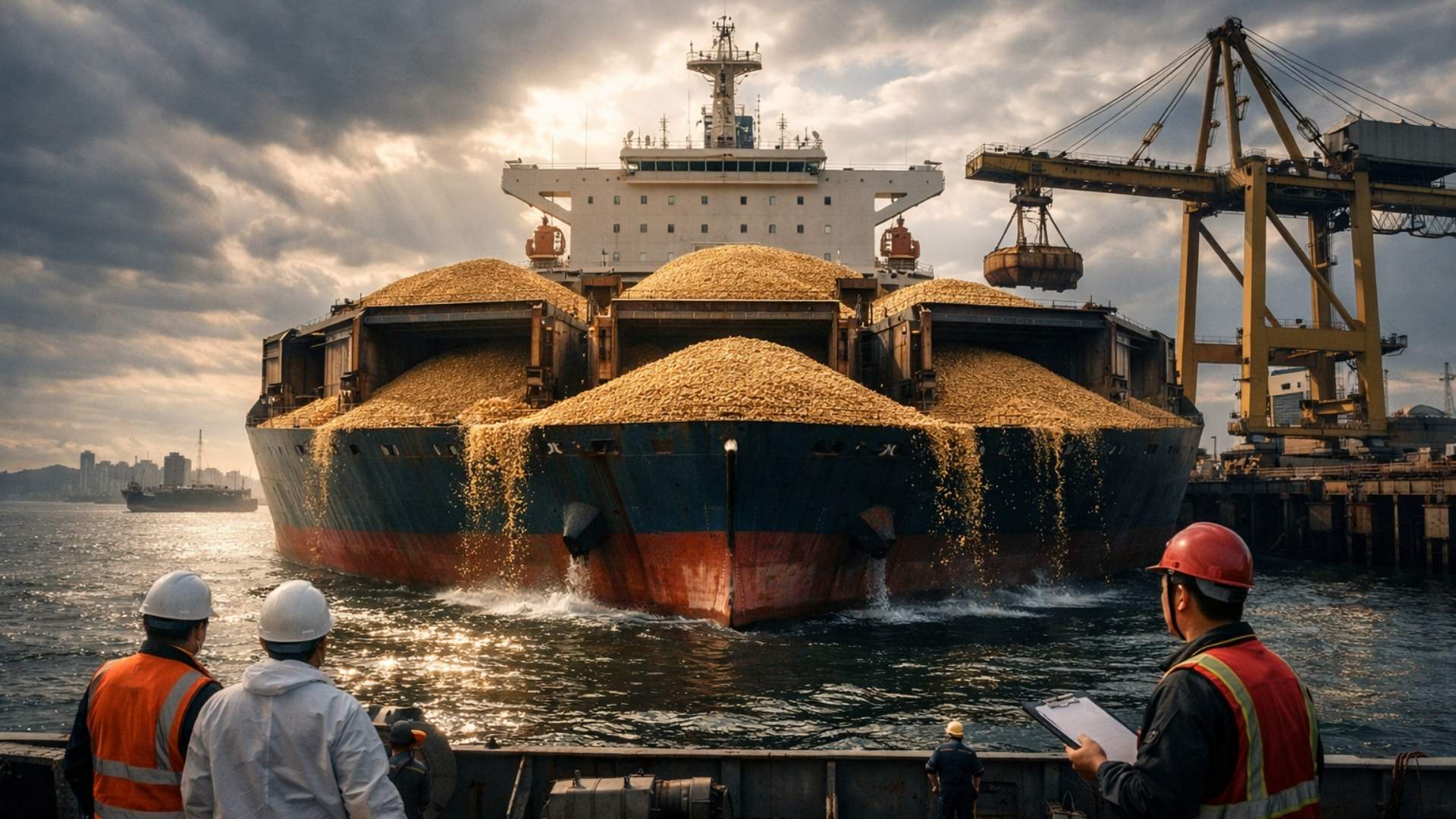
China returned almost 20 Brazilian ships with soybeans, but now everything could change: the country that buys 80% of the grain is considering relaxing regulations after impurities held up shipments of thousands of tons and caused million-dollar losses.
-
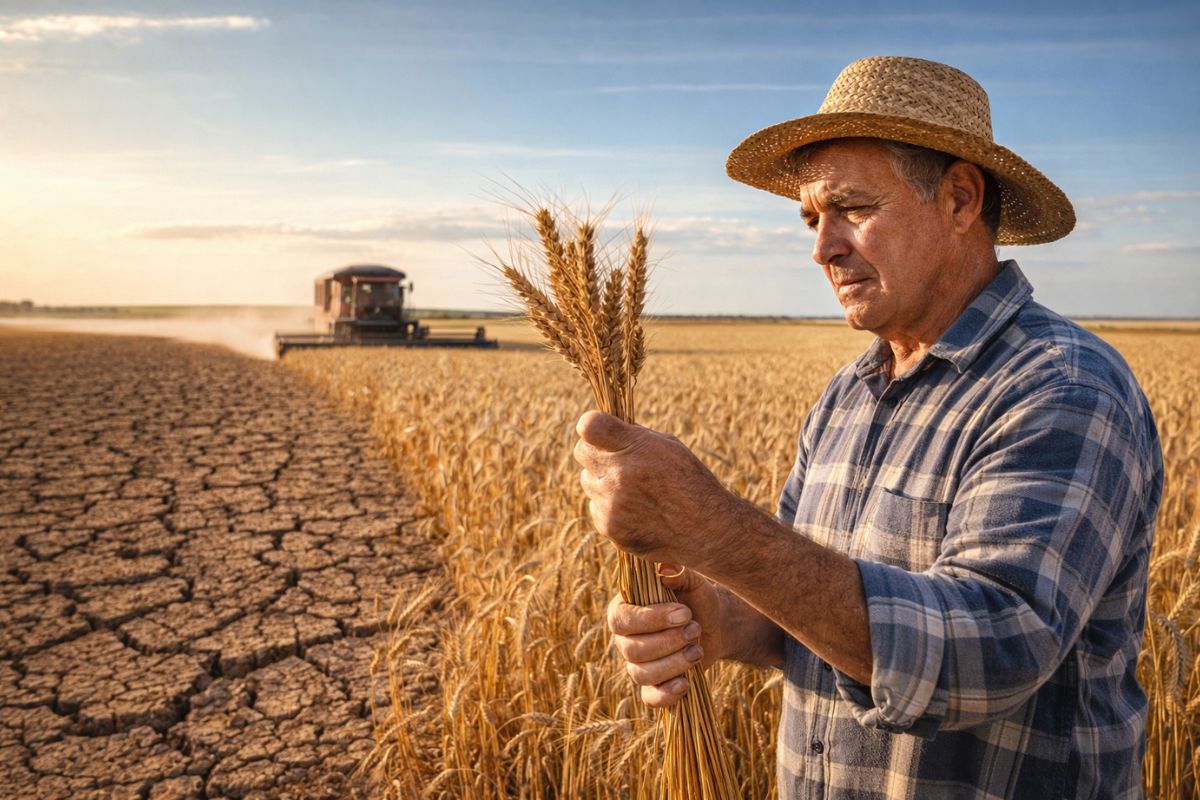
The drought of the cerrado was considered an enemy of wheat, but Brazilian scientists turned the lack of rain into a competitive advantage by creating a grain with quality that is already attracting the attention of international mills around the world.
-
THE OWNER of Brazil: a farmer who came from laundries, created an ’empire’ and today runs a company valued at R$ 42 billion after tripling its value in less than a year and receiving a billion-dollar investment from the USA.


Products in global scarcity, such as coffee, orange, cocoa, and some meats, are also showing good prices in the international market.
Additionally, the costs to implement the harvest have been reasonable. This opens up space for profit margins ranging from normal to very good. The scenario favors well-structured producers and reinforces Brazilian competitiveness.
More Controlled Food Inflation
With this good performance, a relief in food inflation is expected, which should hover around 6%.
While still a considerable figure, it is well below the levels seen in years of crop failure, such as the previous year.
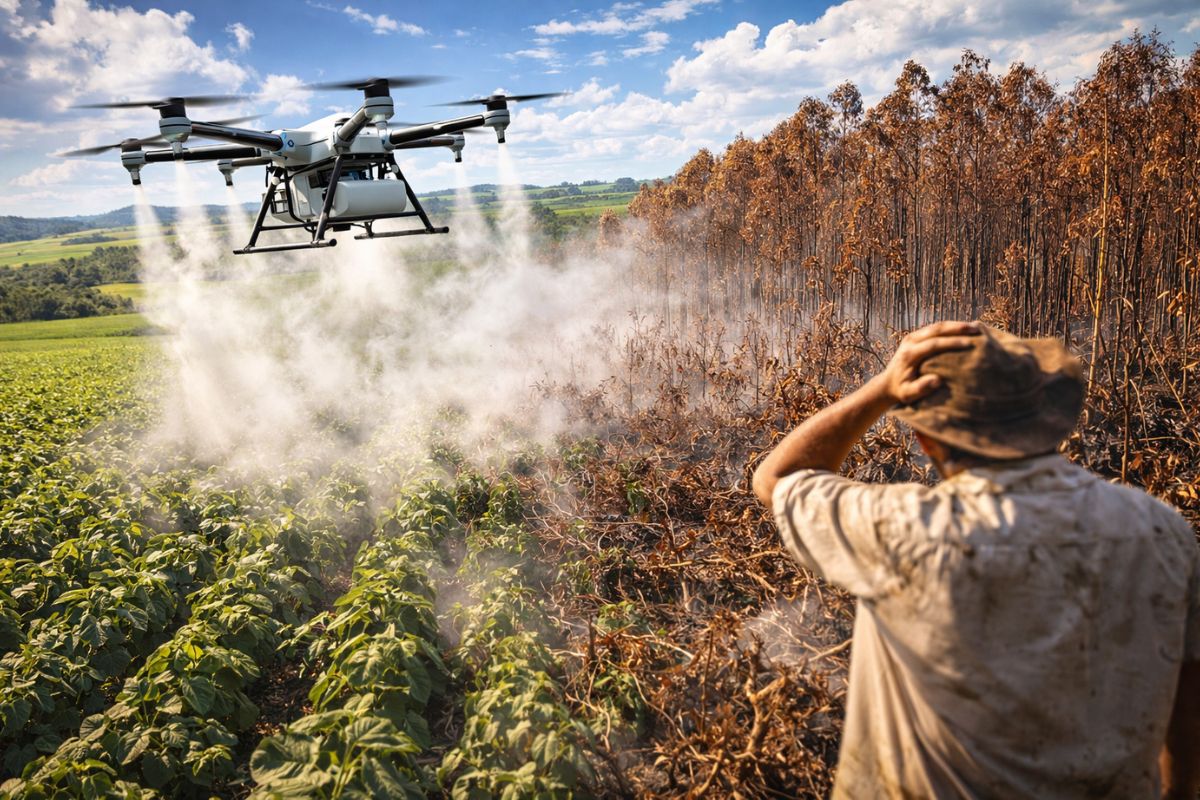
The 2024 cycle brought hard lessons. Drought and monetary tightening affected highly leveraged producers. The risks of operating in countries with high interest rates and economic instability have become clear.
Today, this warning is accepted by all market participants.
The federal government’s bet is that, with the increase in agricultural production, food prices will decrease, resulting in greater popular approval.
Opportunities In Foreign Trade
The trade war between major economies may open new opportunities for Brazil. Barriers to American products in other markets may favor the export of Brazilian food.
The country has already expanded its presence in traditional markets, such as sugar, cotton, and meats.
Furthermore, it has gained traction in new sectors and markets, both abroad and in domestic consumption, with products like fruits, seafood, peanuts, honey, and wines.









-

Uma pessoa reagiu a isso.