





 Portuguese
  English
  Spanish
 3 min of reading
  0 comments


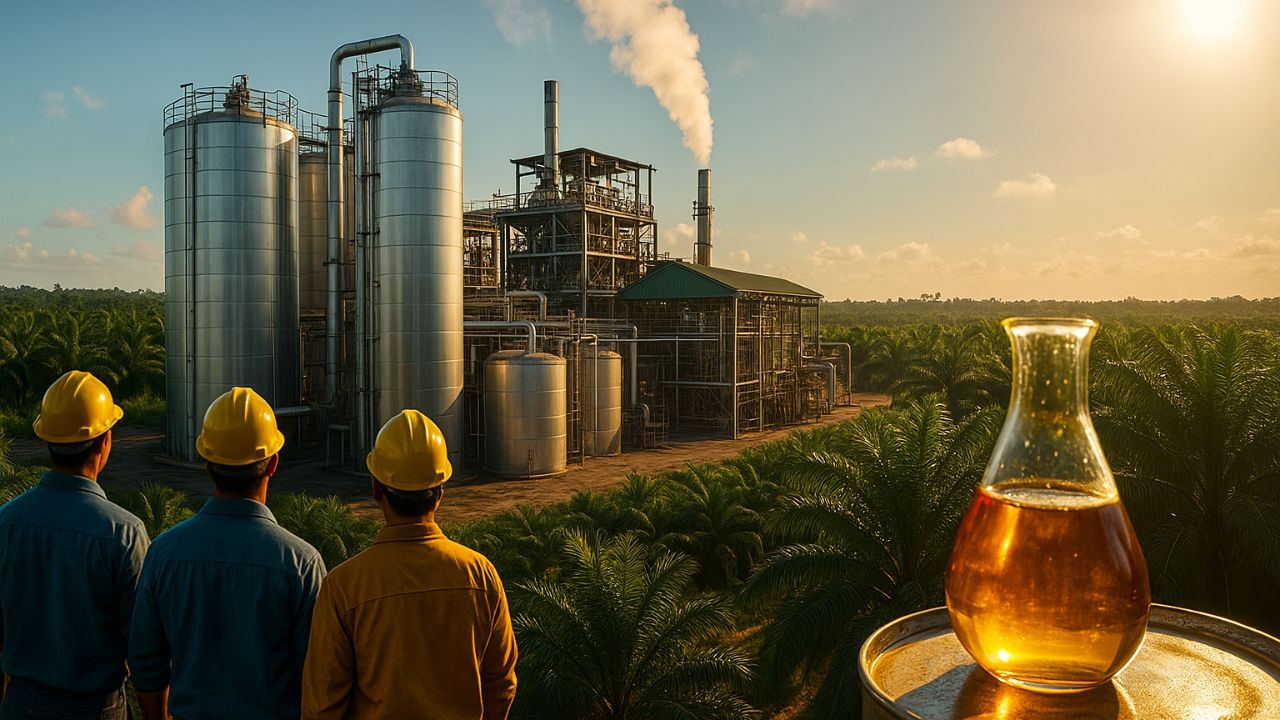
With New Plant in Pará, Agropalma Revolutionizes the Biofuel Market and Reinforces the Use of Palm as a Source of Renewable Energy.
Agropalma announced on Tuesday (11/05/2021) the resumption of its biodiesel production in Pará, marking a new cycle of investments for the company after 15 years away from the segment.
The new industrial plant, located in the capital of Pará, will be the first in the state to operate with 100% enzymatic reaction, an advancement that eliminates the use of chemical products and transforms oily waste into clean, reusable raw materials.
New Plant Reinforces Agropalma’s Commitment to Biofuels
With authorized capacity by the National Agency of Petroleum (ANP) to produce up to 36 thousand m³ of biodiesel per year, Agropalma intends to start operations with 19 thousand m³ annually, mainly aimed at meeting the growing demand of the local market.
-
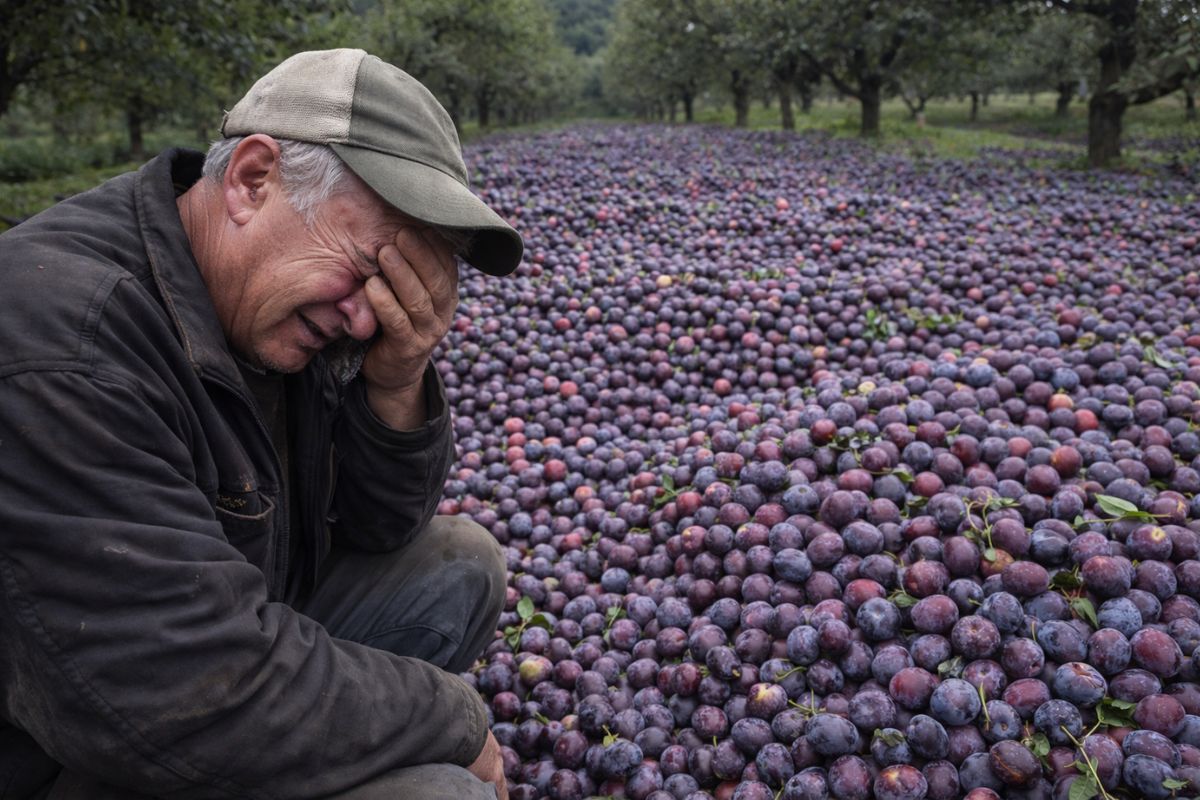
A rural producer from Urubici cries as he shows 50 tons of plums thrown on the ground because no one wanted to buy them, and in desperation, he records a video asking anyone to come to the property to pick the fruits before they rot.
-
Unable to pass through Hormuz, Brazil activated a plan B that uses Turkey as a gateway to the Middle East: the route through Gibraltar and the Mediterranean is longer and more expensive but ensures that chicken, beef, and corn continue to reach Arab markets.

-
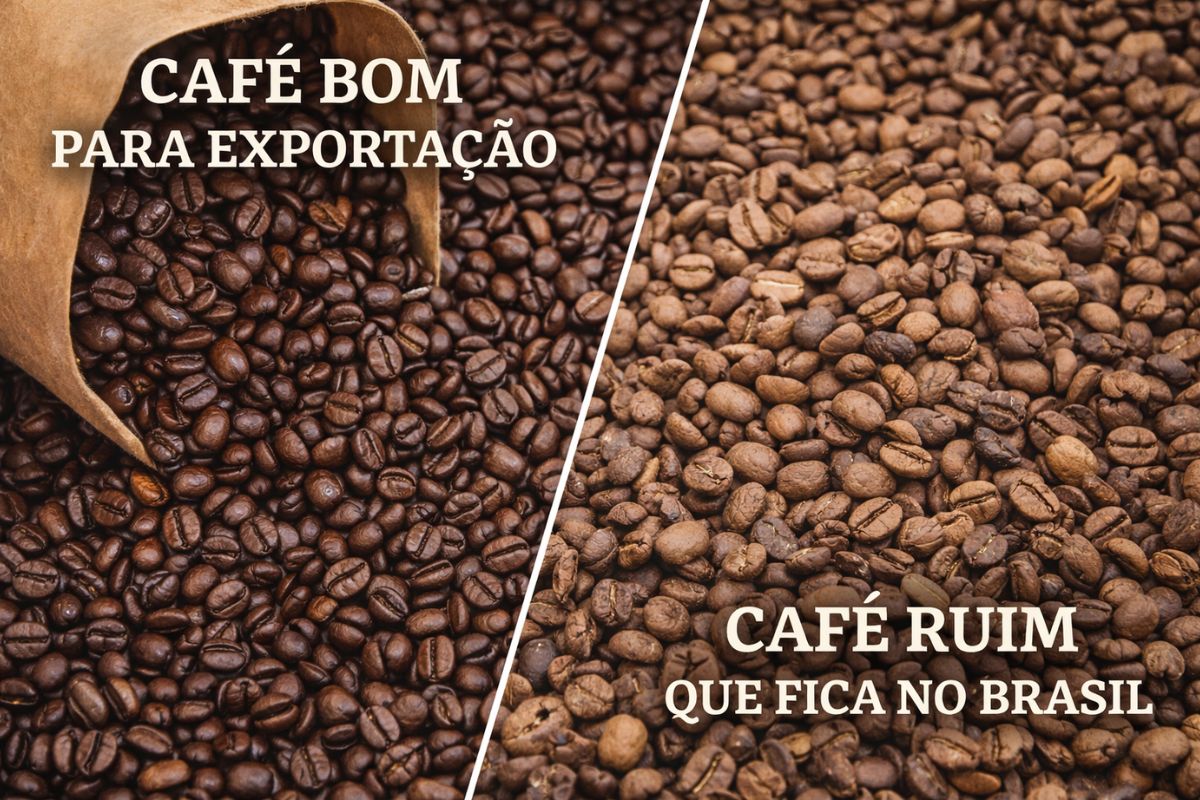
You grew up hearing that the good coffee from Brazil goes all abroad and the bad coffee stays for Brazilians, but this story has completely changed, and the numbers show that in the 1980s, thirty percent of the coffee sold here was adulterated with corn and barley.
-
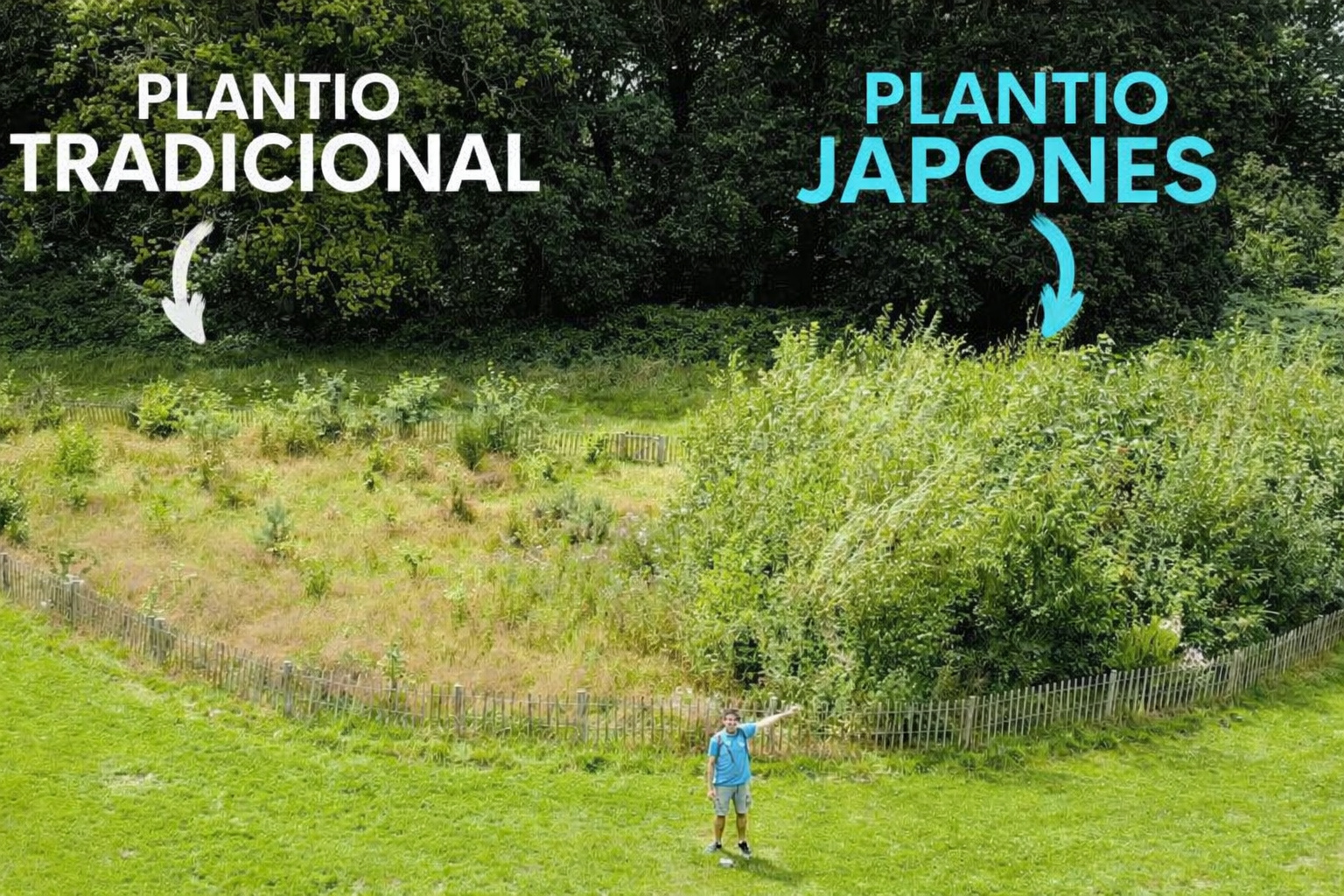
Engineer creates reforestation method that transforms small plots into dense forests in a few years using local biomass and can reduce environmental recovery costs.

The investment is part of the company’s strategy to consolidate Pará as a reference in the sustainable production of biofuels.
According to Agropalma, the project is a direct response to the increase in the mandatory blend of biodiesel in national diesel, which rose from 10% in 2022 to 15% this year, and is expected to reach 20% by 2030.
This regulatory change has strengthened the interest of companies in the agro and energy sectors to expand production capacity and adopt cleaner technologies.
Expansion of Biodiesel Consumption in Pará Boosts the Agro-Industrial Sector
According to the company’s projections, the consumption of biodiesel in the state is expected to grow by 50% in the next five years, jumping from 448 million to 674 million liters annually.
The increase reflects not only the advancement of the local agribusiness but also the efforts of authorities to encourage the use of renewable sources and reduce dependence on fossil fuels.
“We are very pleased to return to the biodiesel sector at a time when there is direction and growth in this field,” said André Gasparini, Commercial, Marketing, and R&D Director of Agropalma.
According to him, technological advancement and regulatory clarity were decisive factors for the investment.
Sustainable Production and Emission Reduction
Agropalma’s plant will utilize waste from its own palm oil extraction and refining process, such as fatty acids and lagoon oils.
This practice, in addition to reducing costs, reinforces the company’s commitment to sustainability and the circular economy within the agro-industrial sector.
According to the company’s estimates, the use of these by-products will allow for a reduction of about 39 thousand tons of CO₂ per year, equivalent to removing 19.7 thousand cars from the roads.
The 100% enzymatic process eliminates the need for chemical reagents, making palm biodiesel one of the cleanest in the country.
“Biodiesel enables the recycling of waste on an industrial scale and generates clean fuel, contributing to the region’s development,” emphasized Fabrício Menezes de Souza, coordinator of the new unit, in an official statement.
Enzymatic Technology and Innovation in the Biofuels Sector
The technology adopted by Agropalma represents a milestone for the biofuels industry in Brazil.
The enzymatic reaction process uses biological catalysts instead of chemicals, allowing for better utilization of raw materials and less waste generation.
Additionally, this innovation ensures greater energy efficiency and a higher quality final product.
With the new plant, Agropalma solidifies itself as a reference in sustainable palm use, one of the most productive crops in terms of vegetable oil per hectare.
The company thus reaffirms its commitment to a production model aligned with energy transition and environmental preservation, central pillars of the agro sector’s development in the country.
Perspectives for the Future of Biodiesel in Brazil
Agropalma’s resumption occurs at a strategic moment for the national biofuels market, which is experiencing a recovery cycle driven by public policies and growing demand for clean energy.
The government’s goal of reaching a 20% blend of biodiesel by 2030 is expected to mobilize billions in investments and create new jobs in agriculture and industry.
With the Belém plant fully operational, Pará takes center stage in the production of palm biodiesel, strengthening the regional economy and positioning the state as a national reference in sustainable energy.









Seja o primeiro a reagir!