





 Portuguese
  English
  Spanish
  4 min of reading
  0 comments


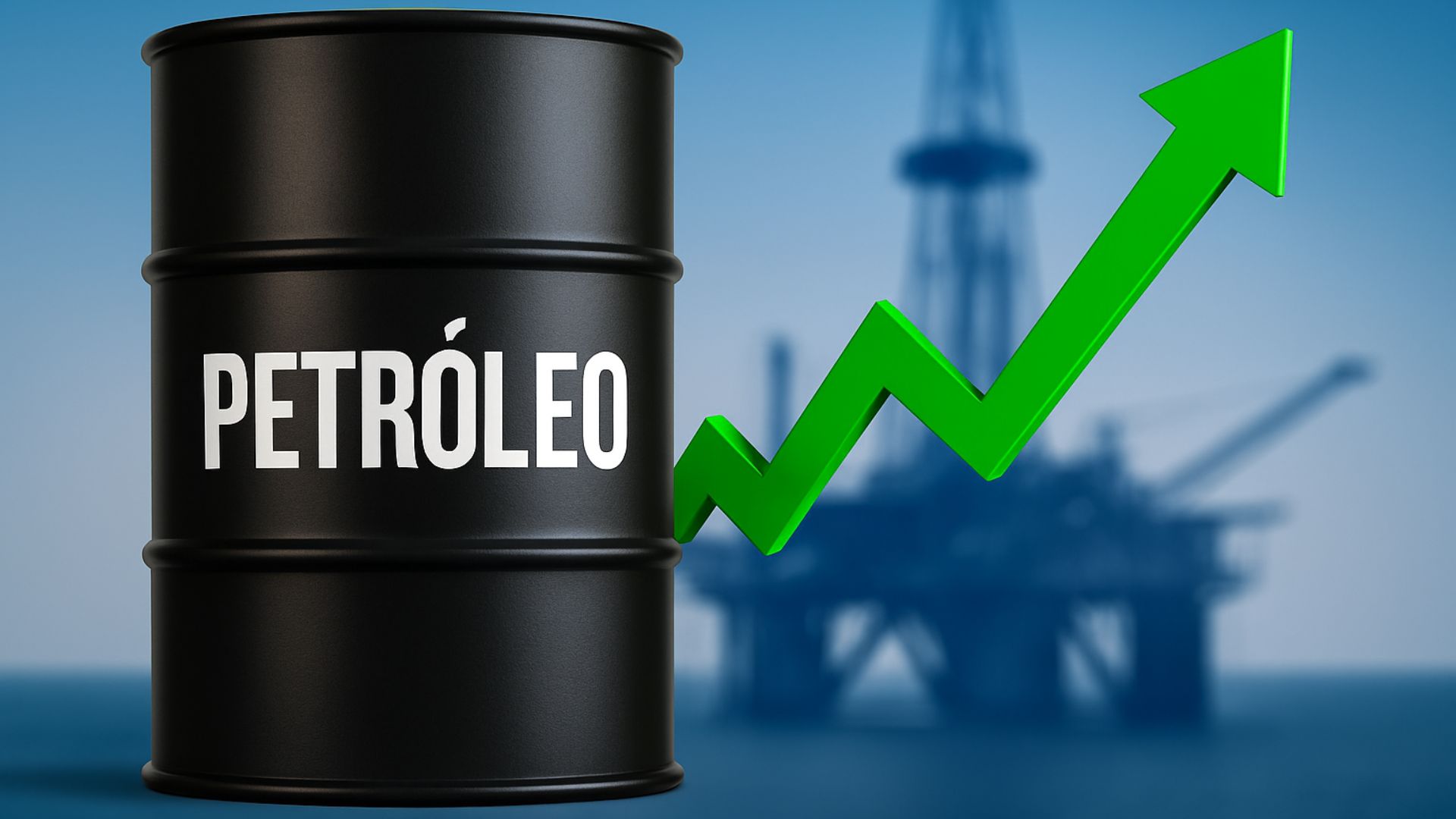
The International Energy Agency (IEA) Projects Significant Increase in Global Oil Production in 2025, Driven by the Expansion of OPEC+, with Possible Direct Effects on Energy Prices and Global Market Balance
The International Energy Agency (IEA) released its monthly report on the global oil market on October 14, 2025, bringing a relevant warning for investors, governments, and consumers: global oil supply is expected to grow at a faster pace than anticipated, driven by the expansion of OPEC+. According to a report published on investing.com, this movement could generate a significant surplus and cause direct impacts on energy prices worldwide.
Expansion of OPEC+ and the Role of the IEA in Monitoring the Market
Global production is expected to increase by 3 million barrels per day (bpd) in 2025, reaching 106.1 million bpd, surpassing the previous estimate of 2.7 million. For 2026, the forecast indicates an additional increase of 2.4 million bpd, which may intensify the imbalance between supply and demand.
The expansion of OPEC+ is identified by the IEA as the main driver of supply growth. Countries like Saudi Arabia, the United Arab Emirates, and Russia are expanding their production capacities, investing in infrastructure and technology for oil extraction.
-
Offshore industrial demand in Macaé surges with the recovery of oil and gas and could grow by up to 396% by 2026 in the Campos Basin.
-
Brazilian giant expands borders in the Southeast: Petrobras confirms new oil discovery in ultra-deep waters in the pre-salt of the Campos Basin.

-
Alert in the global energy market: Severe tropical cyclone hits the coast and disrupts gas production at major plants in Australia, threatening global supply.

-
Petrobras finds high-quality oil in the pre-salt at 113 km from RJ and reignites expectations about strategic reserves in the Campos Basin.


In addition, the resumption of projects previously suspended during the pandemic and increased operational efficiency are contributing to this scenario. The International Energy Agency has reinforced its role as a reliable source of data and projections, serving as a reference for strategic decisions in the energy sector.
IEA Warns: Risk of Surplus and Imbalance in the Oil Market
With supply growing faster than demand, the risk of surplus becomes a central concern. The IEA warns that this excess could put downward pressure on prices, affecting the profitability of producers and generating instability in financial markets.
In 2025, global demand is expected to grow by only 700,000 bpd, while supply will increase by 2.1 million bpd. This disparity could lead to high stock levels and the need for production cuts to avoid sharp price drops. The oversupply could cause volatility in energy prices, directly impacting consumers and businesses worldwide.
Impact on Energy Prices and the Global Economy
Energy prices are directly influenced by the dynamics between oil supply and demand. With the risk of surplus, prices may fall, benefiting consumers and energy-intensive sectors such as transportation and industry.
On the other hand, producing countries may face economic challenges, especially those whose revenue heavily relies on oil exports. Price volatility may also affect investments in renewable energy, which compete with oil in terms of cost-effectiveness.
The IEA highlights that although the market is tight in the short term due to seasonal demand, the medium-term trend points toward a possible decrease in energy prices unless production adjustments are made.
Updated Data from the International Energy Agency
Check out the main numbers released by the International Energy Agency:
| Indicator | Estimated Value for 2025 |
| Global Oil Production | 106.1 million bpd |
| Supply Growth | +3 million bpd |
| Demand Growth | +700,000 bpd |
| Forecast for 2026 | +2.4 million bpd in supply |
This data reinforces the need for attention to the balance between production and consumption, especially in light of the expansion of OPEC+ and its effects on the market.
IEA and the Challenges of Energy Transition
Although the increase in supply may bring short-term economic benefits, there are relevant environmental concerns. The expansion of oil production may hinder energy transition efforts and compromise global climate goals.
The IEA has emphasized the importance of balancing supply growth with investments in renewable sources, such as solar and wind. Prolonged dependence on oil may delay the decarbonization of the global energy matrix, especially in developing countries.
Furthermore, the surplus may reduce the incentive for adopting clean technologies, as cheap oil tends to be more competitive in the short term.
Strategies to Mitigate the Effects of OPEC+ Expansion
In light of the IEA’s warning, governments and companies should consider strategies to mitigate the risks:
- Diversification of the energy matrix, focusing on clean sources.
- Constant market monitoring, to adjust production according to demand.
- Encouragement of energy efficiency, reducing consumption in key sectors.
- Investment in technology, to make production more sustainable.
- Public policies that encourage energy transition, even in scenarios of abundant oil.
These actions can help balance the impacts of the expansion of OPEC+ and ensure greater stability in energy prices.

Future Prospects for the Oil Market According to the IEA
The analysis from the International Energy Agency delivers a clear message: the global oil supply is growing at a rapid pace, driven by the expansion of OPEC+, and this may generate a surplus with significant impacts on energy prices.
It is essential for governments, companies, and consumers to pay attention to this dynamic, adopting measures that promote a balance between economic growth and environmental sustainability. The energy transition remains a global challenge, and the role of the IEA is crucial in guiding strategic decisions within this context.
The stability of the market will depend on the economic agents’ ability to adapt, the coordination among producing countries, and the implementation of policies that reconcile energy security with environmental responsibility.








Seja o primeiro a reagir!