





 Portuguese
  English
  Spanish
  4 min of reading
  0 comments



Takata Airbags Caused Deaths and Led to the Largest Recall in History, Involving Over 100 Million Cars Affected Worldwide.
The automotive industry has faced major crises over the decades, but few have had the reach and severity of the Takata Airbag Scandal. The defect, identified in millions of vehicles across various brands, not only resulted in the largest recall in history but also directly endangered the lives of drivers and passengers. To this day, families remember the consequences of a part designed to save lives that ended up turning into a bomb inside the car.
What Was the Takata Airbag Scandal
Airbags are considered one of the greatest advances in vehicle safety, capable of drastically reducing the risk of death in collisions. However, in the case of Takata, a design flaw in the airbag inflator turned this technology into a deadly risk.


The problem was with the propellant used to inflate the airbag: ammonium nitrate without stabilizing additives.
-
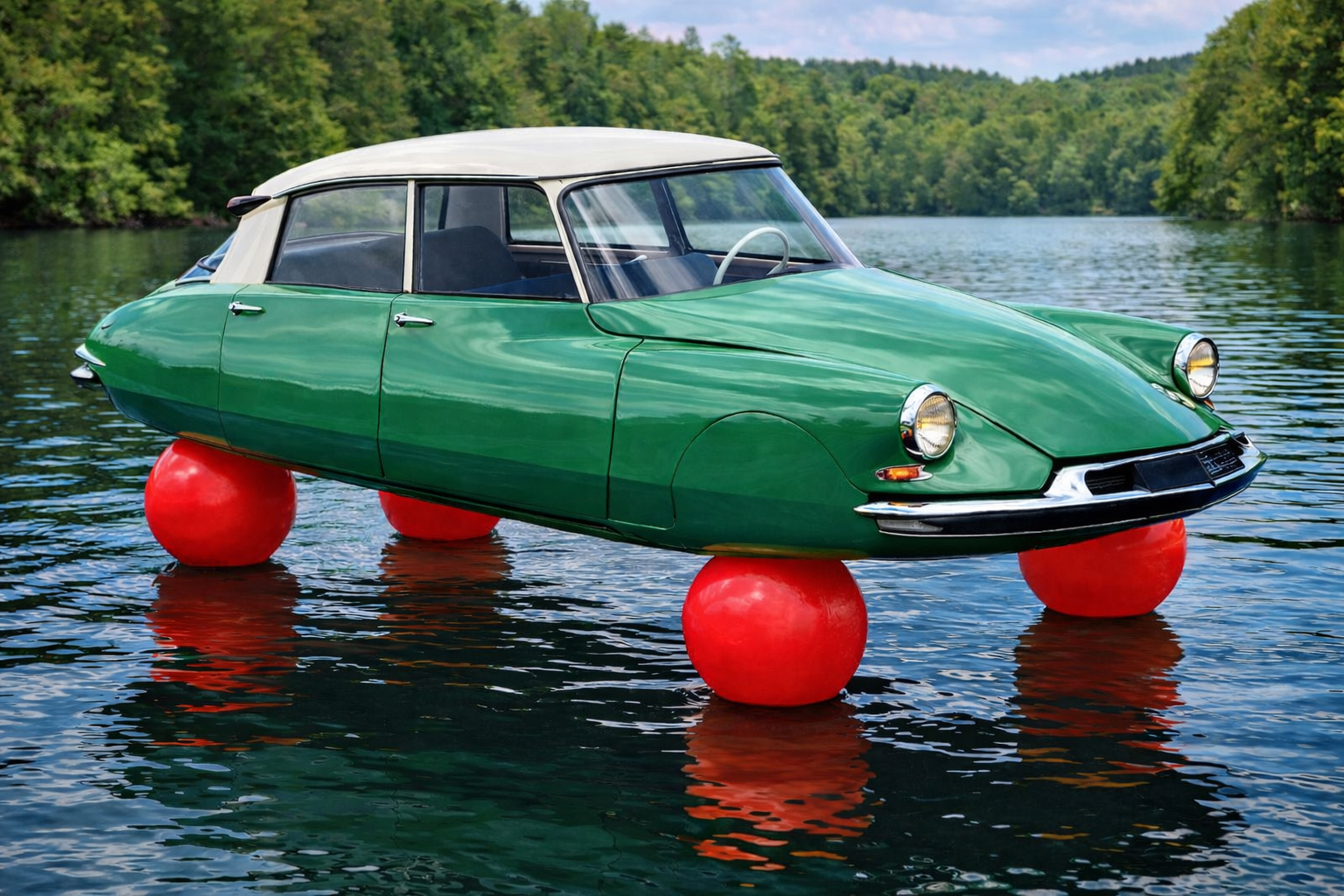
A French brand placed a car on four huge red balloons to prove that its suspension made the vehicle “float,” and the surreal scene became one of the most iconic and unusual images in automotive history.
-
Jeep Avenger begins production in Brazil, debuting as the brand’s new entry-level SUV and inaugurating an unprecedented phase by becoming the first national Jeep manufactured outside of Goiana, as part of a R$ 3 billion plan.
-
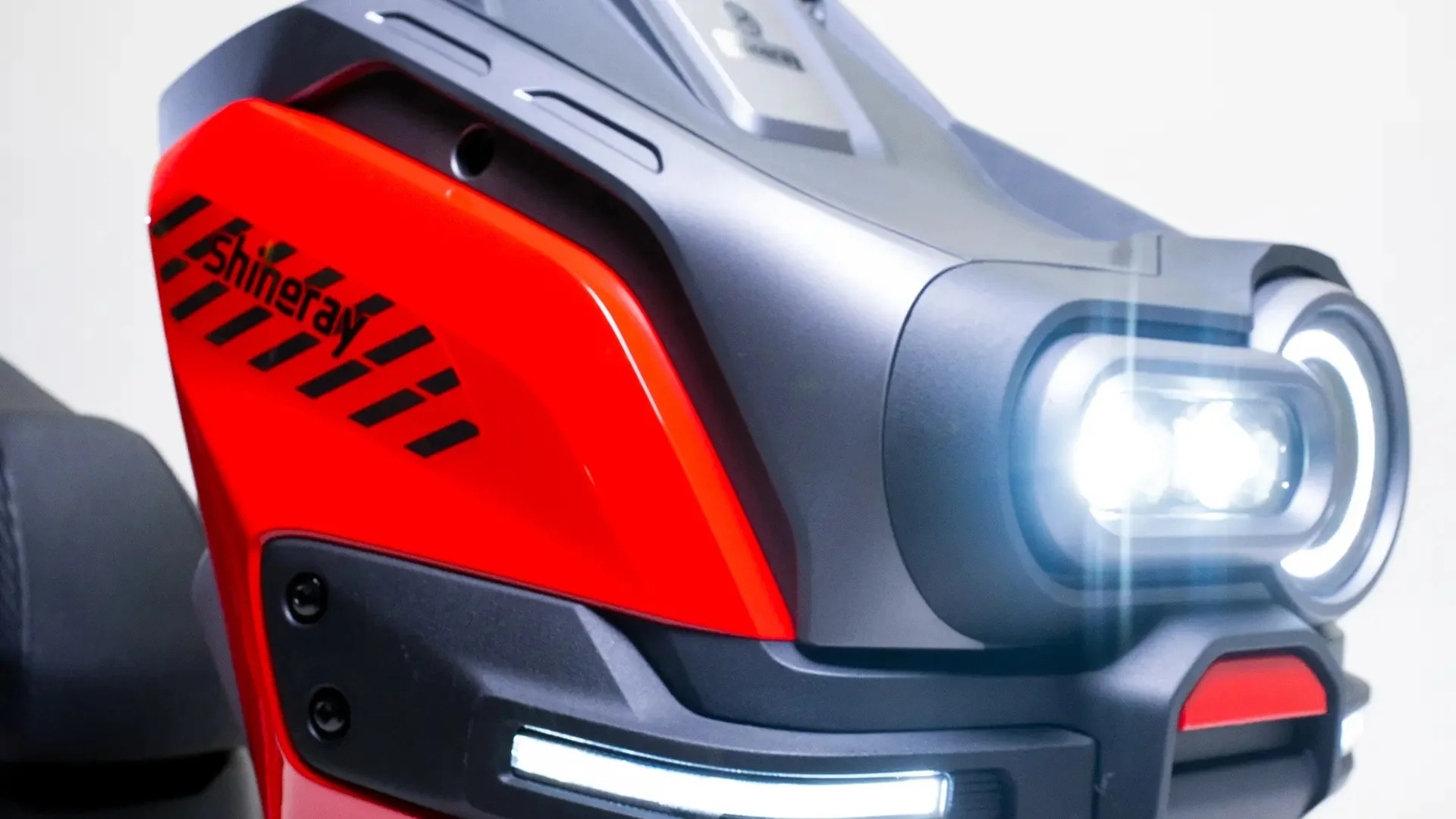
Costing R$ 12,490, the new Shineray Urban Lite 150 “cheap one” arrives in Brazil with a CVT transmission, digital dashboard, and LED lights, making it more affordable than the Biz and targeting those who want to abandon the bus.
-
Ducati brings to Brazil the Superleggera V4 Centenario: 228 hp that become 247 with a track kit, carbon fiber and carbon-ceramic brakes, estimated price between R$ 1.5 and 2 million, deliveries only in 2027.


Over time, and with exposure to heat and humidity, this compound degraded, increasing internal pressure. In accidents, the airbag explosion could be uncontrolled, breaking the metal cylinder and projecting shrapnel at the occupants.
Defective Airbags and Risks to Drivers
The greatest identified risk was metal fragments hitting drivers and passengers, in many cases causing serious or even fatal injuries.
Unlike other recalls, which involve electronic failures or mechanical problems, here the safety component transformed into a weapon inside the vehicle.
According to official reports, over 30 deaths have been confirmed worldwide due to Takata airbags, in addition to hundreds of injuries. The exact number may be even larger, as various accidents have not been fully investigated from this perspective.
The Largest Recall in Automotive History
The scandal quickly took on global proportions. It is estimated that more than 100 million defective airbags were installed in cars from various manufacturers — including giants such as Honda, Toyota, BMW, Ford, Nissan, and many others.

Only in the United States did the NHTSA (National Highway Traffic Safety Administration) classify the case as the largest automotive safety recall in history. In Brazil, thousands of vehicles were also recalled, requiring drivers to check their chassis against revision call lists.
Car Brands Affected by the Takata Recall
Among the automakers that had vehicles equipped with defective airbags were:
- Honda – one of the most affected, with millions of units of Civic, Accord, and CR-V in the recall.
- Toyota – models such as Corolla and Hilux were recalled.
- BMW – including series 3 and 5.
- Nissan, Ford, Chrysler, Subaru, and Mazda – all had part of their fleet compromised.
The reach was so vast that nearly all major global manufacturers needed to conduct recalls related to the case.
Financial Impact and Bankruptcy of Takata
The cost of the crisis was devastating. Takata, once one of the largest suppliers of automotive safety systems in the world, collapsed financially.
The total value of the recalls and compensations exceeded US$ 24 billion, leading the company to bankruptcy in 2017.
Its operations were purchased by Key Safety Systems, but the name Takata became synonymous with safety failures and poor corporate management.
Consequences for Vehicle Safety
The Takata case led to profound changes in the automotive sector:
- Greater Regulatory Rigor: traffic and safety agencies increased oversight of suppliers and required more stringent testing.
- Pressure on Manufacturers: manufacturers began to adopt stricter auditing protocols for their suppliers.
- Greater Awareness Among Drivers: the case showed that recalls are not a detail, but an obligation that can save lives.
Today, many countries maintain ongoing campaigns to locate vehicles still operating with defective airbags.
Takata Airbags in Brazil: Risk Still Present
In Brazil, manufacturers such as Honda, Toyota, and Nissan also called owners for airbag replacements. However, a persistent problem is that many vehicles are still on the road without having undergone the recall. This means that thousands of Brazilian drivers may be exposed to risk without even knowing it.
Official websites of automakers and Senatran provide tools for consultation, but low adherence shows that the problem is still not fully resolved.
The scandal of Takata airbags was not just a technical failure. It was a human, corporate, and regulatory disaster that showed how wrong decisions in pursuit of lower costs can turn into tragedies.
The largest recall in history is not over: millions of airbags continue to circulate, especially in emerging markets. For drivers, the lesson remains: checking recalls and making replacements can be the difference between life and death.










Seja o primeiro a reagir!