





 Portuguese
  English
  Spanish
  4 min of reading


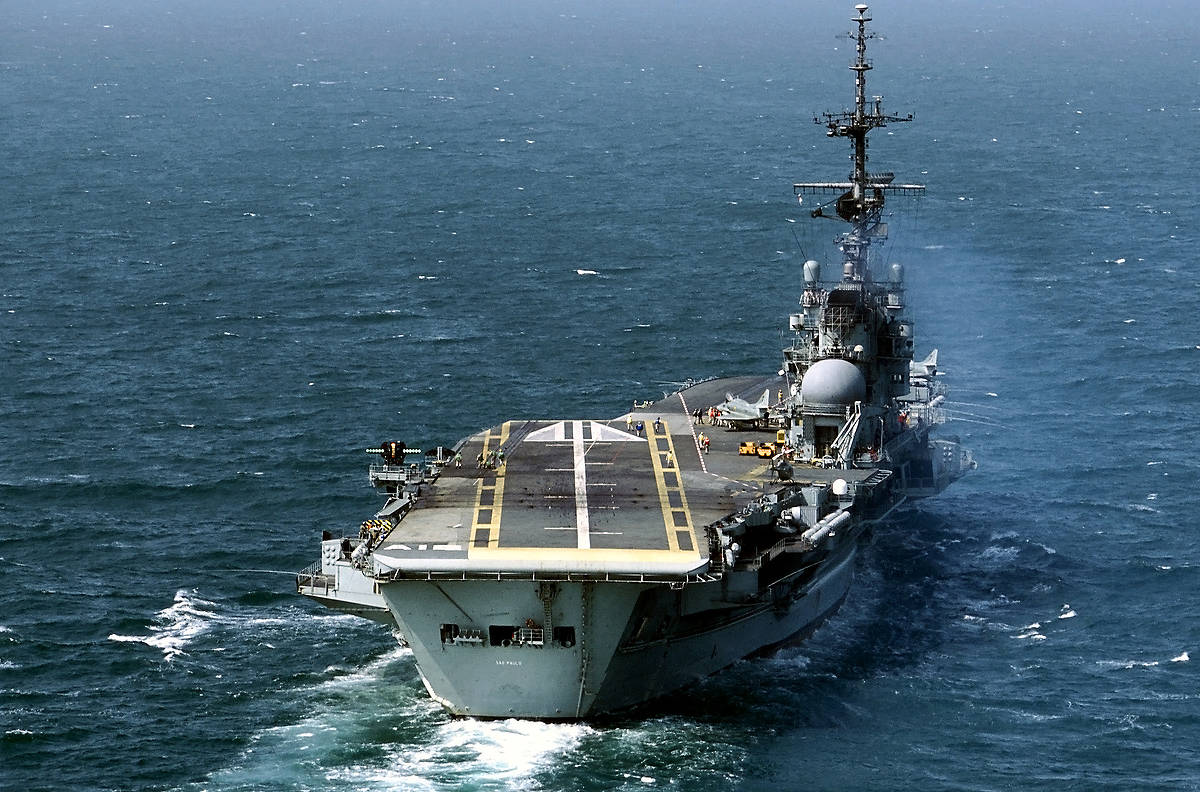
Vessel Has Been Drifting For Months Without Destination After Being Prevented From Entering Turkey And Docking In Pernambuco Due To The Sanitary And Environmental Risks It Poses.
What was supposed to be the largest war equipment of the Brazilian Armed Forces has become a major source of losses and controversies over time. The aircraft carrier São Paulo was acquired in 2000 after the government of then-president Fernando Henrique Cardoso accepted the offer of US$ 12 million from the French navy, which owned the imposing vessel. However, since then, various negative events have turned the aircraft carrier from a realized dream into a true nightmare. A real ghost ship.
The acquisition of the aircraft carrier named São Paulo aimed to modernize and strengthen the joint operations of the Navy and Brazilian Air Force. With a length of 266 meters, a beam of over 50 meters, and the ability to carry about 30,000 tons, it was considered the largest warship in the Southern Hemisphere. The vessel replaced the Minas Gerais ship, making it possible to transport double the number of aircraft: 16 fighter planes and 9 helicopters. Moreover, it had the capacity for 1,800 sailors on board.
The first three years of the vessel under the Navy’s possession were significant. At least 500 aircraft launches and various other military exercises were conducted. However, in May 2004, an explosion occurred in the vessel’s steam system, resulting in the death of 3 crew members. After this incident, a major refurbishment was arranged, during which all water, steam, and fuel circulation systems were replaced, as well as updates to the electrical system and modernization of the propulsion system, among other improvements to the defense systems.
-
With 74% of companies facing difficulties in hiring, technicians and engineers in renewable energy are becoming scarce in Brazil and are essential to support the expansion of solar, wind, and green hydrogen projects.

-
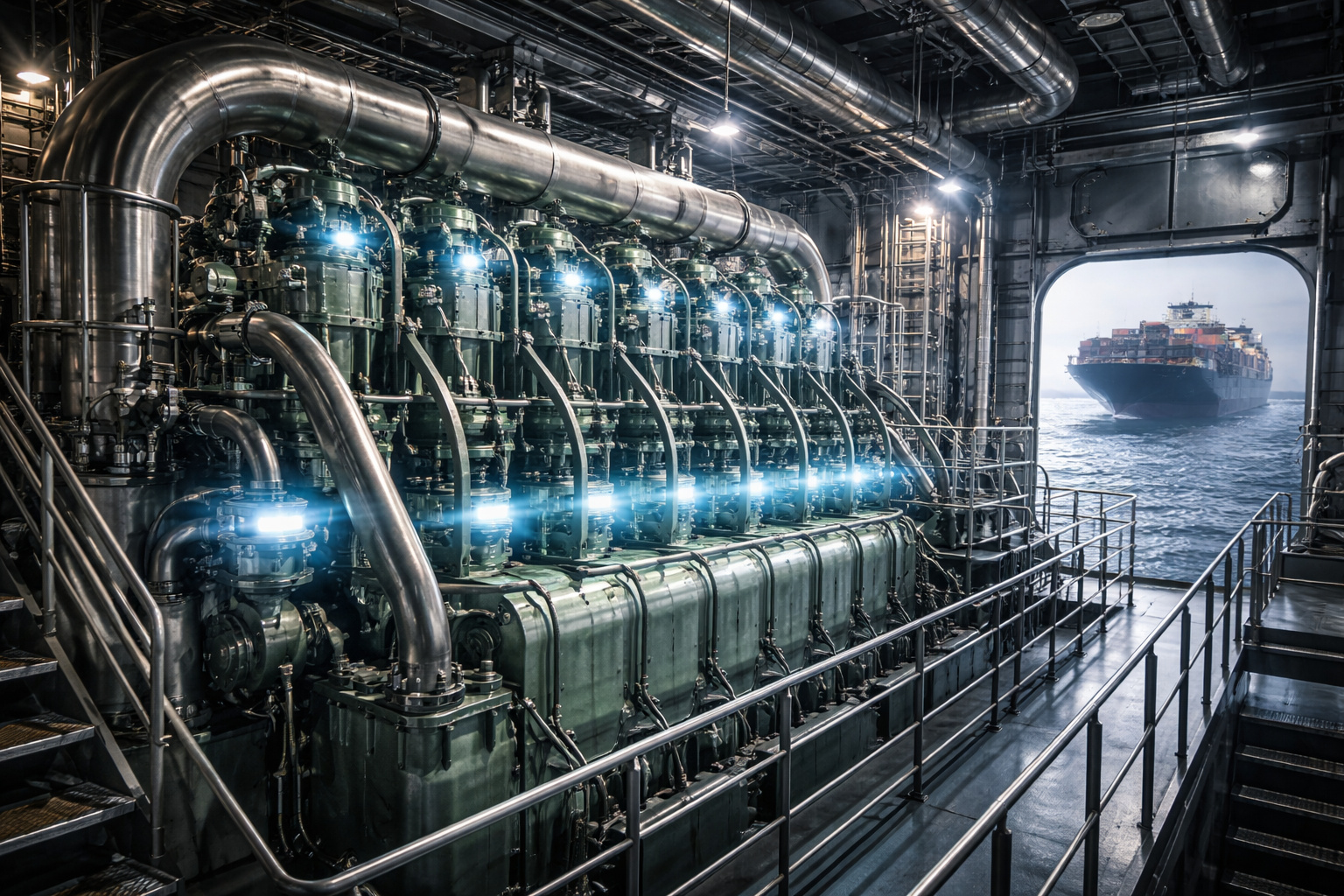
Europe is trying to create an ammonia-powered marine engine without auxiliary fuel, which could unlock the race for giant emission-free ships. The technology aims to eliminate one of the biggest obstacles to clean maritime propulsion.
-
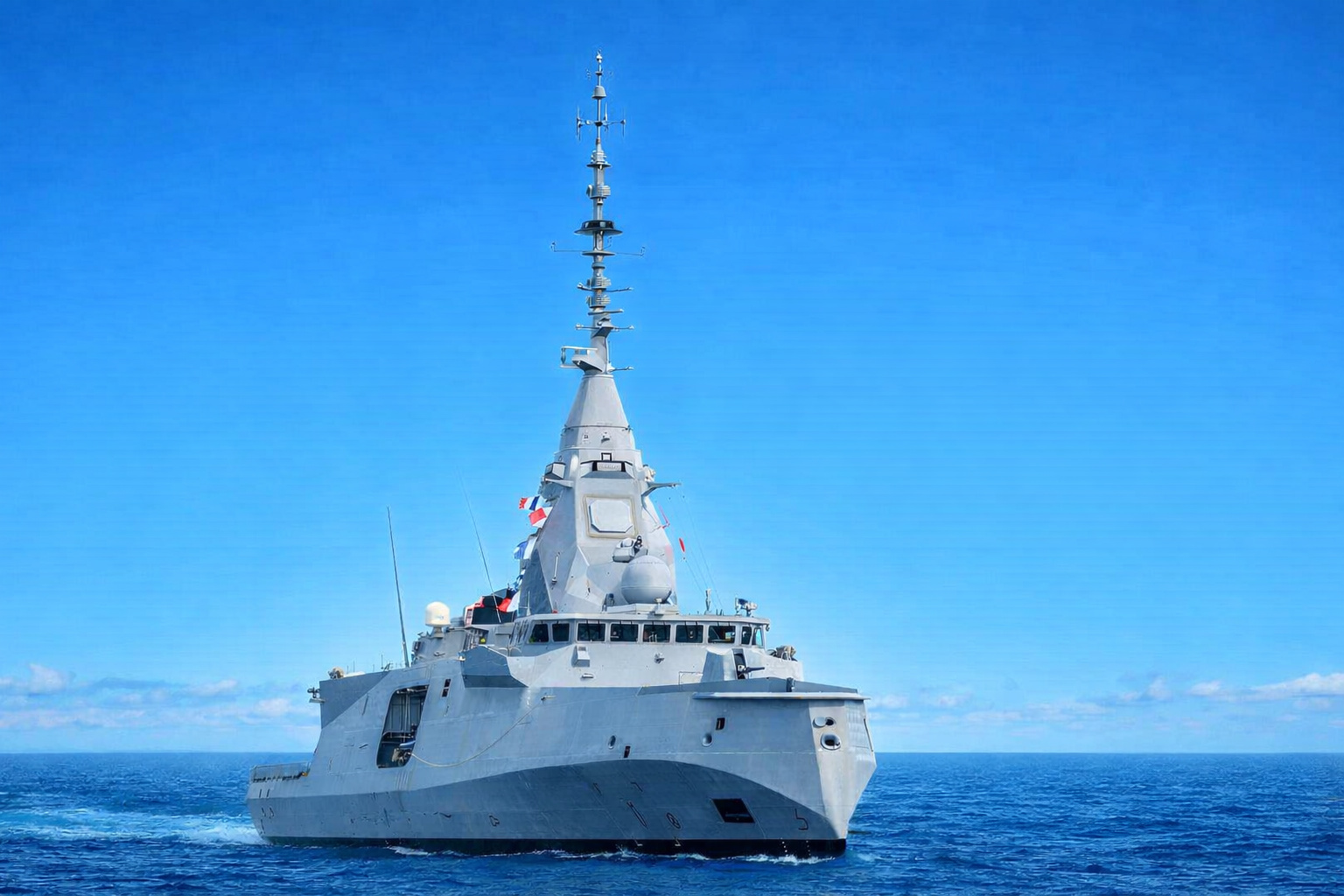
A 4,500-ton frigate with just over 100 crew members, state-of-the-art radar, and cruise missiles is being touted as the new standard of naval warfare in the 21st century.
-
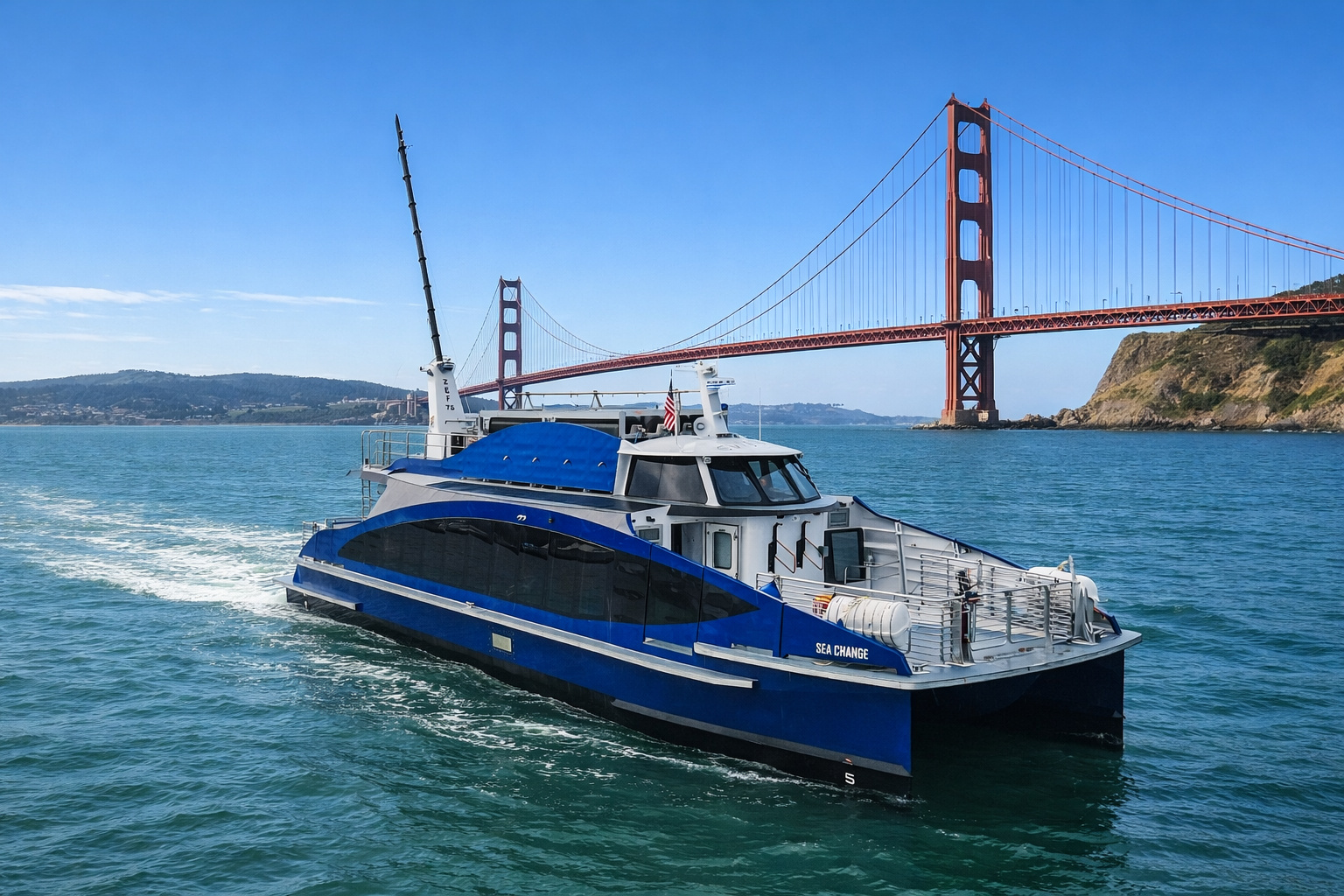
The first commercial hydrogen-powered ferry enters operation in the U.S., eliminates the use of diesel, uses fuel cells to generate clean energy on board, and transforms San Francisco Bay into a landmark of the new era of emission-free navigation.

The expectation was that the aircraft carrier would resume operations in 2013. However, in 2012, even with the upgrades, an electrical fire resulted in the death of one crew member and left others seriously injured. Thus, the ship returned to the shipyard for further renovations. In 2015, with the vessel still out of operation, the Federal Government announced another major modernization project. The goal was to extend the São Paulo’s lifespan until at least 2039, allowing it to receive newly acquired aircraft. But the government abandoned the idea due to the estimated cost: R$ 1 billion. Expenses had already accumulated to US$ 150 million, according to estimates, and today what was supposed to be the largest asset of Brazilian Defense has turned into a large scrap, adrift and still causing much debate.
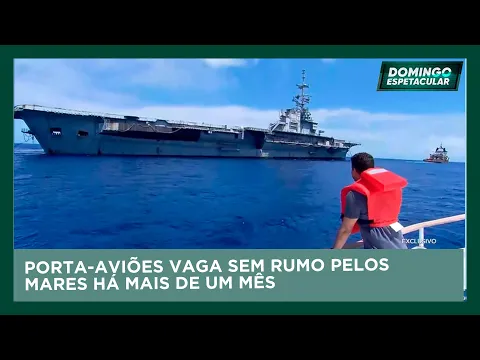

Environmental And Sanitary Risks Prevent Brazil From Getting Rid Of Aircraft Carrier
For R$ 10 million (a value lower than the purchase price – R$ 22 million at the time), Brazil sold its ex-aircraft carrier to a shipyard in Turkey, owned by the company SÖK Denizcilik Ticaret Limited, specialized in ship dismantling. However, what was supposed to be the end of the nightmare of having to maintain a large useless scrap here in the country led to an even bigger mess.
As it approached the Strait of Gibraltar, towed by a Dutch tugboat towards Turkey, Morocco’s Ministry of Environment suspended the consent for the importation of the asset after a Greenpeace alert. Then, the vessel was prevented from proceeding.
It turns out that the hull contains about 10 tons of asbestos, a carcinogenic material, as well as other possibly radioactive materials. Upon returning to Brazil, the Navy determined that the docking would occur at the Port of Suape, on the coast of Pernambuco. Thus, a new controversy emerged.
The Pernambuco government filed a lawsuit in Federal Court to prevent the vessel from docking in Suape, due to environmental and sanitary risks and the port operation itself, as of the five commercial docking berths, two are designated for container handling, and the ghost ship would occupy two more due to its size, leaving only one berth for all other operations at the site.
The vessel is aimlessly anchored about 30 kilometers from the Pernambuco coast (17 nautical miles) under Navy monitoring. SÖK Denizcilik Ticaret Limited is considering what measures to take and does not rule out suing the Pernambuco Government to recover the costs of keeping the hull and the tugboat at sea. The question remains: when will this controversy come to an end?








Seja o primeiro a reagir!